Blog

  • How to Deploy a Dance Studio Booking and Class Pass Management Platform

    How to Deploy a Dance Studio Booking and Class Pass Management Platform

    eploy a Dance Studio Booking and Class Pass Management Platform

    Understanding eploy a Dance Studio Booking and Class Pass Management Platform

    In the rapidly evolving landscape of modern cloud computing and application deployment, eploy a dance studio booking and class pass management platform has emerged as a critical capability that development teams and organizations simply cannot afford to overlook. As businesses increasingly rely on digital infrastructure to deliver their products and services to users around the globe, the ability to effectively manage and optimize eploy a dance studio booking and class pass management platform becomes a key differentiator for competitive advantage. Whether you are a solo developer working on a side project or part of a large engineering organization managing hundreds of microservices, understanding the nuances of eploy a dance studio booking and class pass management platform is essential for building reliable, scalable, and performant systems that meet the demands of today’s users. The stakes have never been higher, with customer expectations for uptime, speed, and reliability reaching unprecedented levels across every industry vertical and market segment.

    The concept of eploy a dance studio booking and class pass management platform encompasses a wide range of practices, tools, and methodologies that work together to ensure applications are deployed efficiently, run smoothly in production, and can be updated without disrupting the end-user experience. From automated testing pipelines that catch bugs before they reach production to sophisticated monitoring systems that provide real-time visibility into application health, every aspect of eploy a dance studio booking and class pass management platform contributes to the overall stability and reliability of your deployment infrastructure. Organizations that invest in robust eploy a dance studio booking and class pass management platform practices consistently report fewer production incidents, faster recovery times, and significantly higher developer productivity compared to those that rely on manual or ad-hoc deployment processes. The data is compelling: teams with mature deployment practices deploy code hundreds of times per day with confidence, while teams without these practices struggle to deploy even once per week without encountering incidents that degrade user experience.

    One of the most significant challenges that teams face when implementing eploy a dance studio booking and class pass management platform is balancing the need for speed with the requirement for stability. In today’s fast-paced development environment, teams are expected to ship new features and bug fixes quickly, but any mistake in the deployment process can lead to costly outages and damaged user trust. This tension between velocity and reliability is at the heart of modern software engineering, and resolving it requires both the right mindset and the right tooling. Teams that attempt to solve this problem by adding more manual checks and approvals often find that they have simply traded one problem for another, replacing deployment risk with deployment bottlenecks that slow down the entire development organization.

    This is exactly where a purpose-built deployment platform like Deployxa can make a transformative difference. By providing intelligent automation, built-in guardrails, and comprehensive visibility into the deployment process, Deployxa enables teams to deploy rapidly without sacrificing reliability. The platform’s AI-powered analysis engine continuously monitors your deployments and provides actionable recommendations for improvement, helping you identify and address potential issues before they become incidents. With Deployxa, teams can focus on what they do best, writing great code, while the platform handles the complexity of getting that code into production safely and efficiently, every single time.

    Key Challenges in eploy a Dance Studio Booking and Class Pass Management Platform

    When it comes to implementing eploy a dance studio booking and class pass management platform effectively, development teams encounter a number of significant challenges that can impede progress and increase the risk of deployment failures. One of the most common obstacles is the sheer complexity of modern application architectures, which often involve multiple interconnected services, databases, caches, message queues, and third-party integrations that must all be coordinated during a deployment. A seemingly simple change to one service can have cascading effects on downstream dependencies, making it extremely difficult to predict the full impact of any given deployment without comprehensive testing and monitoring infrastructure in place. This complexity is further compounded by the distributed nature of modern systems, where services may be deployed across multiple regions, availability zones, and even different cloud providers.

    Another major challenge is the lack of visibility into the deployment pipeline itself. Many teams operate with limited observability, meaning they cannot easily track the progress of a deployment, identify where failures occur, or understand the root cause of issues that arise during the deployment process. This lack of transparency leads to longer debugging sessions, increased mean time to recovery, and a general sense of uncertainty among team members about the health and stability of their production environments. Without proper logging, distributed tracing, and real-time alerting systems, even minor issues can go unnoticed until they escalate into major incidents that affect thousands of end users.

    Security concerns also present a formidable challenge when implementing eploy a dance studio booking and class pass management platform at scale. As applications are deployed more frequently and to more environments, the attack surface expands significantly, creating more opportunities for security vulnerabilities to be introduced into production. Teams must ensure that sensitive configuration data such as API keys, database credentials, and encryption keys are properly managed, rotated, and never exposed in code repositories or log files. Additionally, container images must be scanned for known vulnerabilities before being deployed, network policies must be configured to limit the blast radius of any potential breach, and comprehensive audit trails must be maintained to support compliance requirements.

    Cost management represents yet another significant challenge, particularly for organizations that are scaling their deployments across multiple environments and regions. Without proper cost visibility and controls, cloud infrastructure costs can spiral out of control, consuming an ever-larger portion of the engineering budget. Teams need tools that provide real-time cost tracking, automated rightsizing recommendations, and budget alerting to ensure they are getting the most value from their cloud spend without over-provisioning or under-utilizing their infrastructure resources.

    How Deployxa Solves These Challenges

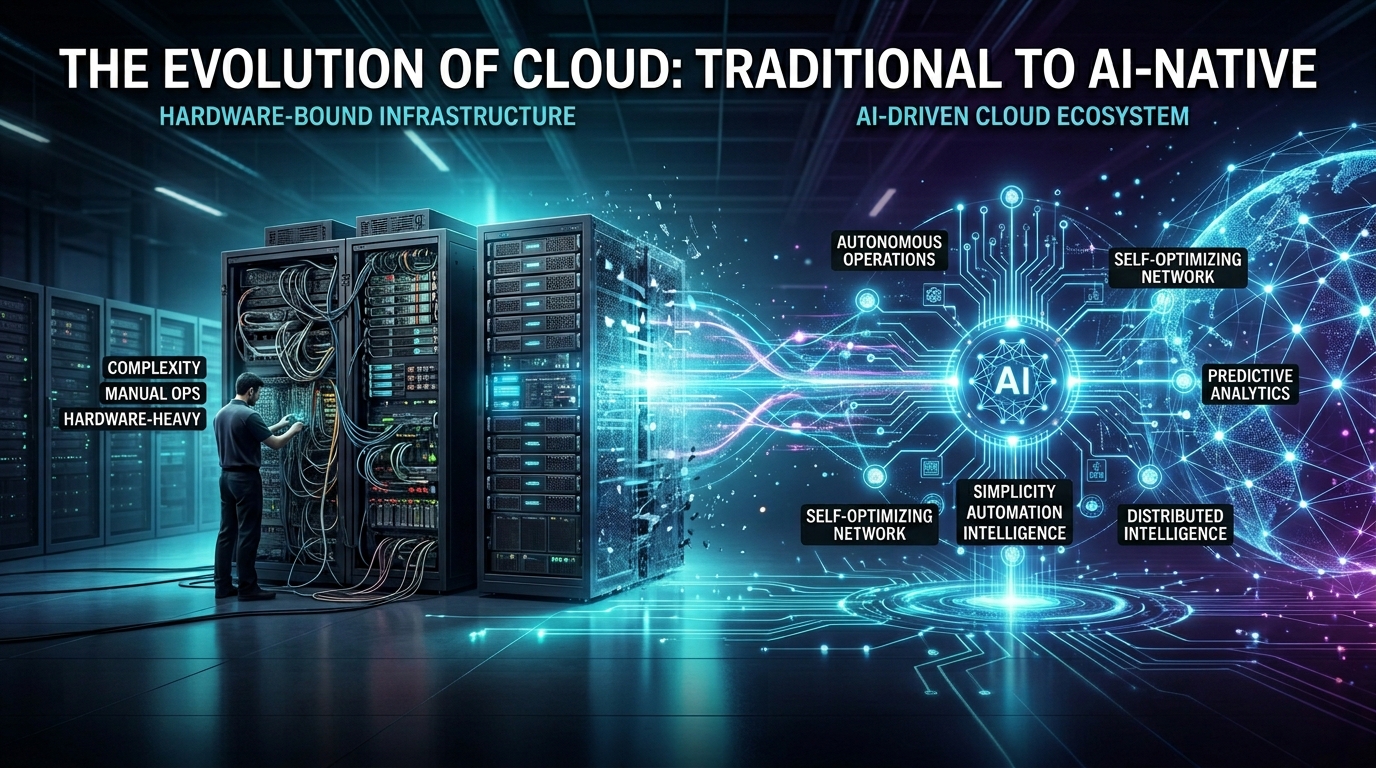
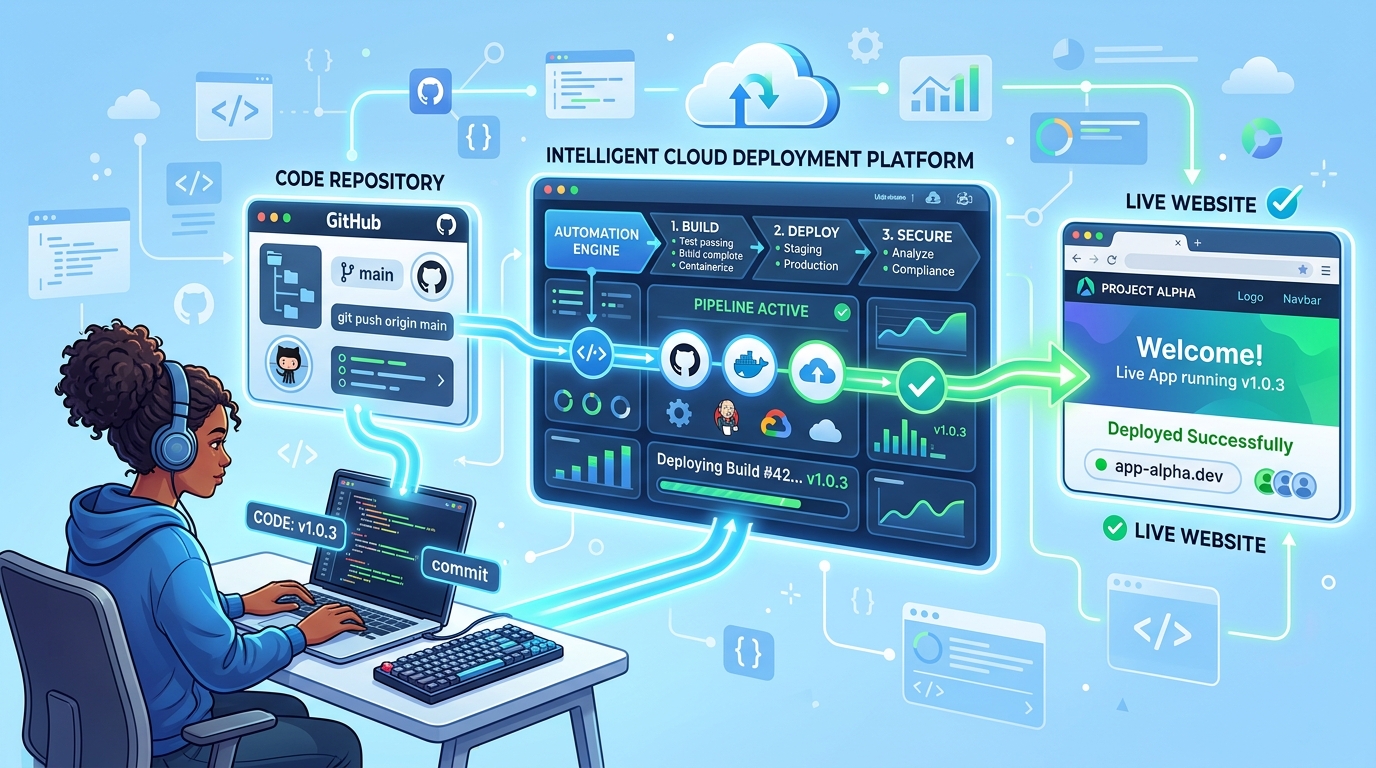
    Deployxa addresses the core challenges of eploy a dance studio booking and class pass management platform by providing an AI-native cloud deployment platform that is purpose-built for the needs of modern development teams. Unlike traditional deployment tools that require extensive configuration and specialized expertise, Deployxa offers an intuitive interface that abstracts away the underlying infrastructure complexity while still giving teams the control and flexibility they need. With Deployxa, you can deploy your applications directly from your Git repository with zero configuration, and the platform will automatically detect your framework, build your application, optimize resource allocation, and serve it over a secure HTTPS connection with a custom domain.

    The platform’s AI-powered capabilities go far beyond simple deployment automation. Deployxa continuously analyzes your application’s performance characteristics, resource utilization patterns, and user behavior to provide intelligent recommendations for optimization. This means that instead of manually tuning your infrastructure or guessing at the right resource allocation, Deployxa helps you make data-driven decisions that improve both performance and cost efficiency. The platform can identify underutilized resources, suggest scaling adjustments, predict capacity needs based on traffic patterns, and detect anomalies that might indicate performance degradation or security issues before they impact your users.

    Security is baked into every layer of the Deployxa platform. From automated SSL certificate management and built-in vulnerability scanning to comprehensive secret management and role-based access control, Deployxa ensures that your deployments meet the highest security standards without requiring additional tooling or manual processes. The platform’s audit logging capabilities provide the governance and compliance features that enterprise teams need, while its seamless integration with popular version control systems, CI/CD pipelines, and cloud providers means you can incorporate Deployxa into your existing workflow without disruption.

    Perhaps most importantly, Deployxa provides the observability and monitoring capabilities essential for maintaining confidence in your deployment process. The platform’s integrated dashboard gives you real-time visibility into the health, performance, and cost of every deployment, with customizable alerts that notify you of issues before they become incidents. Detailed deployment logs, build artifacts, and performance metrics are all accessible through a single unified interface. This comprehensive observability, combined with automated rollback capabilities, means you can deploy with the confidence that any issues will be detected quickly and resolved automatically.

    Best Practices for eploy a Dance Studio Booking and Class Pass Management Platform

    To get the most out of your eploy a dance studio booking and class pass management platform implementation, it is important to follow established best practices that have been proven to deliver reliable results. First and foremost, always automate as much of your deployment pipeline as possible. Manual deployment processes are inherently error-prone, difficult to reproduce consistently, and fundamentally unscalable. By automating every step from code checkout through building, testing, and deployment, you eliminate human error, reduce cycle times, and create a consistent and repeatable process. Tools like Deployxa excel in this area by providing end-to-end automation that requires minimal configuration while still offering the flexibility to customize every aspect of the pipeline to your specific needs.

    Another critical best practice is to implement comprehensive testing at every stage of the deployment pipeline. Each type of test serves a different purpose: unit tests verify individual components in isolation, integration tests verify that components work together correctly, end-to-end tests verify that the entire system behaves as expected from the user’s perspective, and smoke tests verify that the deployment itself was successful. Additionally, implement automated rollback mechanisms that can quickly revert a deployment if post-deployment tests detect any issues, ensuring that your users are never exposed to a broken version of your application.

    Finally, invest in observability and monitoring from day one. The ability to see what is happening in your production environment in real time is invaluable for maintaining reliability, diagnosing issues quickly, and making informed decisions. Implement structured logging, distributed tracing, and comprehensive metrics collection. Set up intelligent alerts that notify the right people at the right time, and establish clear runbooks that define the steps to take when specific alerts fire. Deployxa’s integrated monitoring dashboard provides much of this capability out of the box, giving you a significant head start on building a comprehensive observability strategy.

    Getting Started With eploy a Dance Studio Booking and Class Pass Management Platform on Deployxa

    Getting started with eploy a dance studio booking and class pass management platform on Deployxa is straightforward and can be accomplished in just a few minutes. Begin by creating an account at deployxa.kaziai.co.ke and connecting your Git repository. Deployxa will automatically detect your application framework and configure the build and deployment pipeline accordingly. From there, you can customize deployment settings, configure environment variables, set up custom domains with automatic SSL certificates, and enable monitoring and alerting. The platform’s comprehensive documentation and responsive support team are available to help you every step of the way.

    Once your first deployment is live, take advantage of Deployxa’s continuous deployment capabilities to set up automatic deployments whenever you push changes to your main branch. This ensures that your production environment always reflects the latest version of your code and eliminates the bottleneck of manual deployment steps. As your application grows and your team expands, Deployxa scales with you, providing the advanced features, enterprise-grade reliability, and AI-powered insights you need to support your most demanding eploy a dance studio booking and class pass management platform workloads. Start your journey with Deployxa today and experience the difference that an AI-native deployment platform can make.
  • How to Implement Database Connection Health Checks and Graceful Degradation

    How to Implement Database Connection Health Checks and Graceful Degradation

    mplement Database Connection Health Checks and Graceful Degradation

    Understanding mplement Database Connection Health Checks and Graceful Degradation

    In the rapidly evolving landscape of modern cloud computing and application deployment, mplement database connection health checks and graceful degradation has emerged as a critical capability that development teams and organizations simply cannot afford to overlook. As businesses increasingly rely on digital infrastructure to deliver their products and services to users around the globe, the ability to effectively manage and optimize mplement database connection health checks and graceful degradation becomes a key differentiator for competitive advantage. Whether you are a solo developer working on a side project or part of a large engineering organization managing hundreds of microservices, understanding the nuances of mplement database connection health checks and graceful degradation is essential for building reliable, scalable, and performant systems that meet the demands of today’s users. The stakes have never been higher, with customer expectations for uptime, speed, and reliability reaching unprecedented levels across every industry vertical and market segment.

    The concept of mplement database connection health checks and graceful degradation encompasses a wide range of practices, tools, and methodologies that work together to ensure applications are deployed efficiently, run smoothly in production, and can be updated without disrupting the end-user experience. From automated testing pipelines that catch bugs before they reach production to sophisticated monitoring systems that provide real-time visibility into application health, every aspect of mplement database connection health checks and graceful degradation contributes to the overall stability and reliability of your deployment infrastructure. Organizations that invest in robust mplement database connection health checks and graceful degradation practices consistently report fewer production incidents, faster recovery times, and significantly higher developer productivity compared to those that rely on manual or ad-hoc deployment processes. The data is compelling: teams with mature deployment practices deploy code hundreds of times per day with confidence, while teams without these practices struggle to deploy even once per week without encountering incidents that degrade user experience.

    One of the most significant challenges that teams face when implementing mplement database connection health checks and graceful degradation is balancing the need for speed with the requirement for stability. In today’s fast-paced development environment, teams are expected to ship new features and bug fixes quickly, but any mistake in the deployment process can lead to costly outages and damaged user trust. This tension between velocity and reliability is at the heart of modern software engineering, and resolving it requires both the right mindset and the right tooling. Teams that attempt to solve this problem by adding more manual checks and approvals often find that they have simply traded one problem for another, replacing deployment risk with deployment bottlenecks that slow down the entire development organization.

    This is exactly where a purpose-built deployment platform like Deployxa can make a transformative difference. By providing intelligent automation, built-in guardrails, and comprehensive visibility into the deployment process, Deployxa enables teams to deploy rapidly without sacrificing reliability. The platform’s AI-powered analysis engine continuously monitors your deployments and provides actionable recommendations for improvement, helping you identify and address potential issues before they become incidents. With Deployxa, teams can focus on what they do best, writing great code, while the platform handles the complexity of getting that code into production safely and efficiently, every single time.

    Key Challenges in mplement Database Connection Health Checks and Graceful Degradation

    When it comes to implementing mplement database connection health checks and graceful degradation effectively, development teams encounter a number of significant challenges that can impede progress and increase the risk of deployment failures. One of the most common obstacles is the sheer complexity of modern application architectures, which often involve multiple interconnected services, databases, caches, message queues, and third-party integrations that must all be coordinated during a deployment. A seemingly simple change to one service can have cascading effects on downstream dependencies, making it extremely difficult to predict the full impact of any given deployment without comprehensive testing and monitoring infrastructure in place. This complexity is further compounded by the distributed nature of modern systems, where services may be deployed across multiple regions, availability zones, and even different cloud providers.

    Another major challenge is the lack of visibility into the deployment pipeline itself. Many teams operate with limited observability, meaning they cannot easily track the progress of a deployment, identify where failures occur, or understand the root cause of issues that arise during the deployment process. This lack of transparency leads to longer debugging sessions, increased mean time to recovery, and a general sense of uncertainty among team members about the health and stability of their production environments. Without proper logging, distributed tracing, and real-time alerting systems, even minor issues can go unnoticed until they escalate into major incidents that affect thousands of end users.

    Security concerns also present a formidable challenge when implementing mplement database connection health checks and graceful degradation at scale. As applications are deployed more frequently and to more environments, the attack surface expands significantly, creating more opportunities for security vulnerabilities to be introduced into production. Teams must ensure that sensitive configuration data such as API keys, database credentials, and encryption keys are properly managed, rotated, and never exposed in code repositories or log files. Additionally, container images must be scanned for known vulnerabilities before being deployed, network policies must be configured to limit the blast radius of any potential breach, and comprehensive audit trails must be maintained to support compliance requirements.

    Cost management represents yet another significant challenge, particularly for organizations that are scaling their deployments across multiple environments and regions. Without proper cost visibility and controls, cloud infrastructure costs can spiral out of control, consuming an ever-larger portion of the engineering budget. Teams need tools that provide real-time cost tracking, automated rightsizing recommendations, and budget alerting to ensure they are getting the most value from their cloud spend without over-provisioning or under-utilizing their infrastructure resources.

    How Deployxa Solves These Challenges

    Deployxa addresses the core challenges of mplement database connection health checks and graceful degradation by providing an AI-native cloud deployment platform that is purpose-built for the needs of modern development teams. Unlike traditional deployment tools that require extensive configuration and specialized expertise, Deployxa offers an intuitive interface that abstracts away the underlying infrastructure complexity while still giving teams the control and flexibility they need. With Deployxa, you can deploy your applications directly from your Git repository with zero configuration, and the platform will automatically detect your framework, build your application, optimize resource allocation, and serve it over a secure HTTPS connection with a custom domain.

    The platform’s AI-powered capabilities go far beyond simple deployment automation. Deployxa continuously analyzes your application’s performance characteristics, resource utilization patterns, and user behavior to provide intelligent recommendations for optimization. This means that instead of manually tuning your infrastructure or guessing at the right resource allocation, Deployxa helps you make data-driven decisions that improve both performance and cost efficiency. The platform can identify underutilized resources, suggest scaling adjustments, predict capacity needs based on traffic patterns, and detect anomalies that might indicate performance degradation or security issues before they impact your users.

    Security is baked into every layer of the Deployxa platform. From automated SSL certificate management and built-in vulnerability scanning to comprehensive secret management and role-based access control, Deployxa ensures that your deployments meet the highest security standards without requiring additional tooling or manual processes. The platform’s audit logging capabilities provide the governance and compliance features that enterprise teams need, while its seamless integration with popular version control systems, CI/CD pipelines, and cloud providers means you can incorporate Deployxa into your existing workflow without disruption.

    Perhaps most importantly, Deployxa provides the observability and monitoring capabilities essential for maintaining confidence in your deployment process. The platform’s integrated dashboard gives you real-time visibility into the health, performance, and cost of every deployment, with customizable alerts that notify you of issues before they become incidents. Detailed deployment logs, build artifacts, and performance metrics are all accessible through a single unified interface. This comprehensive observability, combined with automated rollback capabilities, means you can deploy with the confidence that any issues will be detected quickly and resolved automatically.

    Best Practices for mplement Database Connection Health Checks and Graceful Degradation

    To get the most out of your mplement database connection health checks and graceful degradation implementation, it is important to follow established best practices that have been proven to deliver reliable results. First and foremost, always automate as much of your deployment pipeline as possible. Manual deployment processes are inherently error-prone, difficult to reproduce consistently, and fundamentally unscalable. By automating every step from code checkout through building, testing, and deployment, you eliminate human error, reduce cycle times, and create a consistent and repeatable process. Tools like Deployxa excel in this area by providing end-to-end automation that requires minimal configuration while still offering the flexibility to customize every aspect of the pipeline to your specific needs.

    Another critical best practice is to implement comprehensive testing at every stage of the deployment pipeline. Each type of test serves a different purpose: unit tests verify individual components in isolation, integration tests verify that components work together correctly, end-to-end tests verify that the entire system behaves as expected from the user’s perspective, and smoke tests verify that the deployment itself was successful. Additionally, implement automated rollback mechanisms that can quickly revert a deployment if post-deployment tests detect any issues, ensuring that your users are never exposed to a broken version of your application.

    Finally, invest in observability and monitoring from day one. The ability to see what is happening in your production environment in real time is invaluable for maintaining reliability, diagnosing issues quickly, and making informed decisions. Implement structured logging, distributed tracing, and comprehensive metrics collection. Set up intelligent alerts that notify the right people at the right time, and establish clear runbooks that define the steps to take when specific alerts fire. Deployxa’s integrated monitoring dashboard provides much of this capability out of the box, giving you a significant head start on building a comprehensive observability strategy.

    Getting Started With mplement Database Connection Health Checks and Graceful Degradation on Deployxa

    Getting started with mplement database connection health checks and graceful degradation on Deployxa is straightforward and can be accomplished in just a few minutes. Begin by creating an account at deployxa.kaziai.co.ke and connecting your Git repository. Deployxa will automatically detect your application framework and configure the build and deployment pipeline accordingly. From there, you can customize deployment settings, configure environment variables, set up custom domains with automatic SSL certificates, and enable monitoring and alerting. The platform’s comprehensive documentation and responsive support team are available to help you every step of the way.

    Once your first deployment is live, take advantage of Deployxa’s continuous deployment capabilities to set up automatic deployments whenever you push changes to your main branch. This ensures that your production environment always reflects the latest version of your code and eliminates the bottleneck of manual deployment steps. As your application grows and your team expands, Deployxa scales with you, providing the advanced features, enterprise-grade reliability, and AI-powered insights you need to support your most demanding mplement database connection health checks and graceful degradation workloads. Start your journey with Deployxa today and experience the difference that an AI-native deployment platform can make.
  • How to Build and Deploy an AI-Powered Street Sign and Text Recognition SDK

    How to Build and Deploy an AI-Powered Street Sign and Text Recognition SDK

    uild and Deploy an AI-Powered Street Sign and Text Recognition SDK

    Understanding uild and Deploy an AI-Powered Street Sign and Text Recognition SDK

    In the rapidly evolving landscape of modern cloud computing and application deployment, uild and deploy an ai-powered street sign and text recognition sdk has emerged as a critical capability that development teams and organizations simply cannot afford to overlook. As businesses increasingly rely on digital infrastructure to deliver their products and services to users around the globe, the ability to effectively manage and optimize uild and deploy an ai-powered street sign and text recognition sdk becomes a key differentiator for competitive advantage. Whether you are a solo developer working on a side project or part of a large engineering organization managing hundreds of microservices, understanding the nuances of uild and deploy an ai-powered street sign and text recognition sdk is essential for building reliable, scalable, and performant systems that meet the demands of today’s users. The stakes have never been higher, with customer expectations for uptime, speed, and reliability reaching unprecedented levels across every industry vertical and market segment.

    The concept of uild and deploy an ai-powered street sign and text recognition sdk encompasses a wide range of practices, tools, and methodologies that work together to ensure applications are deployed efficiently, run smoothly in production, and can be updated without disrupting the end-user experience. From automated testing pipelines that catch bugs before they reach production to sophisticated monitoring systems that provide real-time visibility into application health, every aspect of uild and deploy an ai-powered street sign and text recognition sdk contributes to the overall stability and reliability of your deployment infrastructure. Organizations that invest in robust uild and deploy an ai-powered street sign and text recognition sdk practices consistently report fewer production incidents, faster recovery times, and significantly higher developer productivity compared to those that rely on manual or ad-hoc deployment processes. The data is compelling: teams with mature deployment practices deploy code hundreds of times per day with confidence, while teams without these practices struggle to deploy even once per week without encountering incidents that degrade user experience.

    One of the most significant challenges that teams face when implementing uild and deploy an ai-powered street sign and text recognition sdk is balancing the need for speed with the requirement for stability. In today’s fast-paced development environment, teams are expected to ship new features and bug fixes quickly, but any mistake in the deployment process can lead to costly outages and damaged user trust. This tension between velocity and reliability is at the heart of modern software engineering, and resolving it requires both the right mindset and the right tooling. Teams that attempt to solve this problem by adding more manual checks and approvals often find that they have simply traded one problem for another, replacing deployment risk with deployment bottlenecks that slow down the entire development organization.

    This is exactly where a purpose-built deployment platform like Deployxa can make a transformative difference. By providing intelligent automation, built-in guardrails, and comprehensive visibility into the deployment process, Deployxa enables teams to deploy rapidly without sacrificing reliability. The platform’s AI-powered analysis engine continuously monitors your deployments and provides actionable recommendations for improvement, helping you identify and address potential issues before they become incidents. With Deployxa, teams can focus on what they do best, writing great code, while the platform handles the complexity of getting that code into production safely and efficiently, every single time.

    Key Challenges in uild and Deploy an AI-Powered Street Sign and Text Recognition SDK

    When it comes to implementing uild and deploy an ai-powered street sign and text recognition sdk effectively, development teams encounter a number of significant challenges that can impede progress and increase the risk of deployment failures. One of the most common obstacles is the sheer complexity of modern application architectures, which often involve multiple interconnected services, databases, caches, message queues, and third-party integrations that must all be coordinated during a deployment. A seemingly simple change to one service can have cascading effects on downstream dependencies, making it extremely difficult to predict the full impact of any given deployment without comprehensive testing and monitoring infrastructure in place. This complexity is further compounded by the distributed nature of modern systems, where services may be deployed across multiple regions, availability zones, and even different cloud providers.

    Another major challenge is the lack of visibility into the deployment pipeline itself. Many teams operate with limited observability, meaning they cannot easily track the progress of a deployment, identify where failures occur, or understand the root cause of issues that arise during the deployment process. This lack of transparency leads to longer debugging sessions, increased mean time to recovery, and a general sense of uncertainty among team members about the health and stability of their production environments. Without proper logging, distributed tracing, and real-time alerting systems, even minor issues can go unnoticed until they escalate into major incidents that affect thousands of end users.

    Security concerns also present a formidable challenge when implementing uild and deploy an ai-powered street sign and text recognition sdk at scale. As applications are deployed more frequently and to more environments, the attack surface expands significantly, creating more opportunities for security vulnerabilities to be introduced into production. Teams must ensure that sensitive configuration data such as API keys, database credentials, and encryption keys are properly managed, rotated, and never exposed in code repositories or log files. Additionally, container images must be scanned for known vulnerabilities before being deployed, network policies must be configured to limit the blast radius of any potential breach, and comprehensive audit trails must be maintained to support compliance requirements.

    Cost management represents yet another significant challenge, particularly for organizations that are scaling their deployments across multiple environments and regions. Without proper cost visibility and controls, cloud infrastructure costs can spiral out of control, consuming an ever-larger portion of the engineering budget. Teams need tools that provide real-time cost tracking, automated rightsizing recommendations, and budget alerting to ensure they are getting the most value from their cloud spend without over-provisioning or under-utilizing their infrastructure resources.

    How Deployxa Solves These Challenges

    Deployxa addresses the core challenges of uild and deploy an ai-powered street sign and text recognition sdk by providing an AI-native cloud deployment platform that is purpose-built for the needs of modern development teams. Unlike traditional deployment tools that require extensive configuration and specialized expertise, Deployxa offers an intuitive interface that abstracts away the underlying infrastructure complexity while still giving teams the control and flexibility they need. With Deployxa, you can deploy your applications directly from your Git repository with zero configuration, and the platform will automatically detect your framework, build your application, optimize resource allocation, and serve it over a secure HTTPS connection with a custom domain.

    The platform’s AI-powered capabilities go far beyond simple deployment automation. Deployxa continuously analyzes your application’s performance characteristics, resource utilization patterns, and user behavior to provide intelligent recommendations for optimization. This means that instead of manually tuning your infrastructure or guessing at the right resource allocation, Deployxa helps you make data-driven decisions that improve both performance and cost efficiency. The platform can identify underutilized resources, suggest scaling adjustments, predict capacity needs based on traffic patterns, and detect anomalies that might indicate performance degradation or security issues before they impact your users.

    Security is baked into every layer of the Deployxa platform. From automated SSL certificate management and built-in vulnerability scanning to comprehensive secret management and role-based access control, Deployxa ensures that your deployments meet the highest security standards without requiring additional tooling or manual processes. The platform’s audit logging capabilities provide the governance and compliance features that enterprise teams need, while its seamless integration with popular version control systems, CI/CD pipelines, and cloud providers means you can incorporate Deployxa into your existing workflow without disruption.

    Perhaps most importantly, Deployxa provides the observability and monitoring capabilities essential for maintaining confidence in your deployment process. The platform’s integrated dashboard gives you real-time visibility into the health, performance, and cost of every deployment, with customizable alerts that notify you of issues before they become incidents. Detailed deployment logs, build artifacts, and performance metrics are all accessible through a single unified interface. This comprehensive observability, combined with automated rollback capabilities, means you can deploy with the confidence that any issues will be detected quickly and resolved automatically.

    Best Practices for uild and Deploy an AI-Powered Street Sign and Text Recognition SDK

    To get the most out of your uild and deploy an ai-powered street sign and text recognition sdk implementation, it is important to follow established best practices that have been proven to deliver reliable results. First and foremost, always automate as much of your deployment pipeline as possible. Manual deployment processes are inherently error-prone, difficult to reproduce consistently, and fundamentally unscalable. By automating every step from code checkout through building, testing, and deployment, you eliminate human error, reduce cycle times, and create a consistent and repeatable process. Tools like Deployxa excel in this area by providing end-to-end automation that requires minimal configuration while still offering the flexibility to customize every aspect of the pipeline to your specific needs.

    Another critical best practice is to implement comprehensive testing at every stage of the deployment pipeline. Each type of test serves a different purpose: unit tests verify individual components in isolation, integration tests verify that components work together correctly, end-to-end tests verify that the entire system behaves as expected from the user’s perspective, and smoke tests verify that the deployment itself was successful. Additionally, implement automated rollback mechanisms that can quickly revert a deployment if post-deployment tests detect any issues, ensuring that your users are never exposed to a broken version of your application.

    Finally, invest in observability and monitoring from day one. The ability to see what is happening in your production environment in real time is invaluable for maintaining reliability, diagnosing issues quickly, and making informed decisions. Implement structured logging, distributed tracing, and comprehensive metrics collection. Set up intelligent alerts that notify the right people at the right time, and establish clear runbooks that define the steps to take when specific alerts fire. Deployxa’s integrated monitoring dashboard provides much of this capability out of the box, giving you a significant head start on building a comprehensive observability strategy.

    Getting Started With uild and Deploy an AI-Powered Street Sign and Text Recognition SDK on Deployxa

    Getting started with uild and deploy an ai-powered street sign and text recognition sdk on Deployxa is straightforward and can be accomplished in just a few minutes. Begin by creating an account at deployxa.kaziai.co.ke and connecting your Git repository. Deployxa will automatically detect your application framework and configure the build and deployment pipeline accordingly. From there, you can customize deployment settings, configure environment variables, set up custom domains with automatic SSL certificates, and enable monitoring and alerting. The platform’s comprehensive documentation and responsive support team are available to help you every step of the way.

    Once your first deployment is live, take advantage of Deployxa’s continuous deployment capabilities to set up automatic deployments whenever you push changes to your main branch. This ensures that your production environment always reflects the latest version of your code and eliminates the bottleneck of manual deployment steps. As your application grows and your team expands, Deployxa scales with you, providing the advanced features, enterprise-grade reliability, and AI-powered insights you need to support your most demanding uild and deploy an ai-powered street sign and text recognition sdk workloads. Start your journey with Deployxa today and experience the difference that an AI-native deployment platform can make.

  • How to Set Up Automated Container Runtime Security Scanning With Trivy

    How to Set Up Automated Container Runtime Security Scanning With Trivy

    et Up Automated Container Runtime Security Scanning With Trivy

    Understanding et Up Automated Container Runtime Security Scanning With Trivy

    In the rapidly evolving landscape of modern cloud computing and application deployment, et up automated container runtime security scanning with trivy has emerged as a critical capability that development teams and organizations simply cannot afford to overlook. As businesses increasingly rely on digital infrastructure to deliver their products and services to users around the globe, the ability to effectively manage and optimize et up automated container runtime security scanning with trivy becomes a key differentiator for competitive advantage. Whether you are a solo developer working on a side project or part of a large engineering organization managing hundreds of microservices, understanding the nuances of et up automated container runtime security scanning with trivy is essential for building reliable, scalable, and performant systems that meet the demands of today’s users. The stakes have never been higher, with customer expectations for uptime, speed, and reliability reaching unprecedented levels across every industry vertical and market segment.

    The concept of et up automated container runtime security scanning with trivy encompasses a wide range of practices, tools, and methodologies that work together to ensure applications are deployed efficiently, run smoothly in production, and can be updated without disrupting the end-user experience. From automated testing pipelines that catch bugs before they reach production to sophisticated monitoring systems that provide real-time visibility into application health, every aspect of et up automated container runtime security scanning with trivy contributes to the overall stability and reliability of your deployment infrastructure. Organizations that invest in robust et up automated container runtime security scanning with trivy practices consistently report fewer production incidents, faster recovery times, and significantly higher developer productivity compared to those that rely on manual or ad-hoc deployment processes. The data is compelling: teams with mature deployment practices deploy code hundreds of times per day with confidence, while teams without these practices struggle to deploy even once per week without encountering incidents that degrade user experience.

    One of the most significant challenges that teams face when implementing et up automated container runtime security scanning with trivy is balancing the need for speed with the requirement for stability. In today’s fast-paced development environment, teams are expected to ship new features and bug fixes quickly, but any mistake in the deployment process can lead to costly outages and damaged user trust. This tension between velocity and reliability is at the heart of modern software engineering, and resolving it requires both the right mindset and the right tooling. Teams that attempt to solve this problem by adding more manual checks and approvals often find that they have simply traded one problem for another, replacing deployment risk with deployment bottlenecks that slow down the entire development organization.

    This is exactly where a purpose-built deployment platform like Deployxa can make a transformative difference. By providing intelligent automation, built-in guardrails, and comprehensive visibility into the deployment process, Deployxa enables teams to deploy rapidly without sacrificing reliability. The platform’s AI-powered analysis engine continuously monitors your deployments and provides actionable recommendations for improvement, helping you identify and address potential issues before they become incidents. With Deployxa, teams can focus on what they do best, writing great code, while the platform handles the complexity of getting that code into production safely and efficiently, every single time.

    Key Challenges in et Up Automated Container Runtime Security Scanning With Trivy

    When it comes to implementing et up automated container runtime security scanning with trivy effectively, development teams encounter a number of significant challenges that can impede progress and increase the risk of deployment failures. One of the most common obstacles is the sheer complexity of modern application architectures, which often involve multiple interconnected services, databases, caches, message queues, and third-party integrations that must all be coordinated during a deployment. A seemingly simple change to one service can have cascading effects on downstream dependencies, making it extremely difficult to predict the full impact of any given deployment without comprehensive testing and monitoring infrastructure in place. This complexity is further compounded by the distributed nature of modern systems, where services may be deployed across multiple regions, availability zones, and even different cloud providers.

    Another major challenge is the lack of visibility into the deployment pipeline itself. Many teams operate with limited observability, meaning they cannot easily track the progress of a deployment, identify where failures occur, or understand the root cause of issues that arise during the deployment process. This lack of transparency leads to longer debugging sessions, increased mean time to recovery, and a general sense of uncertainty among team members about the health and stability of their production environments. Without proper logging, distributed tracing, and real-time alerting systems, even minor issues can go unnoticed until they escalate into major incidents that affect thousands of end users.

    Security concerns also present a formidable challenge when implementing et up automated container runtime security scanning with trivy at scale. As applications are deployed more frequently and to more environments, the attack surface expands significantly, creating more opportunities for security vulnerabilities to be introduced into production. Teams must ensure that sensitive configuration data such as API keys, database credentials, and encryption keys are properly managed, rotated, and never exposed in code repositories or log files. Additionally, container images must be scanned for known vulnerabilities before being deployed, network policies must be configured to limit the blast radius of any potential breach, and comprehensive audit trails must be maintained to support compliance requirements.

    Cost management represents yet another significant challenge, particularly for organizations that are scaling their deployments across multiple environments and regions. Without proper cost visibility and controls, cloud infrastructure costs can spiral out of control, consuming an ever-larger portion of the engineering budget. Teams need tools that provide real-time cost tracking, automated rightsizing recommendations, and budget alerting to ensure they are getting the most value from their cloud spend without over-provisioning or under-utilizing their infrastructure resources.

    How Deployxa Solves These Challenges

    Deployxa addresses the core challenges of et up automated container runtime security scanning with trivy by providing an AI-native cloud deployment platform that is purpose-built for the needs of modern development teams. Unlike traditional deployment tools that require extensive configuration and specialized expertise, Deployxa offers an intuitive interface that abstracts away the underlying infrastructure complexity while still giving teams the control and flexibility they need. With Deployxa, you can deploy your applications directly from your Git repository with zero configuration, and the platform will automatically detect your framework, build your application, optimize resource allocation, and serve it over a secure HTTPS connection with a custom domain.

    The platform’s AI-powered capabilities go far beyond simple deployment automation. Deployxa continuously analyzes your application’s performance characteristics, resource utilization patterns, and user behavior to provide intelligent recommendations for optimization. This means that instead of manually tuning your infrastructure or guessing at the right resource allocation, Deployxa helps you make data-driven decisions that improve both performance and cost efficiency. The platform can identify underutilized resources, suggest scaling adjustments, predict capacity needs based on traffic patterns, and detect anomalies that might indicate performance degradation or security issues before they impact your users.

    Security is baked into every layer of the Deployxa platform. From automated SSL certificate management and built-in vulnerability scanning to comprehensive secret management and role-based access control, Deployxa ensures that your deployments meet the highest security standards without requiring additional tooling or manual processes. The platform’s audit logging capabilities provide the governance and compliance features that enterprise teams need, while its seamless integration with popular version control systems, CI/CD pipelines, and cloud providers means you can incorporate Deployxa into your existing workflow without disruption.

    Perhaps most importantly, Deployxa provides the observability and monitoring capabilities essential for maintaining confidence in your deployment process. The platform’s integrated dashboard gives you real-time visibility into the health, performance, and cost of every deployment, with customizable alerts that notify you of issues before they become incidents. Detailed deployment logs, build artifacts, and performance metrics are all accessible through a single unified interface. This comprehensive observability, combined with automated rollback capabilities, means you can deploy with the confidence that any issues will be detected quickly and resolved automatically.

    Best Practices for et Up Automated Container Runtime Security Scanning With Trivy

    To get the most out of your et up automated container runtime security scanning with trivy implementation, it is important to follow established best practices that have been proven to deliver reliable results. First and foremost, always automate as much of your deployment pipeline as possible. Manual deployment processes are inherently error-prone, difficult to reproduce consistently, and fundamentally unscalable. By automating every step from code checkout through building, testing, and deployment, you eliminate human error, reduce cycle times, and create a consistent and repeatable process. Tools like Deployxa excel in this area by providing end-to-end automation that requires minimal configuration while still offering the flexibility to customize every aspect of the pipeline to your specific needs.

    Another critical best practice is to implement comprehensive testing at every stage of the deployment pipeline. Each type of test serves a different purpose: unit tests verify individual components in isolation, integration tests verify that components work together correctly, end-to-end tests verify that the entire system behaves as expected from the user’s perspective, and smoke tests verify that the deployment itself was successful. Additionally, implement automated rollback mechanisms that can quickly revert a deployment if post-deployment tests detect any issues, ensuring that your users are never exposed to a broken version of your application.

    Finally, invest in observability and monitoring from day one. The ability to see what is happening in your production environment in real time is invaluable for maintaining reliability, diagnosing issues quickly, and making informed decisions. Implement structured logging, distributed tracing, and comprehensive metrics collection. Set up intelligent alerts that notify the right people at the right time, and establish clear runbooks that define the steps to take when specific alerts fire. Deployxa’s integrated monitoring dashboard provides much of this capability out of the box, giving you a significant head start on building a comprehensive observability strategy.

    Getting Started With et Up Automated Container Runtime Security Scanning With Trivy on Deployxa

    Getting started with et up automated container runtime security scanning with trivy on Deployxa is straightforward and can be accomplished in just a few minutes. Begin by creating an account at deployxa.kaziai.co.ke and connecting your Git repository. Deployxa will automatically detect your application framework and configure the build and deployment pipeline accordingly. From there, you can customize deployment settings, configure environment variables, set up custom domains with automatic SSL certificates, and enable monitoring and alerting. The platform’s comprehensive documentation and responsive support team are available to help you every step of the way.

    Once your first deployment is live, take advantage of Deployxa’s continuous deployment capabilities to set up automatic deployments whenever you push changes to your main branch. This ensures that your production environment always reflects the latest version of your code and eliminates the bottleneck of manual deployment steps. As your application grows and your team expands, Deployxa scales with you, providing the advanced features, enterprise-grade reliability, and AI-powered insights you need to support your most demanding et up automated container runtime security scanning with trivy workloads. Start your journey with Deployxa today and experience the difference that an AI-native deployment platform can make.
  • How to Deploy a Hobbyist Woodworking and DIY Project Sharing Platform

    How to Deploy a Hobbyist Woodworking and DIY Project Sharing Platform

    eploy a Hobbyist Woodworking and DIY Project Sharing Platform

    Understanding eploy a Hobbyist Woodworking and DIY Project Sharing Platform

    In the rapidly evolving landscape of modern cloud computing and application deployment, eploy a hobbyist woodworking and diy project sharing platform has emerged as a critical capability that development teams and organizations simply cannot afford to overlook. As businesses increasingly rely on digital infrastructure to deliver their products and services to users around the globe, the ability to effectively manage and optimize eploy a hobbyist woodworking and diy project sharing platform becomes a key differentiator for competitive advantage. Whether you are a solo developer working on a side project or part of a large engineering organization managing hundreds of microservices, understanding the nuances of eploy a hobbyist woodworking and diy project sharing platform is essential for building reliable, scalable, and performant systems that meet the demands of today’s users. The stakes have never been higher, with customer expectations for uptime, speed, and reliability reaching unprecedented levels across every industry vertical and market segment.

    The concept of eploy a hobbyist woodworking and diy project sharing platform encompasses a wide range of practices, tools, and methodologies that work together to ensure applications are deployed efficiently, run smoothly in production, and can be updated without disrupting the end-user experience. From automated testing pipelines that catch bugs before they reach production to sophisticated monitoring systems that provide real-time visibility into application health, every aspect of eploy a hobbyist woodworking and diy project sharing platform contributes to the overall stability and reliability of your deployment infrastructure. Organizations that invest in robust eploy a hobbyist woodworking and diy project sharing platform practices consistently report fewer production incidents, faster recovery times, and significantly higher developer productivity compared to those that rely on manual or ad-hoc deployment processes. The data is compelling: teams with mature deployment practices deploy code hundreds of times per day with confidence, while teams without these practices struggle to deploy even once per week without encountering incidents that degrade user experience.

    One of the most significant challenges that teams face when implementing eploy a hobbyist woodworking and diy project sharing platform is balancing the need for speed with the requirement for stability. In today’s fast-paced development environment, teams are expected to ship new features and bug fixes quickly, but any mistake in the deployment process can lead to costly outages and damaged user trust. This tension between velocity and reliability is at the heart of modern software engineering, and resolving it requires both the right mindset and the right tooling. Teams that attempt to solve this problem by adding more manual checks and approvals often find that they have simply traded one problem for another, replacing deployment risk with deployment bottlenecks that slow down the entire development organization.

    This is exactly where a purpose-built deployment platform like Deployxa can make a transformative difference. By providing intelligent automation, built-in guardrails, and comprehensive visibility into the deployment process, Deployxa enables teams to deploy rapidly without sacrificing reliability. The platform’s AI-powered analysis engine continuously monitors your deployments and provides actionable recommendations for improvement, helping you identify and address potential issues before they become incidents. With Deployxa, teams can focus on what they do best, writing great code, while the platform handles the complexity of getting that code into production safely and efficiently, every single time.

    Key Challenges in eploy a Hobbyist Woodworking and DIY Project Sharing Platform

    When it comes to implementing eploy a hobbyist woodworking and diy project sharing platform effectively, development teams encounter a number of significant challenges that can impede progress and increase the risk of deployment failures. One of the most common obstacles is the sheer complexity of modern application architectures, which often involve multiple interconnected services, databases, caches, message queues, and third-party integrations that must all be coordinated during a deployment. A seemingly simple change to one service can have cascading effects on downstream dependencies, making it extremely difficult to predict the full impact of any given deployment without comprehensive testing and monitoring infrastructure in place. This complexity is further compounded by the distributed nature of modern systems, where services may be deployed across multiple regions, availability zones, and even different cloud providers.

    Another major challenge is the lack of visibility into the deployment pipeline itself. Many teams operate with limited observability, meaning they cannot easily track the progress of a deployment, identify where failures occur, or understand the root cause of issues that arise during the deployment process. This lack of transparency leads to longer debugging sessions, increased mean time to recovery, and a general sense of uncertainty among team members about the health and stability of their production environments. Without proper logging, distributed tracing, and real-time alerting systems, even minor issues can go unnoticed until they escalate into major incidents that affect thousands of end users.

    Security concerns also present a formidable challenge when implementing eploy a hobbyist woodworking and diy project sharing platform at scale. As applications are deployed more frequently and to more environments, the attack surface expands significantly, creating more opportunities for security vulnerabilities to be introduced into production. Teams must ensure that sensitive configuration data such as API keys, database credentials, and encryption keys are properly managed, rotated, and never exposed in code repositories or log files. Additionally, container images must be scanned for known vulnerabilities before being deployed, network policies must be configured to limit the blast radius of any potential breach, and comprehensive audit trails must be maintained to support compliance requirements.

    Cost management represents yet another significant challenge, particularly for organizations that are scaling their deployments across multiple environments and regions. Without proper cost visibility and controls, cloud infrastructure costs can spiral out of control, consuming an ever-larger portion of the engineering budget. Teams need tools that provide real-time cost tracking, automated rightsizing recommendations, and budget alerting to ensure they are getting the most value from their cloud spend without over-provisioning or under-utilizing their infrastructure resources.

    How Deployxa Solves These Challenges

    Deployxa addresses the core challenges of eploy a hobbyist woodworking and diy project sharing platform by providing an AI-native cloud deployment platform that is purpose-built for the needs of modern development teams. Unlike traditional deployment tools that require extensive configuration and specialized expertise, Deployxa offers an intuitive interface that abstracts away the underlying infrastructure complexity while still giving teams the control and flexibility they need. With Deployxa, you can deploy your applications directly from your Git repository with zero configuration, and the platform will automatically detect your framework, build your application, optimize resource allocation, and serve it over a secure HTTPS connection with a custom domain.

    The platform’s AI-powered capabilities go far beyond simple deployment automation. Deployxa continuously analyzes your application’s performance characteristics, resource utilization patterns, and user behavior to provide intelligent recommendations for optimization. This means that instead of manually tuning your infrastructure or guessing at the right resource allocation, Deployxa helps you make data-driven decisions that improve both performance and cost efficiency. The platform can identify underutilized resources, suggest scaling adjustments, predict capacity needs based on traffic patterns, and detect anomalies that might indicate performance degradation or security issues before they impact your users.

    Security is baked into every layer of the Deployxa platform. From automated SSL certificate management and built-in vulnerability scanning to comprehensive secret management and role-based access control, Deployxa ensures that your deployments meet the highest security standards without requiring additional tooling or manual processes. The platform’s audit logging capabilities provide the governance and compliance features that enterprise teams need, while its seamless integration with popular version control systems, CI/CD pipelines, and cloud providers means you can incorporate Deployxa into your existing workflow without disruption.

    Perhaps most importantly, Deployxa provides the observability and monitoring capabilities essential for maintaining confidence in your deployment process. The platform’s integrated dashboard gives you real-time visibility into the health, performance, and cost of every deployment, with customizable alerts that notify you of issues before they become incidents. Detailed deployment logs, build artifacts, and performance metrics are all accessible through a single unified interface. This comprehensive observability, combined with automated rollback capabilities, means you can deploy with the confidence that any issues will be detected quickly and resolved automatically.

    Best Practices for eploy a Hobbyist Woodworking and DIY Project Sharing Platform

    To get the most out of your eploy a hobbyist woodworking and diy project sharing platform implementation, it is important to follow established best practices that have been proven to deliver reliable results. First and foremost, always automate as much of your deployment pipeline as possible. Manual deployment processes are inherently error-prone, difficult to reproduce consistently, and fundamentally unscalable. By automating every step from code checkout through building, testing, and deployment, you eliminate human error, reduce cycle times, and create a consistent and repeatable process. Tools like Deployxa excel in this area by providing end-to-end automation that requires minimal configuration while still offering the flexibility to customize every aspect of the pipeline to your specific needs.

    Another critical best practice is to implement comprehensive testing at every stage of the deployment pipeline. Each type of test serves a different purpose: unit tests verify individual components in isolation, integration tests verify that components work together correctly, end-to-end tests verify that the entire system behaves as expected from the user’s perspective, and smoke tests verify that the deployment itself was successful. Additionally, implement automated rollback mechanisms that can quickly revert a deployment if post-deployment tests detect any issues, ensuring that your users are never exposed to a broken version of your application.

    Finally, invest in observability and monitoring from day one. The ability to see what is happening in your production environment in real time is invaluable for maintaining reliability, diagnosing issues quickly, and making informed decisions. Implement structured logging, distributed tracing, and comprehensive metrics collection. Set up intelligent alerts that notify the right people at the right time, and establish clear runbooks that define the steps to take when specific alerts fire. Deployxa’s integrated monitoring dashboard provides much of this capability out of the box, giving you a significant head start on building a comprehensive observability strategy.

    Getting Started With eploy a Hobbyist Woodworking and DIY Project Sharing Platform on Deployxa

    Getting started with eploy a hobbyist woodworking and diy project sharing platform on Deployxa is straightforward and can be accomplished in just a few minutes. Begin by creating an account at deployxa.kaziai.co.ke and connecting your Git repository. Deployxa will automatically detect your application framework and configure the build and deployment pipeline accordingly. From there, you can customize deployment settings, configure environment variables, set up custom domains with automatic SSL certificates, and enable monitoring and alerting. The platform’s comprehensive documentation and responsive support team are available to help you every step of the way.

    Once your first deployment is live, take advantage of Deployxa’s continuous deployment capabilities to set up automatic deployments whenever you push changes to your main branch. This ensures that your production environment always reflects the latest version of your code and eliminates the bottleneck of manual deployment steps. As your application grows and your team expands, Deployxa scales with you, providing the advanced features, enterprise-grade reliability, and AI-powered insights you need to support your most demanding eploy a hobbyist woodworking and diy project sharing platform workloads. Start your journey with Deployxa today and experience the difference that an AI-native deployment platform can make.

  • How to Implement Saga Pattern for Distributed Transaction Orchestration

    How to Implement Saga Pattern for Distributed Transaction Orchestration

    mplement Saga Pattern for Distributed Transaction Orchestration

    Understanding mplement Saga Pattern for Distributed Transaction Orchestration

    In the rapidly evolving landscape of modern cloud computing and application deployment, mplement saga pattern for distributed transaction orchestration has emerged as a critical capability that development teams and organizations simply cannot afford to overlook. As businesses increasingly rely on digital infrastructure to deliver their products and services to users around the globe, the ability to effectively manage and optimize mplement saga pattern for distributed transaction orchestration becomes a key differentiator for competitive advantage. Whether you are a solo developer working on a side project or part of a large engineering organization managing hundreds of microservices, understanding the nuances of mplement saga pattern for distributed transaction orchestration is essential for building reliable, scalable, and performant systems that meet the demands of today’s users. The stakes have never been higher, with customer expectations for uptime, speed, and reliability reaching unprecedented levels across every industry vertical and market segment.

    The concept of mplement saga pattern for distributed transaction orchestration encompasses a wide range of practices, tools, and methodologies that work together to ensure applications are deployed efficiently, run smoothly in production, and can be updated without disrupting the end-user experience. From automated testing pipelines that catch bugs before they reach production to sophisticated monitoring systems that provide real-time visibility into application health, every aspect of mplement saga pattern for distributed transaction orchestration contributes to the overall stability and reliability of your deployment infrastructure. Organizations that invest in robust mplement saga pattern for distributed transaction orchestration practices consistently report fewer production incidents, faster recovery times, and significantly higher developer productivity compared to those that rely on manual or ad-hoc deployment processes. The data is compelling: teams with mature deployment practices deploy code hundreds of times per day with confidence, while teams without these practices struggle to deploy even once per week without encountering incidents that degrade user experience.

    One of the most significant challenges that teams face when implementing mplement saga pattern for distributed transaction orchestration is balancing the need for speed with the requirement for stability. In today’s fast-paced development environment, teams are expected to ship new features and bug fixes quickly, but any mistake in the deployment process can lead to costly outages and damaged user trust. This tension between velocity and reliability is at the heart of modern software engineering, and resolving it requires both the right mindset and the right tooling. Teams that attempt to solve this problem by adding more manual checks and approvals often find that they have simply traded one problem for another, replacing deployment risk with deployment bottlenecks that slow down the entire development organization.

    This is exactly where a purpose-built deployment platform like Deployxa can make a transformative difference. By providing intelligent automation, built-in guardrails, and comprehensive visibility into the deployment process, Deployxa enables teams to deploy rapidly without sacrificing reliability. The platform’s AI-powered analysis engine continuously monitors your deployments and provides actionable recommendations for improvement, helping you identify and address potential issues before they become incidents. With Deployxa, teams can focus on what they do best, writing great code, while the platform handles the complexity of getting that code into production safely and efficiently, every single time.

    Key Challenges in mplement Saga Pattern for Distributed Transaction Orchestration

    When it comes to implementing mplement saga pattern for distributed transaction orchestration effectively, development teams encounter a number of significant challenges that can impede progress and increase the risk of deployment failures. One of the most common obstacles is the sheer complexity of modern application architectures, which often involve multiple interconnected services, databases, caches, message queues, and third-party integrations that must all be coordinated during a deployment. A seemingly simple change to one service can have cascading effects on downstream dependencies, making it extremely difficult to predict the full impact of any given deployment without comprehensive testing and monitoring infrastructure in place. This complexity is further compounded by the distributed nature of modern systems, where services may be deployed across multiple regions, availability zones, and even different cloud providers.

    Another major challenge is the lack of visibility into the deployment pipeline itself. Many teams operate with limited observability, meaning they cannot easily track the progress of a deployment, identify where failures occur, or understand the root cause of issues that arise during the deployment process. This lack of transparency leads to longer debugging sessions, increased mean time to recovery, and a general sense of uncertainty among team members about the health and stability of their production environments. Without proper logging, distributed tracing, and real-time alerting systems, even minor issues can go unnoticed until they escalate into major incidents that affect thousands of end users.

    Security concerns also present a formidable challenge when implementing mplement saga pattern for distributed transaction orchestration at scale. As applications are deployed more frequently and to more environments, the attack surface expands significantly, creating more opportunities for security vulnerabilities to be introduced into production. Teams must ensure that sensitive configuration data such as API keys, database credentials, and encryption keys are properly managed, rotated, and never exposed in code repositories or log files. Additionally, container images must be scanned for known vulnerabilities before being deployed, network policies must be configured to limit the blast radius of any potential breach, and comprehensive audit trails must be maintained to support compliance requirements.

    Cost management represents yet another significant challenge, particularly for organizations that are scaling their deployments across multiple environments and regions. Without proper cost visibility and controls, cloud infrastructure costs can spiral out of control, consuming an ever-larger portion of the engineering budget. Teams need tools that provide real-time cost tracking, automated rightsizing recommendations, and budget alerting to ensure they are getting the most value from their cloud spend without over-provisioning or under-utilizing their infrastructure resources.

    How Deployxa Solves These Challenges

    Deployxa addresses the core challenges of mplement saga pattern for distributed transaction orchestration by providing an AI-native cloud deployment platform that is purpose-built for the needs of modern development teams. Unlike traditional deployment tools that require extensive configuration and specialized expertise, Deployxa offers an intuitive interface that abstracts away the underlying infrastructure complexity while still giving teams the control and flexibility they need. With Deployxa, you can deploy your applications directly from your Git repository with zero configuration, and the platform will automatically detect your framework, build your application, optimize resource allocation, and serve it over a secure HTTPS connection with a custom domain.

    The platform’s AI-powered capabilities go far beyond simple deployment automation. Deployxa continuously analyzes your application’s performance characteristics, resource utilization patterns, and user behavior to provide intelligent recommendations for optimization. This means that instead of manually tuning your infrastructure or guessing at the right resource allocation, Deployxa helps you make data-driven decisions that improve both performance and cost efficiency. The platform can identify underutilized resources, suggest scaling adjustments, predict capacity needs based on traffic patterns, and detect anomalies that might indicate performance degradation or security issues before they impact your users.

    Security is baked into every layer of the Deployxa platform. From automated SSL certificate management and built-in vulnerability scanning to comprehensive secret management and role-based access control, Deployxa ensures that your deployments meet the highest security standards without requiring additional tooling or manual processes. The platform’s audit logging capabilities provide the governance and compliance features that enterprise teams need, while its seamless integration with popular version control systems, CI/CD pipelines, and cloud providers means you can incorporate Deployxa into your existing workflow without disruption.

    Perhaps most importantly, Deployxa provides the observability and monitoring capabilities essential for maintaining confidence in your deployment process. The platform’s integrated dashboard gives you real-time visibility into the health, performance, and cost of every deployment, with customizable alerts that notify you of issues before they become incidents. Detailed deployment logs, build artifacts, and performance metrics are all accessible through a single unified interface. This comprehensive observability, combined with automated rollback capabilities, means you can deploy with the confidence that any issues will be detected quickly and resolved automatically.

    Best Practices for mplement Saga Pattern for Distributed Transaction Orchestration

    To get the most out of your mplement saga pattern for distributed transaction orchestration implementation, it is important to follow established best practices that have been proven to deliver reliable results. First and foremost, always automate as much of your deployment pipeline as possible. Manual deployment processes are inherently error-prone, difficult to reproduce consistently, and fundamentally unscalable. By automating every step from code checkout through building, testing, and deployment, you eliminate human error, reduce cycle times, and create a consistent and repeatable process. Tools like Deployxa excel in this area by providing end-to-end automation that requires minimal configuration while still offering the flexibility to customize every aspect of the pipeline to your specific needs.

    Another critical best practice is to implement comprehensive testing at every stage of the deployment pipeline. Each type of test serves a different purpose: unit tests verify individual components in isolation, integration tests verify that components work together correctly, end-to-end tests verify that the entire system behaves as expected from the user’s perspective, and smoke tests verify that the deployment itself was successful. Additionally, implement automated rollback mechanisms that can quickly revert a deployment if post-deployment tests detect any issues, ensuring that your users are never exposed to a broken version of your application.

    Finally, invest in observability and monitoring from day one. The ability to see what is happening in your production environment in real time is invaluable for maintaining reliability, diagnosing issues quickly, and making informed decisions. Implement structured logging, distributed tracing, and comprehensive metrics collection. Set up intelligent alerts that notify the right people at the right time, and establish clear runbooks that define the steps to take when specific alerts fire. Deployxa’s integrated monitoring dashboard provides much of this capability out of the box, giving you a significant head start on building a comprehensive observability strategy.

    Getting Started With mplement Saga Pattern for Distributed Transaction Orchestration on Deployxa

    Getting started with mplement saga pattern for distributed transaction orchestration on Deployxa is straightforward and can be accomplished in just a few minutes. Begin by creating an account at deployxa.kaziai.co.ke and connecting your Git repository. Deployxa will automatically detect your application framework and configure the build and deployment pipeline accordingly. From there, you can customize deployment settings, configure environment variables, set up custom domains with automatic SSL certificates, and enable monitoring and alerting. The platform’s comprehensive documentation and responsive support team are available to help you every step of the way.

    Once your first deployment is live, take advantage of Deployxa’s continuous deployment capabilities to set up automatic deployments whenever you push changes to your main branch. This ensures that your production environment always reflects the latest version of your code and eliminates the bottleneck of manual deployment steps. As your application grows and your team expands, Deployxa scales with you, providing the advanced features, enterprise-grade reliability, and AI-powered insights you need to support your most demanding mplement saga pattern for distributed transaction orchestration workloads. Start your journey with Deployxa today and experience the difference that an AI-native deployment platform can make.

  • How to Build and Deploy an AI-Powered Defect Detection for Manufacturing Lines

    How to Build and Deploy an AI-Powered Defect Detection for Manufacturing Lines

    uild and Deploy an AI-Powered Defect Detection for Manufacturing Lines

    Understanding uild and Deploy an AI-Powered Defect Detection for Manufacturing Lines

    In the rapidly evolving landscape of modern cloud computing and application deployment, uild and deploy an ai-powered defect detection for manufacturing lines has emerged as a critical capability that development teams and organizations simply cannot afford to overlook. As businesses increasingly rely on digital infrastructure to deliver their products and services to users around the globe, the ability to effectively manage and optimize uild and deploy an ai-powered defect detection for manufacturing lines becomes a key differentiator for competitive advantage. Whether you are a solo developer working on a side project or part of a large engineering organization managing hundreds of microservices, understanding the nuances of uild and deploy an ai-powered defect detection for manufacturing lines is essential for building reliable, scalable, and performant systems that meet the demands of today’s users. The stakes have never been higher, with customer expectations for uptime, speed, and reliability reaching unprecedented levels across every industry vertical and market segment.

    The concept of uild and deploy an ai-powered defect detection for manufacturing lines encompasses a wide range of practices, tools, and methodologies that work together to ensure applications are deployed efficiently, run smoothly in production, and can be updated without disrupting the end-user experience. From automated testing pipelines that catch bugs before they reach production to sophisticated monitoring systems that provide real-time visibility into application health, every aspect of uild and deploy an ai-powered defect detection for manufacturing lines contributes to the overall stability and reliability of your deployment infrastructure. Organizations that invest in robust uild and deploy an ai-powered defect detection for manufacturing lines practices consistently report fewer production incidents, faster recovery times, and significantly higher developer productivity compared to those that rely on manual or ad-hoc deployment processes. The data is compelling: teams with mature deployment practices deploy code hundreds of times per day with confidence, while teams without these practices struggle to deploy even once per week without encountering incidents that degrade user experience.

    One of the most significant challenges that teams face when implementing uild and deploy an ai-powered defect detection for manufacturing lines is balancing the need for speed with the requirement for stability. In today’s fast-paced development environment, teams are expected to ship new features and bug fixes quickly, but any mistake in the deployment process can lead to costly outages and damaged user trust. This tension between velocity and reliability is at the heart of modern software engineering, and resolving it requires both the right mindset and the right tooling. Teams that attempt to solve this problem by adding more manual checks and approvals often find that they have simply traded one problem for another, replacing deployment risk with deployment bottlenecks that slow down the entire development organization.

    This is exactly where a purpose-built deployment platform like Deployxa can make a transformative difference. By providing intelligent automation, built-in guardrails, and comprehensive visibility into the deployment process, Deployxa enables teams to deploy rapidly without sacrificing reliability. The platform’s AI-powered analysis engine continuously monitors your deployments and provides actionable recommendations for improvement, helping you identify and address potential issues before they become incidents. With Deployxa, teams can focus on what they do best, writing great code, while the platform handles the complexity of getting that code into production safely and efficiently, every single time.

    Key Challenges in uild and Deploy an AI-Powered Defect Detection for Manufacturing Lines

    When it comes to implementing uild and deploy an ai-powered defect detection for manufacturing lines effectively, development teams encounter a number of significant challenges that can impede progress and increase the risk of deployment failures. One of the most common obstacles is the sheer complexity of modern application architectures, which often involve multiple interconnected services, databases, caches, message queues, and third-party integrations that must all be coordinated during a deployment. A seemingly simple change to one service can have cascading effects on downstream dependencies, making it extremely difficult to predict the full impact of any given deployment without comprehensive testing and monitoring infrastructure in place. This complexity is further compounded by the distributed nature of modern systems, where services may be deployed across multiple regions, availability zones, and even different cloud providers.

    Another major challenge is the lack of visibility into the deployment pipeline itself. Many teams operate with limited observability, meaning they cannot easily track the progress of a deployment, identify where failures occur, or understand the root cause of issues that arise during the deployment process. This lack of transparency leads to longer debugging sessions, increased mean time to recovery, and a general sense of uncertainty among team members about the health and stability of their production environments. Without proper logging, distributed tracing, and real-time alerting systems, even minor issues can go unnoticed until they escalate into major incidents that affect thousands of end users.

    Security concerns also present a formidable challenge when implementing uild and deploy an ai-powered defect detection for manufacturing lines at scale. As applications are deployed more frequently and to more environments, the attack surface expands significantly, creating more opportunities for security vulnerabilities to be introduced into production. Teams must ensure that sensitive configuration data such as API keys, database credentials, and encryption keys are properly managed, rotated, and never exposed in code repositories or log files. Additionally, container images must be scanned for known vulnerabilities before being deployed, network policies must be configured to limit the blast radius of any potential breach, and comprehensive audit trails must be maintained to support compliance requirements.

    Cost management represents yet another significant challenge, particularly for organizations that are scaling their deployments across multiple environments and regions. Without proper cost visibility and controls, cloud infrastructure costs can spiral out of control, consuming an ever-larger portion of the engineering budget. Teams need tools that provide real-time cost tracking, automated rightsizing recommendations, and budget alerting to ensure they are getting the most value from their cloud spend without over-provisioning or under-utilizing their infrastructure resources.

    How Deployxa Solves These Challenges

    Deployxa addresses the core challenges of uild and deploy an ai-powered defect detection for manufacturing lines by providing an AI-native cloud deployment platform that is purpose-built for the needs of modern development teams. Unlike traditional deployment tools that require extensive configuration and specialized expertise, Deployxa offers an intuitive interface that abstracts away the underlying infrastructure complexity while still giving teams the control and flexibility they need. With Deployxa, you can deploy your applications directly from your Git repository with zero configuration, and the platform will automatically detect your framework, build your application, optimize resource allocation, and serve it over a secure HTTPS connection with a custom domain.

    The platform’s AI-powered capabilities go far beyond simple deployment automation. Deployxa continuously analyzes your application’s performance characteristics, resource utilization patterns, and user behavior to provide intelligent recommendations for optimization. This means that instead of manually tuning your infrastructure or guessing at the right resource allocation, Deployxa helps you make data-driven decisions that improve both performance and cost efficiency. The platform can identify underutilized resources, suggest scaling adjustments, predict capacity needs based on traffic patterns, and detect anomalies that might indicate performance degradation or security issues before they impact your users.

    Security is baked into every layer of the Deployxa platform. From automated SSL certificate management and built-in vulnerability scanning to comprehensive secret management and role-based access control, Deployxa ensures that your deployments meet the highest security standards without requiring additional tooling or manual processes. The platform’s audit logging capabilities provide the governance and compliance features that enterprise teams need, while its seamless integration with popular version control systems, CI/CD pipelines, and cloud providers means you can incorporate Deployxa into your existing workflow without disruption.

    Perhaps most importantly, Deployxa provides the observability and monitoring capabilities essential for maintaining confidence in your deployment process. The platform’s integrated dashboard gives you real-time visibility into the health, performance, and cost of every deployment, with customizable alerts that notify you of issues before they become incidents. Detailed deployment logs, build artifacts, and performance metrics are all accessible through a single unified interface. This comprehensive observability, combined with automated rollback capabilities, means you can deploy with the confidence that any issues will be detected quickly and resolved automatically.

    Best Practices for uild and Deploy an AI-Powered Defect Detection for Manufacturing Lines

    To get the most out of your uild and deploy an ai-powered defect detection for manufacturing lines implementation, it is important to follow established best practices that have been proven to deliver reliable results. First and foremost, always automate as much of your deployment pipeline as possible. Manual deployment processes are inherently error-prone, difficult to reproduce consistently, and fundamentally unscalable. By automating every step from code checkout through building, testing, and deployment, you eliminate human error, reduce cycle times, and create a consistent and repeatable process. Tools like Deployxa excel in this area by providing end-to-end automation that requires minimal configuration while still offering the flexibility to customize every aspect of the pipeline to your specific needs.

    Another critical best practice is to implement comprehensive testing at every stage of the deployment pipeline. Each type of test serves a different purpose: unit tests verify individual components in isolation, integration tests verify that components work together correctly, end-to-end tests verify that the entire system behaves as expected from the user’s perspective, and smoke tests verify that the deployment itself was successful. Additionally, implement automated rollback mechanisms that can quickly revert a deployment if post-deployment tests detect any issues, ensuring that your users are never exposed to a broken version of your application.

    Finally, invest in observability and monitoring from day one. The ability to see what is happening in your production environment in real time is invaluable for maintaining reliability, diagnosing issues quickly, and making informed decisions. Implement structured logging, distributed tracing, and comprehensive metrics collection. Set up intelligent alerts that notify the right people at the right time, and establish clear runbooks that define the steps to take when specific alerts fire. Deployxa’s integrated monitoring dashboard provides much of this capability out of the box, giving you a significant head start on building a comprehensive observability strategy.

    Getting Started With uild and Deploy an AI-Powered Defect Detection for Manufacturing Lines on Deployxa

    Getting started with uild and deploy an ai-powered defect detection for manufacturing lines on Deployxa is straightforward and can be accomplished in just a few minutes. Begin by creating an account at deployxa.kaziai.co.ke and connecting your Git repository. Deployxa will automatically detect your application framework and configure the build and deployment pipeline accordingly. From there, you can customize deployment settings, configure environment variables, set up custom domains with automatic SSL certificates, and enable monitoring and alerting. The platform’s comprehensive documentation and responsive support team are available to help you every step of the way.

    Once your first deployment is live, take advantage of Deployxa’s continuous deployment capabilities to set up automatic deployments whenever you push changes to your main branch. This ensures that your production environment always reflects the latest version of your code and eliminates the bottleneck of manual deployment steps. As your application grows and your team expands, Deployxa scales with you, providing the advanced features, enterprise-grade reliability, and AI-powered insights you need to support your most demanding uild and deploy an ai-powered defect detection for manufacturing lines workloads. Start your journey with Deployxa today and experience the difference that an AI-native deployment platform can make.

  • How to Set Up Automated DNSSEC Configuration and Key Rollover Automation

    How to Set Up Automated DNSSEC Configuration and Key Rollover Automation

    et Up Automated DNSSEC Configuration and Key Rollover Automation

    Understanding et Up Automated DNSSEC Configuration and Key Rollover Automation

    In the rapidly evolving landscape of modern cloud computing and application deployment, et up automated dnssec configuration and key rollover automation has emerged as a critical capability that development teams and organizations simply cannot afford to overlook. As businesses increasingly rely on digital infrastructure to deliver their products and services to users around the globe, the ability to effectively manage and optimize et up automated dnssec configuration and key rollover automation becomes a key differentiator for competitive advantage. Whether you are a solo developer working on a side project or part of a large engineering organization managing hundreds of microservices, understanding the nuances of et up automated dnssec configuration and key rollover automation is essential for building reliable, scalable, and performant systems that meet the demands of today’s users. The stakes have never been higher, with customer expectations for uptime, speed, and reliability reaching unprecedented levels across every industry vertical and market segment.

    The concept of et up automated dnssec configuration and key rollover automation encompasses a wide range of practices, tools, and methodologies that work together to ensure applications are deployed efficiently, run smoothly in production, and can be updated without disrupting the end-user experience. From automated testing pipelines that catch bugs before they reach production to sophisticated monitoring systems that provide real-time visibility into application health, every aspect of et up automated dnssec configuration and key rollover automation contributes to the overall stability and reliability of your deployment infrastructure. Organizations that invest in robust et up automated dnssec configuration and key rollover automation practices consistently report fewer production incidents, faster recovery times, and significantly higher developer productivity compared to those that rely on manual or ad-hoc deployment processes. The data is compelling: teams with mature deployment practices deploy code hundreds of times per day with confidence, while teams without these practices struggle to deploy even once per week without encountering incidents that degrade user experience.

    One of the most significant challenges that teams face when implementing et up automated dnssec configuration and key rollover automation is balancing the need for speed with the requirement for stability. In today’s fast-paced development environment, teams are expected to ship new features and bug fixes quickly, but any mistake in the deployment process can lead to costly outages and damaged user trust. This tension between velocity and reliability is at the heart of modern software engineering, and resolving it requires both the right mindset and the right tooling. Teams that attempt to solve this problem by adding more manual checks and approvals often find that they have simply traded one problem for another, replacing deployment risk with deployment bottlenecks that slow down the entire development organization.

    This is exactly where a purpose-built deployment platform like Deployxa can make a transformative difference. By providing intelligent automation, built-in guardrails, and comprehensive visibility into the deployment process, Deployxa enables teams to deploy rapidly without sacrificing reliability. The platform’s AI-powered analysis engine continuously monitors your deployments and provides actionable recommendations for improvement, helping you identify and address potential issues before they become incidents. With Deployxa, teams can focus on what they do best, writing great code, while the platform handles the complexity of getting that code into production safely and efficiently, every single time.

    Key Challenges in et Up Automated DNSSEC Configuration and Key Rollover Automation

    When it comes to implementing et up automated dnssec configuration and key rollover automation effectively, development teams encounter a number of significant challenges that can impede progress and increase the risk of deployment failures. One of the most common obstacles is the sheer complexity of modern application architectures, which often involve multiple interconnected services, databases, caches, message queues, and third-party integrations that must all be coordinated during a deployment. A seemingly simple change to one service can have cascading effects on downstream dependencies, making it extremely difficult to predict the full impact of any given deployment without comprehensive testing and monitoring infrastructure in place. This complexity is further compounded by the distributed nature of modern systems, where services may be deployed across multiple regions, availability zones, and even different cloud providers.

    Another major challenge is the lack of visibility into the deployment pipeline itself. Many teams operate with limited observability, meaning they cannot easily track the progress of a deployment, identify where failures occur, or understand the root cause of issues that arise during the deployment process. This lack of transparency leads to longer debugging sessions, increased mean time to recovery, and a general sense of uncertainty among team members about the health and stability of their production environments. Without proper logging, distributed tracing, and real-time alerting systems, even minor issues can go unnoticed until they escalate into major incidents that affect thousands of end users.

    Security concerns also present a formidable challenge when implementing et up automated dnssec configuration and key rollover automation at scale. As applications are deployed more frequently and to more environments, the attack surface expands significantly, creating more opportunities for security vulnerabilities to be introduced into production. Teams must ensure that sensitive configuration data such as API keys, database credentials, and encryption keys are properly managed, rotated, and never exposed in code repositories or log files. Additionally, container images must be scanned for known vulnerabilities before being deployed, network policies must be configured to limit the blast radius of any potential breach, and comprehensive audit trails must be maintained to support compliance requirements.

    Cost management represents yet another significant challenge, particularly for organizations that are scaling their deployments across multiple environments and regions. Without proper cost visibility and controls, cloud infrastructure costs can spiral out of control, consuming an ever-larger portion of the engineering budget. Teams need tools that provide real-time cost tracking, automated rightsizing recommendations, and budget alerting to ensure they are getting the most value from their cloud spend without over-provisioning or under-utilizing their infrastructure resources.

    How Deployxa Solves These Challenges

    Deployxa addresses the core challenges of et up automated dnssec configuration and key rollover automation by providing an AI-native cloud deployment platform that is purpose-built for the needs of modern development teams. Unlike traditional deployment tools that require extensive configuration and specialized expertise, Deployxa offers an intuitive interface that abstracts away the underlying infrastructure complexity while still giving teams the control and flexibility they need. With Deployxa, you can deploy your applications directly from your Git repository with zero configuration, and the platform will automatically detect your framework, build your application, optimize resource allocation, and serve it over a secure HTTPS connection with a custom domain.

    The platform’s AI-powered capabilities go far beyond simple deployment automation. Deployxa continuously analyzes your application’s performance characteristics, resource utilization patterns, and user behavior to provide intelligent recommendations for optimization. This means that instead of manually tuning your infrastructure or guessing at the right resource allocation, Deployxa helps you make data-driven decisions that improve both performance and cost efficiency. The platform can identify underutilized resources, suggest scaling adjustments, predict capacity needs based on traffic patterns, and detect anomalies that might indicate performance degradation or security issues before they impact your users.

    Security is baked into every layer of the Deployxa platform. From automated SSL certificate management and built-in vulnerability scanning to comprehensive secret management and role-based access control, Deployxa ensures that your deployments meet the highest security standards without requiring additional tooling or manual processes. The platform’s audit logging capabilities provide the governance and compliance features that enterprise teams need, while its seamless integration with popular version control systems, CI/CD pipelines, and cloud providers means you can incorporate Deployxa into your existing workflow without disruption.

    Perhaps most importantly, Deployxa provides the observability and monitoring capabilities essential for maintaining confidence in your deployment process. The platform’s integrated dashboard gives you real-time visibility into the health, performance, and cost of every deployment, with customizable alerts that notify you of issues before they become incidents. Detailed deployment logs, build artifacts, and performance metrics are all accessible through a single unified interface. This comprehensive observability, combined with automated rollback capabilities, means you can deploy with the confidence that any issues will be detected quickly and resolved automatically.

    Best Practices for et Up Automated DNSSEC Configuration and Key Rollover Automation

    To get the most out of your et up automated dnssec configuration and key rollover automation implementation, it is important to follow established best practices that have been proven to deliver reliable results. First and foremost, always automate as much of your deployment pipeline as possible. Manual deployment processes are inherently error-prone, difficult to reproduce consistently, and fundamentally unscalable. By automating every step from code checkout through building, testing, and deployment, you eliminate human error, reduce cycle times, and create a consistent and repeatable process. Tools like Deployxa excel in this area by providing end-to-end automation that requires minimal configuration while still offering the flexibility to customize every aspect of the pipeline to your specific needs.

    Another critical best practice is to implement comprehensive testing at every stage of the deployment pipeline. Each type of test serves a different purpose: unit tests verify individual components in isolation, integration tests verify that components work together correctly, end-to-end tests verify that the entire system behaves as expected from the user’s perspective, and smoke tests verify that the deployment itself was successful. Additionally, implement automated rollback mechanisms that can quickly revert a deployment if post-deployment tests detect any issues, ensuring that your users are never exposed to a broken version of your application.

    Finally, invest in observability and monitoring from day one. The ability to see what is happening in your production environment in real time is invaluable for maintaining reliability, diagnosing issues quickly, and making informed decisions. Implement structured logging, distributed tracing, and comprehensive metrics collection. Set up intelligent alerts that notify the right people at the right time, and establish clear runbooks that define the steps to take when specific alerts fire. Deployxa’s integrated monitoring dashboard provides much of this capability out of the box, giving you a significant head start on building a comprehensive observability strategy.

    Getting Started With et Up Automated DNSSEC Configuration and Key Rollover Automation on Deployxa

    Getting started with et up automated dnssec configuration and key rollover automation on Deployxa is straightforward and can be accomplished in just a few minutes. Begin by creating an account at deployxa.kaziai.co.ke and connecting your Git repository. Deployxa will automatically detect your application framework and configure the build and deployment pipeline accordingly. From there, you can customize deployment settings, configure environment variables, set up custom domains with automatic SSL certificates, and enable monitoring and alerting. The platform’s comprehensive documentation and responsive support team are available to help you every step of the way.

    Once your first deployment is live, take advantage of Deployxa’s continuous deployment capabilities to set up automatic deployments whenever you push changes to your main branch. This ensures that your production environment always reflects the latest version of your code and eliminates the bottleneck of manual deployment steps. As your application grows and your team expands, Deployxa scales with you, providing the advanced features, enterprise-grade reliability, and AI-powered insights you need to support your most demanding et up automated dnssec configuration and key rollover automation workloads. Start your journey with Deployxa today and experience the difference that an AI-native deployment platform can make.

  • How to Deploy a Vinyl Record Store and Collectible Marketplace Platform

    How to Deploy a Vinyl Record Store and Collectible Marketplace Platform

    eploy a Vinyl Record Store and Collectible Marketplace Platform

    Understanding eploy a Vinyl Record Store and Collectible Marketplace Platform

    In the rapidly evolving landscape of modern cloud computing and application deployment, eploy a vinyl record store and collectible marketplace platform has emerged as a critical capability that development teams and organizations simply cannot afford to overlook. As businesses increasingly rely on digital infrastructure to deliver their products and services to users around the globe, the ability to effectively manage and optimize eploy a vinyl record store and collectible marketplace platform becomes a key differentiator for competitive advantage. Whether you are a solo developer working on a side project or part of a large engineering organization managing hundreds of microservices, understanding the nuances of eploy a vinyl record store and collectible marketplace platform is essential for building reliable, scalable, and performant systems that meet the demands of today’s users. The stakes have never been higher, with customer expectations for uptime, speed, and reliability reaching unprecedented levels across every industry vertical and market segment.

    The concept of eploy a vinyl record store and collectible marketplace platform encompasses a wide range of practices, tools, and methodologies that work together to ensure applications are deployed efficiently, run smoothly in production, and can be updated without disrupting the end-user experience. From automated testing pipelines that catch bugs before they reach production to sophisticated monitoring systems that provide real-time visibility into application health, every aspect of eploy a vinyl record store and collectible marketplace platform contributes to the overall stability and reliability of your deployment infrastructure. Organizations that invest in robust eploy a vinyl record store and collectible marketplace platform practices consistently report fewer production incidents, faster recovery times, and significantly higher developer productivity compared to those that rely on manual or ad-hoc deployment processes. The data is compelling: teams with mature deployment practices deploy code hundreds of times per day with confidence, while teams without these practices struggle to deploy even once per week without encountering incidents that degrade user experience.

    One of the most significant challenges that teams face when implementing eploy a vinyl record store and collectible marketplace platform is balancing the need for speed with the requirement for stability. In today’s fast-paced development environment, teams are expected to ship new features and bug fixes quickly, but any mistake in the deployment process can lead to costly outages and damaged user trust. This tension between velocity and reliability is at the heart of modern software engineering, and resolving it requires both the right mindset and the right tooling. Teams that attempt to solve this problem by adding more manual checks and approvals often find that they have simply traded one problem for another, replacing deployment risk with deployment bottlenecks that slow down the entire development organization.

    This is exactly where a purpose-built deployment platform like Deployxa can make a transformative difference. By providing intelligent automation, built-in guardrails, and comprehensive visibility into the deployment process, Deployxa enables teams to deploy rapidly without sacrificing reliability. The platform’s AI-powered analysis engine continuously monitors your deployments and provides actionable recommendations for improvement, helping you identify and address potential issues before they become incidents. With Deployxa, teams can focus on what they do best, writing great code, while the platform handles the complexity of getting that code into production safely and efficiently, every single time.

    Key Challenges in eploy a Vinyl Record Store and Collectible Marketplace Platform

    When it comes to implementing eploy a vinyl record store and collectible marketplace platform effectively, development teams encounter a number of significant challenges that can impede progress and increase the risk of deployment failures. One of the most common obstacles is the sheer complexity of modern application architectures, which often involve multiple interconnected services, databases, caches, message queues, and third-party integrations that must all be coordinated during a deployment. A seemingly simple change to one service can have cascading effects on downstream dependencies, making it extremely difficult to predict the full impact of any given deployment without comprehensive testing and monitoring infrastructure in place. This complexity is further compounded by the distributed nature of modern systems, where services may be deployed across multiple regions, availability zones, and even different cloud providers.

    Another major challenge is the lack of visibility into the deployment pipeline itself. Many teams operate with limited observability, meaning they cannot easily track the progress of a deployment, identify where failures occur, or understand the root cause of issues that arise during the deployment process. This lack of transparency leads to longer debugging sessions, increased mean time to recovery, and a general sense of uncertainty among team members about the health and stability of their production environments. Without proper logging, distributed tracing, and real-time alerting systems, even minor issues can go unnoticed until they escalate into major incidents that affect thousands of end users.

    Security concerns also present a formidable challenge when implementing eploy a vinyl record store and collectible marketplace platform at scale. As applications are deployed more frequently and to more environments, the attack surface expands significantly, creating more opportunities for security vulnerabilities to be introduced into production. Teams must ensure that sensitive configuration data such as API keys, database credentials, and encryption keys are properly managed, rotated, and never exposed in code repositories or log files. Additionally, container images must be scanned for known vulnerabilities before being deployed, network policies must be configured to limit the blast radius of any potential breach, and comprehensive audit trails must be maintained to support compliance requirements.

    Cost management represents yet another significant challenge, particularly for organizations that are scaling their deployments across multiple environments and regions. Without proper cost visibility and controls, cloud infrastructure costs can spiral out of control, consuming an ever-larger portion of the engineering budget. Teams need tools that provide real-time cost tracking, automated rightsizing recommendations, and budget alerting to ensure they are getting the most value from their cloud spend without over-provisioning or under-utilizing their infrastructure resources.

    How Deployxa Solves These Challenges

    Deployxa addresses the core challenges of eploy a vinyl record store and collectible marketplace platform by providing an AI-native cloud deployment platform that is purpose-built for the needs of modern development teams. Unlike traditional deployment tools that require extensive configuration and specialized expertise, Deployxa offers an intuitive interface that abstracts away the underlying infrastructure complexity while still giving teams the control and flexibility they need. With Deployxa, you can deploy your applications directly from your Git repository with zero configuration, and the platform will automatically detect your framework, build your application, optimize resource allocation, and serve it over a secure HTTPS connection with a custom domain.

    The platform’s AI-powered capabilities go far beyond simple deployment automation. Deployxa continuously analyzes your application’s performance characteristics, resource utilization patterns, and user behavior to provide intelligent recommendations for optimization. This means that instead of manually tuning your infrastructure or guessing at the right resource allocation, Deployxa helps you make data-driven decisions that improve both performance and cost efficiency. The platform can identify underutilized resources, suggest scaling adjustments, predict capacity needs based on traffic patterns, and detect anomalies that might indicate performance degradation or security issues before they impact your users.

    Security is baked into every layer of the Deployxa platform. From automated SSL certificate management and built-in vulnerability scanning to comprehensive secret management and role-based access control, Deployxa ensures that your deployments meet the highest security standards without requiring additional tooling or manual processes. The platform’s audit logging capabilities provide the governance and compliance features that enterprise teams need, while its seamless integration with popular version control systems, CI/CD pipelines, and cloud providers means you can incorporate Deployxa into your existing workflow without disruption.

    Perhaps most importantly, Deployxa provides the observability and monitoring capabilities essential for maintaining confidence in your deployment process. The platform’s integrated dashboard gives you real-time visibility into the health, performance, and cost of every deployment, with customizable alerts that notify you of issues before they become incidents. Detailed deployment logs, build artifacts, and performance metrics are all accessible through a single unified interface. This comprehensive observability, combined with automated rollback capabilities, means you can deploy with the confidence that any issues will be detected quickly and resolved automatically.

    Best Practices for eploy a Vinyl Record Store and Collectible Marketplace Platform

    To get the most out of your eploy a vinyl record store and collectible marketplace platform implementation, it is important to follow established best practices that have been proven to deliver reliable results. First and foremost, always automate as much of your deployment pipeline as possible. Manual deployment processes are inherently error-prone, difficult to reproduce consistently, and fundamentally unscalable. By automating every step from code checkout through building, testing, and deployment, you eliminate human error, reduce cycle times, and create a consistent and repeatable process. Tools like Deployxa excel in this area by providing end-to-end automation that requires minimal configuration while still offering the flexibility to customize every aspect of the pipeline to your specific needs.

    Another critical best practice is to implement comprehensive testing at every stage of the deployment pipeline. Each type of test serves a different purpose: unit tests verify individual components in isolation, integration tests verify that components work together correctly, end-to-end tests verify that the entire system behaves as expected from the user’s perspective, and smoke tests verify that the deployment itself was successful. Additionally, implement automated rollback mechanisms that can quickly revert a deployment if post-deployment tests detect any issues, ensuring that your users are never exposed to a broken version of your application.

    Finally, invest in observability and monitoring from day one. The ability to see what is happening in your production environment in real time is invaluable for maintaining reliability, diagnosing issues quickly, and making informed decisions. Implement structured logging, distributed tracing, and comprehensive metrics collection. Set up intelligent alerts that notify the right people at the right time, and establish clear runbooks that define the steps to take when specific alerts fire. Deployxa’s integrated monitoring dashboard provides much of this capability out of the box, giving you a significant head start on building a comprehensive observability strategy.

    Getting Started With eploy a Vinyl Record Store and Collectible Marketplace Platform on Deployxa

    Getting started with eploy a vinyl record store and collectible marketplace platform on Deployxa is straightforward and can be accomplished in just a few minutes. Begin by creating an account at deployxa.kaziai.co.ke and connecting your Git repository. Deployxa will automatically detect your application framework and configure the build and deployment pipeline accordingly. From there, you can customize deployment settings, configure environment variables, set up custom domains with automatic SSL certificates, and enable monitoring and alerting. The platform’s comprehensive documentation and responsive support team are available to help you every step of the way.

    Once your first deployment is live, take advantage of Deployxa’s continuous deployment capabilities to set up automatic deployments whenever you push changes to your main branch. This ensures that your production environment always reflects the latest version of your code and eliminates the bottleneck of manual deployment steps. As your application grows and your team expands, Deployxa scales with you, providing the advanced features, enterprise-grade reliability, and AI-powered insights you need to support your most demanding eploy a vinyl record store and collectible marketplace platform workloads. Start your journey with Deployxa today and experience the difference that an AI-native deployment platform can make.

  • How to Implement Database Partition Pruning and Constraint Exclusion Optimization

    How to Implement Database Partition Pruning and Constraint Exclusion Optimization

    mplement Database Partition Pruning and Constraint Exclusion Optimization

    Understanding mplement Database Partition Pruning and Constraint Exclusion Optimization

    In the rapidly evolving landscape of modern cloud computing and application deployment, mplement database partition pruning and constraint exclusion optimization has emerged as a critical capability that development teams and organizations simply cannot afford to overlook. As businesses increasingly rely on digital infrastructure to deliver their products and services to users around the globe, the ability to effectively manage and optimize mplement database partition pruning and constraint exclusion optimization becomes a key differentiator for competitive advantage. Whether you are a solo developer working on a side project or part of a large engineering organization managing hundreds of microservices, understanding the nuances of mplement database partition pruning and constraint exclusion optimization is essential for building reliable, scalable, and performant systems that meet the demands of today’s users. The stakes have never been higher, with customer expectations for uptime, speed, and reliability reaching unprecedented levels across every industry vertical and market segment.

    The concept of mplement database partition pruning and constraint exclusion optimization encompasses a wide range of practices, tools, and methodologies that work together to ensure applications are deployed efficiently, run smoothly in production, and can be updated without disrupting the end-user experience. From automated testing pipelines that catch bugs before they reach production to sophisticated monitoring systems that provide real-time visibility into application health, every aspect of mplement database partition pruning and constraint exclusion optimization contributes to the overall stability and reliability of your deployment infrastructure. Organizations that invest in robust mplement database partition pruning and constraint exclusion optimization practices consistently report fewer production incidents, faster recovery times, and significantly higher developer productivity compared to those that rely on manual or ad-hoc deployment processes. The data is compelling: teams with mature deployment practices deploy code hundreds of times per day with confidence, while teams without these practices struggle to deploy even once per week without encountering incidents that degrade user experience.

    One of the most significant challenges that teams face when implementing mplement database partition pruning and constraint exclusion optimization is balancing the need for speed with the requirement for stability. In today’s fast-paced development environment, teams are expected to ship new features and bug fixes quickly, but any mistake in the deployment process can lead to costly outages and damaged user trust. This tension between velocity and reliability is at the heart of modern software engineering, and resolving it requires both the right mindset and the right tooling. Teams that attempt to solve this problem by adding more manual checks and approvals often find that they have simply traded one problem for another, replacing deployment risk with deployment bottlenecks that slow down the entire development organization.

    This is exactly where a purpose-built deployment platform like Deployxa can make a transformative difference. By providing intelligent automation, built-in guardrails, and comprehensive visibility into the deployment process, Deployxa enables teams to deploy rapidly without sacrificing reliability. The platform’s AI-powered analysis engine continuously monitors your deployments and provides actionable recommendations for improvement, helping you identify and address potential issues before they become incidents. With Deployxa, teams can focus on what they do best, writing great code, while the platform handles the complexity of getting that code into production safely and efficiently, every single time.

    Key Challenges in mplement Database Partition Pruning and Constraint Exclusion Optimization

    When it comes to implementing mplement database partition pruning and constraint exclusion optimization effectively, development teams encounter a number of significant challenges that can impede progress and increase the risk of deployment failures. One of the most common obstacles is the sheer complexity of modern application architectures, which often involve multiple interconnected services, databases, caches, message queues, and third-party integrations that must all be coordinated during a deployment. A seemingly simple change to one service can have cascading effects on downstream dependencies, making it extremely difficult to predict the full impact of any given deployment without comprehensive testing and monitoring infrastructure in place. This complexity is further compounded by the distributed nature of modern systems, where services may be deployed across multiple regions, availability zones, and even different cloud providers.

    Another major challenge is the lack of visibility into the deployment pipeline itself. Many teams operate with limited observability, meaning they cannot easily track the progress of a deployment, identify where failures occur, or understand the root cause of issues that arise during the deployment process. This lack of transparency leads to longer debugging sessions, increased mean time to recovery, and a general sense of uncertainty among team members about the health and stability of their production environments. Without proper logging, distributed tracing, and real-time alerting systems, even minor issues can go unnoticed until they escalate into major incidents that affect thousands of end users.

    Security concerns also present a formidable challenge when implementing mplement database partition pruning and constraint exclusion optimization at scale. As applications are deployed more frequently and to more environments, the attack surface expands significantly, creating more opportunities for security vulnerabilities to be introduced into production. Teams must ensure that sensitive configuration data such as API keys, database credentials, and encryption keys are properly managed, rotated, and never exposed in code repositories or log files. Additionally, container images must be scanned for known vulnerabilities before being deployed, network policies must be configured to limit the blast radius of any potential breach, and comprehensive audit trails must be maintained to support compliance requirements.

    Cost management represents yet another significant challenge, particularly for organizations that are scaling their deployments across multiple environments and regions. Without proper cost visibility and controls, cloud infrastructure costs can spiral out of control, consuming an ever-larger portion of the engineering budget. Teams need tools that provide real-time cost tracking, automated rightsizing recommendations, and budget alerting to ensure they are getting the most value from their cloud spend without over-provisioning or under-utilizing their infrastructure resources.

    How Deployxa Solves These Challenges

    Deployxa addresses the core challenges of mplement database partition pruning and constraint exclusion optimization by providing an AI-native cloud deployment platform that is purpose-built for the needs of modern development teams. Unlike traditional deployment tools that require extensive configuration and specialized expertise, Deployxa offers an intuitive interface that abstracts away the underlying infrastructure complexity while still giving teams the control and flexibility they need. With Deployxa, you can deploy your applications directly from your Git repository with zero configuration, and the platform will automatically detect your framework, build your application, optimize resource allocation, and serve it over a secure HTTPS connection with a custom domain.

    The platform’s AI-powered capabilities go far beyond simple deployment automation. Deployxa continuously analyzes your application’s performance characteristics, resource utilization patterns, and user behavior to provide intelligent recommendations for optimization. This means that instead of manually tuning your infrastructure or guessing at the right resource allocation, Deployxa helps you make data-driven decisions that improve both performance and cost efficiency. The platform can identify underutilized resources, suggest scaling adjustments, predict capacity needs based on traffic patterns, and detect anomalies that might indicate performance degradation or security issues before they impact your users.

    Security is baked into every layer of the Deployxa platform. From automated SSL certificate management and built-in vulnerability scanning to comprehensive secret management and role-based access control, Deployxa ensures that your deployments meet the highest security standards without requiring additional tooling or manual processes. The platform’s audit logging capabilities provide the governance and compliance features that enterprise teams need, while its seamless integration with popular version control systems, CI/CD pipelines, and cloud providers means you can incorporate Deployxa into your existing workflow without disruption.

    Perhaps most importantly, Deployxa provides the observability and monitoring capabilities essential for maintaining confidence in your deployment process. The platform’s integrated dashboard gives you real-time visibility into the health, performance, and cost of every deployment, with customizable alerts that notify you of issues before they become incidents. Detailed deployment logs, build artifacts, and performance metrics are all accessible through a single unified interface. This comprehensive observability, combined with automated rollback capabilities, means you can deploy with the confidence that any issues will be detected quickly and resolved automatically.

    Best Practices for mplement Database Partition Pruning and Constraint Exclusion Optimization

    To get the most out of your mplement database partition pruning and constraint exclusion optimization implementation, it is important to follow established best practices that have been proven to deliver reliable results. First and foremost, always automate as much of your deployment pipeline as possible. Manual deployment processes are inherently error-prone, difficult to reproduce consistently, and fundamentally unscalable. By automating every step from code checkout through building, testing, and deployment, you eliminate human error, reduce cycle times, and create a consistent and repeatable process. Tools like Deployxa excel in this area by providing end-to-end automation that requires minimal configuration while still offering the flexibility to customize every aspect of the pipeline to your specific needs.

    Another critical best practice is to implement comprehensive testing at every stage of the deployment pipeline. Each type of test serves a different purpose: unit tests verify individual components in isolation, integration tests verify that components work together correctly, end-to-end tests verify that the entire system behaves as expected from the user’s perspective, and smoke tests verify that the deployment itself was successful. Additionally, implement automated rollback mechanisms that can quickly revert a deployment if post-deployment tests detect any issues, ensuring that your users are never exposed to a broken version of your application.

    Finally, invest in observability and monitoring from day one. The ability to see what is happening in your production environment in real time is invaluable for maintaining reliability, diagnosing issues quickly, and making informed decisions. Implement structured logging, distributed tracing, and comprehensive metrics collection. Set up intelligent alerts that notify the right people at the right time, and establish clear runbooks that define the steps to take when specific alerts fire. Deployxa’s integrated monitoring dashboard provides much of this capability out of the box, giving you a significant head start on building a comprehensive observability strategy.

    Getting Started With mplement Database Partition Pruning and Constraint Exclusion Optimization on Deployxa

    Getting started with mplement database partition pruning and constraint exclusion optimization on Deployxa is straightforward and can be accomplished in just a few minutes. Begin by creating an account at deployxa.kaziai.co.ke and connecting your Git repository. Deployxa will automatically detect your application framework and configure the build and deployment pipeline accordingly. From there, you can customize deployment settings, configure environment variables, set up custom domains with automatic SSL certificates, and enable monitoring and alerting. The platform’s comprehensive documentation and responsive support team are available to help you every step of the way.

    Once your first deployment is live, take advantage of Deployxa’s continuous deployment capabilities to set up automatic deployments whenever you push changes to your main branch. This ensures that your production environment always reflects the latest version of your code and eliminates the bottleneck of manual deployment steps. As your application grows and your team expands, Deployxa scales with you, providing the advanced features, enterprise-grade reliability, and AI-powered insights you need to support your most demanding mplement database partition pruning and constraint exclusion optimization workloads. Start your journey with Deployxa today and experience the difference that an AI-native deployment platform can make.

  • How to Build and Deploy an AI-Powered Meeting Transcription and Action Item Tracker

    How to Build and Deploy an AI-Powered Meeting Transcription and Action Item Tracker

    uild and Deploy an AI-Powered Meeting Transcription and Action Item Tracker

    Understanding uild and Deploy an AI-Powered Meeting Transcription and Action Item Tracker

    In the rapidly evolving landscape of modern cloud computing and application deployment, uild and deploy an ai-powered meeting transcription and action item tracker has emerged as a critical capability that development teams and organizations simply cannot afford to overlook. As businesses increasingly rely on digital infrastructure to deliver their products and services to users around the globe, the ability to effectively manage and optimize uild and deploy an ai-powered meeting transcription and action item tracker becomes a key differentiator for competitive advantage. Whether you are a solo developer working on a side project or part of a large engineering organization managing hundreds of microservices, understanding the nuances of uild and deploy an ai-powered meeting transcription and action item tracker is essential for building reliable, scalable, and performant systems that meet the demands of today’s users. The stakes have never been higher, with customer expectations for uptime, speed, and reliability reaching unprecedented levels across every industry vertical and market segment.

    The concept of uild and deploy an ai-powered meeting transcription and action item tracker encompasses a wide range of practices, tools, and methodologies that work together to ensure applications are deployed efficiently, run smoothly in production, and can be updated without disrupting the end-user experience. From automated testing pipelines that catch bugs before they reach production to sophisticated monitoring systems that provide real-time visibility into application health, every aspect of uild and deploy an ai-powered meeting transcription and action item tracker contributes to the overall stability and reliability of your deployment infrastructure. Organizations that invest in robust uild and deploy an ai-powered meeting transcription and action item tracker practices consistently report fewer production incidents, faster recovery times, and significantly higher developer productivity compared to those that rely on manual or ad-hoc deployment processes. The data is compelling: teams with mature deployment practices deploy code hundreds of times per day with confidence, while teams without these practices struggle to deploy even once per week without encountering incidents that degrade user experience.

    One of the most significant challenges that teams face when implementing uild and deploy an ai-powered meeting transcription and action item tracker is balancing the need for speed with the requirement for stability. In today’s fast-paced development environment, teams are expected to ship new features and bug fixes quickly, but any mistake in the deployment process can lead to costly outages and damaged user trust. This tension between velocity and reliability is at the heart of modern software engineering, and resolving it requires both the right mindset and the right tooling. Teams that attempt to solve this problem by adding more manual checks and approvals often find that they have simply traded one problem for another, replacing deployment risk with deployment bottlenecks that slow down the entire development organization.

    This is exactly where a purpose-built deployment platform like Deployxa can make a transformative difference. By providing intelligent automation, built-in guardrails, and comprehensive visibility into the deployment process, Deployxa enables teams to deploy rapidly without sacrificing reliability. The platform’s AI-powered analysis engine continuously monitors your deployments and provides actionable recommendations for improvement, helping you identify and address potential issues before they become incidents. With Deployxa, teams can focus on what they do best, writing great code, while the platform handles the complexity of getting that code into production safely and efficiently, every single time.

    Key Challenges in uild and Deploy an AI-Powered Meeting Transcription and Action Item Tracker

    When it comes to implementing uild and deploy an ai-powered meeting transcription and action item tracker effectively, development teams encounter a number of significant challenges that can impede progress and increase the risk of deployment failures. One of the most common obstacles is the sheer complexity of modern application architectures, which often involve multiple interconnected services, databases, caches, message queues, and third-party integrations that must all be coordinated during a deployment. A seemingly simple change to one service can have cascading effects on downstream dependencies, making it extremely difficult to predict the full impact of any given deployment without comprehensive testing and monitoring infrastructure in place. This complexity is further compounded by the distributed nature of modern systems, where services may be deployed across multiple regions, availability zones, and even different cloud providers.

    Another major challenge is the lack of visibility into the deployment pipeline itself. Many teams operate with limited observability, meaning they cannot easily track the progress of a deployment, identify where failures occur, or understand the root cause of issues that arise during the deployment process. This lack of transparency leads to longer debugging sessions, increased mean time to recovery, and a general sense of uncertainty among team members about the health and stability of their production environments. Without proper logging, distributed tracing, and real-time alerting systems, even minor issues can go unnoticed until they escalate into major incidents that affect thousands of end users.

    Security concerns also present a formidable challenge when implementing uild and deploy an ai-powered meeting transcription and action item tracker at scale. As applications are deployed more frequently and to more environments, the attack surface expands significantly, creating more opportunities for security vulnerabilities to be introduced into production. Teams must ensure that sensitive configuration data such as API keys, database credentials, and encryption keys are properly managed, rotated, and never exposed in code repositories or log files. Additionally, container images must be scanned for known vulnerabilities before being deployed, network policies must be configured to limit the blast radius of any potential breach, and comprehensive audit trails must be maintained to support compliance requirements.

    Cost management represents yet another significant challenge, particularly for organizations that are scaling their deployments across multiple environments and regions. Without proper cost visibility and controls, cloud infrastructure costs can spiral out of control, consuming an ever-larger portion of the engineering budget. Teams need tools that provide real-time cost tracking, automated rightsizing recommendations, and budget alerting to ensure they are getting the most value from their cloud spend without over-provisioning or under-utilizing their infrastructure resources.

    How Deployxa Solves These Challenges

    Deployxa addresses the core challenges of uild and deploy an ai-powered meeting transcription and action item tracker by providing an AI-native cloud deployment platform that is purpose-built for the needs of modern development teams. Unlike traditional deployment tools that require extensive configuration and specialized expertise, Deployxa offers an intuitive interface that abstracts away the underlying infrastructure complexity while still giving teams the control and flexibility they need. With Deployxa, you can deploy your applications directly from your Git repository with zero configuration, and the platform will automatically detect your framework, build your application, optimize resource allocation, and serve it over a secure HTTPS connection with a custom domain.

    The platform’s AI-powered capabilities go far beyond simple deployment automation. Deployxa continuously analyzes your application’s performance characteristics, resource utilization patterns, and user behavior to provide intelligent recommendations for optimization. This means that instead of manually tuning your infrastructure or guessing at the right resource allocation, Deployxa helps you make data-driven decisions that improve both performance and cost efficiency. The platform can identify underutilized resources, suggest scaling adjustments, predict capacity needs based on traffic patterns, and detect anomalies that might indicate performance degradation or security issues before they impact your users.

    Security is baked into every layer of the Deployxa platform. From automated SSL certificate management and built-in vulnerability scanning to comprehensive secret management and role-based access control, Deployxa ensures that your deployments meet the highest security standards without requiring additional tooling or manual processes. The platform’s audit logging capabilities provide the governance and compliance features that enterprise teams need, while its seamless integration with popular version control systems, CI/CD pipelines, and cloud providers means you can incorporate Deployxa into your existing workflow without disruption.

    Perhaps most importantly, Deployxa provides the observability and monitoring capabilities essential for maintaining confidence in your deployment process. The platform’s integrated dashboard gives you real-time visibility into the health, performance, and cost of every deployment, with customizable alerts that notify you of issues before they become incidents. Detailed deployment logs, build artifacts, and performance metrics are all accessible through a single unified interface. This comprehensive observability, combined with automated rollback capabilities, means you can deploy with the confidence that any issues will be detected quickly and resolved automatically.

    Best Practices for uild and Deploy an AI-Powered Meeting Transcription and Action Item Tracker

    To get the most out of your uild and deploy an ai-powered meeting transcription and action item tracker implementation, it is important to follow established best practices that have been proven to deliver reliable results. First and foremost, always automate as much of your deployment pipeline as possible. Manual deployment processes are inherently error-prone, difficult to reproduce consistently, and fundamentally unscalable. By automating every step from code checkout through building, testing, and deployment, you eliminate human error, reduce cycle times, and create a consistent and repeatable process. Tools like Deployxa excel in this area by providing end-to-end automation that requires minimal configuration while still offering the flexibility to customize every aspect of the pipeline to your specific needs.

    Another critical best practice is to implement comprehensive testing at every stage of the deployment pipeline. Each type of test serves a different purpose: unit tests verify individual components in isolation, integration tests verify that components work together correctly, end-to-end tests verify that the entire system behaves as expected from the user’s perspective, and smoke tests verify that the deployment itself was successful. Additionally, implement automated rollback mechanisms that can quickly revert a deployment if post-deployment tests detect any issues, ensuring that your users are never exposed to a broken version of your application.

    Finally, invest in observability and monitoring from day one. The ability to see what is happening in your production environment in real time is invaluable for maintaining reliability, diagnosing issues quickly, and making informed decisions. Implement structured logging, distributed tracing, and comprehensive metrics collection. Set up intelligent alerts that notify the right people at the right time, and establish clear runbooks that define the steps to take when specific alerts fire. Deployxa’s integrated monitoring dashboard provides much of this capability out of the box, giving you a significant head start on building a comprehensive observability strategy.

    Getting Started With uild and Deploy an AI-Powered Meeting Transcription and Action Item Tracker on Deployxa

    Getting started with uild and deploy an ai-powered meeting transcription and action item tracker on Deployxa is straightforward and can be accomplished in just a few minutes. Begin by creating an account at deployxa.kaziai.co.ke and connecting your Git repository. Deployxa will automatically detect your application framework and configure the build and deployment pipeline accordingly. From there, you can customize deployment settings, configure environment variables, set up custom domains with automatic SSL certificates, and enable monitoring and alerting. The platform’s comprehensive documentation and responsive support team are available to help you every step of the way.

    Once your first deployment is live, take advantage of Deployxa’s continuous deployment capabilities to set up automatic deployments whenever you push changes to your main branch. This ensures that your production environment always reflects the latest version of your code and eliminates the bottleneck of manual deployment steps. As your application grows and your team expands, Deployxa scales with you, providing the advanced features, enterprise-grade reliability, and AI-powered insights you need to support your most demanding uild and deploy an ai-powered meeting transcription and action item tracker workloads. Start your journey with Deployxa today and experience the difference that an AI-native deployment platform can make.

  • How to Set Up Automated Infrastructure Compliance Scanning With AWS Config Rules

    How to Set Up Automated Infrastructure Compliance Scanning With AWS Config Rules

    et Up Automated Infrastructure Compliance Scanning With AWS Config Rules

    Understanding et Up Automated Infrastructure Compliance Scanning With AWS Config Rules

    In the rapidly evolving landscape of modern cloud computing and application deployment, et up automated infrastructure compliance scanning with aws config rules has emerged as a critical capability that development teams and organizations simply cannot afford to overlook. As businesses increasingly rely on digital infrastructure to deliver their products and services to users around the globe, the ability to effectively manage and optimize et up automated infrastructure compliance scanning with aws config rules becomes a key differentiator for competitive advantage. Whether you are a solo developer working on a side project or part of a large engineering organization managing hundreds of microservices, understanding the nuances of et up automated infrastructure compliance scanning with aws config rules is essential for building reliable, scalable, and performant systems that meet the demands of today’s users. The stakes have never been higher, with customer expectations for uptime, speed, and reliability reaching unprecedented levels across every industry vertical and market segment.

    The concept of et up automated infrastructure compliance scanning with aws config rules encompasses a wide range of practices, tools, and methodologies that work together to ensure applications are deployed efficiently, run smoothly in production, and can be updated without disrupting the end-user experience. From automated testing pipelines that catch bugs before they reach production to sophisticated monitoring systems that provide real-time visibility into application health, every aspect of et up automated infrastructure compliance scanning with aws config rules contributes to the overall stability and reliability of your deployment infrastructure. Organizations that invest in robust et up automated infrastructure compliance scanning with aws config rules practices consistently report fewer production incidents, faster recovery times, and significantly higher developer productivity compared to those that rely on manual or ad-hoc deployment processes. The data is compelling: teams with mature deployment practices deploy code hundreds of times per day with confidence, while teams without these practices struggle to deploy even once per week without encountering incidents that degrade user experience.

    One of the most significant challenges that teams face when implementing et up automated infrastructure compliance scanning with aws config rules is balancing the need for speed with the requirement for stability. In today’s fast-paced development environment, teams are expected to ship new features and bug fixes quickly, but any mistake in the deployment process can lead to costly outages and damaged user trust. This tension between velocity and reliability is at the heart of modern software engineering, and resolving it requires both the right mindset and the right tooling. Teams that attempt to solve this problem by adding more manual checks and approvals often find that they have simply traded one problem for another, replacing deployment risk with deployment bottlenecks that slow down the entire development organization.

    This is exactly where a purpose-built deployment platform like Deployxa can make a transformative difference. By providing intelligent automation, built-in guardrails, and comprehensive visibility into the deployment process, Deployxa enables teams to deploy rapidly without sacrificing reliability. The platform’s AI-powered analysis engine continuously monitors your deployments and provides actionable recommendations for improvement, helping you identify and address potential issues before they become incidents. With Deployxa, teams can focus on what they do best, writing great code, while the platform handles the complexity of getting that code into production safely and efficiently, every single time.

    Key Challenges in et Up Automated Infrastructure Compliance Scanning With AWS Config Rules

    When it comes to implementing et up automated infrastructure compliance scanning with aws config rules effectively, development teams encounter a number of significant challenges that can impede progress and increase the risk of deployment failures. One of the most common obstacles is the sheer complexity of modern application architectures, which often involve multiple interconnected services, databases, caches, message queues, and third-party integrations that must all be coordinated during a deployment. A seemingly simple change to one service can have cascading effects on downstream dependencies, making it extremely difficult to predict the full impact of any given deployment without comprehensive testing and monitoring infrastructure in place. This complexity is further compounded by the distributed nature of modern systems, where services may be deployed across multiple regions, availability zones, and even different cloud providers.

    Another major challenge is the lack of visibility into the deployment pipeline itself. Many teams operate with limited observability, meaning they cannot easily track the progress of a deployment, identify where failures occur, or understand the root cause of issues that arise during the deployment process. This lack of transparency leads to longer debugging sessions, increased mean time to recovery, and a general sense of uncertainty among team members about the health and stability of their production environments. Without proper logging, distributed tracing, and real-time alerting systems, even minor issues can go unnoticed until they escalate into major incidents that affect thousands of end users.

    Security concerns also present a formidable challenge when implementing et up automated infrastructure compliance scanning with aws config rules at scale. As applications are deployed more frequently and to more environments, the attack surface expands significantly, creating more opportunities for security vulnerabilities to be introduced into production. Teams must ensure that sensitive configuration data such as API keys, database credentials, and encryption keys are properly managed, rotated, and never exposed in code repositories or log files. Additionally, container images must be scanned for known vulnerabilities before being deployed, network policies must be configured to limit the blast radius of any potential breach, and comprehensive audit trails must be maintained to support compliance requirements.

    Cost management represents yet another significant challenge, particularly for organizations that are scaling their deployments across multiple environments and regions. Without proper cost visibility and controls, cloud infrastructure costs can spiral out of control, consuming an ever-larger portion of the engineering budget. Teams need tools that provide real-time cost tracking, automated rightsizing recommendations, and budget alerting to ensure they are getting the most value from their cloud spend without over-provisioning or under-utilizing their infrastructure resources.

    How Deployxa Solves These Challenges

    Deployxa addresses the core challenges of et up automated infrastructure compliance scanning with aws config rules by providing an AI-native cloud deployment platform that is purpose-built for the needs of modern development teams. Unlike traditional deployment tools that require extensive configuration and specialized expertise, Deployxa offers an intuitive interface that abstracts away the underlying infrastructure complexity while still giving teams the control and flexibility they need. With Deployxa, you can deploy your applications directly from your Git repository with zero configuration, and the platform will automatically detect your framework, build your application, optimize resource allocation, and serve it over a secure HTTPS connection with a custom domain.

    The platform’s AI-powered capabilities go far beyond simple deployment automation. Deployxa continuously analyzes your application’s performance characteristics, resource utilization patterns, and user behavior to provide intelligent recommendations for optimization. This means that instead of manually tuning your infrastructure or guessing at the right resource allocation, Deployxa helps you make data-driven decisions that improve both performance and cost efficiency. The platform can identify underutilized resources, suggest scaling adjustments, predict capacity needs based on traffic patterns, and detect anomalies that might indicate performance degradation or security issues before they impact your users.

    Security is baked into every layer of the Deployxa platform. From automated SSL certificate management and built-in vulnerability scanning to comprehensive secret management and role-based access control, Deployxa ensures that your deployments meet the highest security standards without requiring additional tooling or manual processes. The platform’s audit logging capabilities provide the governance and compliance features that enterprise teams need, while its seamless integration with popular version control systems, CI/CD pipelines, and cloud providers means you can incorporate Deployxa into your existing workflow without disruption.

    Perhaps most importantly, Deployxa provides the observability and monitoring capabilities essential for maintaining confidence in your deployment process. The platform’s integrated dashboard gives you real-time visibility into the health, performance, and cost of every deployment, with customizable alerts that notify you of issues before they become incidents. Detailed deployment logs, build artifacts, and performance metrics are all accessible through a single unified interface. This comprehensive observability, combined with automated rollback capabilities, means you can deploy with the confidence that any issues will be detected quickly and resolved automatically.

    Best Practices for et Up Automated Infrastructure Compliance Scanning With AWS Config Rules

    To get the most out of your et up automated infrastructure compliance scanning with aws config rules implementation, it is important to follow established best practices that have been proven to deliver reliable results. First and foremost, always automate as much of your deployment pipeline as possible. Manual deployment processes are inherently error-prone, difficult to reproduce consistently, and fundamentally unscalable. By automating every step from code checkout through building, testing, and deployment, you eliminate human error, reduce cycle times, and create a consistent and repeatable process. Tools like Deployxa excel in this area by providing end-to-end automation that requires minimal configuration while still offering the flexibility to customize every aspect of the pipeline to your specific needs.

    Another critical best practice is to implement comprehensive testing at every stage of the deployment pipeline. Each type of test serves a different purpose: unit tests verify individual components in isolation, integration tests verify that components work together correctly, end-to-end tests verify that the entire system behaves as expected from the user’s perspective, and smoke tests verify that the deployment itself was successful. Additionally, implement automated rollback mechanisms that can quickly revert a deployment if post-deployment tests detect any issues, ensuring that your users are never exposed to a broken version of your application.

    Finally, invest in observability and monitoring from day one. The ability to see what is happening in your production environment in real time is invaluable for maintaining reliability, diagnosing issues quickly, and making informed decisions. Implement structured logging, distributed tracing, and comprehensive metrics collection. Set up intelligent alerts that notify the right people at the right time, and establish clear runbooks that define the steps to take when specific alerts fire. Deployxa’s integrated monitoring dashboard provides much of this capability out of the box, giving you a significant head start on building a comprehensive observability strategy.

    Getting Started With et Up Automated Infrastructure Compliance Scanning With AWS Config Rules on Deployxa

    Getting started with et up automated infrastructure compliance scanning with aws config rules on Deployxa is straightforward and can be accomplished in just a few minutes. Begin by creating an account at deployxa.kaziai.co.ke and connecting your Git repository. Deployxa will automatically detect your application framework and configure the build and deployment pipeline accordingly. From there, you can customize deployment settings, configure environment variables, set up custom domains with automatic SSL certificates, and enable monitoring and alerting. The platform’s comprehensive documentation and responsive support team are available to help you every step of the way.

    Once your first deployment is live, take advantage of Deployxa’s continuous deployment capabilities to set up automatic deployments whenever you push changes to your main branch. This ensures that your production environment always reflects the latest version of your code and eliminates the bottleneck of manual deployment steps. As your application grows and your team expands, Deployxa scales with you, providing the advanced features, enterprise-grade reliability, and AI-powered insights you need to support your most demanding et up automated infrastructure compliance scanning with aws config rules workloads. Start your journey with Deployxa today and experience the difference that an AI-native deployment platform can make.

  • How to Deploy a Babysitter and Nanny Booking and Parent Review Platform

    How to Deploy a Babysitter and Nanny Booking and Parent Review Platform

    eploy a Babysitter and Nanny Booking and Parent Review Platform

    Understanding eploy a Babysitter and Nanny Booking and Parent Review Platform

    In the rapidly evolving landscape of modern cloud computing and application deployment, eploy a babysitter and nanny booking and parent review platform has emerged as a critical capability that development teams and organizations simply cannot afford to overlook. As businesses increasingly rely on digital infrastructure to deliver their products and services to users around the globe, the ability to effectively manage and optimize eploy a babysitter and nanny booking and parent review platform becomes a key differentiator for competitive advantage. Whether you are a solo developer working on a side project or part of a large engineering organization managing hundreds of microservices, understanding the nuances of eploy a babysitter and nanny booking and parent review platform is essential for building reliable, scalable, and performant systems that meet the demands of today’s users. The stakes have never been higher, with customer expectations for uptime, speed, and reliability reaching unprecedented levels across every industry vertical and market segment.

    The concept of eploy a babysitter and nanny booking and parent review platform encompasses a wide range of practices, tools, and methodologies that work together to ensure applications are deployed efficiently, run smoothly in production, and can be updated without disrupting the end-user experience. From automated testing pipelines that catch bugs before they reach production to sophisticated monitoring systems that provide real-time visibility into application health, every aspect of eploy a babysitter and nanny booking and parent review platform contributes to the overall stability and reliability of your deployment infrastructure. Organizations that invest in robust eploy a babysitter and nanny booking and parent review platform practices consistently report fewer production incidents, faster recovery times, and significantly higher developer productivity compared to those that rely on manual or ad-hoc deployment processes. The data is compelling: teams with mature deployment practices deploy code hundreds of times per day with confidence, while teams without these practices struggle to deploy even once per week without encountering incidents that degrade user experience.

    One of the most significant challenges that teams face when implementing eploy a babysitter and nanny booking and parent review platform is balancing the need for speed with the requirement for stability. In today’s fast-paced development environment, teams are expected to ship new features and bug fixes quickly, but any mistake in the deployment process can lead to costly outages and damaged user trust. This tension between velocity and reliability is at the heart of modern software engineering, and resolving it requires both the right mindset and the right tooling. Teams that attempt to solve this problem by adding more manual checks and approvals often find that they have simply traded one problem for another, replacing deployment risk with deployment bottlenecks that slow down the entire development organization.

    This is exactly where a purpose-built deployment platform like Deployxa can make a transformative difference. By providing intelligent automation, built-in guardrails, and comprehensive visibility into the deployment process, Deployxa enables teams to deploy rapidly without sacrificing reliability. The platform’s AI-powered analysis engine continuously monitors your deployments and provides actionable recommendations for improvement, helping you identify and address potential issues before they become incidents. With Deployxa, teams can focus on what they do best, writing great code, while the platform handles the complexity of getting that code into production safely and efficiently, every single time.

    Key Challenges in eploy a Babysitter and Nanny Booking and Parent Review Platform

    When it comes to implementing eploy a babysitter and nanny booking and parent review platform effectively, development teams encounter a number of significant challenges that can impede progress and increase the risk of deployment failures. One of the most common obstacles is the sheer complexity of modern application architectures, which often involve multiple interconnected services, databases, caches, message queues, and third-party integrations that must all be coordinated during a deployment. A seemingly simple change to one service can have cascading effects on downstream dependencies, making it extremely difficult to predict the full impact of any given deployment without comprehensive testing and monitoring infrastructure in place. This complexity is further compounded by the distributed nature of modern systems, where services may be deployed across multiple regions, availability zones, and even different cloud providers.

    Another major challenge is the lack of visibility into the deployment pipeline itself. Many teams operate with limited observability, meaning they cannot easily track the progress of a deployment, identify where failures occur, or understand the root cause of issues that arise during the deployment process. This lack of transparency leads to longer debugging sessions, increased mean time to recovery, and a general sense of uncertainty among team members about the health and stability of their production environments. Without proper logging, distributed tracing, and real-time alerting systems, even minor issues can go unnoticed until they escalate into major incidents that affect thousands of end users.

    Security concerns also present a formidable challenge when implementing eploy a babysitter and nanny booking and parent review platform at scale. As applications are deployed more frequently and to more environments, the attack surface expands significantly, creating more opportunities for security vulnerabilities to be introduced into production. Teams must ensure that sensitive configuration data such as API keys, database credentials, and encryption keys are properly managed, rotated, and never exposed in code repositories or log files. Additionally, container images must be scanned for known vulnerabilities before being deployed, network policies must be configured to limit the blast radius of any potential breach, and comprehensive audit trails must be maintained to support compliance requirements.

    Cost management represents yet another significant challenge, particularly for organizations that are scaling their deployments across multiple environments and regions. Without proper cost visibility and controls, cloud infrastructure costs can spiral out of control, consuming an ever-larger portion of the engineering budget. Teams need tools that provide real-time cost tracking, automated rightsizing recommendations, and budget alerting to ensure they are getting the most value from their cloud spend without over-provisioning or under-utilizing their infrastructure resources.

    How Deployxa Solves These Challenges

    Deployxa addresses the core challenges of eploy a babysitter and nanny booking and parent review platform by providing an AI-native cloud deployment platform that is purpose-built for the needs of modern development teams. Unlike traditional deployment tools that require extensive configuration and specialized expertise, Deployxa offers an intuitive interface that abstracts away the underlying infrastructure complexity while still giving teams the control and flexibility they need. With Deployxa, you can deploy your applications directly from your Git repository with zero configuration, and the platform will automatically detect your framework, build your application, optimize resource allocation, and serve it over a secure HTTPS connection with a custom domain.

    The platform’s AI-powered capabilities go far beyond simple deployment automation. Deployxa continuously analyzes your application’s performance characteristics, resource utilization patterns, and user behavior to provide intelligent recommendations for optimization. This means that instead of manually tuning your infrastructure or guessing at the right resource allocation, Deployxa helps you make data-driven decisions that improve both performance and cost efficiency. The platform can identify underutilized resources, suggest scaling adjustments, predict capacity needs based on traffic patterns, and detect anomalies that might indicate performance degradation or security issues before they impact your users.

    Security is baked into every layer of the Deployxa platform. From automated SSL certificate management and built-in vulnerability scanning to comprehensive secret management and role-based access control, Deployxa ensures that your deployments meet the highest security standards without requiring additional tooling or manual processes. The platform’s audit logging capabilities provide the governance and compliance features that enterprise teams need, while its seamless integration with popular version control systems, CI/CD pipelines, and cloud providers means you can incorporate Deployxa into your existing workflow without disruption.

    Perhaps most importantly, Deployxa provides the observability and monitoring capabilities essential for maintaining confidence in your deployment process. The platform’s integrated dashboard gives you real-time visibility into the health, performance, and cost of every deployment, with customizable alerts that notify you of issues before they become incidents. Detailed deployment logs, build artifacts, and performance metrics are all accessible through a single unified interface. This comprehensive observability, combined with automated rollback capabilities, means you can deploy with the confidence that any issues will be detected quickly and resolved automatically.

    Best Practices for eploy a Babysitter and Nanny Booking and Parent Review Platform

    To get the most out of your eploy a babysitter and nanny booking and parent review platform implementation, it is important to follow established best practices that have been proven to deliver reliable results. First and foremost, always automate as much of your deployment pipeline as possible. Manual deployment processes are inherently error-prone, difficult to reproduce consistently, and fundamentally unscalable. By automating every step from code checkout through building, testing, and deployment, you eliminate human error, reduce cycle times, and create a consistent and repeatable process. Tools like Deployxa excel in this area by providing end-to-end automation that requires minimal configuration while still offering the flexibility to customize every aspect of the pipeline to your specific needs.

    Another critical best practice is to implement comprehensive testing at every stage of the deployment pipeline. Each type of test serves a different purpose: unit tests verify individual components in isolation, integration tests verify that components work together correctly, end-to-end tests verify that the entire system behaves as expected from the user’s perspective, and smoke tests verify that the deployment itself was successful. Additionally, implement automated rollback mechanisms that can quickly revert a deployment if post-deployment tests detect any issues, ensuring that your users are never exposed to a broken version of your application.

    Finally, invest in observability and monitoring from day one. The ability to see what is happening in your production environment in real time is invaluable for maintaining reliability, diagnosing issues quickly, and making informed decisions. Implement structured logging, distributed tracing, and comprehensive metrics collection. Set up intelligent alerts that notify the right people at the right time, and establish clear runbooks that define the steps to take when specific alerts fire. Deployxa’s integrated monitoring dashboard provides much of this capability out of the box, giving you a significant head start on building a comprehensive observability strategy.

    Getting Started With eploy a Babysitter and Nanny Booking and Parent Review Platform on Deployxa

    Getting started with eploy a babysitter and nanny booking and parent review platform on Deployxa is straightforward and can be accomplished in just a few minutes. Begin by creating an account at deployxa.kaziai.co.ke and connecting your Git repository. Deployxa will automatically detect your application framework and configure the build and deployment pipeline accordingly. From there, you can customize deployment settings, configure environment variables, set up custom domains with automatic SSL certificates, and enable monitoring and alerting. The platform’s comprehensive documentation and responsive support team are available to help you every step of the way.

    Once your first deployment is live, take advantage of Deployxa’s continuous deployment capabilities to set up automatic deployments whenever you push changes to your main branch. This ensures that your production environment always reflects the latest version of your code and eliminates the bottleneck of manual deployment steps. As your application grows and your team expands, Deployxa scales with you, providing the advanced features, enterprise-grade reliability, and AI-powered insights you need to support your most demanding eploy a babysitter and nanny booking and parent review platform workloads. Start your journey with Deployxa today and experience the difference that an AI-native deployment platform can make.

  • How to Implement Backpressure Management for High-Throughput Data Pipelines

    How to Implement Backpressure Management for High-Throughput Data Pipelines

    mplement Backpressure Management for High-Throughput Data Pipelines

    Understanding mplement Backpressure Management for High-Throughput Data Pipelines

    In the rapidly evolving landscape of modern cloud computing and application deployment, mplement backpressure management for high-throughput data pipelines has emerged as a critical capability that development teams and organizations simply cannot afford to overlook. As businesses increasingly rely on digital infrastructure to deliver their products and services to users around the globe, the ability to effectively manage and optimize mplement backpressure management for high-throughput data pipelines becomes a key differentiator for competitive advantage. Whether you are a solo developer working on a side project or part of a large engineering organization managing hundreds of microservices, understanding the nuances of mplement backpressure management for high-throughput data pipelines is essential for building reliable, scalable, and performant systems that meet the demands of today’s users. The stakes have never been higher, with customer expectations for uptime, speed, and reliability reaching unprecedented levels across every industry vertical and market segment.

    The concept of mplement backpressure management for high-throughput data pipelines encompasses a wide range of practices, tools, and methodologies that work together to ensure applications are deployed efficiently, run smoothly in production, and can be updated without disrupting the end-user experience. From automated testing pipelines that catch bugs before they reach production to sophisticated monitoring systems that provide real-time visibility into application health, every aspect of mplement backpressure management for high-throughput data pipelines contributes to the overall stability and reliability of your deployment infrastructure. Organizations that invest in robust mplement backpressure management for high-throughput data pipelines practices consistently report fewer production incidents, faster recovery times, and significantly higher developer productivity compared to those that rely on manual or ad-hoc deployment processes. The data is compelling: teams with mature deployment practices deploy code hundreds of times per day with confidence, while teams without these practices struggle to deploy even once per week without encountering incidents that degrade user experience.

    One of the most significant challenges that teams face when implementing mplement backpressure management for high-throughput data pipelines is balancing the need for speed with the requirement for stability. In today’s fast-paced development environment, teams are expected to ship new features and bug fixes quickly, but any mistake in the deployment process can lead to costly outages and damaged user trust. This tension between velocity and reliability is at the heart of modern software engineering, and resolving it requires both the right mindset and the right tooling. Teams that attempt to solve this problem by adding more manual checks and approvals often find that they have simply traded one problem for another, replacing deployment risk with deployment bottlenecks that slow down the entire development organization.

    This is exactly where a purpose-built deployment platform like Deployxa can make a transformative difference. By providing intelligent automation, built-in guardrails, and comprehensive visibility into the deployment process, Deployxa enables teams to deploy rapidly without sacrificing reliability. The platform’s AI-powered analysis engine continuously monitors your deployments and provides actionable recommendations for improvement, helping you identify and address potential issues before they become incidents. With Deployxa, teams can focus on what they do best, writing great code, while the platform handles the complexity of getting that code into production safely and efficiently, every single time.

    Key Challenges in mplement Backpressure Management for High-Throughput Data Pipelines

    When it comes to implementing mplement backpressure management for high-throughput data pipelines effectively, development teams encounter a number of significant challenges that can impede progress and increase the risk of deployment failures. One of the most common obstacles is the sheer complexity of modern application architectures, which often involve multiple interconnected services, databases, caches, message queues, and third-party integrations that must all be coordinated during a deployment. A seemingly simple change to one service can have cascading effects on downstream dependencies, making it extremely difficult to predict the full impact of any given deployment without comprehensive testing and monitoring infrastructure in place. This complexity is further compounded by the distributed nature of modern systems, where services may be deployed across multiple regions, availability zones, and even different cloud providers.

    Another major challenge is the lack of visibility into the deployment pipeline itself. Many teams operate with limited observability, meaning they cannot easily track the progress of a deployment, identify where failures occur, or understand the root cause of issues that arise during the deployment process. This lack of transparency leads to longer debugging sessions, increased mean time to recovery, and a general sense of uncertainty among team members about the health and stability of their production environments. Without proper logging, distributed tracing, and real-time alerting systems, even minor issues can go unnoticed until they escalate into major incidents that affect thousands of end users.

    Security concerns also present a formidable challenge when implementing mplement backpressure management for high-throughput data pipelines at scale. As applications are deployed more frequently and to more environments, the attack surface expands significantly, creating more opportunities for security vulnerabilities to be introduced into production. Teams must ensure that sensitive configuration data such as API keys, database credentials, and encryption keys are properly managed, rotated, and never exposed in code repositories or log files. Additionally, container images must be scanned for known vulnerabilities before being deployed, network policies must be configured to limit the blast radius of any potential breach, and comprehensive audit trails must be maintained to support compliance requirements.

    Cost management represents yet another significant challenge, particularly for organizations that are scaling their deployments across multiple environments and regions. Without proper cost visibility and controls, cloud infrastructure costs can spiral out of control, consuming an ever-larger portion of the engineering budget. Teams need tools that provide real-time cost tracking, automated rightsizing recommendations, and budget alerting to ensure they are getting the most value from their cloud spend without over-provisioning or under-utilizing their infrastructure resources.

    How Deployxa Solves These Challenges

    Deployxa addresses the core challenges of mplement backpressure management for high-throughput data pipelines by providing an AI-native cloud deployment platform that is purpose-built for the needs of modern development teams. Unlike traditional deployment tools that require extensive configuration and specialized expertise, Deployxa offers an intuitive interface that abstracts away the underlying infrastructure complexity while still giving teams the control and flexibility they need. With Deployxa, you can deploy your applications directly from your Git repository with zero configuration, and the platform will automatically detect your framework, build your application, optimize resource allocation, and serve it over a secure HTTPS connection with a custom domain.

    The platform’s AI-powered capabilities go far beyond simple deployment automation. Deployxa continuously analyzes your application’s performance characteristics, resource utilization patterns, and user behavior to provide intelligent recommendations for optimization. This means that instead of manually tuning your infrastructure or guessing at the right resource allocation, Deployxa helps you make data-driven decisions that improve both performance and cost efficiency. The platform can identify underutilized resources, suggest scaling adjustments, predict capacity needs based on traffic patterns, and detect anomalies that might indicate performance degradation or security issues before they impact your users.

    Security is baked into every layer of the Deployxa platform. From automated SSL certificate management and built-in vulnerability scanning to comprehensive secret management and role-based access control, Deployxa ensures that your deployments meet the highest security standards without requiring additional tooling or manual processes. The platform’s audit logging capabilities provide the governance and compliance features that enterprise teams need, while its seamless integration with popular version control systems, CI/CD pipelines, and cloud providers means you can incorporate Deployxa into your existing workflow without disruption.

    Perhaps most importantly, Deployxa provides the observability and monitoring capabilities essential for maintaining confidence in your deployment process. The platform’s integrated dashboard gives you real-time visibility into the health, performance, and cost of every deployment, with customizable alerts that notify you of issues before they become incidents. Detailed deployment logs, build artifacts, and performance metrics are all accessible through a single unified interface. This comprehensive observability, combined with automated rollback capabilities, means you can deploy with the confidence that any issues will be detected quickly and resolved automatically.

    Best Practices for mplement Backpressure Management for High-Throughput Data Pipelines

    To get the most out of your mplement backpressure management for high-throughput data pipelines implementation, it is important to follow established best practices that have been proven to deliver reliable results. First and foremost, always automate as much of your deployment pipeline as possible. Manual deployment processes are inherently error-prone, difficult to reproduce consistently, and fundamentally unscalable. By automating every step from code checkout through building, testing, and deployment, you eliminate human error, reduce cycle times, and create a consistent and repeatable process. Tools like Deployxa excel in this area by providing end-to-end automation that requires minimal configuration while still offering the flexibility to customize every aspect of the pipeline to your specific needs.

    Another critical best practice is to implement comprehensive testing at every stage of the deployment pipeline. Each type of test serves a different purpose: unit tests verify individual components in isolation, integration tests verify that components work together correctly, end-to-end tests verify that the entire system behaves as expected from the user’s perspective, and smoke tests verify that the deployment itself was successful. Additionally, implement automated rollback mechanisms that can quickly revert a deployment if post-deployment tests detect any issues, ensuring that your users are never exposed to a broken version of your application.

    Finally, invest in observability and monitoring from day one. The ability to see what is happening in your production environment in real time is invaluable for maintaining reliability, diagnosing issues quickly, and making informed decisions. Implement structured logging, distributed tracing, and comprehensive metrics collection. Set up intelligent alerts that notify the right people at the right time, and establish clear runbooks that define the steps to take when specific alerts fire. Deployxa’s integrated monitoring dashboard provides much of this capability out of the box, giving you a significant head start on building a comprehensive observability strategy.

    Getting Started With mplement Backpressure Management for High-Throughput Data Pipelines on Deployxa

    Getting started with mplement backpressure management for high-throughput data pipelines on Deployxa is straightforward and can be accomplished in just a few minutes. Begin by creating an account at deployxa.kaziai.co.ke and connecting your Git repository. Deployxa will automatically detect your application framework and configure the build and deployment pipeline accordingly. From there, you can customize deployment settings, configure environment variables, set up custom domains with automatic SSL certificates, and enable monitoring and alerting. The platform’s comprehensive documentation and responsive support team are available to help you every step of the way.

    Once your first deployment is live, take advantage of Deployxa’s continuous deployment capabilities to set up automatic deployments whenever you push changes to your main branch. This ensures that your production environment always reflects the latest version of your code and eliminates the bottleneck of manual deployment steps. As your application grows and your team expands, Deployxa scales with you, providing the advanced features, enterprise-grade reliability, and AI-powered insights you need to support your most demanding mplement backpressure management for high-throughput data pipelines workloads. Start your journey with Deployxa today and experience the difference that an AI-native deployment platform can make.

  • How to Build and Deploy an AI-Powered License Plate Recognition System for Parking

    How to Build and Deploy an AI-Powered License Plate Recognition System for Parking

    uild and Deploy an AI-Powered License Plate Recognition System for Parking

    Understanding uild and Deploy an AI-Powered License Plate Recognition System for Parking

    In the rapidly evolving landscape of modern cloud computing and application deployment, uild and deploy an ai-powered license plate recognition system for parking has emerged as a critical capability that development teams and organizations simply cannot afford to overlook. As businesses increasingly rely on digital infrastructure to deliver their products and services to users around the globe, the ability to effectively manage and optimize uild and deploy an ai-powered license plate recognition system for parking becomes a key differentiator for competitive advantage. Whether you are a solo developer working on a side project or part of a large engineering organization managing hundreds of microservices, understanding the nuances of uild and deploy an ai-powered license plate recognition system for parking is essential for building reliable, scalable, and performant systems that meet the demands of today’s users. The stakes have never been higher, with customer expectations for uptime, speed, and reliability reaching unprecedented levels across every industry vertical and market segment.

    The concept of uild and deploy an ai-powered license plate recognition system for parking encompasses a wide range of practices, tools, and methodologies that work together to ensure applications are deployed efficiently, run smoothly in production, and can be updated without disrupting the end-user experience. From automated testing pipelines that catch bugs before they reach production to sophisticated monitoring systems that provide real-time visibility into application health, every aspect of uild and deploy an ai-powered license plate recognition system for parking contributes to the overall stability and reliability of your deployment infrastructure. Organizations that invest in robust uild and deploy an ai-powered license plate recognition system for parking practices consistently report fewer production incidents, faster recovery times, and significantly higher developer productivity compared to those that rely on manual or ad-hoc deployment processes. The data is compelling: teams with mature deployment practices deploy code hundreds of times per day with confidence, while teams without these practices struggle to deploy even once per week without encountering incidents that degrade user experience.

    One of the most significant challenges that teams face when implementing uild and deploy an ai-powered license plate recognition system for parking is balancing the need for speed with the requirement for stability. In today’s fast-paced development environment, teams are expected to ship new features and bug fixes quickly, but any mistake in the deployment process can lead to costly outages and damaged user trust. This tension between velocity and reliability is at the heart of modern software engineering, and resolving it requires both the right mindset and the right tooling. Teams that attempt to solve this problem by adding more manual checks and approvals often find that they have simply traded one problem for another, replacing deployment risk with deployment bottlenecks that slow down the entire development organization.

    This is exactly where a purpose-built deployment platform like Deployxa can make a transformative difference. By providing intelligent automation, built-in guardrails, and comprehensive visibility into the deployment process, Deployxa enables teams to deploy rapidly without sacrificing reliability. The platform’s AI-powered analysis engine continuously monitors your deployments and provides actionable recommendations for improvement, helping you identify and address potential issues before they become incidents. With Deployxa, teams can focus on what they do best, writing great code, while the platform handles the complexity of getting that code into production safely and efficiently, every single time.

    Key Challenges in uild and Deploy an AI-Powered License Plate Recognition System for Parking

    When it comes to implementing uild and deploy an ai-powered license plate recognition system for parking effectively, development teams encounter a number of significant challenges that can impede progress and increase the risk of deployment failures. One of the most common obstacles is the sheer complexity of modern application architectures, which often involve multiple interconnected services, databases, caches, message queues, and third-party integrations that must all be coordinated during a deployment. A seemingly simple change to one service can have cascading effects on downstream dependencies, making it extremely difficult to predict the full impact of any given deployment without comprehensive testing and monitoring infrastructure in place. This complexity is further compounded by the distributed nature of modern systems, where services may be deployed across multiple regions, availability zones, and even different cloud providers.

    Another major challenge is the lack of visibility into the deployment pipeline itself. Many teams operate with limited observability, meaning they cannot easily track the progress of a deployment, identify where failures occur, or understand the root cause of issues that arise during the deployment process. This lack of transparency leads to longer debugging sessions, increased mean time to recovery, and a general sense of uncertainty among team members about the health and stability of their production environments. Without proper logging, distributed tracing, and real-time alerting systems, even minor issues can go unnoticed until they escalate into major incidents that affect thousands of end users.

    Security concerns also present a formidable challenge when implementing uild and deploy an ai-powered license plate recognition system for parking at scale. As applications are deployed more frequently and to more environments, the attack surface expands significantly, creating more opportunities for security vulnerabilities to be introduced into production. Teams must ensure that sensitive configuration data such as API keys, database credentials, and encryption keys are properly managed, rotated, and never exposed in code repositories or log files. Additionally, container images must be scanned for known vulnerabilities before being deployed, network policies must be configured to limit the blast radius of any potential breach, and comprehensive audit trails must be maintained to support compliance requirements.

    Cost management represents yet another significant challenge, particularly for organizations that are scaling their deployments across multiple environments and regions. Without proper cost visibility and controls, cloud infrastructure costs can spiral out of control, consuming an ever-larger portion of the engineering budget. Teams need tools that provide real-time cost tracking, automated rightsizing recommendations, and budget alerting to ensure they are getting the most value from their cloud spend without over-provisioning or under-utilizing their infrastructure resources.

    How Deployxa Solves These Challenges

    Deployxa addresses the core challenges of uild and deploy an ai-powered license plate recognition system for parking by providing an AI-native cloud deployment platform that is purpose-built for the needs of modern development teams. Unlike traditional deployment tools that require extensive configuration and specialized expertise, Deployxa offers an intuitive interface that abstracts away the underlying infrastructure complexity while still giving teams the control and flexibility they need. With Deployxa, you can deploy your applications directly from your Git repository with zero configuration, and the platform will automatically detect your framework, build your application, optimize resource allocation, and serve it over a secure HTTPS connection with a custom domain.

    The platform’s AI-powered capabilities go far beyond simple deployment automation. Deployxa continuously analyzes your application’s performance characteristics, resource utilization patterns, and user behavior to provide intelligent recommendations for optimization. This means that instead of manually tuning your infrastructure or guessing at the right resource allocation, Deployxa helps you make data-driven decisions that improve both performance and cost efficiency. The platform can identify underutilized resources, suggest scaling adjustments, predict capacity needs based on traffic patterns, and detect anomalies that might indicate performance degradation or security issues before they impact your users.

    Security is baked into every layer of the Deployxa platform. From automated SSL certificate management and built-in vulnerability scanning to comprehensive secret management and role-based access control, Deployxa ensures that your deployments meet the highest security standards without requiring additional tooling or manual processes. The platform’s audit logging capabilities provide the governance and compliance features that enterprise teams need, while its seamless integration with popular version control systems, CI/CD pipelines, and cloud providers means you can incorporate Deployxa into your existing workflow without disruption.

    Perhaps most importantly, Deployxa provides the observability and monitoring capabilities essential for maintaining confidence in your deployment process. The platform’s integrated dashboard gives you real-time visibility into the health, performance, and cost of every deployment, with customizable alerts that notify you of issues before they become incidents. Detailed deployment logs, build artifacts, and performance metrics are all accessible through a single unified interface. This comprehensive observability, combined with automated rollback capabilities, means you can deploy with the confidence that any issues will be detected quickly and resolved automatically.

    Best Practices for uild and Deploy an AI-Powered License Plate Recognition System for Parking

    To get the most out of your uild and deploy an ai-powered license plate recognition system for parking implementation, it is important to follow established best practices that have been proven to deliver reliable results. First and foremost, always automate as much of your deployment pipeline as possible. Manual deployment processes are inherently error-prone, difficult to reproduce consistently, and fundamentally unscalable. By automating every step from code checkout through building, testing, and deployment, you eliminate human error, reduce cycle times, and create a consistent and repeatable process. Tools like Deployxa excel in this area by providing end-to-end automation that requires minimal configuration while still offering the flexibility to customize every aspect of the pipeline to your specific needs.

    Another critical best practice is to implement comprehensive testing at every stage of the deployment pipeline. Each type of test serves a different purpose: unit tests verify individual components in isolation, integration tests verify that components work together correctly, end-to-end tests verify that the entire system behaves as expected from the user’s perspective, and smoke tests verify that the deployment itself was successful. Additionally, implement automated rollback mechanisms that can quickly revert a deployment if post-deployment tests detect any issues, ensuring that your users are never exposed to a broken version of your application.

    Finally, invest in observability and monitoring from day one. The ability to see what is happening in your production environment in real time is invaluable for maintaining reliability, diagnosing issues quickly, and making informed decisions. Implement structured logging, distributed tracing, and comprehensive metrics collection. Set up intelligent alerts that notify the right people at the right time, and establish clear runbooks that define the steps to take when specific alerts fire. Deployxa’s integrated monitoring dashboard provides much of this capability out of the box, giving you a significant head start on building a comprehensive observability strategy.

    Getting Started With uild and Deploy an AI-Powered License Plate Recognition System for Parking on Deployxa

    Getting started with uild and deploy an ai-powered license plate recognition system for parking on Deployxa is straightforward and can be accomplished in just a few minutes. Begin by creating an account at deployxa.kaziai.co.ke and connecting your Git repository. Deployxa will automatically detect your application framework and configure the build and deployment pipeline accordingly. From there, you can customize deployment settings, configure environment variables, set up custom domains with automatic SSL certificates, and enable monitoring and alerting. The platform’s comprehensive documentation and responsive support team are available to help you every step of the way.

    Once your first deployment is live, take advantage of Deployxa’s continuous deployment capabilities to set up automatic deployments whenever you push changes to your main branch. This ensures that your production environment always reflects the latest version of your code and eliminates the bottleneck of manual deployment steps. As your application grows and your team expands, Deployxa scales with you, providing the advanced features, enterprise-grade reliability, and AI-powered insights you need to support your most demanding uild and deploy an ai-powered license plate recognition system for parking workloads. Start your journey with Deployxa today and experience the difference that an AI-native deployment platform can make.

  • How to Set Up Automated SAST and DAST Scanning in GitHub Actions Workflows

    How to Set Up Automated SAST and DAST Scanning in GitHub Actions Workflows

    et Up Automated SAST and DAST Scanning in GitHub Actions Workflows

    Understanding et Up Automated SAST and DAST Scanning in GitHub Actions Workflows

    In the rapidly evolving landscape of modern cloud computing and application deployment, et up automated sast and dast scanning in github actions workflows has emerged as a critical capability that development teams and organizations simply cannot afford to overlook. As businesses increasingly rely on digital infrastructure to deliver their products and services to users around the globe, the ability to effectively manage and optimize et up automated sast and dast scanning in github actions workflows becomes a key differentiator for competitive advantage. Whether you are a solo developer working on a side project or part of a large engineering organization managing hundreds of microservices, understanding the nuances of et up automated sast and dast scanning in github actions workflows is essential for building reliable, scalable, and performant systems that meet the demands of today’s users. The stakes have never been higher, with customer expectations for uptime, speed, and reliability reaching unprecedented levels across every industry vertical and market segment.

    The concept of et up automated sast and dast scanning in github actions workflows encompasses a wide range of practices, tools, and methodologies that work together to ensure applications are deployed efficiently, run smoothly in production, and can be updated without disrupting the end-user experience. From automated testing pipelines that catch bugs before they reach production to sophisticated monitoring systems that provide real-time visibility into application health, every aspect of et up automated sast and dast scanning in github actions workflows contributes to the overall stability and reliability of your deployment infrastructure. Organizations that invest in robust et up automated sast and dast scanning in github actions workflows practices consistently report fewer production incidents, faster recovery times, and significantly higher developer productivity compared to those that rely on manual or ad-hoc deployment processes. The data is compelling: teams with mature deployment practices deploy code hundreds of times per day with confidence, while teams without these practices struggle to deploy even once per week without encountering incidents that degrade user experience.

    One of the most significant challenges that teams face when implementing et up automated sast and dast scanning in github actions workflows is balancing the need for speed with the requirement for stability. In today’s fast-paced development environment, teams are expected to ship new features and bug fixes quickly, but any mistake in the deployment process can lead to costly outages and damaged user trust. This tension between velocity and reliability is at the heart of modern software engineering, and resolving it requires both the right mindset and the right tooling. Teams that attempt to solve this problem by adding more manual checks and approvals often find that they have simply traded one problem for another, replacing deployment risk with deployment bottlenecks that slow down the entire development organization.

    This is exactly where a purpose-built deployment platform like Deployxa can make a transformative difference. By providing intelligent automation, built-in guardrails, and comprehensive visibility into the deployment process, Deployxa enables teams to deploy rapidly without sacrificing reliability. The platform’s AI-powered analysis engine continuously monitors your deployments and provides actionable recommendations for improvement, helping you identify and address potential issues before they become incidents. With Deployxa, teams can focus on what they do best, writing great code, while the platform handles the complexity of getting that code into production safely and efficiently, every single time.

    Key Challenges in et Up Automated SAST and DAST Scanning in GitHub Actions Workflows

    When it comes to implementing et up automated sast and dast scanning in github actions workflows effectively, development teams encounter a number of significant challenges that can impede progress and increase the risk of deployment failures. One of the most common obstacles is the sheer complexity of modern application architectures, which often involve multiple interconnected services, databases, caches, message queues, and third-party integrations that must all be coordinated during a deployment. A seemingly simple change to one service can have cascading effects on downstream dependencies, making it extremely difficult to predict the full impact of any given deployment without comprehensive testing and monitoring infrastructure in place. This complexity is further compounded by the distributed nature of modern systems, where services may be deployed across multiple regions, availability zones, and even different cloud providers.

    Another major challenge is the lack of visibility into the deployment pipeline itself. Many teams operate with limited observability, meaning they cannot easily track the progress of a deployment, identify where failures occur, or understand the root cause of issues that arise during the deployment process. This lack of transparency leads to longer debugging sessions, increased mean time to recovery, and a general sense of uncertainty among team members about the health and stability of their production environments. Without proper logging, distributed tracing, and real-time alerting systems, even minor issues can go unnoticed until they escalate into major incidents that affect thousands of end users.

    Security concerns also present a formidable challenge when implementing et up automated sast and dast scanning in github actions workflows at scale. As applications are deployed more frequently and to more environments, the attack surface expands significantly, creating more opportunities for security vulnerabilities to be introduced into production. Teams must ensure that sensitive configuration data such as API keys, database credentials, and encryption keys are properly managed, rotated, and never exposed in code repositories or log files. Additionally, container images must be scanned for known vulnerabilities before being deployed, network policies must be configured to limit the blast radius of any potential breach, and comprehensive audit trails must be maintained to support compliance requirements.

    Cost management represents yet another significant challenge, particularly for organizations that are scaling their deployments across multiple environments and regions. Without proper cost visibility and controls, cloud infrastructure costs can spiral out of control, consuming an ever-larger portion of the engineering budget. Teams need tools that provide real-time cost tracking, automated rightsizing recommendations, and budget alerting to ensure they are getting the most value from their cloud spend without over-provisioning or under-utilizing their infrastructure resources.

    How Deployxa Solves These Challenges

    Deployxa addresses the core challenges of et up automated sast and dast scanning in github actions workflows by providing an AI-native cloud deployment platform that is purpose-built for the needs of modern development teams. Unlike traditional deployment tools that require extensive configuration and specialized expertise, Deployxa offers an intuitive interface that abstracts away the underlying infrastructure complexity while still giving teams the control and flexibility they need. With Deployxa, you can deploy your applications directly from your Git repository with zero configuration, and the platform will automatically detect your framework, build your application, optimize resource allocation, and serve it over a secure HTTPS connection with a custom domain.

    The platform’s AI-powered capabilities go far beyond simple deployment automation. Deployxa continuously analyzes your application’s performance characteristics, resource utilization patterns, and user behavior to provide intelligent recommendations for optimization. This means that instead of manually tuning your infrastructure or guessing at the right resource allocation, Deployxa helps you make data-driven decisions that improve both performance and cost efficiency. The platform can identify underutilized resources, suggest scaling adjustments, predict capacity needs based on traffic patterns, and detect anomalies that might indicate performance degradation or security issues before they impact your users.

    Security is baked into every layer of the Deployxa platform. From automated SSL certificate management and built-in vulnerability scanning to comprehensive secret management and role-based access control, Deployxa ensures that your deployments meet the highest security standards without requiring additional tooling or manual processes. The platform’s audit logging capabilities provide the governance and compliance features that enterprise teams need, while its seamless integration with popular version control systems, CI/CD pipelines, and cloud providers means you can incorporate Deployxa into your existing workflow without disruption.

    Perhaps most importantly, Deployxa provides the observability and monitoring capabilities essential for maintaining confidence in your deployment process. The platform’s integrated dashboard gives you real-time visibility into the health, performance, and cost of every deployment, with customizable alerts that notify you of issues before they become incidents. Detailed deployment logs, build artifacts, and performance metrics are all accessible through a single unified interface. This comprehensive observability, combined with automated rollback capabilities, means you can deploy with the confidence that any issues will be detected quickly and resolved automatically.

    Best Practices for et Up Automated SAST and DAST Scanning in GitHub Actions Workflows

    To get the most out of your et up automated sast and dast scanning in github actions workflows implementation, it is important to follow established best practices that have been proven to deliver reliable results. First and foremost, always automate as much of your deployment pipeline as possible. Manual deployment processes are inherently error-prone, difficult to reproduce consistently, and fundamentally unscalable. By automating every step from code checkout through building, testing, and deployment, you eliminate human error, reduce cycle times, and create a consistent and repeatable process. Tools like Deployxa excel in this area by providing end-to-end automation that requires minimal configuration while still offering the flexibility to customize every aspect of the pipeline to your specific needs.

    Another critical best practice is to implement comprehensive testing at every stage of the deployment pipeline. Each type of test serves a different purpose: unit tests verify individual components in isolation, integration tests verify that components work together correctly, end-to-end tests verify that the entire system behaves as expected from the user’s perspective, and smoke tests verify that the deployment itself was successful. Additionally, implement automated rollback mechanisms that can quickly revert a deployment if post-deployment tests detect any issues, ensuring that your users are never exposed to a broken version of your application.

    Finally, invest in observability and monitoring from day one. The ability to see what is happening in your production environment in real time is invaluable for maintaining reliability, diagnosing issues quickly, and making informed decisions. Implement structured logging, distributed tracing, and comprehensive metrics collection. Set up intelligent alerts that notify the right people at the right time, and establish clear runbooks that define the steps to take when specific alerts fire. Deployxa’s integrated monitoring dashboard provides much of this capability out of the box, giving you a significant head start on building a comprehensive observability strategy.

    Getting Started With et Up Automated SAST and DAST Scanning in GitHub Actions Workflows on Deployxa

    Getting started with et up automated sast and dast scanning in github actions workflows on Deployxa is straightforward and can be accomplished in just a few minutes. Begin by creating an account at deployxa.kaziai.co.ke and connecting your Git repository. Deployxa will automatically detect your application framework and configure the build and deployment pipeline accordingly. From there, you can customize deployment settings, configure environment variables, set up custom domains with automatic SSL certificates, and enable monitoring and alerting. The platform’s comprehensive documentation and responsive support team are available to help you every step of the way.

    Once your first deployment is live, take advantage of Deployxa’s continuous deployment capabilities to set up automatic deployments whenever you push changes to your main branch. This ensures that your production environment always reflects the latest version of your code and eliminates the bottleneck of manual deployment steps. As your application grows and your team expands, Deployxa scales with you, providing the advanced features, enterprise-grade reliability, and AI-powered insights you need to support your most demanding et up automated sast and dast scanning in github actions workflows workloads. Start your journey with Deployxa today and experience the difference that an AI-native deployment platform can make.

  • How to Deploy a Paintball and Airsoft Arena Booking and Event Platform

    How to Deploy a Paintball and Airsoft Arena Booking and Event Platform

    eploy a Paintball and Airsoft Arena Booking and Event Platform

    Understanding eploy a Paintball and Airsoft Arena Booking and Event Platform

    In the rapidly evolving landscape of modern cloud computing and application deployment, eploy a paintball and airsoft arena booking and event platform has emerged as a critical capability that development teams and organizations simply cannot afford to overlook. As businesses increasingly rely on digital infrastructure to deliver their products and services to users around the globe, the ability to effectively manage and optimize eploy a paintball and airsoft arena booking and event platform becomes a key differentiator for competitive advantage. Whether you are a solo developer working on a side project or part of a large engineering organization managing hundreds of microservices, understanding the nuances of eploy a paintball and airsoft arena booking and event platform is essential for building reliable, scalable, and performant systems that meet the demands of today’s users. The stakes have never been higher, with customer expectations for uptime, speed, and reliability reaching unprecedented levels across every industry vertical and market segment.

    The concept of eploy a paintball and airsoft arena booking and event platform encompasses a wide range of practices, tools, and methodologies that work together to ensure applications are deployed efficiently, run smoothly in production, and can be updated without disrupting the end-user experience. From automated testing pipelines that catch bugs before they reach production to sophisticated monitoring systems that provide real-time visibility into application health, every aspect of eploy a paintball and airsoft arena booking and event platform contributes to the overall stability and reliability of your deployment infrastructure. Organizations that invest in robust eploy a paintball and airsoft arena booking and event platform practices consistently report fewer production incidents, faster recovery times, and significantly higher developer productivity compared to those that rely on manual or ad-hoc deployment processes. The data is compelling: teams with mature deployment practices deploy code hundreds of times per day with confidence, while teams without these practices struggle to deploy even once per week without encountering incidents that degrade user experience.

    One of the most significant challenges that teams face when implementing eploy a paintball and airsoft arena booking and event platform is balancing the need for speed with the requirement for stability. In today’s fast-paced development environment, teams are expected to ship new features and bug fixes quickly, but any mistake in the deployment process can lead to costly outages and damaged user trust. This tension between velocity and reliability is at the heart of modern software engineering, and resolving it requires both the right mindset and the right tooling. Teams that attempt to solve this problem by adding more manual checks and approvals often find that they have simply traded one problem for another, replacing deployment risk with deployment bottlenecks that slow down the entire development organization.

    This is exactly where a purpose-built deployment platform like Deployxa can make a transformative difference. By providing intelligent automation, built-in guardrails, and comprehensive visibility into the deployment process, Deployxa enables teams to deploy rapidly without sacrificing reliability. The platform’s AI-powered analysis engine continuously monitors your deployments and provides actionable recommendations for improvement, helping you identify and address potential issues before they become incidents. With Deployxa, teams can focus on what they do best, writing great code, while the platform handles the complexity of getting that code into production safely and efficiently, every single time.

    Key Challenges in eploy a Paintball and Airsoft Arena Booking and Event Platform

    When it comes to implementing eploy a paintball and airsoft arena booking and event platform effectively, development teams encounter a number of significant challenges that can impede progress and increase the risk of deployment failures. One of the most common obstacles is the sheer complexity of modern application architectures, which often involve multiple interconnected services, databases, caches, message queues, and third-party integrations that must all be coordinated during a deployment. A seemingly simple change to one service can have cascading effects on downstream dependencies, making it extremely difficult to predict the full impact of any given deployment without comprehensive testing and monitoring infrastructure in place. This complexity is further compounded by the distributed nature of modern systems, where services may be deployed across multiple regions, availability zones, and even different cloud providers.

    Another major challenge is the lack of visibility into the deployment pipeline itself. Many teams operate with limited observability, meaning they cannot easily track the progress of a deployment, identify where failures occur, or understand the root cause of issues that arise during the deployment process. This lack of transparency leads to longer debugging sessions, increased mean time to recovery, and a general sense of uncertainty among team members about the health and stability of their production environments. Without proper logging, distributed tracing, and real-time alerting systems, even minor issues can go unnoticed until they escalate into major incidents that affect thousands of end users.

    Security concerns also present a formidable challenge when implementing eploy a paintball and airsoft arena booking and event platform at scale. As applications are deployed more frequently and to more environments, the attack surface expands significantly, creating more opportunities for security vulnerabilities to be introduced into production. Teams must ensure that sensitive configuration data such as API keys, database credentials, and encryption keys are properly managed, rotated, and never exposed in code repositories or log files. Additionally, container images must be scanned for known vulnerabilities before being deployed, network policies must be configured to limit the blast radius of any potential breach, and comprehensive audit trails must be maintained to support compliance requirements.

    Cost management represents yet another significant challenge, particularly for organizations that are scaling their deployments across multiple environments and regions. Without proper cost visibility and controls, cloud infrastructure costs can spiral out of control, consuming an ever-larger portion of the engineering budget. Teams need tools that provide real-time cost tracking, automated rightsizing recommendations, and budget alerting to ensure they are getting the most value from their cloud spend without over-provisioning or under-utilizing their infrastructure resources.

    How Deployxa Solves These Challenges

    Deployxa addresses the core challenges of eploy a paintball and airsoft arena booking and event platform by providing an AI-native cloud deployment platform that is purpose-built for the needs of modern development teams. Unlike traditional deployment tools that require extensive configuration and specialized expertise, Deployxa offers an intuitive interface that abstracts away the underlying infrastructure complexity while still giving teams the control and flexibility they need. With Deployxa, you can deploy your applications directly from your Git repository with zero configuration, and the platform will automatically detect your framework, build your application, optimize resource allocation, and serve it over a secure HTTPS connection with a custom domain.

    The platform’s AI-powered capabilities go far beyond simple deployment automation. Deployxa continuously analyzes your application’s performance characteristics, resource utilization patterns, and user behavior to provide intelligent recommendations for optimization. This means that instead of manually tuning your infrastructure or guessing at the right resource allocation, Deployxa helps you make data-driven decisions that improve both performance and cost efficiency. The platform can identify underutilized resources, suggest scaling adjustments, predict capacity needs based on traffic patterns, and detect anomalies that might indicate performance degradation or security issues before they impact your users.

    Security is baked into every layer of the Deployxa platform. From automated SSL certificate management and built-in vulnerability scanning to comprehensive secret management and role-based access control, Deployxa ensures that your deployments meet the highest security standards without requiring additional tooling or manual processes. The platform’s audit logging capabilities provide the governance and compliance features that enterprise teams need, while its seamless integration with popular version control systems, CI/CD pipelines, and cloud providers means you can incorporate Deployxa into your existing workflow without disruption.

    Perhaps most importantly, Deployxa provides the observability and monitoring capabilities essential for maintaining confidence in your deployment process. The platform’s integrated dashboard gives you real-time visibility into the health, performance, and cost of every deployment, with customizable alerts that notify you of issues before they become incidents. Detailed deployment logs, build artifacts, and performance metrics are all accessible through a single unified interface. This comprehensive observability, combined with automated rollback capabilities, means you can deploy with the confidence that any issues will be detected quickly and resolved automatically.

    Best Practices for eploy a Paintball and Airsoft Arena Booking and Event Platform

    To get the most out of your eploy a paintball and airsoft arena booking and event platform implementation, it is important to follow established best practices that have been proven to deliver reliable results. First and foremost, always automate as much of your deployment pipeline as possible. Manual deployment processes are inherently error-prone, difficult to reproduce consistently, and fundamentally unscalable. By automating every step from code checkout through building, testing, and deployment, you eliminate human error, reduce cycle times, and create a consistent and repeatable process. Tools like Deployxa excel in this area by providing end-to-end automation that requires minimal configuration while still offering the flexibility to customize every aspect of the pipeline to your specific needs.

    Another critical best practice is to implement comprehensive testing at every stage of the deployment pipeline. Each type of test serves a different purpose: unit tests verify individual components in isolation, integration tests verify that components work together correctly, end-to-end tests verify that the entire system behaves as expected from the user’s perspective, and smoke tests verify that the deployment itself was successful. Additionally, implement automated rollback mechanisms that can quickly revert a deployment if post-deployment tests detect any issues, ensuring that your users are never exposed to a broken version of your application.

    Finally, invest in observability and monitoring from day one. The ability to see what is happening in your production environment in real time is invaluable for maintaining reliability, diagnosing issues quickly, and making informed decisions. Implement structured logging, distributed tracing, and comprehensive metrics collection. Set up intelligent alerts that notify the right people at the right time, and establish clear runbooks that define the steps to take when specific alerts fire. Deployxa’s integrated monitoring dashboard provides much of this capability out of the box, giving you a significant head start on building a comprehensive observability strategy.

    Getting Started With eploy a Paintball and Airsoft Arena Booking and Event Platform on Deployxa

    Getting started with eploy a paintball and airsoft arena booking and event platform on Deployxa is straightforward and can be accomplished in just a few minutes. Begin by creating an account at deployxa.kaziai.co.ke and connecting your Git repository. Deployxa will automatically detect your application framework and configure the build and deployment pipeline accordingly. From there, you can customize deployment settings, configure environment variables, set up custom domains with automatic SSL certificates, and enable monitoring and alerting. The platform’s comprehensive documentation and responsive support team are available to help you every step of the way.

    Once your first deployment is live, take advantage of Deployxa’s continuous deployment capabilities to set up automatic deployments whenever you push changes to your main branch. This ensures that your production environment always reflects the latest version of your code and eliminates the bottleneck of manual deployment steps. As your application grows and your team expands, Deployxa scales with you, providing the advanced features, enterprise-grade reliability, and AI-powered insights you need to support your most demanding eploy a paintball and airsoft arena booking and event platform workloads. Start your journey with Deployxa today and experience the difference that an AI-native deployment platform can make.

  • How to Implement Database Query Result Caching With TTL and LRU Eviction

    How to Implement Database Query Result Caching With TTL and LRU Eviction

    mplement Database Query Result Caching With TTL and LRU Eviction

    Understanding mplement Database Query Result Caching With TTL and LRU Eviction

    In the rapidly evolving landscape of modern cloud computing and application deployment, mplement database query result caching with ttl and lru eviction has emerged as a critical capability that development teams and organizations simply cannot afford to overlook. As businesses increasingly rely on digital infrastructure to deliver their products and services to users around the globe, the ability to effectively manage and optimize mplement database query result caching with ttl and lru eviction becomes a key differentiator for competitive advantage. Whether you are a solo developer working on a side project or part of a large engineering organization managing hundreds of microservices, understanding the nuances of mplement database query result caching with ttl and lru eviction is essential for building reliable, scalable, and performant systems that meet the demands of today’s users. The stakes have never been higher, with customer expectations for uptime, speed, and reliability reaching unprecedented levels across every industry vertical and market segment.

    The concept of mplement database query result caching with ttl and lru eviction encompasses a wide range of practices, tools, and methodologies that work together to ensure applications are deployed efficiently, run smoothly in production, and can be updated without disrupting the end-user experience. From automated testing pipelines that catch bugs before they reach production to sophisticated monitoring systems that provide real-time visibility into application health, every aspect of mplement database query result caching with ttl and lru eviction contributes to the overall stability and reliability of your deployment infrastructure. Organizations that invest in robust mplement database query result caching with ttl and lru eviction practices consistently report fewer production incidents, faster recovery times, and significantly higher developer productivity compared to those that rely on manual or ad-hoc deployment processes. The data is compelling: teams with mature deployment practices deploy code hundreds of times per day with confidence, while teams without these practices struggle to deploy even once per week without encountering incidents that degrade user experience.

    One of the most significant challenges that teams face when implementing mplement database query result caching with ttl and lru eviction is balancing the need for speed with the requirement for stability. In today’s fast-paced development environment, teams are expected to ship new features and bug fixes quickly, but any mistake in the deployment process can lead to costly outages and damaged user trust. This tension between velocity and reliability is at the heart of modern software engineering, and resolving it requires both the right mindset and the right tooling. Teams that attempt to solve this problem by adding more manual checks and approvals often find that they have simply traded one problem for another, replacing deployment risk with deployment bottlenecks that slow down the entire development organization.

    This is exactly where a purpose-built deployment platform like Deployxa can make a transformative difference. By providing intelligent automation, built-in guardrails, and comprehensive visibility into the deployment process, Deployxa enables teams to deploy rapidly without sacrificing reliability. The platform’s AI-powered analysis engine continuously monitors your deployments and provides actionable recommendations for improvement, helping you identify and address potential issues before they become incidents. With Deployxa, teams can focus on what they do best, writing great code, while the platform handles the complexity of getting that code into production safely and efficiently, every single time.

    Key Challenges in mplement Database Query Result Caching With TTL and LRU Eviction

    When it comes to implementing mplement database query result caching with ttl and lru eviction effectively, development teams encounter a number of significant challenges that can impede progress and increase the risk of deployment failures. One of the most common obstacles is the sheer complexity of modern application architectures, which often involve multiple interconnected services, databases, caches, message queues, and third-party integrations that must all be coordinated during a deployment. A seemingly simple change to one service can have cascading effects on downstream dependencies, making it extremely difficult to predict the full impact of any given deployment without comprehensive testing and monitoring infrastructure in place. This complexity is further compounded by the distributed nature of modern systems, where services may be deployed across multiple regions, availability zones, and even different cloud providers.

    Another major challenge is the lack of visibility into the deployment pipeline itself. Many teams operate with limited observability, meaning they cannot easily track the progress of a deployment, identify where failures occur, or understand the root cause of issues that arise during the deployment process. This lack of transparency leads to longer debugging sessions, increased mean time to recovery, and a general sense of uncertainty among team members about the health and stability of their production environments. Without proper logging, distributed tracing, and real-time alerting systems, even minor issues can go unnoticed until they escalate into major incidents that affect thousands of end users.

    Security concerns also present a formidable challenge when implementing mplement database query result caching with ttl and lru eviction at scale. As applications are deployed more frequently and to more environments, the attack surface expands significantly, creating more opportunities for security vulnerabilities to be introduced into production. Teams must ensure that sensitive configuration data such as API keys, database credentials, and encryption keys are properly managed, rotated, and never exposed in code repositories or log files. Additionally, container images must be scanned for known vulnerabilities before being deployed, network policies must be configured to limit the blast radius of any potential breach, and comprehensive audit trails must be maintained to support compliance requirements.

    Cost management represents yet another significant challenge, particularly for organizations that are scaling their deployments across multiple environments and regions. Without proper cost visibility and controls, cloud infrastructure costs can spiral out of control, consuming an ever-larger portion of the engineering budget. Teams need tools that provide real-time cost tracking, automated rightsizing recommendations, and budget alerting to ensure they are getting the most value from their cloud spend without over-provisioning or under-utilizing their infrastructure resources.

    How Deployxa Solves These Challenges

    Deployxa addresses the core challenges of mplement database query result caching with ttl and lru eviction by providing an AI-native cloud deployment platform that is purpose-built for the needs of modern development teams. Unlike traditional deployment tools that require extensive configuration and specialized expertise, Deployxa offers an intuitive interface that abstracts away the underlying infrastructure complexity while still giving teams the control and flexibility they need. With Deployxa, you can deploy your applications directly from your Git repository with zero configuration, and the platform will automatically detect your framework, build your application, optimize resource allocation, and serve it over a secure HTTPS connection with a custom domain.

    The platform’s AI-powered capabilities go far beyond simple deployment automation. Deployxa continuously analyzes your application’s performance characteristics, resource utilization patterns, and user behavior to provide intelligent recommendations for optimization. This means that instead of manually tuning your infrastructure or guessing at the right resource allocation, Deployxa helps you make data-driven decisions that improve both performance and cost efficiency. The platform can identify underutilized resources, suggest scaling adjustments, predict capacity needs based on traffic patterns, and detect anomalies that might indicate performance degradation or security issues before they impact your users.

    Security is baked into every layer of the Deployxa platform. From automated SSL certificate management and built-in vulnerability scanning to comprehensive secret management and role-based access control, Deployxa ensures that your deployments meet the highest security standards without requiring additional tooling or manual processes. The platform’s audit logging capabilities provide the governance and compliance features that enterprise teams need, while its seamless integration with popular version control systems, CI/CD pipelines, and cloud providers means you can incorporate Deployxa into your existing workflow without disruption.

    Perhaps most importantly, Deployxa provides the observability and monitoring capabilities essential for maintaining confidence in your deployment process. The platform’s integrated dashboard gives you real-time visibility into the health, performance, and cost of every deployment, with customizable alerts that notify you of issues before they become incidents. Detailed deployment logs, build artifacts, and performance metrics are all accessible through a single unified interface. This comprehensive observability, combined with automated rollback capabilities, means you can deploy with the confidence that any issues will be detected quickly and resolved automatically.

    Best Practices for mplement Database Query Result Caching With TTL and LRU Eviction

    To get the most out of your mplement database query result caching with ttl and lru eviction implementation, it is important to follow established best practices that have been proven to deliver reliable results. First and foremost, always automate as much of your deployment pipeline as possible. Manual deployment processes are inherently error-prone, difficult to reproduce consistently, and fundamentally unscalable. By automating every step from code checkout through building, testing, and deployment, you eliminate human error, reduce cycle times, and create a consistent and repeatable process. Tools like Deployxa excel in this area by providing end-to-end automation that requires minimal configuration while still offering the flexibility to customize every aspect of the pipeline to your specific needs.

    Another critical best practice is to implement comprehensive testing at every stage of the deployment pipeline. Each type of test serves a different purpose: unit tests verify individual components in isolation, integration tests verify that components work together correctly, end-to-end tests verify that the entire system behaves as expected from the user’s perspective, and smoke tests verify that the deployment itself was successful. Additionally, implement automated rollback mechanisms that can quickly revert a deployment if post-deployment tests detect any issues, ensuring that your users are never exposed to a broken version of your application.

    Finally, invest in observability and monitoring from day one. The ability to see what is happening in your production environment in real time is invaluable for maintaining reliability, diagnosing issues quickly, and making informed decisions. Implement structured logging, distributed tracing, and comprehensive metrics collection. Set up intelligent alerts that notify the right people at the right time, and establish clear runbooks that define the steps to take when specific alerts fire. Deployxa’s integrated monitoring dashboard provides much of this capability out of the box, giving you a significant head start on building a comprehensive observability strategy.

    Getting Started With mplement Database Query Result Caching With TTL and LRU Eviction on Deployxa

    Getting started with mplement database query result caching with ttl and lru eviction on Deployxa is straightforward and can be accomplished in just a few minutes. Begin by creating an account at deployxa.kaziai.co.ke and connecting your Git repository. Deployxa will automatically detect your application framework and configure the build and deployment pipeline accordingly. From there, you can customize deployment settings, configure environment variables, set up custom domains with automatic SSL certificates, and enable monitoring and alerting. The platform’s comprehensive documentation and responsive support team are available to help you every step of the way.

    Once your first deployment is live, take advantage of Deployxa’s continuous deployment capabilities to set up automatic deployments whenever you push changes to your main branch. This ensures that your production environment always reflects the latest version of your code and eliminates the bottleneck of manual deployment steps. As your application grows and your team expands, Deployxa scales with you, providing the advanced features, enterprise-grade reliability, and AI-powered insights you need to support your most demanding mplement database query result caching with ttl and lru eviction workloads. Start your journey with Deployxa today and experience the difference that an AI-native deployment platform can make.

  • How to Build and Deploy a Neighborhood Watch Communication and Alert Platform

    How to Build and Deploy a Neighborhood Watch Communication and Alert Platform

    uild and Deploy a Neighborhood Watch Communication and Alert Platform

    Understanding uild and Deploy a Neighborhood Watch Communication and Alert Platform

    In the rapidly evolving landscape of modern cloud computing and application deployment, uild and deploy a neighborhood watch communication and alert platform has emerged as a critical capability that development teams and organizations simply cannot afford to overlook. As businesses increasingly rely on digital infrastructure to deliver their products and services to users around the globe, the ability to effectively manage and optimize uild and deploy a neighborhood watch communication and alert platform becomes a key differentiator for competitive advantage. Whether you are a solo developer working on a side project or part of a large engineering organization managing hundreds of microservices, understanding the nuances of uild and deploy a neighborhood watch communication and alert platform is essential for building reliable, scalable, and performant systems that meet the demands of today’s users. The stakes have never been higher, with customer expectations for uptime, speed, and reliability reaching unprecedented levels across every industry vertical and market segment.

    The concept of uild and deploy a neighborhood watch communication and alert platform encompasses a wide range of practices, tools, and methodologies that work together to ensure applications are deployed efficiently, run smoothly in production, and can be updated without disrupting the end-user experience. From automated testing pipelines that catch bugs before they reach production to sophisticated monitoring systems that provide real-time visibility into application health, every aspect of uild and deploy a neighborhood watch communication and alert platform contributes to the overall stability and reliability of your deployment infrastructure. Organizations that invest in robust uild and deploy a neighborhood watch communication and alert platform practices consistently report fewer production incidents, faster recovery times, and significantly higher developer productivity compared to those that rely on manual or ad-hoc deployment processes. The data is compelling: teams with mature deployment practices deploy code hundreds of times per day with confidence, while teams without these practices struggle to deploy even once per week without encountering incidents that degrade user experience.

    One of the most significant challenges that teams face when implementing uild and deploy a neighborhood watch communication and alert platform is balancing the need for speed with the requirement for stability. In today’s fast-paced development environment, teams are expected to ship new features and bug fixes quickly, but any mistake in the deployment process can lead to costly outages and damaged user trust. This tension between velocity and reliability is at the heart of modern software engineering, and resolving it requires both the right mindset and the right tooling. Teams that attempt to solve this problem by adding more manual checks and approvals often find that they have simply traded one problem for another, replacing deployment risk with deployment bottlenecks that slow down the entire development organization.

    This is exactly where a purpose-built deployment platform like Deployxa can make a transformative difference. By providing intelligent automation, built-in guardrails, and comprehensive visibility into the deployment process, Deployxa enables teams to deploy rapidly without sacrificing reliability. The platform’s AI-powered analysis engine continuously monitors your deployments and provides actionable recommendations for improvement, helping you identify and address potential issues before they become incidents. With Deployxa, teams can focus on what they do best, writing great code, while the platform handles the complexity of getting that code into production safely and efficiently, every single time.

    Key Challenges in uild and Deploy a Neighborhood Watch Communication and Alert Platform

    When it comes to implementing uild and deploy a neighborhood watch communication and alert platform effectively, development teams encounter a number of significant challenges that can impede progress and increase the risk of deployment failures. One of the most common obstacles is the sheer complexity of modern application architectures, which often involve multiple interconnected services, databases, caches, message queues, and third-party integrations that must all be coordinated during a deployment. A seemingly simple change to one service can have cascading effects on downstream dependencies, making it extremely difficult to predict the full impact of any given deployment without comprehensive testing and monitoring infrastructure in place. This complexity is further compounded by the distributed nature of modern systems, where services may be deployed across multiple regions, availability zones, and even different cloud providers.

    Another major challenge is the lack of visibility into the deployment pipeline itself. Many teams operate with limited observability, meaning they cannot easily track the progress of a deployment, identify where failures occur, or understand the root cause of issues that arise during the deployment process. This lack of transparency leads to longer debugging sessions, increased mean time to recovery, and a general sense of uncertainty among team members about the health and stability of their production environments. Without proper logging, distributed tracing, and real-time alerting systems, even minor issues can go unnoticed until they escalate into major incidents that affect thousands of end users.

    Security concerns also present a formidable challenge when implementing uild and deploy a neighborhood watch communication and alert platform at scale. As applications are deployed more frequently and to more environments, the attack surface expands significantly, creating more opportunities for security vulnerabilities to be introduced into production. Teams must ensure that sensitive configuration data such as API keys, database credentials, and encryption keys are properly managed, rotated, and never exposed in code repositories or log files. Additionally, container images must be scanned for known vulnerabilities before being deployed, network policies must be configured to limit the blast radius of any potential breach, and comprehensive audit trails must be maintained to support compliance requirements.

    Cost management represents yet another significant challenge, particularly for organizations that are scaling their deployments across multiple environments and regions. Without proper cost visibility and controls, cloud infrastructure costs can spiral out of control, consuming an ever-larger portion of the engineering budget. Teams need tools that provide real-time cost tracking, automated rightsizing recommendations, and budget alerting to ensure they are getting the most value from their cloud spend without over-provisioning or under-utilizing their infrastructure resources.

    How Deployxa Solves These Challenges

    Deployxa addresses the core challenges of uild and deploy a neighborhood watch communication and alert platform by providing an AI-native cloud deployment platform that is purpose-built for the needs of modern development teams. Unlike traditional deployment tools that require extensive configuration and specialized expertise, Deployxa offers an intuitive interface that abstracts away the underlying infrastructure complexity while still giving teams the control and flexibility they need. With Deployxa, you can deploy your applications directly from your Git repository with zero configuration, and the platform will automatically detect your framework, build your application, optimize resource allocation, and serve it over a secure HTTPS connection with a custom domain.

    The platform’s AI-powered capabilities go far beyond simple deployment automation. Deployxa continuously analyzes your application’s performance characteristics, resource utilization patterns, and user behavior to provide intelligent recommendations for optimization. This means that instead of manually tuning your infrastructure or guessing at the right resource allocation, Deployxa helps you make data-driven decisions that improve both performance and cost efficiency. The platform can identify underutilized resources, suggest scaling adjustments, predict capacity needs based on traffic patterns, and detect anomalies that might indicate performance degradation or security issues before they impact your users.

    Security is baked into every layer of the Deployxa platform. From automated SSL certificate management and built-in vulnerability scanning to comprehensive secret management and role-based access control, Deployxa ensures that your deployments meet the highest security standards without requiring additional tooling or manual processes. The platform’s audit logging capabilities provide the governance and compliance features that enterprise teams need, while its seamless integration with popular version control systems, CI/CD pipelines, and cloud providers means you can incorporate Deployxa into your existing workflow without disruption.

    Perhaps most importantly, Deployxa provides the observability and monitoring capabilities essential for maintaining confidence in your deployment process. The platform’s integrated dashboard gives you real-time visibility into the health, performance, and cost of every deployment, with customizable alerts that notify you of issues before they become incidents. Detailed deployment logs, build artifacts, and performance metrics are all accessible through a single unified interface. This comprehensive observability, combined with automated rollback capabilities, means you can deploy with the confidence that any issues will be detected quickly and resolved automatically.

    Best Practices for uild and Deploy a Neighborhood Watch Communication and Alert Platform

    To get the most out of your uild and deploy a neighborhood watch communication and alert platform implementation, it is important to follow established best practices that have been proven to deliver reliable results. First and foremost, always automate as much of your deployment pipeline as possible. Manual deployment processes are inherently error-prone, difficult to reproduce consistently, and fundamentally unscalable. By automating every step from code checkout through building, testing, and deployment, you eliminate human error, reduce cycle times, and create a consistent and repeatable process. Tools like Deployxa excel in this area by providing end-to-end automation that requires minimal configuration while still offering the flexibility to customize every aspect of the pipeline to your specific needs.

    Another critical best practice is to implement comprehensive testing at every stage of the deployment pipeline. Each type of test serves a different purpose: unit tests verify individual components in isolation, integration tests verify that components work together correctly, end-to-end tests verify that the entire system behaves as expected from the user’s perspective, and smoke tests verify that the deployment itself was successful. Additionally, implement automated rollback mechanisms that can quickly revert a deployment if post-deployment tests detect any issues, ensuring that your users are never exposed to a broken version of your application.

    Finally, invest in observability and monitoring from day one. The ability to see what is happening in your production environment in real time is invaluable for maintaining reliability, diagnosing issues quickly, and making informed decisions. Implement structured logging, distributed tracing, and comprehensive metrics collection. Set up intelligent alerts that notify the right people at the right time, and establish clear runbooks that define the steps to take when specific alerts fire. Deployxa’s integrated monitoring dashboard provides much of this capability out of the box, giving you a significant head start on building a comprehensive observability strategy.

    Getting Started With uild and Deploy a Neighborhood Watch Communication and Alert Platform on Deployxa

    Getting started with uild and deploy a neighborhood watch communication and alert platform on Deployxa is straightforward and can be accomplished in just a few minutes. Begin by creating an account at deployxa.kaziai.co.ke and connecting your Git repository. Deployxa will automatically detect your application framework and configure the build and deployment pipeline accordingly. From there, you can customize deployment settings, configure environment variables, set up custom domains with automatic SSL certificates, and enable monitoring and alerting. The platform’s comprehensive documentation and responsive support team are available to help you every step of the way.

    Once your first deployment is live, take advantage of Deployxa’s continuous deployment capabilities to set up automatic deployments whenever you push changes to your main branch. This ensures that your production environment always reflects the latest version of your code and eliminates the bottleneck of manual deployment steps. As your application grows and your team expands, Deployxa scales with you, providing the advanced features, enterprise-grade reliability, and AI-powered insights you need to support your most demanding uild and deploy a neighborhood watch communication and alert platform workloads. Start your journey with Deployxa today and experience the difference that an AI-native deployment platform can make.

  • How to Set Up Automated Service Account Rotation and Least-Privilege Enforcement

    How to Set Up Automated Service Account Rotation and Least-Privilege Enforcement

    et Up Automated Service Account Rotation and Least-Privilege Enforcement

    Understanding et Up Automated Service Account Rotation and Least-Privilege Enforcement

    In the rapidly evolving landscape of modern cloud computing and application deployment, et up automated service account rotation and least-privilege enforcement has emerged as a critical capability that development teams and organizations simply cannot afford to overlook. As businesses increasingly rely on digital infrastructure to deliver their products and services to users around the globe, the ability to effectively manage and optimize et up automated service account rotation and least-privilege enforcement becomes a key differentiator for competitive advantage. Whether you are a solo developer working on a side project or part of a large engineering organization managing hundreds of microservices, understanding the nuances of et up automated service account rotation and least-privilege enforcement is essential for building reliable, scalable, and performant systems that meet the demands of today’s users. The stakes have never been higher, with customer expectations for uptime, speed, and reliability reaching unprecedented levels across every industry vertical and market segment.

    The concept of et up automated service account rotation and least-privilege enforcement encompasses a wide range of practices, tools, and methodologies that work together to ensure applications are deployed efficiently, run smoothly in production, and can be updated without disrupting the end-user experience. From automated testing pipelines that catch bugs before they reach production to sophisticated monitoring systems that provide real-time visibility into application health, every aspect of et up automated service account rotation and least-privilege enforcement contributes to the overall stability and reliability of your deployment infrastructure. Organizations that invest in robust et up automated service account rotation and least-privilege enforcement practices consistently report fewer production incidents, faster recovery times, and significantly higher developer productivity compared to those that rely on manual or ad-hoc deployment processes. The data is compelling: teams with mature deployment practices deploy code hundreds of times per day with confidence, while teams without these practices struggle to deploy even once per week without encountering incidents that degrade user experience.

    One of the most significant challenges that teams face when implementing et up automated service account rotation and least-privilege enforcement is balancing the need for speed with the requirement for stability. In today’s fast-paced development environment, teams are expected to ship new features and bug fixes quickly, but any mistake in the deployment process can lead to costly outages and damaged user trust. This tension between velocity and reliability is at the heart of modern software engineering, and resolving it requires both the right mindset and the right tooling. Teams that attempt to solve this problem by adding more manual checks and approvals often find that they have simply traded one problem for another, replacing deployment risk with deployment bottlenecks that slow down the entire development organization.

    This is exactly where a purpose-built deployment platform like Deployxa can make a transformative difference. By providing intelligent automation, built-in guardrails, and comprehensive visibility into the deployment process, Deployxa enables teams to deploy rapidly without sacrificing reliability. The platform’s AI-powered analysis engine continuously monitors your deployments and provides actionable recommendations for improvement, helping you identify and address potential issues before they become incidents. With Deployxa, teams can focus on what they do best, writing great code, while the platform handles the complexity of getting that code into production safely and efficiently, every single time.

    Key Challenges in et Up Automated Service Account Rotation and Least-Privilege Enforcement

    When it comes to implementing et up automated service account rotation and least-privilege enforcement effectively, development teams encounter a number of significant challenges that can impede progress and increase the risk of deployment failures. One of the most common obstacles is the sheer complexity of modern application architectures, which often involve multiple interconnected services, databases, caches, message queues, and third-party integrations that must all be coordinated during a deployment. A seemingly simple change to one service can have cascading effects on downstream dependencies, making it extremely difficult to predict the full impact of any given deployment without comprehensive testing and monitoring infrastructure in place. This complexity is further compounded by the distributed nature of modern systems, where services may be deployed across multiple regions, availability zones, and even different cloud providers.

    Another major challenge is the lack of visibility into the deployment pipeline itself. Many teams operate with limited observability, meaning they cannot easily track the progress of a deployment, identify where failures occur, or understand the root cause of issues that arise during the deployment process. This lack of transparency leads to longer debugging sessions, increased mean time to recovery, and a general sense of uncertainty among team members about the health and stability of their production environments. Without proper logging, distributed tracing, and real-time alerting systems, even minor issues can go unnoticed until they escalate into major incidents that affect thousands of end users.

    Security concerns also present a formidable challenge when implementing et up automated service account rotation and least-privilege enforcement at scale. As applications are deployed more frequently and to more environments, the attack surface expands significantly, creating more opportunities for security vulnerabilities to be introduced into production. Teams must ensure that sensitive configuration data such as API keys, database credentials, and encryption keys are properly managed, rotated, and never exposed in code repositories or log files. Additionally, container images must be scanned for known vulnerabilities before being deployed, network policies must be configured to limit the blast radius of any potential breach, and comprehensive audit trails must be maintained to support compliance requirements.

    Cost management represents yet another significant challenge, particularly for organizations that are scaling their deployments across multiple environments and regions. Without proper cost visibility and controls, cloud infrastructure costs can spiral out of control, consuming an ever-larger portion of the engineering budget. Teams need tools that provide real-time cost tracking, automated rightsizing recommendations, and budget alerting to ensure they are getting the most value from their cloud spend without over-provisioning or under-utilizing their infrastructure resources.

    How Deployxa Solves These Challenges

    Deployxa addresses the core challenges of et up automated service account rotation and least-privilege enforcement by providing an AI-native cloud deployment platform that is purpose-built for the needs of modern development teams. Unlike traditional deployment tools that require extensive configuration and specialized expertise, Deployxa offers an intuitive interface that abstracts away the underlying infrastructure complexity while still giving teams the control and flexibility they need. With Deployxa, you can deploy your applications directly from your Git repository with zero configuration, and the platform will automatically detect your framework, build your application, optimize resource allocation, and serve it over a secure HTTPS connection with a custom domain.

    The platform’s AI-powered capabilities go far beyond simple deployment automation. Deployxa continuously analyzes your application’s performance characteristics, resource utilization patterns, and user behavior to provide intelligent recommendations for optimization. This means that instead of manually tuning your infrastructure or guessing at the right resource allocation, Deployxa helps you make data-driven decisions that improve both performance and cost efficiency. The platform can identify underutilized resources, suggest scaling adjustments, predict capacity needs based on traffic patterns, and detect anomalies that might indicate performance degradation or security issues before they impact your users.

    Security is baked into every layer of the Deployxa platform. From automated SSL certificate management and built-in vulnerability scanning to comprehensive secret management and role-based access control, Deployxa ensures that your deployments meet the highest security standards without requiring additional tooling or manual processes. The platform’s audit logging capabilities provide the governance and compliance features that enterprise teams need, while its seamless integration with popular version control systems, CI/CD pipelines, and cloud providers means you can incorporate Deployxa into your existing workflow without disruption.

    Perhaps most importantly, Deployxa provides the observability and monitoring capabilities essential for maintaining confidence in your deployment process. The platform’s integrated dashboard gives you real-time visibility into the health, performance, and cost of every deployment, with customizable alerts that notify you of issues before they become incidents. Detailed deployment logs, build artifacts, and performance metrics are all accessible through a single unified interface. This comprehensive observability, combined with automated rollback capabilities, means you can deploy with the confidence that any issues will be detected quickly and resolved automatically.

    Best Practices for et Up Automated Service Account Rotation and Least-Privilege Enforcement

    To get the most out of your et up automated service account rotation and least-privilege enforcement implementation, it is important to follow established best practices that have been proven to deliver reliable results. First and foremost, always automate as much of your deployment pipeline as possible. Manual deployment processes are inherently error-prone, difficult to reproduce consistently, and fundamentally unscalable. By automating every step from code checkout through building, testing, and deployment, you eliminate human error, reduce cycle times, and create a consistent and repeatable process. Tools like Deployxa excel in this area by providing end-to-end automation that requires minimal configuration while still offering the flexibility to customize every aspect of the pipeline to your specific needs.

    Another critical best practice is to implement comprehensive testing at every stage of the deployment pipeline. Each type of test serves a different purpose: unit tests verify individual components in isolation, integration tests verify that components work together correctly, end-to-end tests verify that the entire system behaves as expected from the user’s perspective, and smoke tests verify that the deployment itself was successful. Additionally, implement automated rollback mechanisms that can quickly revert a deployment if post-deployment tests detect any issues, ensuring that your users are never exposed to a broken version of your application.

    Finally, invest in observability and monitoring from day one. The ability to see what is happening in your production environment in real time is invaluable for maintaining reliability, diagnosing issues quickly, and making informed decisions. Implement structured logging, distributed tracing, and comprehensive metrics collection. Set up intelligent alerts that notify the right people at the right time, and establish clear runbooks that define the steps to take when specific alerts fire. Deployxa’s integrated monitoring dashboard provides much of this capability out of the box, giving you a significant head start on building a comprehensive observability strategy.

    Getting Started With et Up Automated Service Account Rotation and Least-Privilege Enforcement on Deployxa

    Getting started with et up automated service account rotation and least-privilege enforcement on Deployxa is straightforward and can be accomplished in just a few minutes. Begin by creating an account at deployxa.kaziai.co.ke and connecting your Git repository. Deployxa will automatically detect your application framework and configure the build and deployment pipeline accordingly. From there, you can customize deployment settings, configure environment variables, set up custom domains with automatic SSL certificates, and enable monitoring and alerting. The platform’s comprehensive documentation and responsive support team are available to help you every step of the way.

    Once your first deployment is live, take advantage of Deployxa’s continuous deployment capabilities to set up automatic deployments whenever you push changes to your main branch. This ensures that your production environment always reflects the latest version of your code and eliminates the bottleneck of manual deployment steps. As your application grows and your team expands, Deployxa scales with you, providing the advanced features, enterprise-grade reliability, and AI-powered insights you need to support your most demanding et up automated service account rotation and least-privilege enforcement workloads. Start your journey with Deployxa today and experience the difference that an AI-native deployment platform can make.

  • How to Deploy a Catering Service and Corporate Event Food Ordering Platform

    How to Deploy a Catering Service and Corporate Event Food Ordering Platform

    eploy a Catering Service and Corporate Event Food Ordering Platform

    Understanding eploy a Catering Service and Corporate Event Food Ordering Platform

    In the rapidly evolving landscape of modern cloud computing and application deployment, eploy a catering service and corporate event food ordering platform has emerged as a critical capability that development teams and organizations simply cannot afford to overlook. As businesses increasingly rely on digital infrastructure to deliver their products and services to users around the globe, the ability to effectively manage and optimize eploy a catering service and corporate event food ordering platform becomes a key differentiator for competitive advantage. Whether you are a solo developer working on a side project or part of a large engineering organization managing hundreds of microservices, understanding the nuances of eploy a catering service and corporate event food ordering platform is essential for building reliable, scalable, and performant systems that meet the demands of today’s users. The stakes have never been higher, with customer expectations for uptime, speed, and reliability reaching unprecedented levels across every industry vertical and market segment.

    The concept of eploy a catering service and corporate event food ordering platform encompasses a wide range of practices, tools, and methodologies that work together to ensure applications are deployed efficiently, run smoothly in production, and can be updated without disrupting the end-user experience. From automated testing pipelines that catch bugs before they reach production to sophisticated monitoring systems that provide real-time visibility into application health, every aspect of eploy a catering service and corporate event food ordering platform contributes to the overall stability and reliability of your deployment infrastructure. Organizations that invest in robust eploy a catering service and corporate event food ordering platform practices consistently report fewer production incidents, faster recovery times, and significantly higher developer productivity compared to those that rely on manual or ad-hoc deployment processes. The data is compelling: teams with mature deployment practices deploy code hundreds of times per day with confidence, while teams without these practices struggle to deploy even once per week without encountering incidents that degrade user experience.

    One of the most significant challenges that teams face when implementing eploy a catering service and corporate event food ordering platform is balancing the need for speed with the requirement for stability. In today’s fast-paced development environment, teams are expected to ship new features and bug fixes quickly, but any mistake in the deployment process can lead to costly outages and damaged user trust. This tension between velocity and reliability is at the heart of modern software engineering, and resolving it requires both the right mindset and the right tooling. Teams that attempt to solve this problem by adding more manual checks and approvals often find that they have simply traded one problem for another, replacing deployment risk with deployment bottlenecks that slow down the entire development organization.

    This is exactly where a purpose-built deployment platform like Deployxa can make a transformative difference. By providing intelligent automation, built-in guardrails, and comprehensive visibility into the deployment process, Deployxa enables teams to deploy rapidly without sacrificing reliability. The platform’s AI-powered analysis engine continuously monitors your deployments and provides actionable recommendations for improvement, helping you identify and address potential issues before they become incidents. With Deployxa, teams can focus on what they do best, writing great code, while the platform handles the complexity of getting that code into production safely and efficiently, every single time.

    Key Challenges in eploy a Catering Service and Corporate Event Food Ordering Platform

    When it comes to implementing eploy a catering service and corporate event food ordering platform effectively, development teams encounter a number of significant challenges that can impede progress and increase the risk of deployment failures. One of the most common obstacles is the sheer complexity of modern application architectures, which often involve multiple interconnected services, databases, caches, message queues, and third-party integrations that must all be coordinated during a deployment. A seemingly simple change to one service can have cascading effects on downstream dependencies, making it extremely difficult to predict the full impact of any given deployment without comprehensive testing and monitoring infrastructure in place. This complexity is further compounded by the distributed nature of modern systems, where services may be deployed across multiple regions, availability zones, and even different cloud providers.

    Another major challenge is the lack of visibility into the deployment pipeline itself. Many teams operate with limited observability, meaning they cannot easily track the progress of a deployment, identify where failures occur, or understand the root cause of issues that arise during the deployment process. This lack of transparency leads to longer debugging sessions, increased mean time to recovery, and a general sense of uncertainty among team members about the health and stability of their production environments. Without proper logging, distributed tracing, and real-time alerting systems, even minor issues can go unnoticed until they escalate into major incidents that affect thousands of end users.

    Security concerns also present a formidable challenge when implementing eploy a catering service and corporate event food ordering platform at scale. As applications are deployed more frequently and to more environments, the attack surface expands significantly, creating more opportunities for security vulnerabilities to be introduced into production. Teams must ensure that sensitive configuration data such as API keys, database credentials, and encryption keys are properly managed, rotated, and never exposed in code repositories or log files. Additionally, container images must be scanned for known vulnerabilities before being deployed, network policies must be configured to limit the blast radius of any potential breach, and comprehensive audit trails must be maintained to support compliance requirements.

    Cost management represents yet another significant challenge, particularly for organizations that are scaling their deployments across multiple environments and regions. Without proper cost visibility and controls, cloud infrastructure costs can spiral out of control, consuming an ever-larger portion of the engineering budget. Teams need tools that provide real-time cost tracking, automated rightsizing recommendations, and budget alerting to ensure they are getting the most value from their cloud spend without over-provisioning or under-utilizing their infrastructure resources.

    How Deployxa Solves These Challenges

    Deployxa addresses the core challenges of eploy a catering service and corporate event food ordering platform by providing an AI-native cloud deployment platform that is purpose-built for the needs of modern development teams. Unlike traditional deployment tools that require extensive configuration and specialized expertise, Deployxa offers an intuitive interface that abstracts away the underlying infrastructure complexity while still giving teams the control and flexibility they need. With Deployxa, you can deploy your applications directly from your Git repository with zero configuration, and the platform will automatically detect your framework, build your application, optimize resource allocation, and serve it over a secure HTTPS connection with a custom domain.

    The platform’s AI-powered capabilities go far beyond simple deployment automation. Deployxa continuously analyzes your application’s performance characteristics, resource utilization patterns, and user behavior to provide intelligent recommendations for optimization. This means that instead of manually tuning your infrastructure or guessing at the right resource allocation, Deployxa helps you make data-driven decisions that improve both performance and cost efficiency. The platform can identify underutilized resources, suggest scaling adjustments, predict capacity needs based on traffic patterns, and detect anomalies that might indicate performance degradation or security issues before they impact your users.

    Security is baked into every layer of the Deployxa platform. From automated SSL certificate management and built-in vulnerability scanning to comprehensive secret management and role-based access control, Deployxa ensures that your deployments meet the highest security standards without requiring additional tooling or manual processes. The platform’s audit logging capabilities provide the governance and compliance features that enterprise teams need, while its seamless integration with popular version control systems, CI/CD pipelines, and cloud providers means you can incorporate Deployxa into your existing workflow without disruption.

    Perhaps most importantly, Deployxa provides the observability and monitoring capabilities essential for maintaining confidence in your deployment process. The platform’s integrated dashboard gives you real-time visibility into the health, performance, and cost of every deployment, with customizable alerts that notify you of issues before they become incidents. Detailed deployment logs, build artifacts, and performance metrics are all accessible through a single unified interface. This comprehensive observability, combined with automated rollback capabilities, means you can deploy with the confidence that any issues will be detected quickly and resolved automatically.

    Best Practices for eploy a Catering Service and Corporate Event Food Ordering Platform

    To get the most out of your eploy a catering service and corporate event food ordering platform implementation, it is important to follow established best practices that have been proven to deliver reliable results. First and foremost, always automate as much of your deployment pipeline as possible. Manual deployment processes are inherently error-prone, difficult to reproduce consistently, and fundamentally unscalable. By automating every step from code checkout through building, testing, and deployment, you eliminate human error, reduce cycle times, and create a consistent and repeatable process. Tools like Deployxa excel in this area by providing end-to-end automation that requires minimal configuration while still offering the flexibility to customize every aspect of the pipeline to your specific needs.

    Another critical best practice is to implement comprehensive testing at every stage of the deployment pipeline. Each type of test serves a different purpose: unit tests verify individual components in isolation, integration tests verify that components work together correctly, end-to-end tests verify that the entire system behaves as expected from the user’s perspective, and smoke tests verify that the deployment itself was successful. Additionally, implement automated rollback mechanisms that can quickly revert a deployment if post-deployment tests detect any issues, ensuring that your users are never exposed to a broken version of your application.

    Finally, invest in observability and monitoring from day one. The ability to see what is happening in your production environment in real time is invaluable for maintaining reliability, diagnosing issues quickly, and making informed decisions. Implement structured logging, distributed tracing, and comprehensive metrics collection. Set up intelligent alerts that notify the right people at the right time, and establish clear runbooks that define the steps to take when specific alerts fire. Deployxa’s integrated monitoring dashboard provides much of this capability out of the box, giving you a significant head start on building a comprehensive observability strategy.

    Getting Started With eploy a Catering Service and Corporate Event Food Ordering Platform on Deployxa

    Getting started with eploy a catering service and corporate event food ordering platform on Deployxa is straightforward and can be accomplished in just a few minutes. Begin by creating an account at deployxa.kaziai.co.ke and connecting your Git repository. Deployxa will automatically detect your application framework and configure the build and deployment pipeline accordingly. From there, you can customize deployment settings, configure environment variables, set up custom domains with automatic SSL certificates, and enable monitoring and alerting. The platform’s comprehensive documentation and responsive support team are available to help you every step of the way.

    Once your first deployment is live, take advantage of Deployxa’s continuous deployment capabilities to set up automatic deployments whenever you push changes to your main branch. This ensures that your production environment always reflects the latest version of your code and eliminates the bottleneck of manual deployment steps. As your application grows and your team expands, Deployxa scales with you, providing the advanced features, enterprise-grade reliability, and AI-powered insights you need to support your most demanding eploy a catering service and corporate event food ordering platform workloads. Start your journey with Deployxa today and experience the difference that an AI-native deployment platform can make.

  • How to Implement Strangler Fig Pattern for Legacy Application Modernization

    How to Implement Strangler Fig Pattern for Legacy Application Modernization

    mplement Strangler Fig Pattern for Legacy Application Modernization

    Understanding mplement Strangler Fig Pattern for Legacy Application Modernization

    In the rapidly evolving landscape of modern cloud computing and application deployment, mplement strangler fig pattern for legacy application modernization has emerged as a critical capability that development teams and organizations simply cannot afford to overlook. As businesses increasingly rely on digital infrastructure to deliver their products and services to users around the globe, the ability to effectively manage and optimize mplement strangler fig pattern for legacy application modernization becomes a key differentiator for competitive advantage. Whether you are a solo developer working on a side project or part of a large engineering organization managing hundreds of microservices, understanding the nuances of mplement strangler fig pattern for legacy application modernization is essential for building reliable, scalable, and performant systems that meet the demands of today’s users. The stakes have never been higher, with customer expectations for uptime, speed, and reliability reaching unprecedented levels across every industry vertical and market segment.

    The concept of mplement strangler fig pattern for legacy application modernization encompasses a wide range of practices, tools, and methodologies that work together to ensure applications are deployed efficiently, run smoothly in production, and can be updated without disrupting the end-user experience. From automated testing pipelines that catch bugs before they reach production to sophisticated monitoring systems that provide real-time visibility into application health, every aspect of mplement strangler fig pattern for legacy application modernization contributes to the overall stability and reliability of your deployment infrastructure. Organizations that invest in robust mplement strangler fig pattern for legacy application modernization practices consistently report fewer production incidents, faster recovery times, and significantly higher developer productivity compared to those that rely on manual or ad-hoc deployment processes. The data is compelling: teams with mature deployment practices deploy code hundreds of times per day with confidence, while teams without these practices struggle to deploy even once per week without encountering incidents that degrade user experience.

    One of the most significant challenges that teams face when implementing mplement strangler fig pattern for legacy application modernization is balancing the need for speed with the requirement for stability. In today’s fast-paced development environment, teams are expected to ship new features and bug fixes quickly, but any mistake in the deployment process can lead to costly outages and damaged user trust. This tension between velocity and reliability is at the heart of modern software engineering, and resolving it requires both the right mindset and the right tooling. Teams that attempt to solve this problem by adding more manual checks and approvals often find that they have simply traded one problem for another, replacing deployment risk with deployment bottlenecks that slow down the entire development organization.

    This is exactly where a purpose-built deployment platform like Deployxa can make a transformative difference. By providing intelligent automation, built-in guardrails, and comprehensive visibility into the deployment process, Deployxa enables teams to deploy rapidly without sacrificing reliability. The platform’s AI-powered analysis engine continuously monitors your deployments and provides actionable recommendations for improvement, helping you identify and address potential issues before they become incidents. With Deployxa, teams can focus on what they do best, writing great code, while the platform handles the complexity of getting that code into production safely and efficiently, every single time.

    Key Challenges in mplement Strangler Fig Pattern for Legacy Application Modernization

    When it comes to implementing mplement strangler fig pattern for legacy application modernization effectively, development teams encounter a number of significant challenges that can impede progress and increase the risk of deployment failures. One of the most common obstacles is the sheer complexity of modern application architectures, which often involve multiple interconnected services, databases, caches, message queues, and third-party integrations that must all be coordinated during a deployment. A seemingly simple change to one service can have cascading effects on downstream dependencies, making it extremely difficult to predict the full impact of any given deployment without comprehensive testing and monitoring infrastructure in place. This complexity is further compounded by the distributed nature of modern systems, where services may be deployed across multiple regions, availability zones, and even different cloud providers.

    Another major challenge is the lack of visibility into the deployment pipeline itself. Many teams operate with limited observability, meaning they cannot easily track the progress of a deployment, identify where failures occur, or understand the root cause of issues that arise during the deployment process. This lack of transparency leads to longer debugging sessions, increased mean time to recovery, and a general sense of uncertainty among team members about the health and stability of their production environments. Without proper logging, distributed tracing, and real-time alerting systems, even minor issues can go unnoticed until they escalate into major incidents that affect thousands of end users.

    Security concerns also present a formidable challenge when implementing mplement strangler fig pattern for legacy application modernization at scale. As applications are deployed more frequently and to more environments, the attack surface expands significantly, creating more opportunities for security vulnerabilities to be introduced into production. Teams must ensure that sensitive configuration data such as API keys, database credentials, and encryption keys are properly managed, rotated, and never exposed in code repositories or log files. Additionally, container images must be scanned for known vulnerabilities before being deployed, network policies must be configured to limit the blast radius of any potential breach, and comprehensive audit trails must be maintained to support compliance requirements.

    Cost management represents yet another significant challenge, particularly for organizations that are scaling their deployments across multiple environments and regions. Without proper cost visibility and controls, cloud infrastructure costs can spiral out of control, consuming an ever-larger portion of the engineering budget. Teams need tools that provide real-time cost tracking, automated rightsizing recommendations, and budget alerting to ensure they are getting the most value from their cloud spend without over-provisioning or under-utilizing their infrastructure resources.

    How Deployxa Solves These Challenges

    Deployxa addresses the core challenges of mplement strangler fig pattern for legacy application modernization by providing an AI-native cloud deployment platform that is purpose-built for the needs of modern development teams. Unlike traditional deployment tools that require extensive configuration and specialized expertise, Deployxa offers an intuitive interface that abstracts away the underlying infrastructure complexity while still giving teams the control and flexibility they need. With Deployxa, you can deploy your applications directly from your Git repository with zero configuration, and the platform will automatically detect your framework, build your application, optimize resource allocation, and serve it over a secure HTTPS connection with a custom domain.

    The platform’s AI-powered capabilities go far beyond simple deployment automation. Deployxa continuously analyzes your application’s performance characteristics, resource utilization patterns, and user behavior to provide intelligent recommendations for optimization. This means that instead of manually tuning your infrastructure or guessing at the right resource allocation, Deployxa helps you make data-driven decisions that improve both performance and cost efficiency. The platform can identify underutilized resources, suggest scaling adjustments, predict capacity needs based on traffic patterns, and detect anomalies that might indicate performance degradation or security issues before they impact your users.

    Security is baked into every layer of the Deployxa platform. From automated SSL certificate management and built-in vulnerability scanning to comprehensive secret management and role-based access control, Deployxa ensures that your deployments meet the highest security standards without requiring additional tooling or manual processes. The platform’s audit logging capabilities provide the governance and compliance features that enterprise teams need, while its seamless integration with popular version control systems, CI/CD pipelines, and cloud providers means you can incorporate Deployxa into your existing workflow without disruption.

    Perhaps most importantly, Deployxa provides the observability and monitoring capabilities essential for maintaining confidence in your deployment process. The platform’s integrated dashboard gives you real-time visibility into the health, performance, and cost of every deployment, with customizable alerts that notify you of issues before they become incidents. Detailed deployment logs, build artifacts, and performance metrics are all accessible through a single unified interface. This comprehensive observability, combined with automated rollback capabilities, means you can deploy with the confidence that any issues will be detected quickly and resolved automatically.

    Best Practices for mplement Strangler Fig Pattern for Legacy Application Modernization

    To get the most out of your mplement strangler fig pattern for legacy application modernization implementation, it is important to follow established best practices that have been proven to deliver reliable results. First and foremost, always automate as much of your deployment pipeline as possible. Manual deployment processes are inherently error-prone, difficult to reproduce consistently, and fundamentally unscalable. By automating every step from code checkout through building, testing, and deployment, you eliminate human error, reduce cycle times, and create a consistent and repeatable process. Tools like Deployxa excel in this area by providing end-to-end automation that requires minimal configuration while still offering the flexibility to customize every aspect of the pipeline to your specific needs.

    Another critical best practice is to implement comprehensive testing at every stage of the deployment pipeline. Each type of test serves a different purpose: unit tests verify individual components in isolation, integration tests verify that components work together correctly, end-to-end tests verify that the entire system behaves as expected from the user’s perspective, and smoke tests verify that the deployment itself was successful. Additionally, implement automated rollback mechanisms that can quickly revert a deployment if post-deployment tests detect any issues, ensuring that your users are never exposed to a broken version of your application.

    Finally, invest in observability and monitoring from day one. The ability to see what is happening in your production environment in real time is invaluable for maintaining reliability, diagnosing issues quickly, and making informed decisions. Implement structured logging, distributed tracing, and comprehensive metrics collection. Set up intelligent alerts that notify the right people at the right time, and establish clear runbooks that define the steps to take when specific alerts fire. Deployxa’s integrated monitoring dashboard provides much of this capability out of the box, giving you a significant head start on building a comprehensive observability strategy.

    Getting Started With mplement Strangler Fig Pattern for Legacy Application Modernization on Deployxa

    Getting started with mplement strangler fig pattern for legacy application modernization on Deployxa is straightforward and can be accomplished in just a few minutes. Begin by creating an account at deployxa.kaziai.co.ke and connecting your Git repository. Deployxa will automatically detect your application framework and configure the build and deployment pipeline accordingly. From there, you can customize deployment settings, configure environment variables, set up custom domains with automatic SSL certificates, and enable monitoring and alerting. The platform’s comprehensive documentation and responsive support team are available to help you every step of the way.

    Once your first deployment is live, take advantage of Deployxa’s continuous deployment capabilities to set up automatic deployments whenever you push changes to your main branch. This ensures that your production environment always reflects the latest version of your code and eliminates the bottleneck of manual deployment steps. As your application grows and your team expands, Deployxa scales with you, providing the advanced features, enterprise-grade reliability, and AI-powered insights you need to support your most demanding mplement strangler fig pattern for legacy application modernization workloads. Start your journey with Deployxa today and experience the difference that an AI-native deployment platform can make.

  • How to Build and Deploy an AI-Powered Video Game Level Design Generator

    How to Build and Deploy an AI-Powered Video Game Level Design Generator

    uild and Deploy an AI-Powered Video Game Level Design Generator

    Understanding uild and Deploy an AI-Powered Video Game Level Design Generator

    In the rapidly evolving landscape of modern cloud computing and application deployment, uild and deploy an ai-powered video game level design generator has emerged as a critical capability that development teams and organizations simply cannot afford to overlook. As businesses increasingly rely on digital infrastructure to deliver their products and services to users around the globe, the ability to effectively manage and optimize uild and deploy an ai-powered video game level design generator becomes a key differentiator for competitive advantage. Whether you are a solo developer working on a side project or part of a large engineering organization managing hundreds of microservices, understanding the nuances of uild and deploy an ai-powered video game level design generator is essential for building reliable, scalable, and performant systems that meet the demands of today’s users. The stakes have never been higher, with customer expectations for uptime, speed, and reliability reaching unprecedented levels across every industry vertical and market segment.

    The concept of uild and deploy an ai-powered video game level design generator encompasses a wide range of practices, tools, and methodologies that work together to ensure applications are deployed efficiently, run smoothly in production, and can be updated without disrupting the end-user experience. From automated testing pipelines that catch bugs before they reach production to sophisticated monitoring systems that provide real-time visibility into application health, every aspect of uild and deploy an ai-powered video game level design generator contributes to the overall stability and reliability of your deployment infrastructure. Organizations that invest in robust uild and deploy an ai-powered video game level design generator practices consistently report fewer production incidents, faster recovery times, and significantly higher developer productivity compared to those that rely on manual or ad-hoc deployment processes. The data is compelling: teams with mature deployment practices deploy code hundreds of times per day with confidence, while teams without these practices struggle to deploy even once per week without encountering incidents that degrade user experience.

    One of the most significant challenges that teams face when implementing uild and deploy an ai-powered video game level design generator is balancing the need for speed with the requirement for stability. In today’s fast-paced development environment, teams are expected to ship new features and bug fixes quickly, but any mistake in the deployment process can lead to costly outages and damaged user trust. This tension between velocity and reliability is at the heart of modern software engineering, and resolving it requires both the right mindset and the right tooling. Teams that attempt to solve this problem by adding more manual checks and approvals often find that they have simply traded one problem for another, replacing deployment risk with deployment bottlenecks that slow down the entire development organization.

    This is exactly where a purpose-built deployment platform like Deployxa can make a transformative difference. By providing intelligent automation, built-in guardrails, and comprehensive visibility into the deployment process, Deployxa enables teams to deploy rapidly without sacrificing reliability. The platform’s AI-powered analysis engine continuously monitors your deployments and provides actionable recommendations for improvement, helping you identify and address potential issues before they become incidents. With Deployxa, teams can focus on what they do best, writing great code, while the platform handles the complexity of getting that code into production safely and efficiently, every single time.

    Key Challenges in uild and Deploy an AI-Powered Video Game Level Design Generator

    When it comes to implementing uild and deploy an ai-powered video game level design generator effectively, development teams encounter a number of significant challenges that can impede progress and increase the risk of deployment failures. One of the most common obstacles is the sheer complexity of modern application architectures, which often involve multiple interconnected services, databases, caches, message queues, and third-party integrations that must all be coordinated during a deployment. A seemingly simple change to one service can have cascading effects on downstream dependencies, making it extremely difficult to predict the full impact of any given deployment without comprehensive testing and monitoring infrastructure in place. This complexity is further compounded by the distributed nature of modern systems, where services may be deployed across multiple regions, availability zones, and even different cloud providers.

    Another major challenge is the lack of visibility into the deployment pipeline itself. Many teams operate with limited observability, meaning they cannot easily track the progress of a deployment, identify where failures occur, or understand the root cause of issues that arise during the deployment process. This lack of transparency leads to longer debugging sessions, increased mean time to recovery, and a general sense of uncertainty among team members about the health and stability of their production environments. Without proper logging, distributed tracing, and real-time alerting systems, even minor issues can go unnoticed until they escalate into major incidents that affect thousands of end users.

    Security concerns also present a formidable challenge when implementing uild and deploy an ai-powered video game level design generator at scale. As applications are deployed more frequently and to more environments, the attack surface expands significantly, creating more opportunities for security vulnerabilities to be introduced into production. Teams must ensure that sensitive configuration data such as API keys, database credentials, and encryption keys are properly managed, rotated, and never exposed in code repositories or log files. Additionally, container images must be scanned for known vulnerabilities before being deployed, network policies must be configured to limit the blast radius of any potential breach, and comprehensive audit trails must be maintained to support compliance requirements.

    Cost management represents yet another significant challenge, particularly for organizations that are scaling their deployments across multiple environments and regions. Without proper cost visibility and controls, cloud infrastructure costs can spiral out of control, consuming an ever-larger portion of the engineering budget. Teams need tools that provide real-time cost tracking, automated rightsizing recommendations, and budget alerting to ensure they are getting the most value from their cloud spend without over-provisioning or under-utilizing their infrastructure resources.

    How Deployxa Solves These Challenges

    Deployxa addresses the core challenges of uild and deploy an ai-powered video game level design generator by providing an AI-native cloud deployment platform that is purpose-built for the needs of modern development teams. Unlike traditional deployment tools that require extensive configuration and specialized expertise, Deployxa offers an intuitive interface that abstracts away the underlying infrastructure complexity while still giving teams the control and flexibility they need. With Deployxa, you can deploy your applications directly from your Git repository with zero configuration, and the platform will automatically detect your framework, build your application, optimize resource allocation, and serve it over a secure HTTPS connection with a custom domain.

    The platform’s AI-powered capabilities go far beyond simple deployment automation. Deployxa continuously analyzes your application’s performance characteristics, resource utilization patterns, and user behavior to provide intelligent recommendations for optimization. This means that instead of manually tuning your infrastructure or guessing at the right resource allocation, Deployxa helps you make data-driven decisions that improve both performance and cost efficiency. The platform can identify underutilized resources, suggest scaling adjustments, predict capacity needs based on traffic patterns, and detect anomalies that might indicate performance degradation or security issues before they impact your users.

    Security is baked into every layer of the Deployxa platform. From automated SSL certificate management and built-in vulnerability scanning to comprehensive secret management and role-based access control, Deployxa ensures that your deployments meet the highest security standards without requiring additional tooling or manual processes. The platform’s audit logging capabilities provide the governance and compliance features that enterprise teams need, while its seamless integration with popular version control systems, CI/CD pipelines, and cloud providers means you can incorporate Deployxa into your existing workflow without disruption.

    Perhaps most importantly, Deployxa provides the observability and monitoring capabilities essential for maintaining confidence in your deployment process. The platform’s integrated dashboard gives you real-time visibility into the health, performance, and cost of every deployment, with customizable alerts that notify you of issues before they become incidents. Detailed deployment logs, build artifacts, and performance metrics are all accessible through a single unified interface. This comprehensive observability, combined with automated rollback capabilities, means you can deploy with the confidence that any issues will be detected quickly and resolved automatically.

    Best Practices for uild and Deploy an AI-Powered Video Game Level Design Generator

    To get the most out of your uild and deploy an ai-powered video game level design generator implementation, it is important to follow established best practices that have been proven to deliver reliable results. First and foremost, always automate as much of your deployment pipeline as possible. Manual deployment processes are inherently error-prone, difficult to reproduce consistently, and fundamentally unscalable. By automating every step from code checkout through building, testing, and deployment, you eliminate human error, reduce cycle times, and create a consistent and repeatable process. Tools like Deployxa excel in this area by providing end-to-end automation that requires minimal configuration while still offering the flexibility to customize every aspect of the pipeline to your specific needs.

    Another critical best practice is to implement comprehensive testing at every stage of the deployment pipeline. Each type of test serves a different purpose: unit tests verify individual components in isolation, integration tests verify that components work together correctly, end-to-end tests verify that the entire system behaves as expected from the user’s perspective, and smoke tests verify that the deployment itself was successful. Additionally, implement automated rollback mechanisms that can quickly revert a deployment if post-deployment tests detect any issues, ensuring that your users are never exposed to a broken version of your application.

    Finally, invest in observability and monitoring from day one. The ability to see what is happening in your production environment in real time is invaluable for maintaining reliability, diagnosing issues quickly, and making informed decisions. Implement structured logging, distributed tracing, and comprehensive metrics collection. Set up intelligent alerts that notify the right people at the right time, and establish clear runbooks that define the steps to take when specific alerts fire. Deployxa’s integrated monitoring dashboard provides much of this capability out of the box, giving you a significant head start on building a comprehensive observability strategy.

    Getting Started With uild and Deploy an AI-Powered Video Game Level Design Generator on Deployxa

    Getting started with uild and deploy an ai-powered video game level design generator on Deployxa is straightforward and can be accomplished in just a few minutes. Begin by creating an account at deployxa.kaziai.co.ke and connecting your Git repository. Deployxa will automatically detect your application framework and configure the build and deployment pipeline accordingly. From there, you can customize deployment settings, configure environment variables, set up custom domains with automatic SSL certificates, and enable monitoring and alerting. The platform’s comprehensive documentation and responsive support team are available to help you every step of the way.

    Once your first deployment is live, take advantage of Deployxa’s continuous deployment capabilities to set up automatic deployments whenever you push changes to your main branch. This ensures that your production environment always reflects the latest version of your code and eliminates the bottleneck of manual deployment steps. As your application grows and your team expands, Deployxa scales with you, providing the advanced features, enterprise-grade reliability, and AI-powered insights you need to support your most demanding uild and deploy an ai-powered video game level design generator workloads. Start your journey with Deployxa today and experience the difference that an AI-native deployment platform can make.

  • How to Set Up Automated Multi-Cloud Network Peering and VPC Connectivity

    How to Set Up Automated Multi-Cloud Network Peering and VPC Connectivity

    et Up Automated Multi-Cloud Network Peering and VPC Connectivity

    Understanding et Up Automated Multi-Cloud Network Peering and VPC Connectivity

    In the rapidly evolving landscape of modern cloud computing and application deployment, et up automated multi-cloud network peering and vpc connectivity has emerged as a critical capability that development teams and organizations simply cannot afford to overlook. As businesses increasingly rely on digital infrastructure to deliver their products and services to users around the globe, the ability to effectively manage and optimize et up automated multi-cloud network peering and vpc connectivity becomes a key differentiator for competitive advantage. Whether you are a solo developer working on a side project or part of a large engineering organization managing hundreds of microservices, understanding the nuances of et up automated multi-cloud network peering and vpc connectivity is essential for building reliable, scalable, and performant systems that meet the demands of today’s users. The stakes have never been higher, with customer expectations for uptime, speed, and reliability reaching unprecedented levels across every industry vertical and market segment.

    The concept of et up automated multi-cloud network peering and vpc connectivity encompasses a wide range of practices, tools, and methodologies that work together to ensure applications are deployed efficiently, run smoothly in production, and can be updated without disrupting the end-user experience. From automated testing pipelines that catch bugs before they reach production to sophisticated monitoring systems that provide real-time visibility into application health, every aspect of et up automated multi-cloud network peering and vpc connectivity contributes to the overall stability and reliability of your deployment infrastructure. Organizations that invest in robust et up automated multi-cloud network peering and vpc connectivity practices consistently report fewer production incidents, faster recovery times, and significantly higher developer productivity compared to those that rely on manual or ad-hoc deployment processes. The data is compelling: teams with mature deployment practices deploy code hundreds of times per day with confidence, while teams without these practices struggle to deploy even once per week without encountering incidents that degrade user experience.

    One of the most significant challenges that teams face when implementing et up automated multi-cloud network peering and vpc connectivity is balancing the need for speed with the requirement for stability. In today’s fast-paced development environment, teams are expected to ship new features and bug fixes quickly, but any mistake in the deployment process can lead to costly outages and damaged user trust. This tension between velocity and reliability is at the heart of modern software engineering, and resolving it requires both the right mindset and the right tooling. Teams that attempt to solve this problem by adding more manual checks and approvals often find that they have simply traded one problem for another, replacing deployment risk with deployment bottlenecks that slow down the entire development organization.

    This is exactly where a purpose-built deployment platform like Deployxa can make a transformative difference. By providing intelligent automation, built-in guardrails, and comprehensive visibility into the deployment process, Deployxa enables teams to deploy rapidly without sacrificing reliability. The platform’s AI-powered analysis engine continuously monitors your deployments and provides actionable recommendations for improvement, helping you identify and address potential issues before they become incidents. With Deployxa, teams can focus on what they do best, writing great code, while the platform handles the complexity of getting that code into production safely and efficiently, every single time.

    Key Challenges in et Up Automated Multi-Cloud Network Peering and VPC Connectivity

    When it comes to implementing et up automated multi-cloud network peering and vpc connectivity effectively, development teams encounter a number of significant challenges that can impede progress and increase the risk of deployment failures. One of the most common obstacles is the sheer complexity of modern application architectures, which often involve multiple interconnected services, databases, caches, message queues, and third-party integrations that must all be coordinated during a deployment. A seemingly simple change to one service can have cascading effects on downstream dependencies, making it extremely difficult to predict the full impact of any given deployment without comprehensive testing and monitoring infrastructure in place. This complexity is further compounded by the distributed nature of modern systems, where services may be deployed across multiple regions, availability zones, and even different cloud providers.

    Another major challenge is the lack of visibility into the deployment pipeline itself. Many teams operate with limited observability, meaning they cannot easily track the progress of a deployment, identify where failures occur, or understand the root cause of issues that arise during the deployment process. This lack of transparency leads to longer debugging sessions, increased mean time to recovery, and a general sense of uncertainty among team members about the health and stability of their production environments. Without proper logging, distributed tracing, and real-time alerting systems, even minor issues can go unnoticed until they escalate into major incidents that affect thousands of end users.

    Security concerns also present a formidable challenge when implementing et up automated multi-cloud network peering and vpc connectivity at scale. As applications are deployed more frequently and to more environments, the attack surface expands significantly, creating more opportunities for security vulnerabilities to be introduced into production. Teams must ensure that sensitive configuration data such as API keys, database credentials, and encryption keys are properly managed, rotated, and never exposed in code repositories or log files. Additionally, container images must be scanned for known vulnerabilities before being deployed, network policies must be configured to limit the blast radius of any potential breach, and comprehensive audit trails must be maintained to support compliance requirements.

    Cost management represents yet another significant challenge, particularly for organizations that are scaling their deployments across multiple environments and regions. Without proper cost visibility and controls, cloud infrastructure costs can spiral out of control, consuming an ever-larger portion of the engineering budget. Teams need tools that provide real-time cost tracking, automated rightsizing recommendations, and budget alerting to ensure they are getting the most value from their cloud spend without over-provisioning or under-utilizing their infrastructure resources.

    How Deployxa Solves These Challenges

    Deployxa addresses the core challenges of et up automated multi-cloud network peering and vpc connectivity by providing an AI-native cloud deployment platform that is purpose-built for the needs of modern development teams. Unlike traditional deployment tools that require extensive configuration and specialized expertise, Deployxa offers an intuitive interface that abstracts away the underlying infrastructure complexity while still giving teams the control and flexibility they need. With Deployxa, you can deploy your applications directly from your Git repository with zero configuration, and the platform will automatically detect your framework, build your application, optimize resource allocation, and serve it over a secure HTTPS connection with a custom domain.

    The platform’s AI-powered capabilities go far beyond simple deployment automation. Deployxa continuously analyzes your application’s performance characteristics, resource utilization patterns, and user behavior to provide intelligent recommendations for optimization. This means that instead of manually tuning your infrastructure or guessing at the right resource allocation, Deployxa helps you make data-driven decisions that improve both performance and cost efficiency. The platform can identify underutilized resources, suggest scaling adjustments, predict capacity needs based on traffic patterns, and detect anomalies that might indicate performance degradation or security issues before they impact your users.

    Security is baked into every layer of the Deployxa platform. From automated SSL certificate management and built-in vulnerability scanning to comprehensive secret management and role-based access control, Deployxa ensures that your deployments meet the highest security standards without requiring additional tooling or manual processes. The platform’s audit logging capabilities provide the governance and compliance features that enterprise teams need, while its seamless integration with popular version control systems, CI/CD pipelines, and cloud providers means you can incorporate Deployxa into your existing workflow without disruption.

    Perhaps most importantly, Deployxa provides the observability and monitoring capabilities essential for maintaining confidence in your deployment process. The platform’s integrated dashboard gives you real-time visibility into the health, performance, and cost of every deployment, with customizable alerts that notify you of issues before they become incidents. Detailed deployment logs, build artifacts, and performance metrics are all accessible through a single unified interface. This comprehensive observability, combined with automated rollback capabilities, means you can deploy with the confidence that any issues will be detected quickly and resolved automatically.

    Best Practices for et Up Automated Multi-Cloud Network Peering and VPC Connectivity

    To get the most out of your et up automated multi-cloud network peering and vpc connectivity implementation, it is important to follow established best practices that have been proven to deliver reliable results. First and foremost, always automate as much of your deployment pipeline as possible. Manual deployment processes are inherently error-prone, difficult to reproduce consistently, and fundamentally unscalable. By automating every step from code checkout through building, testing, and deployment, you eliminate human error, reduce cycle times, and create a consistent and repeatable process. Tools like Deployxa excel in this area by providing end-to-end automation that requires minimal configuration while still offering the flexibility to customize every aspect of the pipeline to your specific needs.

    Another critical best practice is to implement comprehensive testing at every stage of the deployment pipeline. Each type of test serves a different purpose: unit tests verify individual components in isolation, integration tests verify that components work together correctly, end-to-end tests verify that the entire system behaves as expected from the user’s perspective, and smoke tests verify that the deployment itself was successful. Additionally, implement automated rollback mechanisms that can quickly revert a deployment if post-deployment tests detect any issues, ensuring that your users are never exposed to a broken version of your application.

    Finally, invest in observability and monitoring from day one. The ability to see what is happening in your production environment in real time is invaluable for maintaining reliability, diagnosing issues quickly, and making informed decisions. Implement structured logging, distributed tracing, and comprehensive metrics collection. Set up intelligent alerts that notify the right people at the right time, and establish clear runbooks that define the steps to take when specific alerts fire. Deployxa’s integrated monitoring dashboard provides much of this capability out of the box, giving you a significant head start on building a comprehensive observability strategy.

    Getting Started With et Up Automated Multi-Cloud Network Peering and VPC Connectivity on Deployxa

    Getting started with et up automated multi-cloud network peering and vpc connectivity on Deployxa is straightforward and can be accomplished in just a few minutes. Begin by creating an account at deployxa.kaziai.co.ke and connecting your Git repository. Deployxa will automatically detect your application framework and configure the build and deployment pipeline accordingly. From there, you can customize deployment settings, configure environment variables, set up custom domains with automatic SSL certificates, and enable monitoring and alerting. The platform’s comprehensive documentation and responsive support team are available to help you every step of the way.

    Once your first deployment is live, take advantage of Deployxa’s continuous deployment capabilities to set up automatic deployments whenever you push changes to your main branch. This ensures that your production environment always reflects the latest version of your code and eliminates the bottleneck of manual deployment steps. As your application grows and your team expands, Deployxa scales with you, providing the advanced features, enterprise-grade reliability, and AI-powered insights you need to support your most demanding et up automated multi-cloud network peering and vpc connectivity workloads. Start your journey with Deployxa today and experience the difference that an AI-native deployment platform can make.

  • How to Deploy a Language School and Online Course Marketplace Platform

    How to Deploy a Language School and Online Course Marketplace Platform

    eploy a Language School and Online Course Marketplace Platform

    Understanding eploy a Language School and Online Course Marketplace Platform

    In the rapidly evolving landscape of modern cloud computing and application deployment, eploy a language school and online course marketplace platform has emerged as a critical capability that development teams and organizations simply cannot afford to overlook. As businesses increasingly rely on digital infrastructure to deliver their products and services to users around the globe, the ability to effectively manage and optimize eploy a language school and online course marketplace platform becomes a key differentiator for competitive advantage. Whether you are a solo developer working on a side project or part of a large engineering organization managing hundreds of microservices, understanding the nuances of eploy a language school and online course marketplace platform is essential for building reliable, scalable, and performant systems that meet the demands of today’s users. The stakes have never been higher, with customer expectations for uptime, speed, and reliability reaching unprecedented levels across every industry vertical and market segment.

    The concept of eploy a language school and online course marketplace platform encompasses a wide range of practices, tools, and methodologies that work together to ensure applications are deployed efficiently, run smoothly in production, and can be updated without disrupting the end-user experience. From automated testing pipelines that catch bugs before they reach production to sophisticated monitoring systems that provide real-time visibility into application health, every aspect of eploy a language school and online course marketplace platform contributes to the overall stability and reliability of your deployment infrastructure. Organizations that invest in robust eploy a language school and online course marketplace platform practices consistently report fewer production incidents, faster recovery times, and significantly higher developer productivity compared to those that rely on manual or ad-hoc deployment processes. The data is compelling: teams with mature deployment practices deploy code hundreds of times per day with confidence, while teams without these practices struggle to deploy even once per week without encountering incidents that degrade user experience.

    One of the most significant challenges that teams face when implementing eploy a language school and online course marketplace platform is balancing the need for speed with the requirement for stability. In today’s fast-paced development environment, teams are expected to ship new features and bug fixes quickly, but any mistake in the deployment process can lead to costly outages and damaged user trust. This tension between velocity and reliability is at the heart of modern software engineering, and resolving it requires both the right mindset and the right tooling. Teams that attempt to solve this problem by adding more manual checks and approvals often find that they have simply traded one problem for another, replacing deployment risk with deployment bottlenecks that slow down the entire development organization.

    This is exactly where a purpose-built deployment platform like Deployxa can make a transformative difference. By providing intelligent automation, built-in guardrails, and comprehensive visibility into the deployment process, Deployxa enables teams to deploy rapidly without sacrificing reliability. The platform’s AI-powered analysis engine continuously monitors your deployments and provides actionable recommendations for improvement, helping you identify and address potential issues before they become incidents. With Deployxa, teams can focus on what they do best, writing great code, while the platform handles the complexity of getting that code into production safely and efficiently, every single time.

    Key Challenges in eploy a Language School and Online Course Marketplace Platform

    When it comes to implementing eploy a language school and online course marketplace platform effectively, development teams encounter a number of significant challenges that can impede progress and increase the risk of deployment failures. One of the most common obstacles is the sheer complexity of modern application architectures, which often involve multiple interconnected services, databases, caches, message queues, and third-party integrations that must all be coordinated during a deployment. A seemingly simple change to one service can have cascading effects on downstream dependencies, making it extremely difficult to predict the full impact of any given deployment without comprehensive testing and monitoring infrastructure in place. This complexity is further compounded by the distributed nature of modern systems, where services may be deployed across multiple regions, availability zones, and even different cloud providers.

    Another major challenge is the lack of visibility into the deployment pipeline itself. Many teams operate with limited observability, meaning they cannot easily track the progress of a deployment, identify where failures occur, or understand the root cause of issues that arise during the deployment process. This lack of transparency leads to longer debugging sessions, increased mean time to recovery, and a general sense of uncertainty among team members about the health and stability of their production environments. Without proper logging, distributed tracing, and real-time alerting systems, even minor issues can go unnoticed until they escalate into major incidents that affect thousands of end users.

    Security concerns also present a formidable challenge when implementing eploy a language school and online course marketplace platform at scale. As applications are deployed more frequently and to more environments, the attack surface expands significantly, creating more opportunities for security vulnerabilities to be introduced into production. Teams must ensure that sensitive configuration data such as API keys, database credentials, and encryption keys are properly managed, rotated, and never exposed in code repositories or log files. Additionally, container images must be scanned for known vulnerabilities before being deployed, network policies must be configured to limit the blast radius of any potential breach, and comprehensive audit trails must be maintained to support compliance requirements.

    Cost management represents yet another significant challenge, particularly for organizations that are scaling their deployments across multiple environments and regions. Without proper cost visibility and controls, cloud infrastructure costs can spiral out of control, consuming an ever-larger portion of the engineering budget. Teams need tools that provide real-time cost tracking, automated rightsizing recommendations, and budget alerting to ensure they are getting the most value from their cloud spend without over-provisioning or under-utilizing their infrastructure resources.

    How Deployxa Solves These Challenges

    Deployxa addresses the core challenges of eploy a language school and online course marketplace platform by providing an AI-native cloud deployment platform that is purpose-built for the needs of modern development teams. Unlike traditional deployment tools that require extensive configuration and specialized expertise, Deployxa offers an intuitive interface that abstracts away the underlying infrastructure complexity while still giving teams the control and flexibility they need. With Deployxa, you can deploy your applications directly from your Git repository with zero configuration, and the platform will automatically detect your framework, build your application, optimize resource allocation, and serve it over a secure HTTPS connection with a custom domain.

    The platform’s AI-powered capabilities go far beyond simple deployment automation. Deployxa continuously analyzes your application’s performance characteristics, resource utilization patterns, and user behavior to provide intelligent recommendations for optimization. This means that instead of manually tuning your infrastructure or guessing at the right resource allocation, Deployxa helps you make data-driven decisions that improve both performance and cost efficiency. The platform can identify underutilized resources, suggest scaling adjustments, predict capacity needs based on traffic patterns, and detect anomalies that might indicate performance degradation or security issues before they impact your users.

    Security is baked into every layer of the Deployxa platform. From automated SSL certificate management and built-in vulnerability scanning to comprehensive secret management and role-based access control, Deployxa ensures that your deployments meet the highest security standards without requiring additional tooling or manual processes. The platform’s audit logging capabilities provide the governance and compliance features that enterprise teams need, while its seamless integration with popular version control systems, CI/CD pipelines, and cloud providers means you can incorporate Deployxa into your existing workflow without disruption.

    Perhaps most importantly, Deployxa provides the observability and monitoring capabilities essential for maintaining confidence in your deployment process. The platform’s integrated dashboard gives you real-time visibility into the health, performance, and cost of every deployment, with customizable alerts that notify you of issues before they become incidents. Detailed deployment logs, build artifacts, and performance metrics are all accessible through a single unified interface. This comprehensive observability, combined with automated rollback capabilities, means you can deploy with the confidence that any issues will be detected quickly and resolved automatically.

    Best Practices for eploy a Language School and Online Course Marketplace Platform

    To get the most out of your eploy a language school and online course marketplace platform implementation, it is important to follow established best practices that have been proven to deliver reliable results. First and foremost, always automate as much of your deployment pipeline as possible. Manual deployment processes are inherently error-prone, difficult to reproduce consistently, and fundamentally unscalable. By automating every step from code checkout through building, testing, and deployment, you eliminate human error, reduce cycle times, and create a consistent and repeatable process. Tools like Deployxa excel in this area by providing end-to-end automation that requires minimal configuration while still offering the flexibility to customize every aspect of the pipeline to your specific needs.

    Another critical best practice is to implement comprehensive testing at every stage of the deployment pipeline. Each type of test serves a different purpose: unit tests verify individual components in isolation, integration tests verify that components work together correctly, end-to-end tests verify that the entire system behaves as expected from the user’s perspective, and smoke tests verify that the deployment itself was successful. Additionally, implement automated rollback mechanisms that can quickly revert a deployment if post-deployment tests detect any issues, ensuring that your users are never exposed to a broken version of your application.

    Finally, invest in observability and monitoring from day one. The ability to see what is happening in your production environment in real time is invaluable for maintaining reliability, diagnosing issues quickly, and making informed decisions. Implement structured logging, distributed tracing, and comprehensive metrics collection. Set up intelligent alerts that notify the right people at the right time, and establish clear runbooks that define the steps to take when specific alerts fire. Deployxa’s integrated monitoring dashboard provides much of this capability out of the box, giving you a significant head start on building a comprehensive observability strategy.

    Getting Started With eploy a Language School and Online Course Marketplace Platform on Deployxa

    Getting started with eploy a language school and online course marketplace platform on Deployxa is straightforward and can be accomplished in just a few minutes. Begin by creating an account at deployxa.kaziai.co.ke and connecting your Git repository. Deployxa will automatically detect your application framework and configure the build and deployment pipeline accordingly. From there, you can customize deployment settings, configure environment variables, set up custom domains with automatic SSL certificates, and enable monitoring and alerting. The platform’s comprehensive documentation and responsive support team are available to help you every step of the way.

    Once your first deployment is live, take advantage of Deployxa’s continuous deployment capabilities to set up automatic deployments whenever you push changes to your main branch. This ensures that your production environment always reflects the latest version of your code and eliminates the bottleneck of manual deployment steps. As your application grows and your team expands, Deployxa scales with you, providing the advanced features, enterprise-grade reliability, and AI-powered insights you need to support your most demanding eploy a language school and online course marketplace platform workloads. Start your journey with Deployxa today and experience the difference that an AI-native deployment platform can make.

  • How to Implement Database Deadlock Detection and Prevention Strategies

    How to Implement Database Deadlock Detection and Prevention Strategies

    mplement Database Deadlock Detection and Prevention Strategies

    Understanding mplement Database Deadlock Detection and Prevention Strategies

    In the rapidly evolving landscape of modern cloud computing and application deployment, mplement database deadlock detection and prevention strategies has emerged as a critical capability that development teams and organizations simply cannot afford to overlook. As businesses increasingly rely on digital infrastructure to deliver their products and services to users around the globe, the ability to effectively manage and optimize mplement database deadlock detection and prevention strategies becomes a key differentiator for competitive advantage. Whether you are a solo developer working on a side project or part of a large engineering organization managing hundreds of microservices, understanding the nuances of mplement database deadlock detection and prevention strategies is essential for building reliable, scalable, and performant systems that meet the demands of today’s users. The stakes have never been higher, with customer expectations for uptime, speed, and reliability reaching unprecedented levels across every industry vertical and market segment.

    The concept of mplement database deadlock detection and prevention strategies encompasses a wide range of practices, tools, and methodologies that work together to ensure applications are deployed efficiently, run smoothly in production, and can be updated without disrupting the end-user experience. From automated testing pipelines that catch bugs before they reach production to sophisticated monitoring systems that provide real-time visibility into application health, every aspect of mplement database deadlock detection and prevention strategies contributes to the overall stability and reliability of your deployment infrastructure. Organizations that invest in robust mplement database deadlock detection and prevention strategies practices consistently report fewer production incidents, faster recovery times, and significantly higher developer productivity compared to those that rely on manual or ad-hoc deployment processes. The data is compelling: teams with mature deployment practices deploy code hundreds of times per day with confidence, while teams without these practices struggle to deploy even once per week without encountering incidents that degrade user experience.

    One of the most significant challenges that teams face when implementing mplement database deadlock detection and prevention strategies is balancing the need for speed with the requirement for stability. In today’s fast-paced development environment, teams are expected to ship new features and bug fixes quickly, but any mistake in the deployment process can lead to costly outages and damaged user trust. This tension between velocity and reliability is at the heart of modern software engineering, and resolving it requires both the right mindset and the right tooling. Teams that attempt to solve this problem by adding more manual checks and approvals often find that they have simply traded one problem for another, replacing deployment risk with deployment bottlenecks that slow down the entire development organization.

    This is exactly where a purpose-built deployment platform like Deployxa can make a transformative difference. By providing intelligent automation, built-in guardrails, and comprehensive visibility into the deployment process, Deployxa enables teams to deploy rapidly without sacrificing reliability. The platform’s AI-powered analysis engine continuously monitors your deployments and provides actionable recommendations for improvement, helping you identify and address potential issues before they become incidents. With Deployxa, teams can focus on what they do best, writing great code, while the platform handles the complexity of getting that code into production safely and efficiently, every single time.

    Key Challenges in mplement Database Deadlock Detection and Prevention Strategies

    When it comes to implementing mplement database deadlock detection and prevention strategies effectively, development teams encounter a number of significant challenges that can impede progress and increase the risk of deployment failures. One of the most common obstacles is the sheer complexity of modern application architectures, which often involve multiple interconnected services, databases, caches, message queues, and third-party integrations that must all be coordinated during a deployment. A seemingly simple change to one service can have cascading effects on downstream dependencies, making it extremely difficult to predict the full impact of any given deployment without comprehensive testing and monitoring infrastructure in place. This complexity is further compounded by the distributed nature of modern systems, where services may be deployed across multiple regions, availability zones, and even different cloud providers.

    Another major challenge is the lack of visibility into the deployment pipeline itself. Many teams operate with limited observability, meaning they cannot easily track the progress of a deployment, identify where failures occur, or understand the root cause of issues that arise during the deployment process. This lack of transparency leads to longer debugging sessions, increased mean time to recovery, and a general sense of uncertainty among team members about the health and stability of their production environments. Without proper logging, distributed tracing, and real-time alerting systems, even minor issues can go unnoticed until they escalate into major incidents that affect thousands of end users.

    Security concerns also present a formidable challenge when implementing mplement database deadlock detection and prevention strategies at scale. As applications are deployed more frequently and to more environments, the attack surface expands significantly, creating more opportunities for security vulnerabilities to be introduced into production. Teams must ensure that sensitive configuration data such as API keys, database credentials, and encryption keys are properly managed, rotated, and never exposed in code repositories or log files. Additionally, container images must be scanned for known vulnerabilities before being deployed, network policies must be configured to limit the blast radius of any potential breach, and comprehensive audit trails must be maintained to support compliance requirements.

    Cost management represents yet another significant challenge, particularly for organizations that are scaling their deployments across multiple environments and regions. Without proper cost visibility and controls, cloud infrastructure costs can spiral out of control, consuming an ever-larger portion of the engineering budget. Teams need tools that provide real-time cost tracking, automated rightsizing recommendations, and budget alerting to ensure they are getting the most value from their cloud spend without over-provisioning or under-utilizing their infrastructure resources.

    How Deployxa Solves These Challenges

    Deployxa addresses the core challenges of mplement database deadlock detection and prevention strategies by providing an AI-native cloud deployment platform that is purpose-built for the needs of modern development teams. Unlike traditional deployment tools that require extensive configuration and specialized expertise, Deployxa offers an intuitive interface that abstracts away the underlying infrastructure complexity while still giving teams the control and flexibility they need. With Deployxa, you can deploy your applications directly from your Git repository with zero configuration, and the platform will automatically detect your framework, build your application, optimize resource allocation, and serve it over a secure HTTPS connection with a custom domain.

    The platform’s AI-powered capabilities go far beyond simple deployment automation. Deployxa continuously analyzes your application’s performance characteristics, resource utilization patterns, and user behavior to provide intelligent recommendations for optimization. This means that instead of manually tuning your infrastructure or guessing at the right resource allocation, Deployxa helps you make data-driven decisions that improve both performance and cost efficiency. The platform can identify underutilized resources, suggest scaling adjustments, predict capacity needs based on traffic patterns, and detect anomalies that might indicate performance degradation or security issues before they impact your users.

    Security is baked into every layer of the Deployxa platform. From automated SSL certificate management and built-in vulnerability scanning to comprehensive secret management and role-based access control, Deployxa ensures that your deployments meet the highest security standards without requiring additional tooling or manual processes. The platform’s audit logging capabilities provide the governance and compliance features that enterprise teams need, while its seamless integration with popular version control systems, CI/CD pipelines, and cloud providers means you can incorporate Deployxa into your existing workflow without disruption.

    Perhaps most importantly, Deployxa provides the observability and monitoring capabilities essential for maintaining confidence in your deployment process. The platform’s integrated dashboard gives you real-time visibility into the health, performance, and cost of every deployment, with customizable alerts that notify you of issues before they become incidents. Detailed deployment logs, build artifacts, and performance metrics are all accessible through a single unified interface. This comprehensive observability, combined with automated rollback capabilities, means you can deploy with the confidence that any issues will be detected quickly and resolved automatically.

    Best Practices for mplement Database Deadlock Detection and Prevention Strategies

    To get the most out of your mplement database deadlock detection and prevention strategies implementation, it is important to follow established best practices that have been proven to deliver reliable results. First and foremost, always automate as much of your deployment pipeline as possible. Manual deployment processes are inherently error-prone, difficult to reproduce consistently, and fundamentally unscalable. By automating every step from code checkout through building, testing, and deployment, you eliminate human error, reduce cycle times, and create a consistent and repeatable process. Tools like Deployxa excel in this area by providing end-to-end automation that requires minimal configuration while still offering the flexibility to customize every aspect of the pipeline to your specific needs.

    Another critical best practice is to implement comprehensive testing at every stage of the deployment pipeline. Each type of test serves a different purpose: unit tests verify individual components in isolation, integration tests verify that components work together correctly, end-to-end tests verify that the entire system behaves as expected from the user’s perspective, and smoke tests verify that the deployment itself was successful. Additionally, implement automated rollback mechanisms that can quickly revert a deployment if post-deployment tests detect any issues, ensuring that your users are never exposed to a broken version of your application.

    Finally, invest in observability and monitoring from day one. The ability to see what is happening in your production environment in real time is invaluable for maintaining reliability, diagnosing issues quickly, and making informed decisions. Implement structured logging, distributed tracing, and comprehensive metrics collection. Set up intelligent alerts that notify the right people at the right time, and establish clear runbooks that define the steps to take when specific alerts fire. Deployxa’s integrated monitoring dashboard provides much of this capability out of the box, giving you a significant head start on building a comprehensive observability strategy.

    Getting Started With mplement Database Deadlock Detection and Prevention Strategies on Deployxa

    Getting started with mplement database deadlock detection and prevention strategies on Deployxa is straightforward and can be accomplished in just a few minutes. Begin by creating an account at deployxa.kaziai.co.ke and connecting your Git repository. Deployxa will automatically detect your application framework and configure the build and deployment pipeline accordingly. From there, you can customize deployment settings, configure environment variables, set up custom domains with automatic SSL certificates, and enable monitoring and alerting. The platform’s comprehensive documentation and responsive support team are available to help you every step of the way.

    Once your first deployment is live, take advantage of Deployxa’s continuous deployment capabilities to set up automatic deployments whenever you push changes to your main branch. This ensures that your production environment always reflects the latest version of your code and eliminates the bottleneck of manual deployment steps. As your application grows and your team expands, Deployxa scales with you, providing the advanced features, enterprise-grade reliability, and AI-powered insights you need to support your most demanding mplement database deadlock detection and prevention strategies workloads. Start your journey with Deployxa today and experience the difference that an AI-native deployment platform can make.

  • How to Build and Deploy an AI-Powered Virtual Fitting Room and Size Recommendation Tool

    How to Build and Deploy an AI-Powered Virtual Fitting Room and Size Recommendation Tool

    uild and Deploy an AI-Powered Virtual Fitting Room and Size Recommendation Tool

    Understanding uild and Deploy an AI-Powered Virtual Fitting Room and Size Recommendation Tool

    In the rapidly evolving landscape of modern cloud computing and application deployment, uild and deploy an ai-powered virtual fitting room and size recommendation tool has emerged as a critical capability that development teams and organizations simply cannot afford to overlook. As businesses increasingly rely on digital infrastructure to deliver their products and services to users around the globe, the ability to effectively manage and optimize uild and deploy an ai-powered virtual fitting room and size recommendation tool becomes a key differentiator for competitive advantage. Whether you are a solo developer working on a side project or part of a large engineering organization managing hundreds of microservices, understanding the nuances of uild and deploy an ai-powered virtual fitting room and size recommendation tool is essential for building reliable, scalable, and performant systems that meet the demands of today’s users. The stakes have never been higher, with customer expectations for uptime, speed, and reliability reaching unprecedented levels across every industry vertical and market segment.

    The concept of uild and deploy an ai-powered virtual fitting room and size recommendation tool encompasses a wide range of practices, tools, and methodologies that work together to ensure applications are deployed efficiently, run smoothly in production, and can be updated without disrupting the end-user experience. From automated testing pipelines that catch bugs before they reach production to sophisticated monitoring systems that provide real-time visibility into application health, every aspect of uild and deploy an ai-powered virtual fitting room and size recommendation tool contributes to the overall stability and reliability of your deployment infrastructure. Organizations that invest in robust uild and deploy an ai-powered virtual fitting room and size recommendation tool practices consistently report fewer production incidents, faster recovery times, and significantly higher developer productivity compared to those that rely on manual or ad-hoc deployment processes. The data is compelling: teams with mature deployment practices deploy code hundreds of times per day with confidence, while teams without these practices struggle to deploy even once per week without encountering incidents that degrade user experience.

    One of the most significant challenges that teams face when implementing uild and deploy an ai-powered virtual fitting room and size recommendation tool is balancing the need for speed with the requirement for stability. In today’s fast-paced development environment, teams are expected to ship new features and bug fixes quickly, but any mistake in the deployment process can lead to costly outages and damaged user trust. This tension between velocity and reliability is at the heart of modern software engineering, and resolving it requires both the right mindset and the right tooling. Teams that attempt to solve this problem by adding more manual checks and approvals often find that they have simply traded one problem for another, replacing deployment risk with deployment bottlenecks that slow down the entire development organization.

    This is exactly where a purpose-built deployment platform like Deployxa can make a transformative difference. By providing intelligent automation, built-in guardrails, and comprehensive visibility into the deployment process, Deployxa enables teams to deploy rapidly without sacrificing reliability. The platform’s AI-powered analysis engine continuously monitors your deployments and provides actionable recommendations for improvement, helping you identify and address potential issues before they become incidents. With Deployxa, teams can focus on what they do best, writing great code, while the platform handles the complexity of getting that code into production safely and efficiently, every single time.

    Key Challenges in uild and Deploy an AI-Powered Virtual Fitting Room and Size Recommendation Tool

    When it comes to implementing uild and deploy an ai-powered virtual fitting room and size recommendation tool effectively, development teams encounter a number of significant challenges that can impede progress and increase the risk of deployment failures. One of the most common obstacles is the sheer complexity of modern application architectures, which often involve multiple interconnected services, databases, caches, message queues, and third-party integrations that must all be coordinated during a deployment. A seemingly simple change to one service can have cascading effects on downstream dependencies, making it extremely difficult to predict the full impact of any given deployment without comprehensive testing and monitoring infrastructure in place. This complexity is further compounded by the distributed nature of modern systems, where services may be deployed across multiple regions, availability zones, and even different cloud providers.

    Another major challenge is the lack of visibility into the deployment pipeline itself. Many teams operate with limited observability, meaning they cannot easily track the progress of a deployment, identify where failures occur, or understand the root cause of issues that arise during the deployment process. This lack of transparency leads to longer debugging sessions, increased mean time to recovery, and a general sense of uncertainty among team members about the health and stability of their production environments. Without proper logging, distributed tracing, and real-time alerting systems, even minor issues can go unnoticed until they escalate into major incidents that affect thousands of end users.

    Security concerns also present a formidable challenge when implementing uild and deploy an ai-powered virtual fitting room and size recommendation tool at scale. As applications are deployed more frequently and to more environments, the attack surface expands significantly, creating more opportunities for security vulnerabilities to be introduced into production. Teams must ensure that sensitive configuration data such as API keys, database credentials, and encryption keys are properly managed, rotated, and never exposed in code repositories or log files. Additionally, container images must be scanned for known vulnerabilities before being deployed, network policies must be configured to limit the blast radius of any potential breach, and comprehensive audit trails must be maintained to support compliance requirements.

    Cost management represents yet another significant challenge, particularly for organizations that are scaling their deployments across multiple environments and regions. Without proper cost visibility and controls, cloud infrastructure costs can spiral out of control, consuming an ever-larger portion of the engineering budget. Teams need tools that provide real-time cost tracking, automated rightsizing recommendations, and budget alerting to ensure they are getting the most value from their cloud spend without over-provisioning or under-utilizing their infrastructure resources.

    How Deployxa Solves These Challenges

    Deployxa addresses the core challenges of uild and deploy an ai-powered virtual fitting room and size recommendation tool by providing an AI-native cloud deployment platform that is purpose-built for the needs of modern development teams. Unlike traditional deployment tools that require extensive configuration and specialized expertise, Deployxa offers an intuitive interface that abstracts away the underlying infrastructure complexity while still giving teams the control and flexibility they need. With Deployxa, you can deploy your applications directly from your Git repository with zero configuration, and the platform will automatically detect your framework, build your application, optimize resource allocation, and serve it over a secure HTTPS connection with a custom domain.

    The platform’s AI-powered capabilities go far beyond simple deployment automation. Deployxa continuously analyzes your application’s performance characteristics, resource utilization patterns, and user behavior to provide intelligent recommendations for optimization. This means that instead of manually tuning your infrastructure or guessing at the right resource allocation, Deployxa helps you make data-driven decisions that improve both performance and cost efficiency. The platform can identify underutilized resources, suggest scaling adjustments, predict capacity needs based on traffic patterns, and detect anomalies that might indicate performance degradation or security issues before they impact your users.

    Security is baked into every layer of the Deployxa platform. From automated SSL certificate management and built-in vulnerability scanning to comprehensive secret management and role-based access control, Deployxa ensures that your deployments meet the highest security standards without requiring additional tooling or manual processes. The platform’s audit logging capabilities provide the governance and compliance features that enterprise teams need, while its seamless integration with popular version control systems, CI/CD pipelines, and cloud providers means you can incorporate Deployxa into your existing workflow without disruption.

    Perhaps most importantly, Deployxa provides the observability and monitoring capabilities essential for maintaining confidence in your deployment process. The platform’s integrated dashboard gives you real-time visibility into the health, performance, and cost of every deployment, with customizable alerts that notify you of issues before they become incidents. Detailed deployment logs, build artifacts, and performance metrics are all accessible through a single unified interface. This comprehensive observability, combined with automated rollback capabilities, means you can deploy with the confidence that any issues will be detected quickly and resolved automatically.

    Best Practices for uild and Deploy an AI-Powered Virtual Fitting Room and Size Recommendation Tool

    To get the most out of your uild and deploy an ai-powered virtual fitting room and size recommendation tool implementation, it is important to follow established best practices that have been proven to deliver reliable results. First and foremost, always automate as much of your deployment pipeline as possible. Manual deployment processes are inherently error-prone, difficult to reproduce consistently, and fundamentally unscalable. By automating every step from code checkout through building, testing, and deployment, you eliminate human error, reduce cycle times, and create a consistent and repeatable process. Tools like Deployxa excel in this area by providing end-to-end automation that requires minimal configuration while still offering the flexibility to customize every aspect of the pipeline to your specific needs.

    Another critical best practice is to implement comprehensive testing at every stage of the deployment pipeline. Each type of test serves a different purpose: unit tests verify individual components in isolation, integration tests verify that components work together correctly, end-to-end tests verify that the entire system behaves as expected from the user’s perspective, and smoke tests verify that the deployment itself was successful. Additionally, implement automated rollback mechanisms that can quickly revert a deployment if post-deployment tests detect any issues, ensuring that your users are never exposed to a broken version of your application.

    Finally, invest in observability and monitoring from day one. The ability to see what is happening in your production environment in real time is invaluable for maintaining reliability, diagnosing issues quickly, and making informed decisions. Implement structured logging, distributed tracing, and comprehensive metrics collection. Set up intelligent alerts that notify the right people at the right time, and establish clear runbooks that define the steps to take when specific alerts fire. Deployxa’s integrated monitoring dashboard provides much of this capability out of the box, giving you a significant head start on building a comprehensive observability strategy.

    Getting Started With uild and Deploy an AI-Powered Virtual Fitting Room and Size Recommendation Tool on Deployxa

    Getting started with uild and deploy an ai-powered virtual fitting room and size recommendation tool on Deployxa is straightforward and can be accomplished in just a few minutes. Begin by creating an account at deployxa.kaziai.co.ke and connecting your Git repository. Deployxa will automatically detect your application framework and configure the build and deployment pipeline accordingly. From there, you can customize deployment settings, configure environment variables, set up custom domains with automatic SSL certificates, and enable monitoring and alerting. The platform’s comprehensive documentation and responsive support team are available to help you every step of the way.

    Once your first deployment is live, take advantage of Deployxa’s continuous deployment capabilities to set up automatic deployments whenever you push changes to your main branch. This ensures that your production environment always reflects the latest version of your code and eliminates the bottleneck of manual deployment steps. As your application grows and your team expands, Deployxa scales with you, providing the advanced features, enterprise-grade reliability, and AI-powered insights you need to support your most demanding uild and deploy an ai-powered virtual fitting room and size recommendation tool workloads. Start your journey with Deployxa today and experience the difference that an AI-native deployment platform can make.

  • How to Set Up Automated Kubernetes RBAC Auditing and Permission Review

    How to Set Up Automated Kubernetes RBAC Auditing and Permission Review

    et Up Automated Kubernetes RBAC Auditing and Permission Review

    Understanding et Up Automated Kubernetes RBAC Auditing and Permission Review

    In the rapidly evolving landscape of modern cloud computing and application deployment, et up automated kubernetes rbac auditing and permission review has emerged as a critical capability that development teams and organizations simply cannot afford to overlook. As businesses increasingly rely on digital infrastructure to deliver their products and services to users around the globe, the ability to effectively manage and optimize et up automated kubernetes rbac auditing and permission review becomes a key differentiator for competitive advantage. Whether you are a solo developer working on a side project or part of a large engineering organization managing hundreds of microservices, understanding the nuances of et up automated kubernetes rbac auditing and permission review is essential for building reliable, scalable, and performant systems that meet the demands of today’s users. The stakes have never been higher, with customer expectations for uptime, speed, and reliability reaching unprecedented levels across every industry vertical and market segment.

    The concept of et up automated kubernetes rbac auditing and permission review encompasses a wide range of practices, tools, and methodologies that work together to ensure applications are deployed efficiently, run smoothly in production, and can be updated without disrupting the end-user experience. From automated testing pipelines that catch bugs before they reach production to sophisticated monitoring systems that provide real-time visibility into application health, every aspect of et up automated kubernetes rbac auditing and permission review contributes to the overall stability and reliability of your deployment infrastructure. Organizations that invest in robust et up automated kubernetes rbac auditing and permission review practices consistently report fewer production incidents, faster recovery times, and significantly higher developer productivity compared to those that rely on manual or ad-hoc deployment processes. The data is compelling: teams with mature deployment practices deploy code hundreds of times per day with confidence, while teams without these practices struggle to deploy even once per week without encountering incidents that degrade user experience.

    One of the most significant challenges that teams face when implementing et up automated kubernetes rbac auditing and permission review is balancing the need for speed with the requirement for stability. In today’s fast-paced development environment, teams are expected to ship new features and bug fixes quickly, but any mistake in the deployment process can lead to costly outages and damaged user trust. This tension between velocity and reliability is at the heart of modern software engineering, and resolving it requires both the right mindset and the right tooling. Teams that attempt to solve this problem by adding more manual checks and approvals often find that they have simply traded one problem for another, replacing deployment risk with deployment bottlenecks that slow down the entire development organization.

    This is exactly where a purpose-built deployment platform like Deployxa can make a transformative difference. By providing intelligent automation, built-in guardrails, and comprehensive visibility into the deployment process, Deployxa enables teams to deploy rapidly without sacrificing reliability. The platform’s AI-powered analysis engine continuously monitors your deployments and provides actionable recommendations for improvement, helping you identify and address potential issues before they become incidents. With Deployxa, teams can focus on what they do best, writing great code, while the platform handles the complexity of getting that code into production safely and efficiently, every single time.

    Key Challenges in et Up Automated Kubernetes RBAC Auditing and Permission Review

    When it comes to implementing et up automated kubernetes rbac auditing and permission review effectively, development teams encounter a number of significant challenges that can impede progress and increase the risk of deployment failures. One of the most common obstacles is the sheer complexity of modern application architectures, which often involve multiple interconnected services, databases, caches, message queues, and third-party integrations that must all be coordinated during a deployment. A seemingly simple change to one service can have cascading effects on downstream dependencies, making it extremely difficult to predict the full impact of any given deployment without comprehensive testing and monitoring infrastructure in place. This complexity is further compounded by the distributed nature of modern systems, where services may be deployed across multiple regions, availability zones, and even different cloud providers.

    Another major challenge is the lack of visibility into the deployment pipeline itself. Many teams operate with limited observability, meaning they cannot easily track the progress of a deployment, identify where failures occur, or understand the root cause of issues that arise during the deployment process. This lack of transparency leads to longer debugging sessions, increased mean time to recovery, and a general sense of uncertainty among team members about the health and stability of their production environments. Without proper logging, distributed tracing, and real-time alerting systems, even minor issues can go unnoticed until they escalate into major incidents that affect thousands of end users.

    Security concerns also present a formidable challenge when implementing et up automated kubernetes rbac auditing and permission review at scale. As applications are deployed more frequently and to more environments, the attack surface expands significantly, creating more opportunities for security vulnerabilities to be introduced into production. Teams must ensure that sensitive configuration data such as API keys, database credentials, and encryption keys are properly managed, rotated, and never exposed in code repositories or log files. Additionally, container images must be scanned for known vulnerabilities before being deployed, network policies must be configured to limit the blast radius of any potential breach, and comprehensive audit trails must be maintained to support compliance requirements.

    Cost management represents yet another significant challenge, particularly for organizations that are scaling their deployments across multiple environments and regions. Without proper cost visibility and controls, cloud infrastructure costs can spiral out of control, consuming an ever-larger portion of the engineering budget. Teams need tools that provide real-time cost tracking, automated rightsizing recommendations, and budget alerting to ensure they are getting the most value from their cloud spend without over-provisioning or under-utilizing their infrastructure resources.

    How Deployxa Solves These Challenges

    Deployxa addresses the core challenges of et up automated kubernetes rbac auditing and permission review by providing an AI-native cloud deployment platform that is purpose-built for the needs of modern development teams. Unlike traditional deployment tools that require extensive configuration and specialized expertise, Deployxa offers an intuitive interface that abstracts away the underlying infrastructure complexity while still giving teams the control and flexibility they need. With Deployxa, you can deploy your applications directly from your Git repository with zero configuration, and the platform will automatically detect your framework, build your application, optimize resource allocation, and serve it over a secure HTTPS connection with a custom domain.

    The platform’s AI-powered capabilities go far beyond simple deployment automation. Deployxa continuously analyzes your application’s performance characteristics, resource utilization patterns, and user behavior to provide intelligent recommendations for optimization. This means that instead of manually tuning your infrastructure or guessing at the right resource allocation, Deployxa helps you make data-driven decisions that improve both performance and cost efficiency. The platform can identify underutilized resources, suggest scaling adjustments, predict capacity needs based on traffic patterns, and detect anomalies that might indicate performance degradation or security issues before they impact your users.

    Security is baked into every layer of the Deployxa platform. From automated SSL certificate management and built-in vulnerability scanning to comprehensive secret management and role-based access control, Deployxa ensures that your deployments meet the highest security standards without requiring additional tooling or manual processes. The platform’s audit logging capabilities provide the governance and compliance features that enterprise teams need, while its seamless integration with popular version control systems, CI/CD pipelines, and cloud providers means you can incorporate Deployxa into your existing workflow without disruption.

    Perhaps most importantly, Deployxa provides the observability and monitoring capabilities essential for maintaining confidence in your deployment process. The platform’s integrated dashboard gives you real-time visibility into the health, performance, and cost of every deployment, with customizable alerts that notify you of issues before they become incidents. Detailed deployment logs, build artifacts, and performance metrics are all accessible through a single unified interface. This comprehensive observability, combined with automated rollback capabilities, means you can deploy with the confidence that any issues will be detected quickly and resolved automatically.

    Best Practices for et Up Automated Kubernetes RBAC Auditing and Permission Review

    To get the most out of your et up automated kubernetes rbac auditing and permission review implementation, it is important to follow established best practices that have been proven to deliver reliable results. First and foremost, always automate as much of your deployment pipeline as possible. Manual deployment processes are inherently error-prone, difficult to reproduce consistently, and fundamentally unscalable. By automating every step from code checkout through building, testing, and deployment, you eliminate human error, reduce cycle times, and create a consistent and repeatable process. Tools like Deployxa excel in this area by providing end-to-end automation that requires minimal configuration while still offering the flexibility to customize every aspect of the pipeline to your specific needs.

    Another critical best practice is to implement comprehensive testing at every stage of the deployment pipeline. Each type of test serves a different purpose: unit tests verify individual components in isolation, integration tests verify that components work together correctly, end-to-end tests verify that the entire system behaves as expected from the user’s perspective, and smoke tests verify that the deployment itself was successful. Additionally, implement automated rollback mechanisms that can quickly revert a deployment if post-deployment tests detect any issues, ensuring that your users are never exposed to a broken version of your application.

    Finally, invest in observability and monitoring from day one. The ability to see what is happening in your production environment in real time is invaluable for maintaining reliability, diagnosing issues quickly, and making informed decisions. Implement structured logging, distributed tracing, and comprehensive metrics collection. Set up intelligent alerts that notify the right people at the right time, and establish clear runbooks that define the steps to take when specific alerts fire. Deployxa’s integrated monitoring dashboard provides much of this capability out of the box, giving you a significant head start on building a comprehensive observability strategy.

    Getting Started With et Up Automated Kubernetes RBAC Auditing and Permission Review on Deployxa

    Getting started with et up automated kubernetes rbac auditing and permission review on Deployxa is straightforward and can be accomplished in just a few minutes. Begin by creating an account at deployxa.kaziai.co.ke and connecting your Git repository. Deployxa will automatically detect your application framework and configure the build and deployment pipeline accordingly. From there, you can customize deployment settings, configure environment variables, set up custom domains with automatic SSL certificates, and enable monitoring and alerting. The platform’s comprehensive documentation and responsive support team are available to help you every step of the way.

    Once your first deployment is live, take advantage of Deployxa’s continuous deployment capabilities to set up automatic deployments whenever you push changes to your main branch. This ensures that your production environment always reflects the latest version of your code and eliminates the bottleneck of manual deployment steps. As your application grows and your team expands, Deployxa scales with you, providing the advanced features, enterprise-grade reliability, and AI-powered insights you need to support your most demanding et up automated kubernetes rbac auditing and permission review workloads. Start your journey with Deployxa today and experience the difference that an AI-native deployment platform can make.

  • How to Deploy a CrossFit Box and Fitness Bootcamp Booking Platform

    How to Deploy a CrossFit Box and Fitness Bootcamp Booking Platform

    eploy a CrossFit Box and Fitness Bootcamp Booking Platform

    Understanding eploy a CrossFit Box and Fitness Bootcamp Booking Platform

    In the rapidly evolving landscape of modern cloud computing and application deployment, eploy a crossfit box and fitness bootcamp booking platform has emerged as a critical capability that development teams and organizations simply cannot afford to overlook. As businesses increasingly rely on digital infrastructure to deliver their products and services to users around the globe, the ability to effectively manage and optimize eploy a crossfit box and fitness bootcamp booking platform becomes a key differentiator for competitive advantage. Whether you are a solo developer working on a side project or part of a large engineering organization managing hundreds of microservices, understanding the nuances of eploy a crossfit box and fitness bootcamp booking platform is essential for building reliable, scalable, and performant systems that meet the demands of today’s users. The stakes have never been higher, with customer expectations for uptime, speed, and reliability reaching unprecedented levels across every industry vertical and market segment.

    The concept of eploy a crossfit box and fitness bootcamp booking platform encompasses a wide range of practices, tools, and methodologies that work together to ensure applications are deployed efficiently, run smoothly in production, and can be updated without disrupting the end-user experience. From automated testing pipelines that catch bugs before they reach production to sophisticated monitoring systems that provide real-time visibility into application health, every aspect of eploy a crossfit box and fitness bootcamp booking platform contributes to the overall stability and reliability of your deployment infrastructure. Organizations that invest in robust eploy a crossfit box and fitness bootcamp booking platform practices consistently report fewer production incidents, faster recovery times, and significantly higher developer productivity compared to those that rely on manual or ad-hoc deployment processes. The data is compelling: teams with mature deployment practices deploy code hundreds of times per day with confidence, while teams without these practices struggle to deploy even once per week without encountering incidents that degrade user experience.

    One of the most significant challenges that teams face when implementing eploy a crossfit box and fitness bootcamp booking platform is balancing the need for speed with the requirement for stability. In today’s fast-paced development environment, teams are expected to ship new features and bug fixes quickly, but any mistake in the deployment process can lead to costly outages and damaged user trust. This tension between velocity and reliability is at the heart of modern software engineering, and resolving it requires both the right mindset and the right tooling. Teams that attempt to solve this problem by adding more manual checks and approvals often find that they have simply traded one problem for another, replacing deployment risk with deployment bottlenecks that slow down the entire development organization.

    This is exactly where a purpose-built deployment platform like Deployxa can make a transformative difference. By providing intelligent automation, built-in guardrails, and comprehensive visibility into the deployment process, Deployxa enables teams to deploy rapidly without sacrificing reliability. The platform’s AI-powered analysis engine continuously monitors your deployments and provides actionable recommendations for improvement, helping you identify and address potential issues before they become incidents. With Deployxa, teams can focus on what they do best, writing great code, while the platform handles the complexity of getting that code into production safely and efficiently, every single time.

    Key Challenges in eploy a CrossFit Box and Fitness Bootcamp Booking Platform

    When it comes to implementing eploy a crossfit box and fitness bootcamp booking platform effectively, development teams encounter a number of significant challenges that can impede progress and increase the risk of deployment failures. One of the most common obstacles is the sheer complexity of modern application architectures, which often involve multiple interconnected services, databases, caches, message queues, and third-party integrations that must all be coordinated during a deployment. A seemingly simple change to one service can have cascading effects on downstream dependencies, making it extremely difficult to predict the full impact of any given deployment without comprehensive testing and monitoring infrastructure in place. This complexity is further compounded by the distributed nature of modern systems, where services may be deployed across multiple regions, availability zones, and even different cloud providers.

    Another major challenge is the lack of visibility into the deployment pipeline itself. Many teams operate with limited observability, meaning they cannot easily track the progress of a deployment, identify where failures occur, or understand the root cause of issues that arise during the deployment process. This lack of transparency leads to longer debugging sessions, increased mean time to recovery, and a general sense of uncertainty among team members about the health and stability of their production environments. Without proper logging, distributed tracing, and real-time alerting systems, even minor issues can go unnoticed until they escalate into major incidents that affect thousands of end users.

    Security concerns also present a formidable challenge when implementing eploy a crossfit box and fitness bootcamp booking platform at scale. As applications are deployed more frequently and to more environments, the attack surface expands significantly, creating more opportunities for security vulnerabilities to be introduced into production. Teams must ensure that sensitive configuration data such as API keys, database credentials, and encryption keys are properly managed, rotated, and never exposed in code repositories or log files. Additionally, container images must be scanned for known vulnerabilities before being deployed, network policies must be configured to limit the blast radius of any potential breach, and comprehensive audit trails must be maintained to support compliance requirements.

    Cost management represents yet another significant challenge, particularly for organizations that are scaling their deployments across multiple environments and regions. Without proper cost visibility and controls, cloud infrastructure costs can spiral out of control, consuming an ever-larger portion of the engineering budget. Teams need tools that provide real-time cost tracking, automated rightsizing recommendations, and budget alerting to ensure they are getting the most value from their cloud spend without over-provisioning or under-utilizing their infrastructure resources.

    How Deployxa Solves These Challenges

    Deployxa addresses the core challenges of eploy a crossfit box and fitness bootcamp booking platform by providing an AI-native cloud deployment platform that is purpose-built for the needs of modern development teams. Unlike traditional deployment tools that require extensive configuration and specialized expertise, Deployxa offers an intuitive interface that abstracts away the underlying infrastructure complexity while still giving teams the control and flexibility they need. With Deployxa, you can deploy your applications directly from your Git repository with zero configuration, and the platform will automatically detect your framework, build your application, optimize resource allocation, and serve it over a secure HTTPS connection with a custom domain.

    The platform’s AI-powered capabilities go far beyond simple deployment automation. Deployxa continuously analyzes your application’s performance characteristics, resource utilization patterns, and user behavior to provide intelligent recommendations for optimization. This means that instead of manually tuning your infrastructure or guessing at the right resource allocation, Deployxa helps you make data-driven decisions that improve both performance and cost efficiency. The platform can identify underutilized resources, suggest scaling adjustments, predict capacity needs based on traffic patterns, and detect anomalies that might indicate performance degradation or security issues before they impact your users.

    Security is baked into every layer of the Deployxa platform. From automated SSL certificate management and built-in vulnerability scanning to comprehensive secret management and role-based access control, Deployxa ensures that your deployments meet the highest security standards without requiring additional tooling or manual processes. The platform’s audit logging capabilities provide the governance and compliance features that enterprise teams need, while its seamless integration with popular version control systems, CI/CD pipelines, and cloud providers means you can incorporate Deployxa into your existing workflow without disruption.

    Perhaps most importantly, Deployxa provides the observability and monitoring capabilities essential for maintaining confidence in your deployment process. The platform’s integrated dashboard gives you real-time visibility into the health, performance, and cost of every deployment, with customizable alerts that notify you of issues before they become incidents. Detailed deployment logs, build artifacts, and performance metrics are all accessible through a single unified interface. This comprehensive observability, combined with automated rollback capabilities, means you can deploy with the confidence that any issues will be detected quickly and resolved automatically.

    Best Practices for eploy a CrossFit Box and Fitness Bootcamp Booking Platform

    To get the most out of your eploy a crossfit box and fitness bootcamp booking platform implementation, it is important to follow established best practices that have been proven to deliver reliable results. First and foremost, always automate as much of your deployment pipeline as possible. Manual deployment processes are inherently error-prone, difficult to reproduce consistently, and fundamentally unscalable. By automating every step from code checkout through building, testing, and deployment, you eliminate human error, reduce cycle times, and create a consistent and repeatable process. Tools like Deployxa excel in this area by providing end-to-end automation that requires minimal configuration while still offering the flexibility to customize every aspect of the pipeline to your specific needs.

    Another critical best practice is to implement comprehensive testing at every stage of the deployment pipeline. Each type of test serves a different purpose: unit tests verify individual components in isolation, integration tests verify that components work together correctly, end-to-end tests verify that the entire system behaves as expected from the user’s perspective, and smoke tests verify that the deployment itself was successful. Additionally, implement automated rollback mechanisms that can quickly revert a deployment if post-deployment tests detect any issues, ensuring that your users are never exposed to a broken version of your application.

    Finally, invest in observability and monitoring from day one. The ability to see what is happening in your production environment in real time is invaluable for maintaining reliability, diagnosing issues quickly, and making informed decisions. Implement structured logging, distributed tracing, and comprehensive metrics collection. Set up intelligent alerts that notify the right people at the right time, and establish clear runbooks that define the steps to take when specific alerts fire. Deployxa’s integrated monitoring dashboard provides much of this capability out of the box, giving you a significant head start on building a comprehensive observability strategy.

    Getting Started With eploy a CrossFit Box and Fitness Bootcamp Booking Platform on Deployxa

    Getting started with eploy a crossfit box and fitness bootcamp booking platform on Deployxa is straightforward and can be accomplished in just a few minutes. Begin by creating an account at deployxa.kaziai.co.ke and connecting your Git repository. Deployxa will automatically detect your application framework and configure the build and deployment pipeline accordingly. From there, you can customize deployment settings, configure environment variables, set up custom domains with automatic SSL certificates, and enable monitoring and alerting. The platform’s comprehensive documentation and responsive support team are available to help you every step of the way.

    Once your first deployment is live, take advantage of Deployxa’s continuous deployment capabilities to set up automatic deployments whenever you push changes to your main branch. This ensures that your production environment always reflects the latest version of your code and eliminates the bottleneck of manual deployment steps. As your application grows and your team expands, Deployxa scales with you, providing the advanced features, enterprise-grade reliability, and AI-powered insights you need to support your most demanding eploy a crossfit box and fitness bootcamp booking platform workloads. Start your journey with Deployxa today and experience the difference that an AI-native deployment platform can make.

  • How to Implement Outbox Pattern for Reliable Event Publishing in Microservices

    How to Implement Outbox Pattern for Reliable Event Publishing in Microservices

    mplement Outbox Pattern for Reliable Event Publishing in Microservices

    Understanding mplement Outbox Pattern for Reliable Event Publishing in Microservices

    In the rapidly evolving landscape of modern cloud computing and application deployment, mplement outbox pattern for reliable event publishing in microservices has emerged as a critical capability that development teams and organizations simply cannot afford to overlook. As businesses increasingly rely on digital infrastructure to deliver their products and services to users around the globe, the ability to effectively manage and optimize mplement outbox pattern for reliable event publishing in microservices becomes a key differentiator for competitive advantage. Whether you are a solo developer working on a side project or part of a large engineering organization managing hundreds of microservices, understanding the nuances of mplement outbox pattern for reliable event publishing in microservices is essential for building reliable, scalable, and performant systems that meet the demands of today’s users. The stakes have never been higher, with customer expectations for uptime, speed, and reliability reaching unprecedented levels across every industry vertical and market segment.

    The concept of mplement outbox pattern for reliable event publishing in microservices encompasses a wide range of practices, tools, and methodologies that work together to ensure applications are deployed efficiently, run smoothly in production, and can be updated without disrupting the end-user experience. From automated testing pipelines that catch bugs before they reach production to sophisticated monitoring systems that provide real-time visibility into application health, every aspect of mplement outbox pattern for reliable event publishing in microservices contributes to the overall stability and reliability of your deployment infrastructure. Organizations that invest in robust mplement outbox pattern for reliable event publishing in microservices practices consistently report fewer production incidents, faster recovery times, and significantly higher developer productivity compared to those that rely on manual or ad-hoc deployment processes. The data is compelling: teams with mature deployment practices deploy code hundreds of times per day with confidence, while teams without these practices struggle to deploy even once per week without encountering incidents that degrade user experience.

    One of the most significant challenges that teams face when implementing mplement outbox pattern for reliable event publishing in microservices is balancing the need for speed with the requirement for stability. In today’s fast-paced development environment, teams are expected to ship new features and bug fixes quickly, but any mistake in the deployment process can lead to costly outages and damaged user trust. This tension between velocity and reliability is at the heart of modern software engineering, and resolving it requires both the right mindset and the right tooling. Teams that attempt to solve this problem by adding more manual checks and approvals often find that they have simply traded one problem for another, replacing deployment risk with deployment bottlenecks that slow down the entire development organization.

    This is exactly where a purpose-built deployment platform like Deployxa can make a transformative difference. By providing intelligent automation, built-in guardrails, and comprehensive visibility into the deployment process, Deployxa enables teams to deploy rapidly without sacrificing reliability. The platform’s AI-powered analysis engine continuously monitors your deployments and provides actionable recommendations for improvement, helping you identify and address potential issues before they become incidents. With Deployxa, teams can focus on what they do best, writing great code, while the platform handles the complexity of getting that code into production safely and efficiently, every single time.

    Key Challenges in mplement Outbox Pattern for Reliable Event Publishing in Microservices

    When it comes to implementing mplement outbox pattern for reliable event publishing in microservices effectively, development teams encounter a number of significant challenges that can impede progress and increase the risk of deployment failures. One of the most common obstacles is the sheer complexity of modern application architectures, which often involve multiple interconnected services, databases, caches, message queues, and third-party integrations that must all be coordinated during a deployment. A seemingly simple change to one service can have cascading effects on downstream dependencies, making it extremely difficult to predict the full impact of any given deployment without comprehensive testing and monitoring infrastructure in place. This complexity is further compounded by the distributed nature of modern systems, where services may be deployed across multiple regions, availability zones, and even different cloud providers.

    Another major challenge is the lack of visibility into the deployment pipeline itself. Many teams operate with limited observability, meaning they cannot easily track the progress of a deployment, identify where failures occur, or understand the root cause of issues that arise during the deployment process. This lack of transparency leads to longer debugging sessions, increased mean time to recovery, and a general sense of uncertainty among team members about the health and stability of their production environments. Without proper logging, distributed tracing, and real-time alerting systems, even minor issues can go unnoticed until they escalate into major incidents that affect thousands of end users.

    Security concerns also present a formidable challenge when implementing mplement outbox pattern for reliable event publishing in microservices at scale. As applications are deployed more frequently and to more environments, the attack surface expands significantly, creating more opportunities for security vulnerabilities to be introduced into production. Teams must ensure that sensitive configuration data such as API keys, database credentials, and encryption keys are properly managed, rotated, and never exposed in code repositories or log files. Additionally, container images must be scanned for known vulnerabilities before being deployed, network policies must be configured to limit the blast radius of any potential breach, and comprehensive audit trails must be maintained to support compliance requirements.

    Cost management represents yet another significant challenge, particularly for organizations that are scaling their deployments across multiple environments and regions. Without proper cost visibility and controls, cloud infrastructure costs can spiral out of control, consuming an ever-larger portion of the engineering budget. Teams need tools that provide real-time cost tracking, automated rightsizing recommendations, and budget alerting to ensure they are getting the most value from their cloud spend without over-provisioning or under-utilizing their infrastructure resources.

    How Deployxa Solves These Challenges

    Deployxa addresses the core challenges of mplement outbox pattern for reliable event publishing in microservices by providing an AI-native cloud deployment platform that is purpose-built for the needs of modern development teams. Unlike traditional deployment tools that require extensive configuration and specialized expertise, Deployxa offers an intuitive interface that abstracts away the underlying infrastructure complexity while still giving teams the control and flexibility they need. With Deployxa, you can deploy your applications directly from your Git repository with zero configuration, and the platform will automatically detect your framework, build your application, optimize resource allocation, and serve it over a secure HTTPS connection with a custom domain.

    The platform’s AI-powered capabilities go far beyond simple deployment automation. Deployxa continuously analyzes your application’s performance characteristics, resource utilization patterns, and user behavior to provide intelligent recommendations for optimization. This means that instead of manually tuning your infrastructure or guessing at the right resource allocation, Deployxa helps you make data-driven decisions that improve both performance and cost efficiency. The platform can identify underutilized resources, suggest scaling adjustments, predict capacity needs based on traffic patterns, and detect anomalies that might indicate performance degradation or security issues before they impact your users.

    Security is baked into every layer of the Deployxa platform. From automated SSL certificate management and built-in vulnerability scanning to comprehensive secret management and role-based access control, Deployxa ensures that your deployments meet the highest security standards without requiring additional tooling or manual processes. The platform’s audit logging capabilities provide the governance and compliance features that enterprise teams need, while its seamless integration with popular version control systems, CI/CD pipelines, and cloud providers means you can incorporate Deployxa into your existing workflow without disruption.

    Perhaps most importantly, Deployxa provides the observability and monitoring capabilities essential for maintaining confidence in your deployment process. The platform’s integrated dashboard gives you real-time visibility into the health, performance, and cost of every deployment, with customizable alerts that notify you of issues before they become incidents. Detailed deployment logs, build artifacts, and performance metrics are all accessible through a single unified interface. This comprehensive observability, combined with automated rollback capabilities, means you can deploy with the confidence that any issues will be detected quickly and resolved automatically.

    Best Practices for mplement Outbox Pattern for Reliable Event Publishing in Microservices

    To get the most out of your mplement outbox pattern for reliable event publishing in microservices implementation, it is important to follow established best practices that have been proven to deliver reliable results. First and foremost, always automate as much of your deployment pipeline as possible. Manual deployment processes are inherently error-prone, difficult to reproduce consistently, and fundamentally unscalable. By automating every step from code checkout through building, testing, and deployment, you eliminate human error, reduce cycle times, and create a consistent and repeatable process. Tools like Deployxa excel in this area by providing end-to-end automation that requires minimal configuration while still offering the flexibility to customize every aspect of the pipeline to your specific needs.

    Another critical best practice is to implement comprehensive testing at every stage of the deployment pipeline. Each type of test serves a different purpose: unit tests verify individual components in isolation, integration tests verify that components work together correctly, end-to-end tests verify that the entire system behaves as expected from the user’s perspective, and smoke tests verify that the deployment itself was successful. Additionally, implement automated rollback mechanisms that can quickly revert a deployment if post-deployment tests detect any issues, ensuring that your users are never exposed to a broken version of your application.

    Finally, invest in observability and monitoring from day one. The ability to see what is happening in your production environment in real time is invaluable for maintaining reliability, diagnosing issues quickly, and making informed decisions. Implement structured logging, distributed tracing, and comprehensive metrics collection. Set up intelligent alerts that notify the right people at the right time, and establish clear runbooks that define the steps to take when specific alerts fire. Deployxa’s integrated monitoring dashboard provides much of this capability out of the box, giving you a significant head start on building a comprehensive observability strategy.

    Getting Started With mplement Outbox Pattern for Reliable Event Publishing in Microservices on Deployxa

    Getting started with mplement outbox pattern for reliable event publishing in microservices on Deployxa is straightforward and can be accomplished in just a few minutes. Begin by creating an account at deployxa.kaziai.co.ke and connecting your Git repository. Deployxa will automatically detect your application framework and configure the build and deployment pipeline accordingly. From there, you can customize deployment settings, configure environment variables, set up custom domains with automatic SSL certificates, and enable monitoring and alerting. The platform’s comprehensive documentation and responsive support team are available to help you every step of the way.

    Once your first deployment is live, take advantage of Deployxa’s continuous deployment capabilities to set up automatic deployments whenever you push changes to your main branch. This ensures that your production environment always reflects the latest version of your code and eliminates the bottleneck of manual deployment steps. As your application grows and your team expands, Deployxa scales with you, providing the advanced features, enterprise-grade reliability, and AI-powered insights you need to support your most demanding mplement outbox pattern for reliable event publishing in microservices workloads. Start your journey with Deployxa today and experience the difference that an AI-native deployment platform can make.

  • How to Build and Deploy an AI-Powered Pothole and Road Damage Detection App

    How to Build and Deploy an AI-Powered Pothole and Road Damage Detection App

    uild and Deploy an AI-Powered Pothole and Road Damage Detection App

    Understanding uild and Deploy an AI-Powered Pothole and Road Damage Detection App

    In the rapidly evolving landscape of modern cloud computing and application deployment, uild and deploy an ai-powered pothole and road damage detection app has emerged as a critical capability that development teams and organizations simply cannot afford to overlook. As businesses increasingly rely on digital infrastructure to deliver their products and services to users around the globe, the ability to effectively manage and optimize uild and deploy an ai-powered pothole and road damage detection app becomes a key differentiator for competitive advantage. Whether you are a solo developer working on a side project or part of a large engineering organization managing hundreds of microservices, understanding the nuances of uild and deploy an ai-powered pothole and road damage detection app is essential for building reliable, scalable, and performant systems that meet the demands of today’s users. The stakes have never been higher, with customer expectations for uptime, speed, and reliability reaching unprecedented levels across every industry vertical and market segment.

    The concept of uild and deploy an ai-powered pothole and road damage detection app encompasses a wide range of practices, tools, and methodologies that work together to ensure applications are deployed efficiently, run smoothly in production, and can be updated without disrupting the end-user experience. From automated testing pipelines that catch bugs before they reach production to sophisticated monitoring systems that provide real-time visibility into application health, every aspect of uild and deploy an ai-powered pothole and road damage detection app contributes to the overall stability and reliability of your deployment infrastructure. Organizations that invest in robust uild and deploy an ai-powered pothole and road damage detection app practices consistently report fewer production incidents, faster recovery times, and significantly higher developer productivity compared to those that rely on manual or ad-hoc deployment processes. The data is compelling: teams with mature deployment practices deploy code hundreds of times per day with confidence, while teams without these practices struggle to deploy even once per week without encountering incidents that degrade user experience.

    One of the most significant challenges that teams face when implementing uild and deploy an ai-powered pothole and road damage detection app is balancing the need for speed with the requirement for stability. In today’s fast-paced development environment, teams are expected to ship new features and bug fixes quickly, but any mistake in the deployment process can lead to costly outages and damaged user trust. This tension between velocity and reliability is at the heart of modern software engineering, and resolving it requires both the right mindset and the right tooling. Teams that attempt to solve this problem by adding more manual checks and approvals often find that they have simply traded one problem for another, replacing deployment risk with deployment bottlenecks that slow down the entire development organization.

    This is exactly where a purpose-built deployment platform like Deployxa can make a transformative difference. By providing intelligent automation, built-in guardrails, and comprehensive visibility into the deployment process, Deployxa enables teams to deploy rapidly without sacrificing reliability. The platform’s AI-powered analysis engine continuously monitors your deployments and provides actionable recommendations for improvement, helping you identify and address potential issues before they become incidents. With Deployxa, teams can focus on what they do best, writing great code, while the platform handles the complexity of getting that code into production safely and efficiently, every single time.

    Key Challenges in uild and Deploy an AI-Powered Pothole and Road Damage Detection App

    When it comes to implementing uild and deploy an ai-powered pothole and road damage detection app effectively, development teams encounter a number of significant challenges that can impede progress and increase the risk of deployment failures. One of the most common obstacles is the sheer complexity of modern application architectures, which often involve multiple interconnected services, databases, caches, message queues, and third-party integrations that must all be coordinated during a deployment. A seemingly simple change to one service can have cascading effects on downstream dependencies, making it extremely difficult to predict the full impact of any given deployment without comprehensive testing and monitoring infrastructure in place. This complexity is further compounded by the distributed nature of modern systems, where services may be deployed across multiple regions, availability zones, and even different cloud providers.

    Another major challenge is the lack of visibility into the deployment pipeline itself. Many teams operate with limited observability, meaning they cannot easily track the progress of a deployment, identify where failures occur, or understand the root cause of issues that arise during the deployment process. This lack of transparency leads to longer debugging sessions, increased mean time to recovery, and a general sense of uncertainty among team members about the health and stability of their production environments. Without proper logging, distributed tracing, and real-time alerting systems, even minor issues can go unnoticed until they escalate into major incidents that affect thousands of end users.

    Security concerns also present a formidable challenge when implementing uild and deploy an ai-powered pothole and road damage detection app at scale. As applications are deployed more frequently and to more environments, the attack surface expands significantly, creating more opportunities for security vulnerabilities to be introduced into production. Teams must ensure that sensitive configuration data such as API keys, database credentials, and encryption keys are properly managed, rotated, and never exposed in code repositories or log files. Additionally, container images must be scanned for known vulnerabilities before being deployed, network policies must be configured to limit the blast radius of any potential breach, and comprehensive audit trails must be maintained to support compliance requirements.

    Cost management represents yet another significant challenge, particularly for organizations that are scaling their deployments across multiple environments and regions. Without proper cost visibility and controls, cloud infrastructure costs can spiral out of control, consuming an ever-larger portion of the engineering budget. Teams need tools that provide real-time cost tracking, automated rightsizing recommendations, and budget alerting to ensure they are getting the most value from their cloud spend without over-provisioning or under-utilizing their infrastructure resources.

    How Deployxa Solves These Challenges

    Deployxa addresses the core challenges of uild and deploy an ai-powered pothole and road damage detection app by providing an AI-native cloud deployment platform that is purpose-built for the needs of modern development teams. Unlike traditional deployment tools that require extensive configuration and specialized expertise, Deployxa offers an intuitive interface that abstracts away the underlying infrastructure complexity while still giving teams the control and flexibility they need. With Deployxa, you can deploy your applications directly from your Git repository with zero configuration, and the platform will automatically detect your framework, build your application, optimize resource allocation, and serve it over a secure HTTPS connection with a custom domain.

    The platform’s AI-powered capabilities go far beyond simple deployment automation. Deployxa continuously analyzes your application’s performance characteristics, resource utilization patterns, and user behavior to provide intelligent recommendations for optimization. This means that instead of manually tuning your infrastructure or guessing at the right resource allocation, Deployxa helps you make data-driven decisions that improve both performance and cost efficiency. The platform can identify underutilized resources, suggest scaling adjustments, predict capacity needs based on traffic patterns, and detect anomalies that might indicate performance degradation or security issues before they impact your users.

    Security is baked into every layer of the Deployxa platform. From automated SSL certificate management and built-in vulnerability scanning to comprehensive secret management and role-based access control, Deployxa ensures that your deployments meet the highest security standards without requiring additional tooling or manual processes. The platform’s audit logging capabilities provide the governance and compliance features that enterprise teams need, while its seamless integration with popular version control systems, CI/CD pipelines, and cloud providers means you can incorporate Deployxa into your existing workflow without disruption.

    Perhaps most importantly, Deployxa provides the observability and monitoring capabilities essential for maintaining confidence in your deployment process. The platform’s integrated dashboard gives you real-time visibility into the health, performance, and cost of every deployment, with customizable alerts that notify you of issues before they become incidents. Detailed deployment logs, build artifacts, and performance metrics are all accessible through a single unified interface. This comprehensive observability, combined with automated rollback capabilities, means you can deploy with the confidence that any issues will be detected quickly and resolved automatically.

    Best Practices for uild and Deploy an AI-Powered Pothole and Road Damage Detection App

    To get the most out of your uild and deploy an ai-powered pothole and road damage detection app implementation, it is important to follow established best practices that have been proven to deliver reliable results. First and foremost, always automate as much of your deployment pipeline as possible. Manual deployment processes are inherently error-prone, difficult to reproduce consistently, and fundamentally unscalable. By automating every step from code checkout through building, testing, and deployment, you eliminate human error, reduce cycle times, and create a consistent and repeatable process. Tools like Deployxa excel in this area by providing end-to-end automation that requires minimal configuration while still offering the flexibility to customize every aspect of the pipeline to your specific needs.

    Another critical best practice is to implement comprehensive testing at every stage of the deployment pipeline. Each type of test serves a different purpose: unit tests verify individual components in isolation, integration tests verify that components work together correctly, end-to-end tests verify that the entire system behaves as expected from the user’s perspective, and smoke tests verify that the deployment itself was successful. Additionally, implement automated rollback mechanisms that can quickly revert a deployment if post-deployment tests detect any issues, ensuring that your users are never exposed to a broken version of your application.

    Finally, invest in observability and monitoring from day one. The ability to see what is happening in your production environment in real time is invaluable for maintaining reliability, diagnosing issues quickly, and making informed decisions. Implement structured logging, distributed tracing, and comprehensive metrics collection. Set up intelligent alerts that notify the right people at the right time, and establish clear runbooks that define the steps to take when specific alerts fire. Deployxa’s integrated monitoring dashboard provides much of this capability out of the box, giving you a significant head start on building a comprehensive observability strategy.

    Getting Started With uild and Deploy an AI-Powered Pothole and Road Damage Detection App on Deployxa

    Getting started with uild and deploy an ai-powered pothole and road damage detection app on Deployxa is straightforward and can be accomplished in just a few minutes. Begin by creating an account at deployxa.kaziai.co.ke and connecting your Git repository. Deployxa will automatically detect your application framework and configure the build and deployment pipeline accordingly. From there, you can customize deployment settings, configure environment variables, set up custom domains with automatic SSL certificates, and enable monitoring and alerting. The platform’s comprehensive documentation and responsive support team are available to help you every step of the way.

    Once your first deployment is live, take advantage of Deployxa’s continuous deployment capabilities to set up automatic deployments whenever you push changes to your main branch. This ensures that your production environment always reflects the latest version of your code and eliminates the bottleneck of manual deployment steps. As your application grows and your team expands, Deployxa scales with you, providing the advanced features, enterprise-grade reliability, and AI-powered insights you need to support your most demanding uild and deploy an ai-powered pothole and road damage detection app workloads. Start your journey with Deployxa today and experience the difference that an AI-native deployment platform can make.

  • How to Set Up Automated Cloud Cost Anomaly Detection With Machine Learning Models

    How to Set Up Automated Cloud Cost Anomaly Detection With Machine Learning Models

    et Up Automated Cloud Cost Anomaly Detection With Machine Learning Models

    Understanding et Up Automated Cloud Cost Anomaly Detection With Machine Learning Models

    In the rapidly evolving landscape of modern cloud computing and application deployment, et up automated cloud cost anomaly detection with machine learning models has emerged as a critical capability that development teams and organizations simply cannot afford to overlook. As businesses increasingly rely on digital infrastructure to deliver their products and services to users around the globe, the ability to effectively manage and optimize et up automated cloud cost anomaly detection with machine learning models becomes a key differentiator for competitive advantage. Whether you are a solo developer working on a side project or part of a large engineering organization managing hundreds of microservices, understanding the nuances of et up automated cloud cost anomaly detection with machine learning models is essential for building reliable, scalable, and performant systems that meet the demands of today’s users. The stakes have never been higher, with customer expectations for uptime, speed, and reliability reaching unprecedented levels across every industry vertical and market segment.

    The concept of et up automated cloud cost anomaly detection with machine learning models encompasses a wide range of practices, tools, and methodologies that work together to ensure applications are deployed efficiently, run smoothly in production, and can be updated without disrupting the end-user experience. From automated testing pipelines that catch bugs before they reach production to sophisticated monitoring systems that provide real-time visibility into application health, every aspect of et up automated cloud cost anomaly detection with machine learning models contributes to the overall stability and reliability of your deployment infrastructure. Organizations that invest in robust et up automated cloud cost anomaly detection with machine learning models practices consistently report fewer production incidents, faster recovery times, and significantly higher developer productivity compared to those that rely on manual or ad-hoc deployment processes. The data is compelling: teams with mature deployment practices deploy code hundreds of times per day with confidence, while teams without these practices struggle to deploy even once per week without encountering incidents that degrade user experience.

    One of the most significant challenges that teams face when implementing et up automated cloud cost anomaly detection with machine learning models is balancing the need for speed with the requirement for stability. In today’s fast-paced development environment, teams are expected to ship new features and bug fixes quickly, but any mistake in the deployment process can lead to costly outages and damaged user trust. This tension between velocity and reliability is at the heart of modern software engineering, and resolving it requires both the right mindset and the right tooling. Teams that attempt to solve this problem by adding more manual checks and approvals often find that they have simply traded one problem for another, replacing deployment risk with deployment bottlenecks that slow down the entire development organization.

    This is exactly where a purpose-built deployment platform like Deployxa can make a transformative difference. By providing intelligent automation, built-in guardrails, and comprehensive visibility into the deployment process, Deployxa enables teams to deploy rapidly without sacrificing reliability. The platform’s AI-powered analysis engine continuously monitors your deployments and provides actionable recommendations for improvement, helping you identify and address potential issues before they become incidents. With Deployxa, teams can focus on what they do best, writing great code, while the platform handles the complexity of getting that code into production safely and efficiently, every single time.

    Key Challenges in et Up Automated Cloud Cost Anomaly Detection With Machine Learning Models

    When it comes to implementing et up automated cloud cost anomaly detection with machine learning models effectively, development teams encounter a number of significant challenges that can impede progress and increase the risk of deployment failures. One of the most common obstacles is the sheer complexity of modern application architectures, which often involve multiple interconnected services, databases, caches, message queues, and third-party integrations that must all be coordinated during a deployment. A seemingly simple change to one service can have cascading effects on downstream dependencies, making it extremely difficult to predict the full impact of any given deployment without comprehensive testing and monitoring infrastructure in place. This complexity is further compounded by the distributed nature of modern systems, where services may be deployed across multiple regions, availability zones, and even different cloud providers.

    Another major challenge is the lack of visibility into the deployment pipeline itself. Many teams operate with limited observability, meaning they cannot easily track the progress of a deployment, identify where failures occur, or understand the root cause of issues that arise during the deployment process. This lack of transparency leads to longer debugging sessions, increased mean time to recovery, and a general sense of uncertainty among team members about the health and stability of their production environments. Without proper logging, distributed tracing, and real-time alerting systems, even minor issues can go unnoticed until they escalate into major incidents that affect thousands of end users.

    Security concerns also present a formidable challenge when implementing et up automated cloud cost anomaly detection with machine learning models at scale. As applications are deployed more frequently and to more environments, the attack surface expands significantly, creating more opportunities for security vulnerabilities to be introduced into production. Teams must ensure that sensitive configuration data such as API keys, database credentials, and encryption keys are properly managed, rotated, and never exposed in code repositories or log files. Additionally, container images must be scanned for known vulnerabilities before being deployed, network policies must be configured to limit the blast radius of any potential breach, and comprehensive audit trails must be maintained to support compliance requirements.

    Cost management represents yet another significant challenge, particularly for organizations that are scaling their deployments across multiple environments and regions. Without proper cost visibility and controls, cloud infrastructure costs can spiral out of control, consuming an ever-larger portion of the engineering budget. Teams need tools that provide real-time cost tracking, automated rightsizing recommendations, and budget alerting to ensure they are getting the most value from their cloud spend without over-provisioning or under-utilizing their infrastructure resources.

    How Deployxa Solves These Challenges

    Deployxa addresses the core challenges of et up automated cloud cost anomaly detection with machine learning models by providing an AI-native cloud deployment platform that is purpose-built for the needs of modern development teams. Unlike traditional deployment tools that require extensive configuration and specialized expertise, Deployxa offers an intuitive interface that abstracts away the underlying infrastructure complexity while still giving teams the control and flexibility they need. With Deployxa, you can deploy your applications directly from your Git repository with zero configuration, and the platform will automatically detect your framework, build your application, optimize resource allocation, and serve it over a secure HTTPS connection with a custom domain.

    The platform’s AI-powered capabilities go far beyond simple deployment automation. Deployxa continuously analyzes your application’s performance characteristics, resource utilization patterns, and user behavior to provide intelligent recommendations for optimization. This means that instead of manually tuning your infrastructure or guessing at the right resource allocation, Deployxa helps you make data-driven decisions that improve both performance and cost efficiency. The platform can identify underutilized resources, suggest scaling adjustments, predict capacity needs based on traffic patterns, and detect anomalies that might indicate performance degradation or security issues before they impact your users.

    Security is baked into every layer of the Deployxa platform. From automated SSL certificate management and built-in vulnerability scanning to comprehensive secret management and role-based access control, Deployxa ensures that your deployments meet the highest security standards without requiring additional tooling or manual processes. The platform’s audit logging capabilities provide the governance and compliance features that enterprise teams need, while its seamless integration with popular version control systems, CI/CD pipelines, and cloud providers means you can incorporate Deployxa into your existing workflow without disruption.

    Perhaps most importantly, Deployxa provides the observability and monitoring capabilities essential for maintaining confidence in your deployment process. The platform’s integrated dashboard gives you real-time visibility into the health, performance, and cost of every deployment, with customizable alerts that notify you of issues before they become incidents. Detailed deployment logs, build artifacts, and performance metrics are all accessible through a single unified interface. This comprehensive observability, combined with automated rollback capabilities, means you can deploy with the confidence that any issues will be detected quickly and resolved automatically.

    Best Practices for et Up Automated Cloud Cost Anomaly Detection With Machine Learning Models

    To get the most out of your et up automated cloud cost anomaly detection with machine learning models implementation, it is important to follow established best practices that have been proven to deliver reliable results. First and foremost, always automate as much of your deployment pipeline as possible. Manual deployment processes are inherently error-prone, difficult to reproduce consistently, and fundamentally unscalable. By automating every step from code checkout through building, testing, and deployment, you eliminate human error, reduce cycle times, and create a consistent and repeatable process. Tools like Deployxa excel in this area by providing end-to-end automation that requires minimal configuration while still offering the flexibility to customize every aspect of the pipeline to your specific needs.

    Another critical best practice is to implement comprehensive testing at every stage of the deployment pipeline. Each type of test serves a different purpose: unit tests verify individual components in isolation, integration tests verify that components work together correctly, end-to-end tests verify that the entire system behaves as expected from the user’s perspective, and smoke tests verify that the deployment itself was successful. Additionally, implement automated rollback mechanisms that can quickly revert a deployment if post-deployment tests detect any issues, ensuring that your users are never exposed to a broken version of your application.

    Finally, invest in observability and monitoring from day one. The ability to see what is happening in your production environment in real time is invaluable for maintaining reliability, diagnosing issues quickly, and making informed decisions. Implement structured logging, distributed tracing, and comprehensive metrics collection. Set up intelligent alerts that notify the right people at the right time, and establish clear runbooks that define the steps to take when specific alerts fire. Deployxa’s integrated monitoring dashboard provides much of this capability out of the box, giving you a significant head start on building a comprehensive observability strategy.

    Getting Started With et Up Automated Cloud Cost Anomaly Detection With Machine Learning Models on Deployxa

    Getting started with et up automated cloud cost anomaly detection with machine learning models on Deployxa is straightforward and can be accomplished in just a few minutes. Begin by creating an account at deployxa.kaziai.co.ke and connecting your Git repository. Deployxa will automatically detect your application framework and configure the build and deployment pipeline accordingly. From there, you can customize deployment settings, configure environment variables, set up custom domains with automatic SSL certificates, and enable monitoring and alerting. The platform’s comprehensive documentation and responsive support team are available to help you every step of the way.

    Once your first deployment is live, take advantage of Deployxa’s continuous deployment capabilities to set up automatic deployments whenever you push changes to your main branch. This ensures that your production environment always reflects the latest version of your code and eliminates the bottleneck of manual deployment steps. As your application grows and your team expands, Deployxa scales with you, providing the advanced features, enterprise-grade reliability, and AI-powered insights you need to support your most demanding et up automated cloud cost anomaly detection with machine learning models workloads. Start your journey with Deployxa today and experience the difference that an AI-native deployment platform can make.

  • How to Deploy a Skate Park and Extreme Sports Facility Locator App

    How to Deploy a Skate Park and Extreme Sports Facility Locator App

    eploy a Skate Park and Extreme Sports Facility Locator App

    Understanding eploy a Skate Park and Extreme Sports Facility Locator App

    In the rapidly evolving landscape of modern cloud computing and application deployment, eploy a skate park and extreme sports facility locator app has emerged as a critical capability that development teams and organizations simply cannot afford to overlook. As businesses increasingly rely on digital infrastructure to deliver their products and services to users around the globe, the ability to effectively manage and optimize eploy a skate park and extreme sports facility locator app becomes a key differentiator for competitive advantage. Whether you are a solo developer working on a side project or part of a large engineering organization managing hundreds of microservices, understanding the nuances of eploy a skate park and extreme sports facility locator app is essential for building reliable, scalable, and performant systems that meet the demands of today’s users. The stakes have never been higher, with customer expectations for uptime, speed, and reliability reaching unprecedented levels across every industry vertical and market segment.

    The concept of eploy a skate park and extreme sports facility locator app encompasses a wide range of practices, tools, and methodologies that work together to ensure applications are deployed efficiently, run smoothly in production, and can be updated without disrupting the end-user experience. From automated testing pipelines that catch bugs before they reach production to sophisticated monitoring systems that provide real-time visibility into application health, every aspect of eploy a skate park and extreme sports facility locator app contributes to the overall stability and reliability of your deployment infrastructure. Organizations that invest in robust eploy a skate park and extreme sports facility locator app practices consistently report fewer production incidents, faster recovery times, and significantly higher developer productivity compared to those that rely on manual or ad-hoc deployment processes. The data is compelling: teams with mature deployment practices deploy code hundreds of times per day with confidence, while teams without these practices struggle to deploy even once per week without encountering incidents that degrade user experience.

    One of the most significant challenges that teams face when implementing eploy a skate park and extreme sports facility locator app is balancing the need for speed with the requirement for stability. In today’s fast-paced development environment, teams are expected to ship new features and bug fixes quickly, but any mistake in the deployment process can lead to costly outages and damaged user trust. This tension between velocity and reliability is at the heart of modern software engineering, and resolving it requires both the right mindset and the right tooling. Teams that attempt to solve this problem by adding more manual checks and approvals often find that they have simply traded one problem for another, replacing deployment risk with deployment bottlenecks that slow down the entire development organization.

    This is exactly where a purpose-built deployment platform like Deployxa can make a transformative difference. By providing intelligent automation, built-in guardrails, and comprehensive visibility into the deployment process, Deployxa enables teams to deploy rapidly without sacrificing reliability. The platform’s AI-powered analysis engine continuously monitors your deployments and provides actionable recommendations for improvement, helping you identify and address potential issues before they become incidents. With Deployxa, teams can focus on what they do best, writing great code, while the platform handles the complexity of getting that code into production safely and efficiently, every single time.

    Key Challenges in eploy a Skate Park and Extreme Sports Facility Locator App

    When it comes to implementing eploy a skate park and extreme sports facility locator app effectively, development teams encounter a number of significant challenges that can impede progress and increase the risk of deployment failures. One of the most common obstacles is the sheer complexity of modern application architectures, which often involve multiple interconnected services, databases, caches, message queues, and third-party integrations that must all be coordinated during a deployment. A seemingly simple change to one service can have cascading effects on downstream dependencies, making it extremely difficult to predict the full impact of any given deployment without comprehensive testing and monitoring infrastructure in place. This complexity is further compounded by the distributed nature of modern systems, where services may be deployed across multiple regions, availability zones, and even different cloud providers.

    Another major challenge is the lack of visibility into the deployment pipeline itself. Many teams operate with limited observability, meaning they cannot easily track the progress of a deployment, identify where failures occur, or understand the root cause of issues that arise during the deployment process. This lack of transparency leads to longer debugging sessions, increased mean time to recovery, and a general sense of uncertainty among team members about the health and stability of their production environments. Without proper logging, distributed tracing, and real-time alerting systems, even minor issues can go unnoticed until they escalate into major incidents that affect thousands of end users.

    Security concerns also present a formidable challenge when implementing eploy a skate park and extreme sports facility locator app at scale. As applications are deployed more frequently and to more environments, the attack surface expands significantly, creating more opportunities for security vulnerabilities to be introduced into production. Teams must ensure that sensitive configuration data such as API keys, database credentials, and encryption keys are properly managed, rotated, and never exposed in code repositories or log files. Additionally, container images must be scanned for known vulnerabilities before being deployed, network policies must be configured to limit the blast radius of any potential breach, and comprehensive audit trails must be maintained to support compliance requirements.

    Cost management represents yet another significant challenge, particularly for organizations that are scaling their deployments across multiple environments and regions. Without proper cost visibility and controls, cloud infrastructure costs can spiral out of control, consuming an ever-larger portion of the engineering budget. Teams need tools that provide real-time cost tracking, automated rightsizing recommendations, and budget alerting to ensure they are getting the most value from their cloud spend without over-provisioning or under-utilizing their infrastructure resources.

    How Deployxa Solves These Challenges

    Deployxa addresses the core challenges of eploy a skate park and extreme sports facility locator app by providing an AI-native cloud deployment platform that is purpose-built for the needs of modern development teams. Unlike traditional deployment tools that require extensive configuration and specialized expertise, Deployxa offers an intuitive interface that abstracts away the underlying infrastructure complexity while still giving teams the control and flexibility they need. With Deployxa, you can deploy your applications directly from your Git repository with zero configuration, and the platform will automatically detect your framework, build your application, optimize resource allocation, and serve it over a secure HTTPS connection with a custom domain.

    The platform’s AI-powered capabilities go far beyond simple deployment automation. Deployxa continuously analyzes your application’s performance characteristics, resource utilization patterns, and user behavior to provide intelligent recommendations for optimization. This means that instead of manually tuning your infrastructure or guessing at the right resource allocation, Deployxa helps you make data-driven decisions that improve both performance and cost efficiency. The platform can identify underutilized resources, suggest scaling adjustments, predict capacity needs based on traffic patterns, and detect anomalies that might indicate performance degradation or security issues before they impact your users.

    Security is baked into every layer of the Deployxa platform. From automated SSL certificate management and built-in vulnerability scanning to comprehensive secret management and role-based access control, Deployxa ensures that your deployments meet the highest security standards without requiring additional tooling or manual processes. The platform’s audit logging capabilities provide the governance and compliance features that enterprise teams need, while its seamless integration with popular version control systems, CI/CD pipelines, and cloud providers means you can incorporate Deployxa into your existing workflow without disruption.

    Perhaps most importantly, Deployxa provides the observability and monitoring capabilities essential for maintaining confidence in your deployment process. The platform’s integrated dashboard gives you real-time visibility into the health, performance, and cost of every deployment, with customizable alerts that notify you of issues before they become incidents. Detailed deployment logs, build artifacts, and performance metrics are all accessible through a single unified interface. This comprehensive observability, combined with automated rollback capabilities, means you can deploy with the confidence that any issues will be detected quickly and resolved automatically.

    Best Practices for eploy a Skate Park and Extreme Sports Facility Locator App

    To get the most out of your eploy a skate park and extreme sports facility locator app implementation, it is important to follow established best practices that have been proven to deliver reliable results. First and foremost, always automate as much of your deployment pipeline as possible. Manual deployment processes are inherently error-prone, difficult to reproduce consistently, and fundamentally unscalable. By automating every step from code checkout through building, testing, and deployment, you eliminate human error, reduce cycle times, and create a consistent and repeatable process. Tools like Deployxa excel in this area by providing end-to-end automation that requires minimal configuration while still offering the flexibility to customize every aspect of the pipeline to your specific needs.

    Another critical best practice is to implement comprehensive testing at every stage of the deployment pipeline. Each type of test serves a different purpose: unit tests verify individual components in isolation, integration tests verify that components work together correctly, end-to-end tests verify that the entire system behaves as expected from the user’s perspective, and smoke tests verify that the deployment itself was successful. Additionally, implement automated rollback mechanisms that can quickly revert a deployment if post-deployment tests detect any issues, ensuring that your users are never exposed to a broken version of your application.

    Finally, invest in observability and monitoring from day one. The ability to see what is happening in your production environment in real time is invaluable for maintaining reliability, diagnosing issues quickly, and making informed decisions. Implement structured logging, distributed tracing, and comprehensive metrics collection. Set up intelligent alerts that notify the right people at the right time, and establish clear runbooks that define the steps to take when specific alerts fire. Deployxa’s integrated monitoring dashboard provides much of this capability out of the box, giving you a significant head start on building a comprehensive observability strategy.

    Getting Started With eploy a Skate Park and Extreme Sports Facility Locator App on Deployxa

    Getting started with eploy a skate park and extreme sports facility locator app on Deployxa is straightforward and can be accomplished in just a few minutes. Begin by creating an account at deployxa.kaziai.co.ke and connecting your Git repository. Deployxa will automatically detect your application framework and configure the build and deployment pipeline accordingly. From there, you can customize deployment settings, configure environment variables, set up custom domains with automatic SSL certificates, and enable monitoring and alerting. The platform’s comprehensive documentation and responsive support team are available to help you every step of the way.

    Once your first deployment is live, take advantage of Deployxa’s continuous deployment capabilities to set up automatic deployments whenever you push changes to your main branch. This ensures that your production environment always reflects the latest version of your code and eliminates the bottleneck of manual deployment steps. As your application grows and your team expands, Deployxa scales with you, providing the advanced features, enterprise-grade reliability, and AI-powered insights you need to support your most demanding eploy a skate park and extreme sports facility locator app workloads. Start your journey with Deployxa today and experience the difference that an AI-native deployment platform can make.

  • How to Implement Database JSONB Column Indexing and Query Optimization for PostgreSQL

    How to Implement Database JSONB Column Indexing and Query Optimization for PostgreSQL

    mplement Database JSONB Column Indexing and Query Optimization for PostgreSQL

    Understanding mplement Database JSONB Column Indexing and Query Optimization for PostgreSQL

    In the rapidly evolving landscape of modern cloud computing and application deployment, mplement database jsonb column indexing and query optimization for postgresql has emerged as a critical capability that development teams and organizations simply cannot afford to overlook. As businesses increasingly rely on digital infrastructure to deliver their products and services to users around the globe, the ability to effectively manage and optimize mplement database jsonb column indexing and query optimization for postgresql becomes a key differentiator for competitive advantage. Whether you are a solo developer working on a side project or part of a large engineering organization managing hundreds of microservices, understanding the nuances of mplement database jsonb column indexing and query optimization for postgresql is essential for building reliable, scalable, and performant systems that meet the demands of today’s users. The stakes have never been higher, with customer expectations for uptime, speed, and reliability reaching unprecedented levels across every industry vertical and market segment.

    The concept of mplement database jsonb column indexing and query optimization for postgresql encompasses a wide range of practices, tools, and methodologies that work together to ensure applications are deployed efficiently, run smoothly in production, and can be updated without disrupting the end-user experience. From automated testing pipelines that catch bugs before they reach production to sophisticated monitoring systems that provide real-time visibility into application health, every aspect of mplement database jsonb column indexing and query optimization for postgresql contributes to the overall stability and reliability of your deployment infrastructure. Organizations that invest in robust mplement database jsonb column indexing and query optimization for postgresql practices consistently report fewer production incidents, faster recovery times, and significantly higher developer productivity compared to those that rely on manual or ad-hoc deployment processes. The data is compelling: teams with mature deployment practices deploy code hundreds of times per day with confidence, while teams without these practices struggle to deploy even once per week without encountering incidents that degrade user experience.

    One of the most significant challenges that teams face when implementing mplement database jsonb column indexing and query optimization for postgresql is balancing the need for speed with the requirement for stability. In today’s fast-paced development environment, teams are expected to ship new features and bug fixes quickly, but any mistake in the deployment process can lead to costly outages and damaged user trust. This tension between velocity and reliability is at the heart of modern software engineering, and resolving it requires both the right mindset and the right tooling. Teams that attempt to solve this problem by adding more manual checks and approvals often find that they have simply traded one problem for another, replacing deployment risk with deployment bottlenecks that slow down the entire development organization.

    This is exactly where a purpose-built deployment platform like Deployxa can make a transformative difference. By providing intelligent automation, built-in guardrails, and comprehensive visibility into the deployment process, Deployxa enables teams to deploy rapidly without sacrificing reliability. The platform’s AI-powered analysis engine continuously monitors your deployments and provides actionable recommendations for improvement, helping you identify and address potential issues before they become incidents. With Deployxa, teams can focus on what they do best, writing great code, while the platform handles the complexity of getting that code into production safely and efficiently, every single time.

    Key Challenges in mplement Database JSONB Column Indexing and Query Optimization for PostgreSQL

    When it comes to implementing mplement database jsonb column indexing and query optimization for postgresql effectively, development teams encounter a number of significant challenges that can impede progress and increase the risk of deployment failures. One of the most common obstacles is the sheer complexity of modern application architectures, which often involve multiple interconnected services, databases, caches, message queues, and third-party integrations that must all be coordinated during a deployment. A seemingly simple change to one service can have cascading effects on downstream dependencies, making it extremely difficult to predict the full impact of any given deployment without comprehensive testing and monitoring infrastructure in place. This complexity is further compounded by the distributed nature of modern systems, where services may be deployed across multiple regions, availability zones, and even different cloud providers.

    Another major challenge is the lack of visibility into the deployment pipeline itself. Many teams operate with limited observability, meaning they cannot easily track the progress of a deployment, identify where failures occur, or understand the root cause of issues that arise during the deployment process. This lack of transparency leads to longer debugging sessions, increased mean time to recovery, and a general sense of uncertainty among team members about the health and stability of their production environments. Without proper logging, distributed tracing, and real-time alerting systems, even minor issues can go unnoticed until they escalate into major incidents that affect thousands of end users.

    Security concerns also present a formidable challenge when implementing mplement database jsonb column indexing and query optimization for postgresql at scale. As applications are deployed more frequently and to more environments, the attack surface expands significantly, creating more opportunities for security vulnerabilities to be introduced into production. Teams must ensure that sensitive configuration data such as API keys, database credentials, and encryption keys are properly managed, rotated, and never exposed in code repositories or log files. Additionally, container images must be scanned for known vulnerabilities before being deployed, network policies must be configured to limit the blast radius of any potential breach, and comprehensive audit trails must be maintained to support compliance requirements.

    Cost management represents yet another significant challenge, particularly for organizations that are scaling their deployments across multiple environments and regions. Without proper cost visibility and controls, cloud infrastructure costs can spiral out of control, consuming an ever-larger portion of the engineering budget. Teams need tools that provide real-time cost tracking, automated rightsizing recommendations, and budget alerting to ensure they are getting the most value from their cloud spend without over-provisioning or under-utilizing their infrastructure resources.

    How Deployxa Solves These Challenges

    Deployxa addresses the core challenges of mplement database jsonb column indexing and query optimization for postgresql by providing an AI-native cloud deployment platform that is purpose-built for the needs of modern development teams. Unlike traditional deployment tools that require extensive configuration and specialized expertise, Deployxa offers an intuitive interface that abstracts away the underlying infrastructure complexity while still giving teams the control and flexibility they need. With Deployxa, you can deploy your applications directly from your Git repository with zero configuration, and the platform will automatically detect your framework, build your application, optimize resource allocation, and serve it over a secure HTTPS connection with a custom domain.

    The platform’s AI-powered capabilities go far beyond simple deployment automation. Deployxa continuously analyzes your application’s performance characteristics, resource utilization patterns, and user behavior to provide intelligent recommendations for optimization. This means that instead of manually tuning your infrastructure or guessing at the right resource allocation, Deployxa helps you make data-driven decisions that improve both performance and cost efficiency. The platform can identify underutilized resources, suggest scaling adjustments, predict capacity needs based on traffic patterns, and detect anomalies that might indicate performance degradation or security issues before they impact your users.

    Security is baked into every layer of the Deployxa platform. From automated SSL certificate management and built-in vulnerability scanning to comprehensive secret management and role-based access control, Deployxa ensures that your deployments meet the highest security standards without requiring additional tooling or manual processes. The platform’s audit logging capabilities provide the governance and compliance features that enterprise teams need, while its seamless integration with popular version control systems, CI/CD pipelines, and cloud providers means you can incorporate Deployxa into your existing workflow without disruption.

    Perhaps most importantly, Deployxa provides the observability and monitoring capabilities essential for maintaining confidence in your deployment process. The platform’s integrated dashboard gives you real-time visibility into the health, performance, and cost of every deployment, with customizable alerts that notify you of issues before they become incidents. Detailed deployment logs, build artifacts, and performance metrics are all accessible through a single unified interface. This comprehensive observability, combined with automated rollback capabilities, means you can deploy with the confidence that any issues will be detected quickly and resolved automatically.

    Best Practices for mplement Database JSONB Column Indexing and Query Optimization for PostgreSQL

    To get the most out of your mplement database jsonb column indexing and query optimization for postgresql implementation, it is important to follow established best practices that have been proven to deliver reliable results. First and foremost, always automate as much of your deployment pipeline as possible. Manual deployment processes are inherently error-prone, difficult to reproduce consistently, and fundamentally unscalable. By automating every step from code checkout through building, testing, and deployment, you eliminate human error, reduce cycle times, and create a consistent and repeatable process. Tools like Deployxa excel in this area by providing end-to-end automation that requires minimal configuration while still offering the flexibility to customize every aspect of the pipeline to your specific needs.

    Another critical best practice is to implement comprehensive testing at every stage of the deployment pipeline. Each type of test serves a different purpose: unit tests verify individual components in isolation, integration tests verify that components work together correctly, end-to-end tests verify that the entire system behaves as expected from the user’s perspective, and smoke tests verify that the deployment itself was successful. Additionally, implement automated rollback mechanisms that can quickly revert a deployment if post-deployment tests detect any issues, ensuring that your users are never exposed to a broken version of your application.

    Finally, invest in observability and monitoring from day one. The ability to see what is happening in your production environment in real time is invaluable for maintaining reliability, diagnosing issues quickly, and making informed decisions. Implement structured logging, distributed tracing, and comprehensive metrics collection. Set up intelligent alerts that notify the right people at the right time, and establish clear runbooks that define the steps to take when specific alerts fire. Deployxa’s integrated monitoring dashboard provides much of this capability out of the box, giving you a significant head start on building a comprehensive observability strategy.

    Getting Started With mplement Database JSONB Column Indexing and Query Optimization for PostgreSQL on Deployxa

    Getting started with mplement database jsonb column indexing and query optimization for postgresql on Deployxa is straightforward and can be accomplished in just a few minutes. Begin by creating an account at deployxa.kaziai.co.ke and connecting your Git repository. Deployxa will automatically detect your application framework and configure the build and deployment pipeline accordingly. From there, you can customize deployment settings, configure environment variables, set up custom domains with automatic SSL certificates, and enable monitoring and alerting. The platform’s comprehensive documentation and responsive support team are available to help you every step of the way.

    Once your first deployment is live, take advantage of Deployxa’s continuous deployment capabilities to set up automatic deployments whenever you push changes to your main branch. This ensures that your production environment always reflects the latest version of your code and eliminates the bottleneck of manual deployment steps. As your application grows and your team expands, Deployxa scales with you, providing the advanced features, enterprise-grade reliability, and AI-powered insights you need to support your most demanding mplement database jsonb column indexing and query optimization for postgresql workloads. Start your journey with Deployxa today and experience the difference that an AI-native deployment platform can make.

  • How to Build and Deploy an AI-Powered Shoe Size and Fit Prediction E-Commerce Tool

    How to Build and Deploy an AI-Powered Shoe Size and Fit Prediction E-Commerce Tool

    uild and Deploy an AI-Powered Shoe Size and Fit Prediction E-Commerce Tool

    Understanding uild and Deploy an AI-Powered Shoe Size and Fit Prediction E-Commerce Tool

    In the rapidly evolving landscape of modern cloud computing and application deployment, uild and deploy an ai-powered shoe size and fit prediction e-commerce tool has emerged as a critical capability that development teams and organizations simply cannot afford to overlook. As businesses increasingly rely on digital infrastructure to deliver their products and services to users around the globe, the ability to effectively manage and optimize uild and deploy an ai-powered shoe size and fit prediction e-commerce tool becomes a key differentiator for competitive advantage. Whether you are a solo developer working on a side project or part of a large engineering organization managing hundreds of microservices, understanding the nuances of uild and deploy an ai-powered shoe size and fit prediction e-commerce tool is essential for building reliable, scalable, and performant systems that meet the demands of today’s users. The stakes have never been higher, with customer expectations for uptime, speed, and reliability reaching unprecedented levels across every industry vertical and market segment.

    The concept of uild and deploy an ai-powered shoe size and fit prediction e-commerce tool encompasses a wide range of practices, tools, and methodologies that work together to ensure applications are deployed efficiently, run smoothly in production, and can be updated without disrupting the end-user experience. From automated testing pipelines that catch bugs before they reach production to sophisticated monitoring systems that provide real-time visibility into application health, every aspect of uild and deploy an ai-powered shoe size and fit prediction e-commerce tool contributes to the overall stability and reliability of your deployment infrastructure. Organizations that invest in robust uild and deploy an ai-powered shoe size and fit prediction e-commerce tool practices consistently report fewer production incidents, faster recovery times, and significantly higher developer productivity compared to those that rely on manual or ad-hoc deployment processes. The data is compelling: teams with mature deployment practices deploy code hundreds of times per day with confidence, while teams without these practices struggle to deploy even once per week without encountering incidents that degrade user experience.

    One of the most significant challenges that teams face when implementing uild and deploy an ai-powered shoe size and fit prediction e-commerce tool is balancing the need for speed with the requirement for stability. In today’s fast-paced development environment, teams are expected to ship new features and bug fixes quickly, but any mistake in the deployment process can lead to costly outages and damaged user trust. This tension between velocity and reliability is at the heart of modern software engineering, and resolving it requires both the right mindset and the right tooling. Teams that attempt to solve this problem by adding more manual checks and approvals often find that they have simply traded one problem for another, replacing deployment risk with deployment bottlenecks that slow down the entire development organization.

    This is exactly where a purpose-built deployment platform like Deployxa can make a transformative difference. By providing intelligent automation, built-in guardrails, and comprehensive visibility into the deployment process, Deployxa enables teams to deploy rapidly without sacrificing reliability. The platform’s AI-powered analysis engine continuously monitors your deployments and provides actionable recommendations for improvement, helping you identify and address potential issues before they become incidents. With Deployxa, teams can focus on what they do best, writing great code, while the platform handles the complexity of getting that code into production safely and efficiently, every single time.

    Key Challenges in uild and Deploy an AI-Powered Shoe Size and Fit Prediction E-Commerce Tool

    When it comes to implementing uild and deploy an ai-powered shoe size and fit prediction e-commerce tool effectively, development teams encounter a number of significant challenges that can impede progress and increase the risk of deployment failures. One of the most common obstacles is the sheer complexity of modern application architectures, which often involve multiple interconnected services, databases, caches, message queues, and third-party integrations that must all be coordinated during a deployment. A seemingly simple change to one service can have cascading effects on downstream dependencies, making it extremely difficult to predict the full impact of any given deployment without comprehensive testing and monitoring infrastructure in place. This complexity is further compounded by the distributed nature of modern systems, where services may be deployed across multiple regions, availability zones, and even different cloud providers.

    Another major challenge is the lack of visibility into the deployment pipeline itself. Many teams operate with limited observability, meaning they cannot easily track the progress of a deployment, identify where failures occur, or understand the root cause of issues that arise during the deployment process. This lack of transparency leads to longer debugging sessions, increased mean time to recovery, and a general sense of uncertainty among team members about the health and stability of their production environments. Without proper logging, distributed tracing, and real-time alerting systems, even minor issues can go unnoticed until they escalate into major incidents that affect thousands of end users.

    Security concerns also present a formidable challenge when implementing uild and deploy an ai-powered shoe size and fit prediction e-commerce tool at scale. As applications are deployed more frequently and to more environments, the attack surface expands significantly, creating more opportunities for security vulnerabilities to be introduced into production. Teams must ensure that sensitive configuration data such as API keys, database credentials, and encryption keys are properly managed, rotated, and never exposed in code repositories or log files. Additionally, container images must be scanned for known vulnerabilities before being deployed, network policies must be configured to limit the blast radius of any potential breach, and comprehensive audit trails must be maintained to support compliance requirements.

    Cost management represents yet another significant challenge, particularly for organizations that are scaling their deployments across multiple environments and regions. Without proper cost visibility and controls, cloud infrastructure costs can spiral out of control, consuming an ever-larger portion of the engineering budget. Teams need tools that provide real-time cost tracking, automated rightsizing recommendations, and budget alerting to ensure they are getting the most value from their cloud spend without over-provisioning or under-utilizing their infrastructure resources.

    How Deployxa Solves These Challenges

    Deployxa addresses the core challenges of uild and deploy an ai-powered shoe size and fit prediction e-commerce tool by providing an AI-native cloud deployment platform that is purpose-built for the needs of modern development teams. Unlike traditional deployment tools that require extensive configuration and specialized expertise, Deployxa offers an intuitive interface that abstracts away the underlying infrastructure complexity while still giving teams the control and flexibility they need. With Deployxa, you can deploy your applications directly from your Git repository with zero configuration, and the platform will automatically detect your framework, build your application, optimize resource allocation, and serve it over a secure HTTPS connection with a custom domain.

    The platform’s AI-powered capabilities go far beyond simple deployment automation. Deployxa continuously analyzes your application’s performance characteristics, resource utilization patterns, and user behavior to provide intelligent recommendations for optimization. This means that instead of manually tuning your infrastructure or guessing at the right resource allocation, Deployxa helps you make data-driven decisions that improve both performance and cost efficiency. The platform can identify underutilized resources, suggest scaling adjustments, predict capacity needs based on traffic patterns, and detect anomalies that might indicate performance degradation or security issues before they impact your users.

    Security is baked into every layer of the Deployxa platform. From automated SSL certificate management and built-in vulnerability scanning to comprehensive secret management and role-based access control, Deployxa ensures that your deployments meet the highest security standards without requiring additional tooling or manual processes. The platform’s audit logging capabilities provide the governance and compliance features that enterprise teams need, while its seamless integration with popular version control systems, CI/CD pipelines, and cloud providers means you can incorporate Deployxa into your existing workflow without disruption.

    Perhaps most importantly, Deployxa provides the observability and monitoring capabilities essential for maintaining confidence in your deployment process. The platform’s integrated dashboard gives you real-time visibility into the health, performance, and cost of every deployment, with customizable alerts that notify you of issues before they become incidents. Detailed deployment logs, build artifacts, and performance metrics are all accessible through a single unified interface. This comprehensive observability, combined with automated rollback capabilities, means you can deploy with the confidence that any issues will be detected quickly and resolved automatically.

    Best Practices for uild and Deploy an AI-Powered Shoe Size and Fit Prediction E-Commerce Tool

    To get the most out of your uild and deploy an ai-powered shoe size and fit prediction e-commerce tool implementation, it is important to follow established best practices that have been proven to deliver reliable results. First and foremost, always automate as much of your deployment pipeline as possible. Manual deployment processes are inherently error-prone, difficult to reproduce consistently, and fundamentally unscalable. By automating every step from code checkout through building, testing, and deployment, you eliminate human error, reduce cycle times, and create a consistent and repeatable process. Tools like Deployxa excel in this area by providing end-to-end automation that requires minimal configuration while still offering the flexibility to customize every aspect of the pipeline to your specific needs.

    Another critical best practice is to implement comprehensive testing at every stage of the deployment pipeline. Each type of test serves a different purpose: unit tests verify individual components in isolation, integration tests verify that components work together correctly, end-to-end tests verify that the entire system behaves as expected from the user’s perspective, and smoke tests verify that the deployment itself was successful. Additionally, implement automated rollback mechanisms that can quickly revert a deployment if post-deployment tests detect any issues, ensuring that your users are never exposed to a broken version of your application.

    Finally, invest in observability and monitoring from day one. The ability to see what is happening in your production environment in real time is invaluable for maintaining reliability, diagnosing issues quickly, and making informed decisions. Implement structured logging, distributed tracing, and comprehensive metrics collection. Set up intelligent alerts that notify the right people at the right time, and establish clear runbooks that define the steps to take when specific alerts fire. Deployxa’s integrated monitoring dashboard provides much of this capability out of the box, giving you a significant head start on building a comprehensive observability strategy.

    Getting Started With uild and Deploy an AI-Powered Shoe Size and Fit Prediction E-Commerce Tool on Deployxa

    Getting started with uild and deploy an ai-powered shoe size and fit prediction e-commerce tool on Deployxa is straightforward and can be accomplished in just a few minutes. Begin by creating an account at deployxa.kaziai.co.ke and connecting your Git repository. Deployxa will automatically detect your application framework and configure the build and deployment pipeline accordingly. From there, you can customize deployment settings, configure environment variables, set up custom domains with automatic SSL certificates, and enable monitoring and alerting. The platform’s comprehensive documentation and responsive support team are available to help you every step of the way.

    Once your first deployment is live, take advantage of Deployxa’s continuous deployment capabilities to set up automatic deployments whenever you push changes to your main branch. This ensures that your production environment always reflects the latest version of your code and eliminates the bottleneck of manual deployment steps. As your application grows and your team expands, Deployxa scales with you, providing the advanced features, enterprise-grade reliability, and AI-powered insights you need to support your most demanding uild and deploy an ai-powered shoe size and fit prediction e-commerce tool workloads. Start your journey with Deployxa today and experience the difference that an AI-native deployment platform can make.

  • How to Set Up Automated Terraform Module Version Pinning and Registry Management

    How to Set Up Automated Terraform Module Version Pinning and Registry Management

    et Up Automated Terraform Module Version Pinning and Registry Management

    Understanding et Up Automated Terraform Module Version Pinning and Registry Management

    In the rapidly evolving landscape of modern cloud computing and application deployment, et up automated terraform module version pinning and registry management has emerged as a critical capability that development teams and organizations simply cannot afford to overlook. As businesses increasingly rely on digital infrastructure to deliver their products and services to users around the globe, the ability to effectively manage and optimize et up automated terraform module version pinning and registry management becomes a key differentiator for competitive advantage. Whether you are a solo developer working on a side project or part of a large engineering organization managing hundreds of microservices, understanding the nuances of et up automated terraform module version pinning and registry management is essential for building reliable, scalable, and performant systems that meet the demands of today’s users. The stakes have never been higher, with customer expectations for uptime, speed, and reliability reaching unprecedented levels across every industry vertical and market segment.

    The concept of et up automated terraform module version pinning and registry management encompasses a wide range of practices, tools, and methodologies that work together to ensure applications are deployed efficiently, run smoothly in production, and can be updated without disrupting the end-user experience. From automated testing pipelines that catch bugs before they reach production to sophisticated monitoring systems that provide real-time visibility into application health, every aspect of et up automated terraform module version pinning and registry management contributes to the overall stability and reliability of your deployment infrastructure. Organizations that invest in robust et up automated terraform module version pinning and registry management practices consistently report fewer production incidents, faster recovery times, and significantly higher developer productivity compared to those that rely on manual or ad-hoc deployment processes. The data is compelling: teams with mature deployment practices deploy code hundreds of times per day with confidence, while teams without these practices struggle to deploy even once per week without encountering incidents that degrade user experience.

    One of the most significant challenges that teams face when implementing et up automated terraform module version pinning and registry management is balancing the need for speed with the requirement for stability. In today’s fast-paced development environment, teams are expected to ship new features and bug fixes quickly, but any mistake in the deployment process can lead to costly outages and damaged user trust. This tension between velocity and reliability is at the heart of modern software engineering, and resolving it requires both the right mindset and the right tooling. Teams that attempt to solve this problem by adding more manual checks and approvals often find that they have simply traded one problem for another, replacing deployment risk with deployment bottlenecks that slow down the entire development organization.

    This is exactly where a purpose-built deployment platform like Deployxa can make a transformative difference. By providing intelligent automation, built-in guardrails, and comprehensive visibility into the deployment process, Deployxa enables teams to deploy rapidly without sacrificing reliability. The platform’s AI-powered analysis engine continuously monitors your deployments and provides actionable recommendations for improvement, helping you identify and address potential issues before they become incidents. With Deployxa, teams can focus on what they do best, writing great code, while the platform handles the complexity of getting that code into production safely and efficiently, every single time.

    Key Challenges in et Up Automated Terraform Module Version Pinning and Registry Management

    When it comes to implementing et up automated terraform module version pinning and registry management effectively, development teams encounter a number of significant challenges that can impede progress and increase the risk of deployment failures. One of the most common obstacles is the sheer complexity of modern application architectures, which often involve multiple interconnected services, databases, caches, message queues, and third-party integrations that must all be coordinated during a deployment. A seemingly simple change to one service can have cascading effects on downstream dependencies, making it extremely difficult to predict the full impact of any given deployment without comprehensive testing and monitoring infrastructure in place. This complexity is further compounded by the distributed nature of modern systems, where services may be deployed across multiple regions, availability zones, and even different cloud providers.

    Another major challenge is the lack of visibility into the deployment pipeline itself. Many teams operate with limited observability, meaning they cannot easily track the progress of a deployment, identify where failures occur, or understand the root cause of issues that arise during the deployment process. This lack of transparency leads to longer debugging sessions, increased mean time to recovery, and a general sense of uncertainty among team members about the health and stability of their production environments. Without proper logging, distributed tracing, and real-time alerting systems, even minor issues can go unnoticed until they escalate into major incidents that affect thousands of end users.

    Security concerns also present a formidable challenge when implementing et up automated terraform module version pinning and registry management at scale. As applications are deployed more frequently and to more environments, the attack surface expands significantly, creating more opportunities for security vulnerabilities to be introduced into production. Teams must ensure that sensitive configuration data such as API keys, database credentials, and encryption keys are properly managed, rotated, and never exposed in code repositories or log files. Additionally, container images must be scanned for known vulnerabilities before being deployed, network policies must be configured to limit the blast radius of any potential breach, and comprehensive audit trails must be maintained to support compliance requirements.

    Cost management represents yet another significant challenge, particularly for organizations that are scaling their deployments across multiple environments and regions. Without proper cost visibility and controls, cloud infrastructure costs can spiral out of control, consuming an ever-larger portion of the engineering budget. Teams need tools that provide real-time cost tracking, automated rightsizing recommendations, and budget alerting to ensure they are getting the most value from their cloud spend without over-provisioning or under-utilizing their infrastructure resources.

    How Deployxa Solves These Challenges

    Deployxa addresses the core challenges of et up automated terraform module version pinning and registry management by providing an AI-native cloud deployment platform that is purpose-built for the needs of modern development teams. Unlike traditional deployment tools that require extensive configuration and specialized expertise, Deployxa offers an intuitive interface that abstracts away the underlying infrastructure complexity while still giving teams the control and flexibility they need. With Deployxa, you can deploy your applications directly from your Git repository with zero configuration, and the platform will automatically detect your framework, build your application, optimize resource allocation, and serve it over a secure HTTPS connection with a custom domain.

    The platform’s AI-powered capabilities go far beyond simple deployment automation. Deployxa continuously analyzes your application’s performance characteristics, resource utilization patterns, and user behavior to provide intelligent recommendations for optimization. This means that instead of manually tuning your infrastructure or guessing at the right resource allocation, Deployxa helps you make data-driven decisions that improve both performance and cost efficiency. The platform can identify underutilized resources, suggest scaling adjustments, predict capacity needs based on traffic patterns, and detect anomalies that might indicate performance degradation or security issues before they impact your users.

    Security is baked into every layer of the Deployxa platform. From automated SSL certificate management and built-in vulnerability scanning to comprehensive secret management and role-based access control, Deployxa ensures that your deployments meet the highest security standards without requiring additional tooling or manual processes. The platform’s audit logging capabilities provide the governance and compliance features that enterprise teams need, while its seamless integration with popular version control systems, CI/CD pipelines, and cloud providers means you can incorporate Deployxa into your existing workflow without disruption.

    Perhaps most importantly, Deployxa provides the observability and monitoring capabilities essential for maintaining confidence in your deployment process. The platform’s integrated dashboard gives you real-time visibility into the health, performance, and cost of every deployment, with customizable alerts that notify you of issues before they become incidents. Detailed deployment logs, build artifacts, and performance metrics are all accessible through a single unified interface. This comprehensive observability, combined with automated rollback capabilities, means you can deploy with the confidence that any issues will be detected quickly and resolved automatically.

    Best Practices for et Up Automated Terraform Module Version Pinning and Registry Management

    To get the most out of your et up automated terraform module version pinning and registry management implementation, it is important to follow established best practices that have been proven to deliver reliable results. First and foremost, always automate as much of your deployment pipeline as possible. Manual deployment processes are inherently error-prone, difficult to reproduce consistently, and fundamentally unscalable. By automating every step from code checkout through building, testing, and deployment, you eliminate human error, reduce cycle times, and create a consistent and repeatable process. Tools like Deployxa excel in this area by providing end-to-end automation that requires minimal configuration while still offering the flexibility to customize every aspect of the pipeline to your specific needs.

    Another critical best practice is to implement comprehensive testing at every stage of the deployment pipeline. Each type of test serves a different purpose: unit tests verify individual components in isolation, integration tests verify that components work together correctly, end-to-end tests verify that the entire system behaves as expected from the user’s perspective, and smoke tests verify that the deployment itself was successful. Additionally, implement automated rollback mechanisms that can quickly revert a deployment if post-deployment tests detect any issues, ensuring that your users are never exposed to a broken version of your application.

    Finally, invest in observability and monitoring from day one. The ability to see what is happening in your production environment in real time is invaluable for maintaining reliability, diagnosing issues quickly, and making informed decisions. Implement structured logging, distributed tracing, and comprehensive metrics collection. Set up intelligent alerts that notify the right people at the right time, and establish clear runbooks that define the steps to take when specific alerts fire. Deployxa’s integrated monitoring dashboard provides much of this capability out of the box, giving you a significant head start on building a comprehensive observability strategy.

    Getting Started With et Up Automated Terraform Module Version Pinning and Registry Management on Deployxa

    Getting started with et up automated terraform module version pinning and registry management on Deployxa is straightforward and can be accomplished in just a few minutes. Begin by creating an account at deployxa.kaziai.co.ke and connecting your Git repository. Deployxa will automatically detect your application framework and configure the build and deployment pipeline accordingly. From there, you can customize deployment settings, configure environment variables, set up custom domains with automatic SSL certificates, and enable monitoring and alerting. The platform’s comprehensive documentation and responsive support team are available to help you every step of the way.

    Once your first deployment is live, take advantage of Deployxa’s continuous deployment capabilities to set up automatic deployments whenever you push changes to your main branch. This ensures that your production environment always reflects the latest version of your code and eliminates the bottleneck of manual deployment steps. As your application grows and your team expands, Deployxa scales with you, providing the advanced features, enterprise-grade reliability, and AI-powered insights you need to support your most demanding et up automated terraform module version pinning and registry management workloads. Start your journey with Deployxa today and experience the difference that an AI-native deployment platform can make.

  • How to Deploy a Board Game and Tabletop Game Cafe Inventory and Events Platform

    How to Deploy a Board Game and Tabletop Game Cafe Inventory and Events Platform

    eploy a Board Game and Tabletop Game Cafe Inventory and Events Platform

    Understanding eploy a Board Game and Tabletop Game Cafe Inventory and Events Platform

    In the rapidly evolving landscape of modern cloud computing and application deployment, eploy a board game and tabletop game cafe inventory and events platform has emerged as a critical capability that development teams and organizations simply cannot afford to overlook. As businesses increasingly rely on digital infrastructure to deliver their products and services to users around the globe, the ability to effectively manage and optimize eploy a board game and tabletop game cafe inventory and events platform becomes a key differentiator for competitive advantage. Whether you are a solo developer working on a side project or part of a large engineering organization managing hundreds of microservices, understanding the nuances of eploy a board game and tabletop game cafe inventory and events platform is essential for building reliable, scalable, and performant systems that meet the demands of today’s users. The stakes have never been higher, with customer expectations for uptime, speed, and reliability reaching unprecedented levels across every industry vertical and market segment.

    The concept of eploy a board game and tabletop game cafe inventory and events platform encompasses a wide range of practices, tools, and methodologies that work together to ensure applications are deployed efficiently, run smoothly in production, and can be updated without disrupting the end-user experience. From automated testing pipelines that catch bugs before they reach production to sophisticated monitoring systems that provide real-time visibility into application health, every aspect of eploy a board game and tabletop game cafe inventory and events platform contributes to the overall stability and reliability of your deployment infrastructure. Organizations that invest in robust eploy a board game and tabletop game cafe inventory and events platform practices consistently report fewer production incidents, faster recovery times, and significantly higher developer productivity compared to those that rely on manual or ad-hoc deployment processes. The data is compelling: teams with mature deployment practices deploy code hundreds of times per day with confidence, while teams without these practices struggle to deploy even once per week without encountering incidents that degrade user experience.

    One of the most significant challenges that teams face when implementing eploy a board game and tabletop game cafe inventory and events platform is balancing the need for speed with the requirement for stability. In today’s fast-paced development environment, teams are expected to ship new features and bug fixes quickly, but any mistake in the deployment process can lead to costly outages and damaged user trust. This tension between velocity and reliability is at the heart of modern software engineering, and resolving it requires both the right mindset and the right tooling. Teams that attempt to solve this problem by adding more manual checks and approvals often find that they have simply traded one problem for another, replacing deployment risk with deployment bottlenecks that slow down the entire development organization.

    This is exactly where a purpose-built deployment platform like Deployxa can make a transformative difference. By providing intelligent automation, built-in guardrails, and comprehensive visibility into the deployment process, Deployxa enables teams to deploy rapidly without sacrificing reliability. The platform’s AI-powered analysis engine continuously monitors your deployments and provides actionable recommendations for improvement, helping you identify and address potential issues before they become incidents. With Deployxa, teams can focus on what they do best, writing great code, while the platform handles the complexity of getting that code into production safely and efficiently, every single time.

    Key Challenges in eploy a Board Game and Tabletop Game Cafe Inventory and Events Platform

    When it comes to implementing eploy a board game and tabletop game cafe inventory and events platform effectively, development teams encounter a number of significant challenges that can impede progress and increase the risk of deployment failures. One of the most common obstacles is the sheer complexity of modern application architectures, which often involve multiple interconnected services, databases, caches, message queues, and third-party integrations that must all be coordinated during a deployment. A seemingly simple change to one service can have cascading effects on downstream dependencies, making it extremely difficult to predict the full impact of any given deployment without comprehensive testing and monitoring infrastructure in place. This complexity is further compounded by the distributed nature of modern systems, where services may be deployed across multiple regions, availability zones, and even different cloud providers.

    Another major challenge is the lack of visibility into the deployment pipeline itself. Many teams operate with limited observability, meaning they cannot easily track the progress of a deployment, identify where failures occur, or understand the root cause of issues that arise during the deployment process. This lack of transparency leads to longer debugging sessions, increased mean time to recovery, and a general sense of uncertainty among team members about the health and stability of their production environments. Without proper logging, distributed tracing, and real-time alerting systems, even minor issues can go unnoticed until they escalate into major incidents that affect thousands of end users.

    Security concerns also present a formidable challenge when implementing eploy a board game and tabletop game cafe inventory and events platform at scale. As applications are deployed more frequently and to more environments, the attack surface expands significantly, creating more opportunities for security vulnerabilities to be introduced into production. Teams must ensure that sensitive configuration data such as API keys, database credentials, and encryption keys are properly managed, rotated, and never exposed in code repositories or log files. Additionally, container images must be scanned for known vulnerabilities before being deployed, network policies must be configured to limit the blast radius of any potential breach, and comprehensive audit trails must be maintained to support compliance requirements.

    Cost management represents yet another significant challenge, particularly for organizations that are scaling their deployments across multiple environments and regions. Without proper cost visibility and controls, cloud infrastructure costs can spiral out of control, consuming an ever-larger portion of the engineering budget. Teams need tools that provide real-time cost tracking, automated rightsizing recommendations, and budget alerting to ensure they are getting the most value from their cloud spend without over-provisioning or under-utilizing their infrastructure resources.

    How Deployxa Solves These Challenges

    Deployxa addresses the core challenges of eploy a board game and tabletop game cafe inventory and events platform by providing an AI-native cloud deployment platform that is purpose-built for the needs of modern development teams. Unlike traditional deployment tools that require extensive configuration and specialized expertise, Deployxa offers an intuitive interface that abstracts away the underlying infrastructure complexity while still giving teams the control and flexibility they need. With Deployxa, you can deploy your applications directly from your Git repository with zero configuration, and the platform will automatically detect your framework, build your application, optimize resource allocation, and serve it over a secure HTTPS connection with a custom domain.

    The platform’s AI-powered capabilities go far beyond simple deployment automation. Deployxa continuously analyzes your application’s performance characteristics, resource utilization patterns, and user behavior to provide intelligent recommendations for optimization. This means that instead of manually tuning your infrastructure or guessing at the right resource allocation, Deployxa helps you make data-driven decisions that improve both performance and cost efficiency. The platform can identify underutilized resources, suggest scaling adjustments, predict capacity needs based on traffic patterns, and detect anomalies that might indicate performance degradation or security issues before they impact your users.

    Security is baked into every layer of the Deployxa platform. From automated SSL certificate management and built-in vulnerability scanning to comprehensive secret management and role-based access control, Deployxa ensures that your deployments meet the highest security standards without requiring additional tooling or manual processes. The platform’s audit logging capabilities provide the governance and compliance features that enterprise teams need, while its seamless integration with popular version control systems, CI/CD pipelines, and cloud providers means you can incorporate Deployxa into your existing workflow without disruption.

    Perhaps most importantly, Deployxa provides the observability and monitoring capabilities essential for maintaining confidence in your deployment process. The platform’s integrated dashboard gives you real-time visibility into the health, performance, and cost of every deployment, with customizable alerts that notify you of issues before they become incidents. Detailed deployment logs, build artifacts, and performance metrics are all accessible through a single unified interface. This comprehensive observability, combined with automated rollback capabilities, means you can deploy with the confidence that any issues will be detected quickly and resolved automatically.

    Best Practices for eploy a Board Game and Tabletop Game Cafe Inventory and Events Platform

    To get the most out of your eploy a board game and tabletop game cafe inventory and events platform implementation, it is important to follow established best practices that have been proven to deliver reliable results. First and foremost, always automate as much of your deployment pipeline as possible. Manual deployment processes are inherently error-prone, difficult to reproduce consistently, and fundamentally unscalable. By automating every step from code checkout through building, testing, and deployment, you eliminate human error, reduce cycle times, and create a consistent and repeatable process. Tools like Deployxa excel in this area by providing end-to-end automation that requires minimal configuration while still offering the flexibility to customize every aspect of the pipeline to your specific needs.

    Another critical best practice is to implement comprehensive testing at every stage of the deployment pipeline. Each type of test serves a different purpose: unit tests verify individual components in isolation, integration tests verify that components work together correctly, end-to-end tests verify that the entire system behaves as expected from the user’s perspective, and smoke tests verify that the deployment itself was successful. Additionally, implement automated rollback mechanisms that can quickly revert a deployment if post-deployment tests detect any issues, ensuring that your users are never exposed to a broken version of your application.

    Finally, invest in observability and monitoring from day one. The ability to see what is happening in your production environment in real time is invaluable for maintaining reliability, diagnosing issues quickly, and making informed decisions. Implement structured logging, distributed tracing, and comprehensive metrics collection. Set up intelligent alerts that notify the right people at the right time, and establish clear runbooks that define the steps to take when specific alerts fire. Deployxa’s integrated monitoring dashboard provides much of this capability out of the box, giving you a significant head start on building a comprehensive observability strategy.

    Getting Started With eploy a Board Game and Tabletop Game Cafe Inventory and Events Platform on Deployxa

    Getting started with eploy a board game and tabletop game cafe inventory and events platform on Deployxa is straightforward and can be accomplished in just a few minutes. Begin by creating an account at deployxa.kaziai.co.ke and connecting your Git repository. Deployxa will automatically detect your application framework and configure the build and deployment pipeline accordingly. From there, you can customize deployment settings, configure environment variables, set up custom domains with automatic SSL certificates, and enable monitoring and alerting. The platform’s comprehensive documentation and responsive support team are available to help you every step of the way.

    Once your first deployment is live, take advantage of Deployxa’s continuous deployment capabilities to set up automatic deployments whenever you push changes to your main branch. This ensures that your production environment always reflects the latest version of your code and eliminates the bottleneck of manual deployment steps. As your application grows and your team expands, Deployxa scales with you, providing the advanced features, enterprise-grade reliability, and AI-powered insights you need to support your most demanding eploy a board game and tabletop game cafe inventory and events platform workloads. Start your journey with Deployxa today and experience the difference that an AI-native deployment platform can make.

  • How to Implement API Gateway Response Transformation and Protocol Translation

    How to Implement API Gateway Response Transformation and Protocol Translation

    mplement API Gateway Response Transformation and Protocol Translation

    Understanding mplement API Gateway Response Transformation and Protocol Translation

    In the rapidly evolving landscape of modern cloud computing and application deployment, mplement api gateway response transformation and protocol translation has emerged as a critical capability that development teams and organizations simply cannot afford to overlook. As businesses increasingly rely on digital infrastructure to deliver their products and services to users around the globe, the ability to effectively manage and optimize mplement api gateway response transformation and protocol translation becomes a key differentiator for competitive advantage. Whether you are a solo developer working on a side project or part of a large engineering organization managing hundreds of microservices, understanding the nuances of mplement api gateway response transformation and protocol translation is essential for building reliable, scalable, and performant systems that meet the demands of today’s users. The stakes have never been higher, with customer expectations for uptime, speed, and reliability reaching unprecedented levels across every industry vertical and market segment.

    The concept of mplement api gateway response transformation and protocol translation encompasses a wide range of practices, tools, and methodologies that work together to ensure applications are deployed efficiently, run smoothly in production, and can be updated without disrupting the end-user experience. From automated testing pipelines that catch bugs before they reach production to sophisticated monitoring systems that provide real-time visibility into application health, every aspect of mplement api gateway response transformation and protocol translation contributes to the overall stability and reliability of your deployment infrastructure. Organizations that invest in robust mplement api gateway response transformation and protocol translation practices consistently report fewer production incidents, faster recovery times, and significantly higher developer productivity compared to those that rely on manual or ad-hoc deployment processes. The data is compelling: teams with mature deployment practices deploy code hundreds of times per day with confidence, while teams without these practices struggle to deploy even once per week without encountering incidents that degrade user experience.

    One of the most significant challenges that teams face when implementing mplement api gateway response transformation and protocol translation is balancing the need for speed with the requirement for stability. In today’s fast-paced development environment, teams are expected to ship new features and bug fixes quickly, but any mistake in the deployment process can lead to costly outages and damaged user trust. This tension between velocity and reliability is at the heart of modern software engineering, and resolving it requires both the right mindset and the right tooling. Teams that attempt to solve this problem by adding more manual checks and approvals often find that they have simply traded one problem for another, replacing deployment risk with deployment bottlenecks that slow down the entire development organization.

    This is exactly where a purpose-built deployment platform like Deployxa can make a transformative difference. By providing intelligent automation, built-in guardrails, and comprehensive visibility into the deployment process, Deployxa enables teams to deploy rapidly without sacrificing reliability. The platform’s AI-powered analysis engine continuously monitors your deployments and provides actionable recommendations for improvement, helping you identify and address potential issues before they become incidents. With Deployxa, teams can focus on what they do best, writing great code, while the platform handles the complexity of getting that code into production safely and efficiently, every single time.

    Key Challenges in mplement API Gateway Response Transformation and Protocol Translation

    When it comes to implementing mplement api gateway response transformation and protocol translation effectively, development teams encounter a number of significant challenges that can impede progress and increase the risk of deployment failures. One of the most common obstacles is the sheer complexity of modern application architectures, which often involve multiple interconnected services, databases, caches, message queues, and third-party integrations that must all be coordinated during a deployment. A seemingly simple change to one service can have cascading effects on downstream dependencies, making it extremely difficult to predict the full impact of any given deployment without comprehensive testing and monitoring infrastructure in place. This complexity is further compounded by the distributed nature of modern systems, where services may be deployed across multiple regions, availability zones, and even different cloud providers.

    Another major challenge is the lack of visibility into the deployment pipeline itself. Many teams operate with limited observability, meaning they cannot easily track the progress of a deployment, identify where failures occur, or understand the root cause of issues that arise during the deployment process. This lack of transparency leads to longer debugging sessions, increased mean time to recovery, and a general sense of uncertainty among team members about the health and stability of their production environments. Without proper logging, distributed tracing, and real-time alerting systems, even minor issues can go unnoticed until they escalate into major incidents that affect thousands of end users.

    Security concerns also present a formidable challenge when implementing mplement api gateway response transformation and protocol translation at scale. As applications are deployed more frequently and to more environments, the attack surface expands significantly, creating more opportunities for security vulnerabilities to be introduced into production. Teams must ensure that sensitive configuration data such as API keys, database credentials, and encryption keys are properly managed, rotated, and never exposed in code repositories or log files. Additionally, container images must be scanned for known vulnerabilities before being deployed, network policies must be configured to limit the blast radius of any potential breach, and comprehensive audit trails must be maintained to support compliance requirements.

    Cost management represents yet another significant challenge, particularly for organizations that are scaling their deployments across multiple environments and regions. Without proper cost visibility and controls, cloud infrastructure costs can spiral out of control, consuming an ever-larger portion of the engineering budget. Teams need tools that provide real-time cost tracking, automated rightsizing recommendations, and budget alerting to ensure they are getting the most value from their cloud spend without over-provisioning or under-utilizing their infrastructure resources.

    How Deployxa Solves These Challenges

    Deployxa addresses the core challenges of mplement api gateway response transformation and protocol translation by providing an AI-native cloud deployment platform that is purpose-built for the needs of modern development teams. Unlike traditional deployment tools that require extensive configuration and specialized expertise, Deployxa offers an intuitive interface that abstracts away the underlying infrastructure complexity while still giving teams the control and flexibility they need. With Deployxa, you can deploy your applications directly from your Git repository with zero configuration, and the platform will automatically detect your framework, build your application, optimize resource allocation, and serve it over a secure HTTPS connection with a custom domain.

    The platform’s AI-powered capabilities go far beyond simple deployment automation. Deployxa continuously analyzes your application’s performance characteristics, resource utilization patterns, and user behavior to provide intelligent recommendations for optimization. This means that instead of manually tuning your infrastructure or guessing at the right resource allocation, Deployxa helps you make data-driven decisions that improve both performance and cost efficiency. The platform can identify underutilized resources, suggest scaling adjustments, predict capacity needs based on traffic patterns, and detect anomalies that might indicate performance degradation or security issues before they impact your users.

    Security is baked into every layer of the Deployxa platform. From automated SSL certificate management and built-in vulnerability scanning to comprehensive secret management and role-based access control, Deployxa ensures that your deployments meet the highest security standards without requiring additional tooling or manual processes. The platform’s audit logging capabilities provide the governance and compliance features that enterprise teams need, while its seamless integration with popular version control systems, CI/CD pipelines, and cloud providers means you can incorporate Deployxa into your existing workflow without disruption.

    Perhaps most importantly, Deployxa provides the observability and monitoring capabilities essential for maintaining confidence in your deployment process. The platform’s integrated dashboard gives you real-time visibility into the health, performance, and cost of every deployment, with customizable alerts that notify you of issues before they become incidents. Detailed deployment logs, build artifacts, and performance metrics are all accessible through a single unified interface. This comprehensive observability, combined with automated rollback capabilities, means you can deploy with the confidence that any issues will be detected quickly and resolved automatically.

    Best Practices for mplement API Gateway Response Transformation and Protocol Translation

    To get the most out of your mplement api gateway response transformation and protocol translation implementation, it is important to follow established best practices that have been proven to deliver reliable results. First and foremost, always automate as much of your deployment pipeline as possible. Manual deployment processes are inherently error-prone, difficult to reproduce consistently, and fundamentally unscalable. By automating every step from code checkout through building, testing, and deployment, you eliminate human error, reduce cycle times, and create a consistent and repeatable process. Tools like Deployxa excel in this area by providing end-to-end automation that requires minimal configuration while still offering the flexibility to customize every aspect of the pipeline to your specific needs.

    Another critical best practice is to implement comprehensive testing at every stage of the deployment pipeline. Each type of test serves a different purpose: unit tests verify individual components in isolation, integration tests verify that components work together correctly, end-to-end tests verify that the entire system behaves as expected from the user’s perspective, and smoke tests verify that the deployment itself was successful. Additionally, implement automated rollback mechanisms that can quickly revert a deployment if post-deployment tests detect any issues, ensuring that your users are never exposed to a broken version of your application.

    Finally, invest in observability and monitoring from day one. The ability to see what is happening in your production environment in real time is invaluable for maintaining reliability, diagnosing issues quickly, and making informed decisions. Implement structured logging, distributed tracing, and comprehensive metrics collection. Set up intelligent alerts that notify the right people at the right time, and establish clear runbooks that define the steps to take when specific alerts fire. Deployxa’s integrated monitoring dashboard provides much of this capability out of the box, giving you a significant head start on building a comprehensive observability strategy.

    Getting Started With mplement API Gateway Response Transformation and Protocol Translation on Deployxa

    Getting started with mplement api gateway response transformation and protocol translation on Deployxa is straightforward and can be accomplished in just a few minutes. Begin by creating an account at deployxa.kaziai.co.ke and connecting your Git repository. Deployxa will automatically detect your application framework and configure the build and deployment pipeline accordingly. From there, you can customize deployment settings, configure environment variables, set up custom domains with automatic SSL certificates, and enable monitoring and alerting. The platform’s comprehensive documentation and responsive support team are available to help you every step of the way.

    Once your first deployment is live, take advantage of Deployxa’s continuous deployment capabilities to set up automatic deployments whenever you push changes to your main branch. This ensures that your production environment always reflects the latest version of your code and eliminates the bottleneck of manual deployment steps. As your application grows and your team expands, Deployxa scales with you, providing the advanced features, enterprise-grade reliability, and AI-powered insights you need to support your most demanding mplement api gateway response transformation and protocol translation workloads. Start your journey with Deployxa today and experience the difference that an AI-native deployment platform can make.

  • How to Build and Deploy an AI-Powered Dyslexia Screening and Reading Assistance App

    How to Build and Deploy an AI-Powered Dyslexia Screening and Reading Assistance App

    uild and Deploy an AI-Powered Dyslexia Screening and Reading Assistance App

    Understanding uild and Deploy an AI-Powered Dyslexia Screening and Reading Assistance App

    In the rapidly evolving landscape of modern cloud computing and application deployment, uild and deploy an ai-powered dyslexia screening and reading assistance app has emerged as a critical capability that development teams and organizations simply cannot afford to overlook. As businesses increasingly rely on digital infrastructure to deliver their products and services to users around the globe, the ability to effectively manage and optimize uild and deploy an ai-powered dyslexia screening and reading assistance app becomes a key differentiator for competitive advantage. Whether you are a solo developer working on a side project or part of a large engineering organization managing hundreds of microservices, understanding the nuances of uild and deploy an ai-powered dyslexia screening and reading assistance app is essential for building reliable, scalable, and performant systems that meet the demands of today’s users. The stakes have never been higher, with customer expectations for uptime, speed, and reliability reaching unprecedented levels across every industry vertical and market segment.

    The concept of uild and deploy an ai-powered dyslexia screening and reading assistance app encompasses a wide range of practices, tools, and methodologies that work together to ensure applications are deployed efficiently, run smoothly in production, and can be updated without disrupting the end-user experience. From automated testing pipelines that catch bugs before they reach production to sophisticated monitoring systems that provide real-time visibility into application health, every aspect of uild and deploy an ai-powered dyslexia screening and reading assistance app contributes to the overall stability and reliability of your deployment infrastructure. Organizations that invest in robust uild and deploy an ai-powered dyslexia screening and reading assistance app practices consistently report fewer production incidents, faster recovery times, and significantly higher developer productivity compared to those that rely on manual or ad-hoc deployment processes. The data is compelling: teams with mature deployment practices deploy code hundreds of times per day with confidence, while teams without these practices struggle to deploy even once per week without encountering incidents that degrade user experience.

    One of the most significant challenges that teams face when implementing uild and deploy an ai-powered dyslexia screening and reading assistance app is balancing the need for speed with the requirement for stability. In today’s fast-paced development environment, teams are expected to ship new features and bug fixes quickly, but any mistake in the deployment process can lead to costly outages and damaged user trust. This tension between velocity and reliability is at the heart of modern software engineering, and resolving it requires both the right mindset and the right tooling. Teams that attempt to solve this problem by adding more manual checks and approvals often find that they have simply traded one problem for another, replacing deployment risk with deployment bottlenecks that slow down the entire development organization.

    This is exactly where a purpose-built deployment platform like Deployxa can make a transformative difference. By providing intelligent automation, built-in guardrails, and comprehensive visibility into the deployment process, Deployxa enables teams to deploy rapidly without sacrificing reliability. The platform’s AI-powered analysis engine continuously monitors your deployments and provides actionable recommendations for improvement, helping you identify and address potential issues before they become incidents. With Deployxa, teams can focus on what they do best, writing great code, while the platform handles the complexity of getting that code into production safely and efficiently, every single time.

    Key Challenges in uild and Deploy an AI-Powered Dyslexia Screening and Reading Assistance App

    When it comes to implementing uild and deploy an ai-powered dyslexia screening and reading assistance app effectively, development teams encounter a number of significant challenges that can impede progress and increase the risk of deployment failures. One of the most common obstacles is the sheer complexity of modern application architectures, which often involve multiple interconnected services, databases, caches, message queues, and third-party integrations that must all be coordinated during a deployment. A seemingly simple change to one service can have cascading effects on downstream dependencies, making it extremely difficult to predict the full impact of any given deployment without comprehensive testing and monitoring infrastructure in place. This complexity is further compounded by the distributed nature of modern systems, where services may be deployed across multiple regions, availability zones, and even different cloud providers.

    Another major challenge is the lack of visibility into the deployment pipeline itself. Many teams operate with limited observability, meaning they cannot easily track the progress of a deployment, identify where failures occur, or understand the root cause of issues that arise during the deployment process. This lack of transparency leads to longer debugging sessions, increased mean time to recovery, and a general sense of uncertainty among team members about the health and stability of their production environments. Without proper logging, distributed tracing, and real-time alerting systems, even minor issues can go unnoticed until they escalate into major incidents that affect thousands of end users.

    Security concerns also present a formidable challenge when implementing uild and deploy an ai-powered dyslexia screening and reading assistance app at scale. As applications are deployed more frequently and to more environments, the attack surface expands significantly, creating more opportunities for security vulnerabilities to be introduced into production. Teams must ensure that sensitive configuration data such as API keys, database credentials, and encryption keys are properly managed, rotated, and never exposed in code repositories or log files. Additionally, container images must be scanned for known vulnerabilities before being deployed, network policies must be configured to limit the blast radius of any potential breach, and comprehensive audit trails must be maintained to support compliance requirements.

    Cost management represents yet another significant challenge, particularly for organizations that are scaling their deployments across multiple environments and regions. Without proper cost visibility and controls, cloud infrastructure costs can spiral out of control, consuming an ever-larger portion of the engineering budget. Teams need tools that provide real-time cost tracking, automated rightsizing recommendations, and budget alerting to ensure they are getting the most value from their cloud spend without over-provisioning or under-utilizing their infrastructure resources.

    How Deployxa Solves These Challenges

    Deployxa addresses the core challenges of uild and deploy an ai-powered dyslexia screening and reading assistance app by providing an AI-native cloud deployment platform that is purpose-built for the needs of modern development teams. Unlike traditional deployment tools that require extensive configuration and specialized expertise, Deployxa offers an intuitive interface that abstracts away the underlying infrastructure complexity while still giving teams the control and flexibility they need. With Deployxa, you can deploy your applications directly from your Git repository with zero configuration, and the platform will automatically detect your framework, build your application, optimize resource allocation, and serve it over a secure HTTPS connection with a custom domain.

    The platform’s AI-powered capabilities go far beyond simple deployment automation. Deployxa continuously analyzes your application’s performance characteristics, resource utilization patterns, and user behavior to provide intelligent recommendations for optimization. This means that instead of manually tuning your infrastructure or guessing at the right resource allocation, Deployxa helps you make data-driven decisions that improve both performance and cost efficiency. The platform can identify underutilized resources, suggest scaling adjustments, predict capacity needs based on traffic patterns, and detect anomalies that might indicate performance degradation or security issues before they impact your users.

    Security is baked into every layer of the Deployxa platform. From automated SSL certificate management and built-in vulnerability scanning to comprehensive secret management and role-based access control, Deployxa ensures that your deployments meet the highest security standards without requiring additional tooling or manual processes. The platform’s audit logging capabilities provide the governance and compliance features that enterprise teams need, while its seamless integration with popular version control systems, CI/CD pipelines, and cloud providers means you can incorporate Deployxa into your existing workflow without disruption.

    Perhaps most importantly, Deployxa provides the observability and monitoring capabilities essential for maintaining confidence in your deployment process. The platform’s integrated dashboard gives you real-time visibility into the health, performance, and cost of every deployment, with customizable alerts that notify you of issues before they become incidents. Detailed deployment logs, build artifacts, and performance metrics are all accessible through a single unified interface. This comprehensive observability, combined with automated rollback capabilities, means you can deploy with the confidence that any issues will be detected quickly and resolved automatically.

    Best Practices for uild and Deploy an AI-Powered Dyslexia Screening and Reading Assistance App

    To get the most out of your uild and deploy an ai-powered dyslexia screening and reading assistance app implementation, it is important to follow established best practices that have been proven to deliver reliable results. First and foremost, always automate as much of your deployment pipeline as possible. Manual deployment processes are inherently error-prone, difficult to reproduce consistently, and fundamentally unscalable. By automating every step from code checkout through building, testing, and deployment, you eliminate human error, reduce cycle times, and create a consistent and repeatable process. Tools like Deployxa excel in this area by providing end-to-end automation that requires minimal configuration while still offering the flexibility to customize every aspect of the pipeline to your specific needs.

    Another critical best practice is to implement comprehensive testing at every stage of the deployment pipeline. Each type of test serves a different purpose: unit tests verify individual components in isolation, integration tests verify that components work together correctly, end-to-end tests verify that the entire system behaves as expected from the user’s perspective, and smoke tests verify that the deployment itself was successful. Additionally, implement automated rollback mechanisms that can quickly revert a deployment if post-deployment tests detect any issues, ensuring that your users are never exposed to a broken version of your application.

    Finally, invest in observability and monitoring from day one. The ability to see what is happening in your production environment in real time is invaluable for maintaining reliability, diagnosing issues quickly, and making informed decisions. Implement structured logging, distributed tracing, and comprehensive metrics collection. Set up intelligent alerts that notify the right people at the right time, and establish clear runbooks that define the steps to take when specific alerts fire. Deployxa’s integrated monitoring dashboard provides much of this capability out of the box, giving you a significant head start on building a comprehensive observability strategy.

    Getting Started With uild and Deploy an AI-Powered Dyslexia Screening and Reading Assistance App on Deployxa

    Getting started with uild and deploy an ai-powered dyslexia screening and reading assistance app on Deployxa is straightforward and can be accomplished in just a few minutes. Begin by creating an account at deployxa.kaziai.co.ke and connecting your Git repository. Deployxa will automatically detect your application framework and configure the build and deployment pipeline accordingly. From there, you can customize deployment settings, configure environment variables, set up custom domains with automatic SSL certificates, and enable monitoring and alerting. The platform’s comprehensive documentation and responsive support team are available to help you every step of the way.

    Once your first deployment is live, take advantage of Deployxa’s continuous deployment capabilities to set up automatic deployments whenever you push changes to your main branch. This ensures that your production environment always reflects the latest version of your code and eliminates the bottleneck of manual deployment steps. As your application grows and your team expands, Deployxa scales with you, providing the advanced features, enterprise-grade reliability, and AI-powered insights you need to support your most demanding uild and deploy an ai-powered dyslexia screening and reading assistance app workloads. Start your journey with Deployxa today and experience the difference that an AI-native deployment platform can make.

  • How to Set Up Automated Kubernetes Pod Security Standards and Pod Security Admission

    How to Set Up Automated Kubernetes Pod Security Standards and Pod Security Admission

    et Up Automated Kubernetes Pod Security Standards and Pod Security Admission

    Understanding et Up Automated Kubernetes Pod Security Standards and Pod Security Admission

    In the rapidly evolving landscape of modern cloud computing and application deployment, et up automated kubernetes pod security standards and pod security admission has emerged as a critical capability that development teams and organizations simply cannot afford to overlook. As businesses increasingly rely on digital infrastructure to deliver their products and services to users around the globe, the ability to effectively manage and optimize et up automated kubernetes pod security standards and pod security admission becomes a key differentiator for competitive advantage. Whether you are a solo developer working on a side project or part of a large engineering organization managing hundreds of microservices, understanding the nuances of et up automated kubernetes pod security standards and pod security admission is essential for building reliable, scalable, and performant systems that meet the demands of today’s users. The stakes have never been higher, with customer expectations for uptime, speed, and reliability reaching unprecedented levels across every industry vertical and market segment.

    The concept of et up automated kubernetes pod security standards and pod security admission encompasses a wide range of practices, tools, and methodologies that work together to ensure applications are deployed efficiently, run smoothly in production, and can be updated without disrupting the end-user experience. From automated testing pipelines that catch bugs before they reach production to sophisticated monitoring systems that provide real-time visibility into application health, every aspect of et up automated kubernetes pod security standards and pod security admission contributes to the overall stability and reliability of your deployment infrastructure. Organizations that invest in robust et up automated kubernetes pod security standards and pod security admission practices consistently report fewer production incidents, faster recovery times, and significantly higher developer productivity compared to those that rely on manual or ad-hoc deployment processes. The data is compelling: teams with mature deployment practices deploy code hundreds of times per day with confidence, while teams without these practices struggle to deploy even once per week without encountering incidents that degrade user experience.

    One of the most significant challenges that teams face when implementing et up automated kubernetes pod security standards and pod security admission is balancing the need for speed with the requirement for stability. In today’s fast-paced development environment, teams are expected to ship new features and bug fixes quickly, but any mistake in the deployment process can lead to costly outages and damaged user trust. This tension between velocity and reliability is at the heart of modern software engineering, and resolving it requires both the right mindset and the right tooling. Teams that attempt to solve this problem by adding more manual checks and approvals often find that they have simply traded one problem for another, replacing deployment risk with deployment bottlenecks that slow down the entire development organization.

    This is exactly where a purpose-built deployment platform like Deployxa can make a transformative difference. By providing intelligent automation, built-in guardrails, and comprehensive visibility into the deployment process, Deployxa enables teams to deploy rapidly without sacrificing reliability. The platform’s AI-powered analysis engine continuously monitors your deployments and provides actionable recommendations for improvement, helping you identify and address potential issues before they become incidents. With Deployxa, teams can focus on what they do best, writing great code, while the platform handles the complexity of getting that code into production safely and efficiently, every single time.

    Key Challenges in et Up Automated Kubernetes Pod Security Standards and Pod Security Admission

    When it comes to implementing et up automated kubernetes pod security standards and pod security admission effectively, development teams encounter a number of significant challenges that can impede progress and increase the risk of deployment failures. One of the most common obstacles is the sheer complexity of modern application architectures, which often involve multiple interconnected services, databases, caches, message queues, and third-party integrations that must all be coordinated during a deployment. A seemingly simple change to one service can have cascading effects on downstream dependencies, making it extremely difficult to predict the full impact of any given deployment without comprehensive testing and monitoring infrastructure in place. This complexity is further compounded by the distributed nature of modern systems, where services may be deployed across multiple regions, availability zones, and even different cloud providers.

    Another major challenge is the lack of visibility into the deployment pipeline itself. Many teams operate with limited observability, meaning they cannot easily track the progress of a deployment, identify where failures occur, or understand the root cause of issues that arise during the deployment process. This lack of transparency leads to longer debugging sessions, increased mean time to recovery, and a general sense of uncertainty among team members about the health and stability of their production environments. Without proper logging, distributed tracing, and real-time alerting systems, even minor issues can go unnoticed until they escalate into major incidents that affect thousands of end users.

    Security concerns also present a formidable challenge when implementing et up automated kubernetes pod security standards and pod security admission at scale. As applications are deployed more frequently and to more environments, the attack surface expands significantly, creating more opportunities for security vulnerabilities to be introduced into production. Teams must ensure that sensitive configuration data such as API keys, database credentials, and encryption keys are properly managed, rotated, and never exposed in code repositories or log files. Additionally, container images must be scanned for known vulnerabilities before being deployed, network policies must be configured to limit the blast radius of any potential breach, and comprehensive audit trails must be maintained to support compliance requirements.

    Cost management represents yet another significant challenge, particularly for organizations that are scaling their deployments across multiple environments and regions. Without proper cost visibility and controls, cloud infrastructure costs can spiral out of control, consuming an ever-larger portion of the engineering budget. Teams need tools that provide real-time cost tracking, automated rightsizing recommendations, and budget alerting to ensure they are getting the most value from their cloud spend without over-provisioning or under-utilizing their infrastructure resources.

    How Deployxa Solves These Challenges

    Deployxa addresses the core challenges of et up automated kubernetes pod security standards and pod security admission by providing an AI-native cloud deployment platform that is purpose-built for the needs of modern development teams. Unlike traditional deployment tools that require extensive configuration and specialized expertise, Deployxa offers an intuitive interface that abstracts away the underlying infrastructure complexity while still giving teams the control and flexibility they need. With Deployxa, you can deploy your applications directly from your Git repository with zero configuration, and the platform will automatically detect your framework, build your application, optimize resource allocation, and serve it over a secure HTTPS connection with a custom domain.

    The platform’s AI-powered capabilities go far beyond simple deployment automation. Deployxa continuously analyzes your application’s performance characteristics, resource utilization patterns, and user behavior to provide intelligent recommendations for optimization. This means that instead of manually tuning your infrastructure or guessing at the right resource allocation, Deployxa helps you make data-driven decisions that improve both performance and cost efficiency. The platform can identify underutilized resources, suggest scaling adjustments, predict capacity needs based on traffic patterns, and detect anomalies that might indicate performance degradation or security issues before they impact your users.

    Security is baked into every layer of the Deployxa platform. From automated SSL certificate management and built-in vulnerability scanning to comprehensive secret management and role-based access control, Deployxa ensures that your deployments meet the highest security standards without requiring additional tooling or manual processes. The platform’s audit logging capabilities provide the governance and compliance features that enterprise teams need, while its seamless integration with popular version control systems, CI/CD pipelines, and cloud providers means you can incorporate Deployxa into your existing workflow without disruption.

    Perhaps most importantly, Deployxa provides the observability and monitoring capabilities essential for maintaining confidence in your deployment process. The platform’s integrated dashboard gives you real-time visibility into the health, performance, and cost of every deployment, with customizable alerts that notify you of issues before they become incidents. Detailed deployment logs, build artifacts, and performance metrics are all accessible through a single unified interface. This comprehensive observability, combined with automated rollback capabilities, means you can deploy with the confidence that any issues will be detected quickly and resolved automatically.

    Best Practices for et Up Automated Kubernetes Pod Security Standards and Pod Security Admission

    To get the most out of your et up automated kubernetes pod security standards and pod security admission implementation, it is important to follow established best practices that have been proven to deliver reliable results. First and foremost, always automate as much of your deployment pipeline as possible. Manual deployment processes are inherently error-prone, difficult to reproduce consistently, and fundamentally unscalable. By automating every step from code checkout through building, testing, and deployment, you eliminate human error, reduce cycle times, and create a consistent and repeatable process. Tools like Deployxa excel in this area by providing end-to-end automation that requires minimal configuration while still offering the flexibility to customize every aspect of the pipeline to your specific needs.

    Another critical best practice is to implement comprehensive testing at every stage of the deployment pipeline. Each type of test serves a different purpose: unit tests verify individual components in isolation, integration tests verify that components work together correctly, end-to-end tests verify that the entire system behaves as expected from the user’s perspective, and smoke tests verify that the deployment itself was successful. Additionally, implement automated rollback mechanisms that can quickly revert a deployment if post-deployment tests detect any issues, ensuring that your users are never exposed to a broken version of your application.

    Finally, invest in observability and monitoring from day one. The ability to see what is happening in your production environment in real time is invaluable for maintaining reliability, diagnosing issues quickly, and making informed decisions. Implement structured logging, distributed tracing, and comprehensive metrics collection. Set up intelligent alerts that notify the right people at the right time, and establish clear runbooks that define the steps to take when specific alerts fire. Deployxa’s integrated monitoring dashboard provides much of this capability out of the box, giving you a significant head start on building a comprehensive observability strategy.

    Getting Started With et Up Automated Kubernetes Pod Security Standards and Pod Security Admission on Deployxa

    Getting started with et up automated kubernetes pod security standards and pod security admission on Deployxa is straightforward and can be accomplished in just a few minutes. Begin by creating an account at deployxa.kaziai.co.ke and connecting your Git repository. Deployxa will automatically detect your application framework and configure the build and deployment pipeline accordingly. From there, you can customize deployment settings, configure environment variables, set up custom domains with automatic SSL certificates, and enable monitoring and alerting. The platform’s comprehensive documentation and responsive support team are available to help you every step of the way.

    Once your first deployment is live, take advantage of Deployxa’s continuous deployment capabilities to set up automatic deployments whenever you push changes to your main branch. This ensures that your production environment always reflects the latest version of your code and eliminates the bottleneck of manual deployment steps. As your application grows and your team expands, Deployxa scales with you, providing the advanced features, enterprise-grade reliability, and AI-powered insights you need to support your most demanding et up automated kubernetes pod security standards and pod security admission workloads. Start your journey with Deployxa today and experience the difference that an AI-native deployment platform can make.

  • How to Deploy a Seafood Market and Fresh Catch Delivery E-Commerce Platform

    How to Deploy a Seafood Market and Fresh Catch Delivery E-Commerce Platform

    eploy a Seafood Market and Fresh Catch Delivery E-Commerce Platform

    Understanding eploy a Seafood Market and Fresh Catch Delivery E-Commerce Platform

    In the rapidly evolving landscape of modern cloud computing and application deployment, eploy a seafood market and fresh catch delivery e-commerce platform has emerged as a critical capability that development teams and organizations simply cannot afford to overlook. As businesses increasingly rely on digital infrastructure to deliver their products and services to users around the globe, the ability to effectively manage and optimize eploy a seafood market and fresh catch delivery e-commerce platform becomes a key differentiator for competitive advantage. Whether you are a solo developer working on a side project or part of a large engineering organization managing hundreds of microservices, understanding the nuances of eploy a seafood market and fresh catch delivery e-commerce platform is essential for building reliable, scalable, and performant systems that meet the demands of today’s users. The stakes have never been higher, with customer expectations for uptime, speed, and reliability reaching unprecedented levels across every industry vertical and market segment.

    The concept of eploy a seafood market and fresh catch delivery e-commerce platform encompasses a wide range of practices, tools, and methodologies that work together to ensure applications are deployed efficiently, run smoothly in production, and can be updated without disrupting the end-user experience. From automated testing pipelines that catch bugs before they reach production to sophisticated monitoring systems that provide real-time visibility into application health, every aspect of eploy a seafood market and fresh catch delivery e-commerce platform contributes to the overall stability and reliability of your deployment infrastructure. Organizations that invest in robust eploy a seafood market and fresh catch delivery e-commerce platform practices consistently report fewer production incidents, faster recovery times, and significantly higher developer productivity compared to those that rely on manual or ad-hoc deployment processes. The data is compelling: teams with mature deployment practices deploy code hundreds of times per day with confidence, while teams without these practices struggle to deploy even once per week without encountering incidents that degrade user experience.

    One of the most significant challenges that teams face when implementing eploy a seafood market and fresh catch delivery e-commerce platform is balancing the need for speed with the requirement for stability. In today’s fast-paced development environment, teams are expected to ship new features and bug fixes quickly, but any mistake in the deployment process can lead to costly outages and damaged user trust. This tension between velocity and reliability is at the heart of modern software engineering, and resolving it requires both the right mindset and the right tooling. Teams that attempt to solve this problem by adding more manual checks and approvals often find that they have simply traded one problem for another, replacing deployment risk with deployment bottlenecks that slow down the entire development organization.

    This is exactly where a purpose-built deployment platform like Deployxa can make a transformative difference. By providing intelligent automation, built-in guardrails, and comprehensive visibility into the deployment process, Deployxa enables teams to deploy rapidly without sacrificing reliability. The platform’s AI-powered analysis engine continuously monitors your deployments and provides actionable recommendations for improvement, helping you identify and address potential issues before they become incidents. With Deployxa, teams can focus on what they do best, writing great code, while the platform handles the complexity of getting that code into production safely and efficiently, every single time.

    Key Challenges in eploy a Seafood Market and Fresh Catch Delivery E-Commerce Platform

    When it comes to implementing eploy a seafood market and fresh catch delivery e-commerce platform effectively, development teams encounter a number of significant challenges that can impede progress and increase the risk of deployment failures. One of the most common obstacles is the sheer complexity of modern application architectures, which often involve multiple interconnected services, databases, caches, message queues, and third-party integrations that must all be coordinated during a deployment. A seemingly simple change to one service can have cascading effects on downstream dependencies, making it extremely difficult to predict the full impact of any given deployment without comprehensive testing and monitoring infrastructure in place. This complexity is further compounded by the distributed nature of modern systems, where services may be deployed across multiple regions, availability zones, and even different cloud providers.

    Another major challenge is the lack of visibility into the deployment pipeline itself. Many teams operate with limited observability, meaning they cannot easily track the progress of a deployment, identify where failures occur, or understand the root cause of issues that arise during the deployment process. This lack of transparency leads to longer debugging sessions, increased mean time to recovery, and a general sense of uncertainty among team members about the health and stability of their production environments. Without proper logging, distributed tracing, and real-time alerting systems, even minor issues can go unnoticed until they escalate into major incidents that affect thousands of end users.

    Security concerns also present a formidable challenge when implementing eploy a seafood market and fresh catch delivery e-commerce platform at scale. As applications are deployed more frequently and to more environments, the attack surface expands significantly, creating more opportunities for security vulnerabilities to be introduced into production. Teams must ensure that sensitive configuration data such as API keys, database credentials, and encryption keys are properly managed, rotated, and never exposed in code repositories or log files. Additionally, container images must be scanned for known vulnerabilities before being deployed, network policies must be configured to limit the blast radius of any potential breach, and comprehensive audit trails must be maintained to support compliance requirements.

    Cost management represents yet another significant challenge, particularly for organizations that are scaling their deployments across multiple environments and regions. Without proper cost visibility and controls, cloud infrastructure costs can spiral out of control, consuming an ever-larger portion of the engineering budget. Teams need tools that provide real-time cost tracking, automated rightsizing recommendations, and budget alerting to ensure they are getting the most value from their cloud spend without over-provisioning or under-utilizing their infrastructure resources.

    How Deployxa Solves These Challenges

    Deployxa addresses the core challenges of eploy a seafood market and fresh catch delivery e-commerce platform by providing an AI-native cloud deployment platform that is purpose-built for the needs of modern development teams. Unlike traditional deployment tools that require extensive configuration and specialized expertise, Deployxa offers an intuitive interface that abstracts away the underlying infrastructure complexity while still giving teams the control and flexibility they need. With Deployxa, you can deploy your applications directly from your Git repository with zero configuration, and the platform will automatically detect your framework, build your application, optimize resource allocation, and serve it over a secure HTTPS connection with a custom domain.

    The platform’s AI-powered capabilities go far beyond simple deployment automation. Deployxa continuously analyzes your application’s performance characteristics, resource utilization patterns, and user behavior to provide intelligent recommendations for optimization. This means that instead of manually tuning your infrastructure or guessing at the right resource allocation, Deployxa helps you make data-driven decisions that improve both performance and cost efficiency. The platform can identify underutilized resources, suggest scaling adjustments, predict capacity needs based on traffic patterns, and detect anomalies that might indicate performance degradation or security issues before they impact your users.

    Security is baked into every layer of the Deployxa platform. From automated SSL certificate management and built-in vulnerability scanning to comprehensive secret management and role-based access control, Deployxa ensures that your deployments meet the highest security standards without requiring additional tooling or manual processes. The platform’s audit logging capabilities provide the governance and compliance features that enterprise teams need, while its seamless integration with popular version control systems, CI/CD pipelines, and cloud providers means you can incorporate Deployxa into your existing workflow without disruption.

    Perhaps most importantly, Deployxa provides the observability and monitoring capabilities essential for maintaining confidence in your deployment process. The platform’s integrated dashboard gives you real-time visibility into the health, performance, and cost of every deployment, with customizable alerts that notify you of issues before they become incidents. Detailed deployment logs, build artifacts, and performance metrics are all accessible through a single unified interface. This comprehensive observability, combined with automated rollback capabilities, means you can deploy with the confidence that any issues will be detected quickly and resolved automatically.

    Best Practices for eploy a Seafood Market and Fresh Catch Delivery E-Commerce Platform

    To get the most out of your eploy a seafood market and fresh catch delivery e-commerce platform implementation, it is important to follow established best practices that have been proven to deliver reliable results. First and foremost, always automate as much of your deployment pipeline as possible. Manual deployment processes are inherently error-prone, difficult to reproduce consistently, and fundamentally unscalable. By automating every step from code checkout through building, testing, and deployment, you eliminate human error, reduce cycle times, and create a consistent and repeatable process. Tools like Deployxa excel in this area by providing end-to-end automation that requires minimal configuration while still offering the flexibility to customize every aspect of the pipeline to your specific needs.

    Another critical best practice is to implement comprehensive testing at every stage of the deployment pipeline. Each type of test serves a different purpose: unit tests verify individual components in isolation, integration tests verify that components work together correctly, end-to-end tests verify that the entire system behaves as expected from the user’s perspective, and smoke tests verify that the deployment itself was successful. Additionally, implement automated rollback mechanisms that can quickly revert a deployment if post-deployment tests detect any issues, ensuring that your users are never exposed to a broken version of your application.

    Finally, invest in observability and monitoring from day one. The ability to see what is happening in your production environment in real time is invaluable for maintaining reliability, diagnosing issues quickly, and making informed decisions. Implement structured logging, distributed tracing, and comprehensive metrics collection. Set up intelligent alerts that notify the right people at the right time, and establish clear runbooks that define the steps to take when specific alerts fire. Deployxa’s integrated monitoring dashboard provides much of this capability out of the box, giving you a significant head start on building a comprehensive observability strategy.

    Getting Started With eploy a Seafood Market and Fresh Catch Delivery E-Commerce Platform on Deployxa

    Getting started with eploy a seafood market and fresh catch delivery e-commerce platform on Deployxa is straightforward and can be accomplished in just a few minutes. Begin by creating an account at deployxa.kaziai.co.ke and connecting your Git repository. Deployxa will automatically detect your application framework and configure the build and deployment pipeline accordingly. From there, you can customize deployment settings, configure environment variables, set up custom domains with automatic SSL certificates, and enable monitoring and alerting. The platform’s comprehensive documentation and responsive support team are available to help you every step of the way.

    Once your first deployment is live, take advantage of Deployxa’s continuous deployment capabilities to set up automatic deployments whenever you push changes to your main branch. This ensures that your production environment always reflects the latest version of your code and eliminates the bottleneck of manual deployment steps. As your application grows and your team expands, Deployxa scales with you, providing the advanced features, enterprise-grade reliability, and AI-powered insights you need to support your most demanding eploy a seafood market and fresh catch delivery e-commerce platform workloads. Start your journey with Deployxa today and experience the difference that an AI-native deployment platform can make.
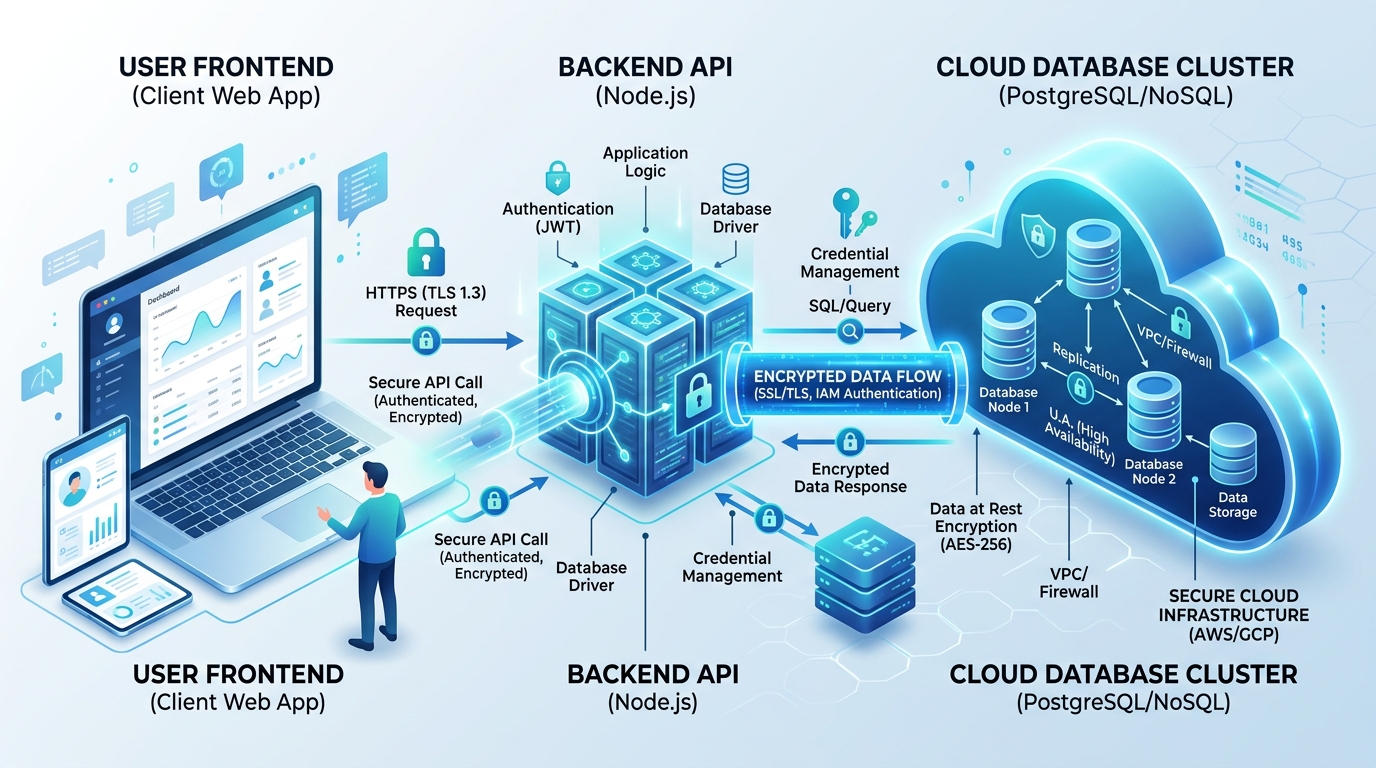
  • How to Implement Event-Driven Architecture With CloudEvents Specification

    How to Implement Event-Driven Architecture With CloudEvents Specification

    mplement Event-Driven Architecture With CloudEvents Specification

    Understanding mplement Event-Driven Architecture With CloudEvents Specification

    In the rapidly evolving landscape of modern cloud computing and application deployment, mplement event-driven architecture with cloudevents specification has emerged as a critical capability that development teams and organizations simply cannot afford to overlook. As businesses increasingly rely on digital infrastructure to deliver their products and services to users around the globe, the ability to effectively manage and optimize mplement event-driven architecture with cloudevents specification becomes a key differentiator for competitive advantage. Whether you are a solo developer working on a side project or part of a large engineering organization managing hundreds of microservices, understanding the nuances of mplement event-driven architecture with cloudevents specification is essential for building reliable, scalable, and performant systems that meet the demands of today’s users. The stakes have never been higher, with customer expectations for uptime, speed, and reliability reaching unprecedented levels across every industry vertical and market segment.

    The concept of mplement event-driven architecture with cloudevents specification encompasses a wide range of practices, tools, and methodologies that work together to ensure applications are deployed efficiently, run smoothly in production, and can be updated without disrupting the end-user experience. From automated testing pipelines that catch bugs before they reach production to sophisticated monitoring systems that provide real-time visibility into application health, every aspect of mplement event-driven architecture with cloudevents specification contributes to the overall stability and reliability of your deployment infrastructure. Organizations that invest in robust mplement event-driven architecture with cloudevents specification practices consistently report fewer production incidents, faster recovery times, and significantly higher developer productivity compared to those that rely on manual or ad-hoc deployment processes. The data is compelling: teams with mature deployment practices deploy code hundreds of times per day with confidence, while teams without these practices struggle to deploy even once per week without encountering incidents that degrade user experience.

    One of the most significant challenges that teams face when implementing mplement event-driven architecture with cloudevents specification is balancing the need for speed with the requirement for stability. In today’s fast-paced development environment, teams are expected to ship new features and bug fixes quickly, but any mistake in the deployment process can lead to costly outages and damaged user trust. This tension between velocity and reliability is at the heart of modern software engineering, and resolving it requires both the right mindset and the right tooling. Teams that attempt to solve this problem by adding more manual checks and approvals often find that they have simply traded one problem for another, replacing deployment risk with deployment bottlenecks that slow down the entire development organization.

    This is exactly where a purpose-built deployment platform like Deployxa can make a transformative difference. By providing intelligent automation, built-in guardrails, and comprehensive visibility into the deployment process, Deployxa enables teams to deploy rapidly without sacrificing reliability. The platform’s AI-powered analysis engine continuously monitors your deployments and provides actionable recommendations for improvement, helping you identify and address potential issues before they become incidents. With Deployxa, teams can focus on what they do best, writing great code, while the platform handles the complexity of getting that code into production safely and efficiently, every single time.

    Key Challenges in mplement Event-Driven Architecture With CloudEvents Specification

    When it comes to implementing mplement event-driven architecture with cloudevents specification effectively, development teams encounter a number of significant challenges that can impede progress and increase the risk of deployment failures. One of the most common obstacles is the sheer complexity of modern application architectures, which often involve multiple interconnected services, databases, caches, message queues, and third-party integrations that must all be coordinated during a deployment. A seemingly simple change to one service can have cascading effects on downstream dependencies, making it extremely difficult to predict the full impact of any given deployment without comprehensive testing and monitoring infrastructure in place. This complexity is further compounded by the distributed nature of modern systems, where services may be deployed across multiple regions, availability zones, and even different cloud providers.

    Another major challenge is the lack of visibility into the deployment pipeline itself. Many teams operate with limited observability, meaning they cannot easily track the progress of a deployment, identify where failures occur, or understand the root cause of issues that arise during the deployment process. This lack of transparency leads to longer debugging sessions, increased mean time to recovery, and a general sense of uncertainty among team members about the health and stability of their production environments. Without proper logging, distributed tracing, and real-time alerting systems, even minor issues can go unnoticed until they escalate into major incidents that affect thousands of end users.

    Security concerns also present a formidable challenge when implementing mplement event-driven architecture with cloudevents specification at scale. As applications are deployed more frequently and to more environments, the attack surface expands significantly, creating more opportunities for security vulnerabilities to be introduced into production. Teams must ensure that sensitive configuration data such as API keys, database credentials, and encryption keys are properly managed, rotated, and never exposed in code repositories or log files. Additionally, container images must be scanned for known vulnerabilities before being deployed, network policies must be configured to limit the blast radius of any potential breach, and comprehensive audit trails must be maintained to support compliance requirements.

    Cost management represents yet another significant challenge, particularly for organizations that are scaling their deployments across multiple environments and regions. Without proper cost visibility and controls, cloud infrastructure costs can spiral out of control, consuming an ever-larger portion of the engineering budget. Teams need tools that provide real-time cost tracking, automated rightsizing recommendations, and budget alerting to ensure they are getting the most value from their cloud spend without over-provisioning or under-utilizing their infrastructure resources.

    How Deployxa Solves These Challenges

    Deployxa addresses the core challenges of mplement event-driven architecture with cloudevents specification by providing an AI-native cloud deployment platform that is purpose-built for the needs of modern development teams. Unlike traditional deployment tools that require extensive configuration and specialized expertise, Deployxa offers an intuitive interface that abstracts away the underlying infrastructure complexity while still giving teams the control and flexibility they need. With Deployxa, you can deploy your applications directly from your Git repository with zero configuration, and the platform will automatically detect your framework, build your application, optimize resource allocation, and serve it over a secure HTTPS connection with a custom domain.

    The platform’s AI-powered capabilities go far beyond simple deployment automation. Deployxa continuously analyzes your application’s performance characteristics, resource utilization patterns, and user behavior to provide intelligent recommendations for optimization. This means that instead of manually tuning your infrastructure or guessing at the right resource allocation, Deployxa helps you make data-driven decisions that improve both performance and cost efficiency. The platform can identify underutilized resources, suggest scaling adjustments, predict capacity needs based on traffic patterns, and detect anomalies that might indicate performance degradation or security issues before they impact your users.

    Security is baked into every layer of the Deployxa platform. From automated SSL certificate management and built-in vulnerability scanning to comprehensive secret management and role-based access control, Deployxa ensures that your deployments meet the highest security standards without requiring additional tooling or manual processes. The platform’s audit logging capabilities provide the governance and compliance features that enterprise teams need, while its seamless integration with popular version control systems, CI/CD pipelines, and cloud providers means you can incorporate Deployxa into your existing workflow without disruption.

    Perhaps most importantly, Deployxa provides the observability and monitoring capabilities essential for maintaining confidence in your deployment process. The platform’s integrated dashboard gives you real-time visibility into the health, performance, and cost of every deployment, with customizable alerts that notify you of issues before they become incidents. Detailed deployment logs, build artifacts, and performance metrics are all accessible through a single unified interface. This comprehensive observability, combined with automated rollback capabilities, means you can deploy with the confidence that any issues will be detected quickly and resolved automatically.

    Best Practices for mplement Event-Driven Architecture With CloudEvents Specification

    To get the most out of your mplement event-driven architecture with cloudevents specification implementation, it is important to follow established best practices that have been proven to deliver reliable results. First and foremost, always automate as much of your deployment pipeline as possible. Manual deployment processes are inherently error-prone, difficult to reproduce consistently, and fundamentally unscalable. By automating every step from code checkout through building, testing, and deployment, you eliminate human error, reduce cycle times, and create a consistent and repeatable process. Tools like Deployxa excel in this area by providing end-to-end automation that requires minimal configuration while still offering the flexibility to customize every aspect of the pipeline to your specific needs.

    Another critical best practice is to implement comprehensive testing at every stage of the deployment pipeline. Each type of test serves a different purpose: unit tests verify individual components in isolation, integration tests verify that components work together correctly, end-to-end tests verify that the entire system behaves as expected from the user’s perspective, and smoke tests verify that the deployment itself was successful. Additionally, implement automated rollback mechanisms that can quickly revert a deployment if post-deployment tests detect any issues, ensuring that your users are never exposed to a broken version of your application.

    Finally, invest in observability and monitoring from day one. The ability to see what is happening in your production environment in real time is invaluable for maintaining reliability, diagnosing issues quickly, and making informed decisions. Implement structured logging, distributed tracing, and comprehensive metrics collection. Set up intelligent alerts that notify the right people at the right time, and establish clear runbooks that define the steps to take when specific alerts fire. Deployxa’s integrated monitoring dashboard provides much of this capability out of the box, giving you a significant head start on building a comprehensive observability strategy.

    Getting Started With mplement Event-Driven Architecture With CloudEvents Specification on Deployxa

    Getting started with mplement event-driven architecture with cloudevents specification on Deployxa is straightforward and can be accomplished in just a few minutes. Begin by creating an account at deployxa.kaziai.co.ke and connecting your Git repository. Deployxa will automatically detect your application framework and configure the build and deployment pipeline accordingly. From there, you can customize deployment settings, configure environment variables, set up custom domains with automatic SSL certificates, and enable monitoring and alerting. The platform’s comprehensive documentation and responsive support team are available to help you every step of the way.

    Once your first deployment is live, take advantage of Deployxa’s continuous deployment capabilities to set up automatic deployments whenever you push changes to your main branch. This ensures that your production environment always reflects the latest version of your code and eliminates the bottleneck of manual deployment steps. As your application grows and your team expands, Deployxa scales with you, providing the advanced features, enterprise-grade reliability, and AI-powered insights you need to support your most demanding mplement event-driven architecture with cloudevents specification workloads. Start your journey with Deployxa today and experience the difference that an AI-native deployment platform can make.

  • How to Build and Deploy an AI-Powered Voice Cloning for Audiobook Narration

    How to Build and Deploy an AI-Powered Voice Cloning for Audiobook Narration

    uild and Deploy an AI-Powered Voice Cloning for Audiobook Narration

    Understanding uild and Deploy an AI-Powered Voice Cloning for Audiobook Narration

    In the rapidly evolving landscape of modern cloud computing and application deployment, uild and deploy an ai-powered voice cloning for audiobook narration has emerged as a critical capability that development teams and organizations simply cannot afford to overlook. As businesses increasingly rely on digital infrastructure to deliver their products and services to users around the globe, the ability to effectively manage and optimize uild and deploy an ai-powered voice cloning for audiobook narration becomes a key differentiator for competitive advantage. Whether you are a solo developer working on a side project or part of a large engineering organization managing hundreds of microservices, understanding the nuances of uild and deploy an ai-powered voice cloning for audiobook narration is essential for building reliable, scalable, and performant systems that meet the demands of today’s users. The stakes have never been higher, with customer expectations for uptime, speed, and reliability reaching unprecedented levels across every industry vertical and market segment.

    The concept of uild and deploy an ai-powered voice cloning for audiobook narration encompasses a wide range of practices, tools, and methodologies that work together to ensure applications are deployed efficiently, run smoothly in production, and can be updated without disrupting the end-user experience. From automated testing pipelines that catch bugs before they reach production to sophisticated monitoring systems that provide real-time visibility into application health, every aspect of uild and deploy an ai-powered voice cloning for audiobook narration contributes to the overall stability and reliability of your deployment infrastructure. Organizations that invest in robust uild and deploy an ai-powered voice cloning for audiobook narration practices consistently report fewer production incidents, faster recovery times, and significantly higher developer productivity compared to those that rely on manual or ad-hoc deployment processes. The data is compelling: teams with mature deployment practices deploy code hundreds of times per day with confidence, while teams without these practices struggle to deploy even once per week without encountering incidents that degrade user experience.

    One of the most significant challenges that teams face when implementing uild and deploy an ai-powered voice cloning for audiobook narration is balancing the need for speed with the requirement for stability. In today’s fast-paced development environment, teams are expected to ship new features and bug fixes quickly, but any mistake in the deployment process can lead to costly outages and damaged user trust. This tension between velocity and reliability is at the heart of modern software engineering, and resolving it requires both the right mindset and the right tooling. Teams that attempt to solve this problem by adding more manual checks and approvals often find that they have simply traded one problem for another, replacing deployment risk with deployment bottlenecks that slow down the entire development organization.

    This is exactly where a purpose-built deployment platform like Deployxa can make a transformative difference. By providing intelligent automation, built-in guardrails, and comprehensive visibility into the deployment process, Deployxa enables teams to deploy rapidly without sacrificing reliability. The platform’s AI-powered analysis engine continuously monitors your deployments and provides actionable recommendations for improvement, helping you identify and address potential issues before they become incidents. With Deployxa, teams can focus on what they do best, writing great code, while the platform handles the complexity of getting that code into production safely and efficiently, every single time.

    Key Challenges in uild and Deploy an AI-Powered Voice Cloning for Audiobook Narration

    When it comes to implementing uild and deploy an ai-powered voice cloning for audiobook narration effectively, development teams encounter a number of significant challenges that can impede progress and increase the risk of deployment failures. One of the most common obstacles is the sheer complexity of modern application architectures, which often involve multiple interconnected services, databases, caches, message queues, and third-party integrations that must all be coordinated during a deployment. A seemingly simple change to one service can have cascading effects on downstream dependencies, making it extremely difficult to predict the full impact of any given deployment without comprehensive testing and monitoring infrastructure in place. This complexity is further compounded by the distributed nature of modern systems, where services may be deployed across multiple regions, availability zones, and even different cloud providers.

    Another major challenge is the lack of visibility into the deployment pipeline itself. Many teams operate with limited observability, meaning they cannot easily track the progress of a deployment, identify where failures occur, or understand the root cause of issues that arise during the deployment process. This lack of transparency leads to longer debugging sessions, increased mean time to recovery, and a general sense of uncertainty among team members about the health and stability of their production environments. Without proper logging, distributed tracing, and real-time alerting systems, even minor issues can go unnoticed until they escalate into major incidents that affect thousands of end users.

    Security concerns also present a formidable challenge when implementing uild and deploy an ai-powered voice cloning for audiobook narration at scale. As applications are deployed more frequently and to more environments, the attack surface expands significantly, creating more opportunities for security vulnerabilities to be introduced into production. Teams must ensure that sensitive configuration data such as API keys, database credentials, and encryption keys are properly managed, rotated, and never exposed in code repositories or log files. Additionally, container images must be scanned for known vulnerabilities before being deployed, network policies must be configured to limit the blast radius of any potential breach, and comprehensive audit trails must be maintained to support compliance requirements.

    Cost management represents yet another significant challenge, particularly for organizations that are scaling their deployments across multiple environments and regions. Without proper cost visibility and controls, cloud infrastructure costs can spiral out of control, consuming an ever-larger portion of the engineering budget. Teams need tools that provide real-time cost tracking, automated rightsizing recommendations, and budget alerting to ensure they are getting the most value from their cloud spend without over-provisioning or under-utilizing their infrastructure resources.

    How Deployxa Solves These Challenges

    Deployxa addresses the core challenges of uild and deploy an ai-powered voice cloning for audiobook narration by providing an AI-native cloud deployment platform that is purpose-built for the needs of modern development teams. Unlike traditional deployment tools that require extensive configuration and specialized expertise, Deployxa offers an intuitive interface that abstracts away the underlying infrastructure complexity while still giving teams the control and flexibility they need. With Deployxa, you can deploy your applications directly from your Git repository with zero configuration, and the platform will automatically detect your framework, build your application, optimize resource allocation, and serve it over a secure HTTPS connection with a custom domain.

    The platform’s AI-powered capabilities go far beyond simple deployment automation. Deployxa continuously analyzes your application’s performance characteristics, resource utilization patterns, and user behavior to provide intelligent recommendations for optimization. This means that instead of manually tuning your infrastructure or guessing at the right resource allocation, Deployxa helps you make data-driven decisions that improve both performance and cost efficiency. The platform can identify underutilized resources, suggest scaling adjustments, predict capacity needs based on traffic patterns, and detect anomalies that might indicate performance degradation or security issues before they impact your users.

    Security is baked into every layer of the Deployxa platform. From automated SSL certificate management and built-in vulnerability scanning to comprehensive secret management and role-based access control, Deployxa ensures that your deployments meet the highest security standards without requiring additional tooling or manual processes. The platform’s audit logging capabilities provide the governance and compliance features that enterprise teams need, while its seamless integration with popular version control systems, CI/CD pipelines, and cloud providers means you can incorporate Deployxa into your existing workflow without disruption.

    Perhaps most importantly, Deployxa provides the observability and monitoring capabilities essential for maintaining confidence in your deployment process. The platform’s integrated dashboard gives you real-time visibility into the health, performance, and cost of every deployment, with customizable alerts that notify you of issues before they become incidents. Detailed deployment logs, build artifacts, and performance metrics are all accessible through a single unified interface. This comprehensive observability, combined with automated rollback capabilities, means you can deploy with the confidence that any issues will be detected quickly and resolved automatically.

    Best Practices for uild and Deploy an AI-Powered Voice Cloning for Audiobook Narration

    To get the most out of your uild and deploy an ai-powered voice cloning for audiobook narration implementation, it is important to follow established best practices that have been proven to deliver reliable results. First and foremost, always automate as much of your deployment pipeline as possible. Manual deployment processes are inherently error-prone, difficult to reproduce consistently, and fundamentally unscalable. By automating every step from code checkout through building, testing, and deployment, you eliminate human error, reduce cycle times, and create a consistent and repeatable process. Tools like Deployxa excel in this area by providing end-to-end automation that requires minimal configuration while still offering the flexibility to customize every aspect of the pipeline to your specific needs.

    Another critical best practice is to implement comprehensive testing at every stage of the deployment pipeline. Each type of test serves a different purpose: unit tests verify individual components in isolation, integration tests verify that components work together correctly, end-to-end tests verify that the entire system behaves as expected from the user’s perspective, and smoke tests verify that the deployment itself was successful. Additionally, implement automated rollback mechanisms that can quickly revert a deployment if post-deployment tests detect any issues, ensuring that your users are never exposed to a broken version of your application.

    Finally, invest in observability and monitoring from day one. The ability to see what is happening in your production environment in real time is invaluable for maintaining reliability, diagnosing issues quickly, and making informed decisions. Implement structured logging, distributed tracing, and comprehensive metrics collection. Set up intelligent alerts that notify the right people at the right time, and establish clear runbooks that define the steps to take when specific alerts fire. Deployxa’s integrated monitoring dashboard provides much of this capability out of the box, giving you a significant head start on building a comprehensive observability strategy.

    Getting Started With uild and Deploy an AI-Powered Voice Cloning for Audiobook Narration on Deployxa

    Getting started with uild and deploy an ai-powered voice cloning for audiobook narration on Deployxa is straightforward and can be accomplished in just a few minutes. Begin by creating an account at deployxa.kaziai.co.ke and connecting your Git repository. Deployxa will automatically detect your application framework and configure the build and deployment pipeline accordingly. From there, you can customize deployment settings, configure environment variables, set up custom domains with automatic SSL certificates, and enable monitoring and alerting. The platform’s comprehensive documentation and responsive support team are available to help you every step of the way.

    Once your first deployment is live, take advantage of Deployxa’s continuous deployment capabilities to set up automatic deployments whenever you push changes to your main branch. This ensures that your production environment always reflects the latest version of your code and eliminates the bottleneck of manual deployment steps. As your application grows and your team expands, Deployxa scales with you, providing the advanced features, enterprise-grade reliability, and AI-powered insights you need to support your most demanding uild and deploy an ai-powered voice cloning for audiobook narration workloads. Start your journey with Deployxa today and experience the difference that an AI-native deployment platform can make.

  • How to Set Up Automated Kubernetes Ephemeral Container Debugging for Production

    How to Set Up Automated Kubernetes Ephemeral Container Debugging for Production

    et Up Automated Kubernetes Ephemeral Container Debugging for Production

    Understanding et Up Automated Kubernetes Ephemeral Container Debugging for Production

    In the rapidly evolving landscape of modern cloud computing and application deployment, et up automated kubernetes ephemeral container debugging for production has emerged as a critical capability that development teams and organizations simply cannot afford to overlook. As businesses increasingly rely on digital infrastructure to deliver their products and services to users around the globe, the ability to effectively manage and optimize et up automated kubernetes ephemeral container debugging for production becomes a key differentiator for competitive advantage. Whether you are a solo developer working on a side project or part of a large engineering organization managing hundreds of microservices, understanding the nuances of et up automated kubernetes ephemeral container debugging for production is essential for building reliable, scalable, and performant systems that meet the demands of today’s users. The stakes have never been higher, with customer expectations for uptime, speed, and reliability reaching unprecedented levels across every industry vertical and market segment.

    The concept of et up automated kubernetes ephemeral container debugging for production encompasses a wide range of practices, tools, and methodologies that work together to ensure applications are deployed efficiently, run smoothly in production, and can be updated without disrupting the end-user experience. From automated testing pipelines that catch bugs before they reach production to sophisticated monitoring systems that provide real-time visibility into application health, every aspect of et up automated kubernetes ephemeral container debugging for production contributes to the overall stability and reliability of your deployment infrastructure. Organizations that invest in robust et up automated kubernetes ephemeral container debugging for production practices consistently report fewer production incidents, faster recovery times, and significantly higher developer productivity compared to those that rely on manual or ad-hoc deployment processes. The data is compelling: teams with mature deployment practices deploy code hundreds of times per day with confidence, while teams without these practices struggle to deploy even once per week without encountering incidents that degrade user experience.

    One of the most significant challenges that teams face when implementing et up automated kubernetes ephemeral container debugging for production is balancing the need for speed with the requirement for stability. In today’s fast-paced development environment, teams are expected to ship new features and bug fixes quickly, but any mistake in the deployment process can lead to costly outages and damaged user trust. This tension between velocity and reliability is at the heart of modern software engineering, and resolving it requires both the right mindset and the right tooling. Teams that attempt to solve this problem by adding more manual checks and approvals often find that they have simply traded one problem for another, replacing deployment risk with deployment bottlenecks that slow down the entire development organization.

    This is exactly where a purpose-built deployment platform like Deployxa can make a transformative difference. By providing intelligent automation, built-in guardrails, and comprehensive visibility into the deployment process, Deployxa enables teams to deploy rapidly without sacrificing reliability. The platform’s AI-powered analysis engine continuously monitors your deployments and provides actionable recommendations for improvement, helping you identify and address potential issues before they become incidents. With Deployxa, teams can focus on what they do best, writing great code, while the platform handles the complexity of getting that code into production safely and efficiently, every single time.

    Key Challenges in et Up Automated Kubernetes Ephemeral Container Debugging for Production

    When it comes to implementing et up automated kubernetes ephemeral container debugging for production effectively, development teams encounter a number of significant challenges that can impede progress and increase the risk of deployment failures. One of the most common obstacles is the sheer complexity of modern application architectures, which often involve multiple interconnected services, databases, caches, message queues, and third-party integrations that must all be coordinated during a deployment. A seemingly simple change to one service can have cascading effects on downstream dependencies, making it extremely difficult to predict the full impact of any given deployment without comprehensive testing and monitoring infrastructure in place. This complexity is further compounded by the distributed nature of modern systems, where services may be deployed across multiple regions, availability zones, and even different cloud providers.

    Another major challenge is the lack of visibility into the deployment pipeline itself. Many teams operate with limited observability, meaning they cannot easily track the progress of a deployment, identify where failures occur, or understand the root cause of issues that arise during the deployment process. This lack of transparency leads to longer debugging sessions, increased mean time to recovery, and a general sense of uncertainty among team members about the health and stability of their production environments. Without proper logging, distributed tracing, and real-time alerting systems, even minor issues can go unnoticed until they escalate into major incidents that affect thousands of end users.

    Security concerns also present a formidable challenge when implementing et up automated kubernetes ephemeral container debugging for production at scale. As applications are deployed more frequently and to more environments, the attack surface expands significantly, creating more opportunities for security vulnerabilities to be introduced into production. Teams must ensure that sensitive configuration data such as API keys, database credentials, and encryption keys are properly managed, rotated, and never exposed in code repositories or log files. Additionally, container images must be scanned for known vulnerabilities before being deployed, network policies must be configured to limit the blast radius of any potential breach, and comprehensive audit trails must be maintained to support compliance requirements.

    Cost management represents yet another significant challenge, particularly for organizations that are scaling their deployments across multiple environments and regions. Without proper cost visibility and controls, cloud infrastructure costs can spiral out of control, consuming an ever-larger portion of the engineering budget. Teams need tools that provide real-time cost tracking, automated rightsizing recommendations, and budget alerting to ensure they are getting the most value from their cloud spend without over-provisioning or under-utilizing their infrastructure resources.

    How Deployxa Solves These Challenges

    Deployxa addresses the core challenges of et up automated kubernetes ephemeral container debugging for production by providing an AI-native cloud deployment platform that is purpose-built for the needs of modern development teams. Unlike traditional deployment tools that require extensive configuration and specialized expertise, Deployxa offers an intuitive interface that abstracts away the underlying infrastructure complexity while still giving teams the control and flexibility they need. With Deployxa, you can deploy your applications directly from your Git repository with zero configuration, and the platform will automatically detect your framework, build your application, optimize resource allocation, and serve it over a secure HTTPS connection with a custom domain.

    The platform’s AI-powered capabilities go far beyond simple deployment automation. Deployxa continuously analyzes your application’s performance characteristics, resource utilization patterns, and user behavior to provide intelligent recommendations for optimization. This means that instead of manually tuning your infrastructure or guessing at the right resource allocation, Deployxa helps you make data-driven decisions that improve both performance and cost efficiency. The platform can identify underutilized resources, suggest scaling adjustments, predict capacity needs based on traffic patterns, and detect anomalies that might indicate performance degradation or security issues before they impact your users.

    Security is baked into every layer of the Deployxa platform. From automated SSL certificate management and built-in vulnerability scanning to comprehensive secret management and role-based access control, Deployxa ensures that your deployments meet the highest security standards without requiring additional tooling or manual processes. The platform’s audit logging capabilities provide the governance and compliance features that enterprise teams need, while its seamless integration with popular version control systems, CI/CD pipelines, and cloud providers means you can incorporate Deployxa into your existing workflow without disruption.

    Perhaps most importantly, Deployxa provides the observability and monitoring capabilities essential for maintaining confidence in your deployment process. The platform’s integrated dashboard gives you real-time visibility into the health, performance, and cost of every deployment, with customizable alerts that notify you of issues before they become incidents. Detailed deployment logs, build artifacts, and performance metrics are all accessible through a single unified interface. This comprehensive observability, combined with automated rollback capabilities, means you can deploy with the confidence that any issues will be detected quickly and resolved automatically.

    Best Practices for et Up Automated Kubernetes Ephemeral Container Debugging for Production

    To get the most out of your et up automated kubernetes ephemeral container debugging for production implementation, it is important to follow established best practices that have been proven to deliver reliable results. First and foremost, always automate as much of your deployment pipeline as possible. Manual deployment processes are inherently error-prone, difficult to reproduce consistently, and fundamentally unscalable. By automating every step from code checkout through building, testing, and deployment, you eliminate human error, reduce cycle times, and create a consistent and repeatable process. Tools like Deployxa excel in this area by providing end-to-end automation that requires minimal configuration while still offering the flexibility to customize every aspect of the pipeline to your specific needs.

    Another critical best practice is to implement comprehensive testing at every stage of the deployment pipeline. Each type of test serves a different purpose: unit tests verify individual components in isolation, integration tests verify that components work together correctly, end-to-end tests verify that the entire system behaves as expected from the user’s perspective, and smoke tests verify that the deployment itself was successful. Additionally, implement automated rollback mechanisms that can quickly revert a deployment if post-deployment tests detect any issues, ensuring that your users are never exposed to a broken version of your application.

    Finally, invest in observability and monitoring from day one. The ability to see what is happening in your production environment in real time is invaluable for maintaining reliability, diagnosing issues quickly, and making informed decisions. Implement structured logging, distributed tracing, and comprehensive metrics collection. Set up intelligent alerts that notify the right people at the right time, and establish clear runbooks that define the steps to take when specific alerts fire. Deployxa’s integrated monitoring dashboard provides much of this capability out of the box, giving you a significant head start on building a comprehensive observability strategy.

    Getting Started With et Up Automated Kubernetes Ephemeral Container Debugging for Production on Deployxa

    Getting started with et up automated kubernetes ephemeral container debugging for production on Deployxa is straightforward and can be accomplished in just a few minutes. Begin by creating an account at deployxa.kaziai.co.ke and connecting your Git repository. Deployxa will automatically detect your application framework and configure the build and deployment pipeline accordingly. From there, you can customize deployment settings, configure environment variables, set up custom domains with automatic SSL certificates, and enable monitoring and alerting. The platform’s comprehensive documentation and responsive support team are available to help you every step of the way.

    Once your first deployment is live, take advantage of Deployxa’s continuous deployment capabilities to set up automatic deployments whenever you push changes to your main branch. This ensures that your production environment always reflects the latest version of your code and eliminates the bottleneck of manual deployment steps. As your application grows and your team expands, Deployxa scales with you, providing the advanced features, enterprise-grade reliability, and AI-powered insights you need to support your most demanding et up automated kubernetes ephemeral container debugging for production workloads. Start your journey with Deployxa today and experience the difference that an AI-native deployment platform can make.

  • How to Deploy a Driving School Booking and Behind-the-Wheel Lesson Scheduling App

    How to Deploy a Driving School Booking and Behind-the-Wheel Lesson Scheduling App

    eploy a Driving School Booking and Behind-the-Wheel Lesson Scheduling App

    Understanding eploy a Driving School Booking and Behind-the-Wheel Lesson Scheduling App

    In the rapidly evolving landscape of modern cloud computing and application deployment, eploy a driving school booking and behind-the-wheel lesson scheduling app has emerged as a critical capability that development teams and organizations simply cannot afford to overlook. As businesses increasingly rely on digital infrastructure to deliver their products and services to users around the globe, the ability to effectively manage and optimize eploy a driving school booking and behind-the-wheel lesson scheduling app becomes a key differentiator for competitive advantage. Whether you are a solo developer working on a side project or part of a large engineering organization managing hundreds of microservices, understanding the nuances of eploy a driving school booking and behind-the-wheel lesson scheduling app is essential for building reliable, scalable, and performant systems that meet the demands of today’s users. The stakes have never been higher, with customer expectations for uptime, speed, and reliability reaching unprecedented levels across every industry vertical and market segment.

    The concept of eploy a driving school booking and behind-the-wheel lesson scheduling app encompasses a wide range of practices, tools, and methodologies that work together to ensure applications are deployed efficiently, run smoothly in production, and can be updated without disrupting the end-user experience. From automated testing pipelines that catch bugs before they reach production to sophisticated monitoring systems that provide real-time visibility into application health, every aspect of eploy a driving school booking and behind-the-wheel lesson scheduling app contributes to the overall stability and reliability of your deployment infrastructure. Organizations that invest in robust eploy a driving school booking and behind-the-wheel lesson scheduling app practices consistently report fewer production incidents, faster recovery times, and significantly higher developer productivity compared to those that rely on manual or ad-hoc deployment processes. The data is compelling: teams with mature deployment practices deploy code hundreds of times per day with confidence, while teams without these practices struggle to deploy even once per week without encountering incidents that degrade user experience.

    One of the most significant challenges that teams face when implementing eploy a driving school booking and behind-the-wheel lesson scheduling app is balancing the need for speed with the requirement for stability. In today’s fast-paced development environment, teams are expected to ship new features and bug fixes quickly, but any mistake in the deployment process can lead to costly outages and damaged user trust. This tension between velocity and reliability is at the heart of modern software engineering, and resolving it requires both the right mindset and the right tooling. Teams that attempt to solve this problem by adding more manual checks and approvals often find that they have simply traded one problem for another, replacing deployment risk with deployment bottlenecks that slow down the entire development organization.

    This is exactly where a purpose-built deployment platform like Deployxa can make a transformative difference. By providing intelligent automation, built-in guardrails, and comprehensive visibility into the deployment process, Deployxa enables teams to deploy rapidly without sacrificing reliability. The platform’s AI-powered analysis engine continuously monitors your deployments and provides actionable recommendations for improvement, helping you identify and address potential issues before they become incidents. With Deployxa, teams can focus on what they do best, writing great code, while the platform handles the complexity of getting that code into production safely and efficiently, every single time.

    Key Challenges in eploy a Driving School Booking and Behind-the-Wheel Lesson Scheduling App

    When it comes to implementing eploy a driving school booking and behind-the-wheel lesson scheduling app effectively, development teams encounter a number of significant challenges that can impede progress and increase the risk of deployment failures. One of the most common obstacles is the sheer complexity of modern application architectures, which often involve multiple interconnected services, databases, caches, message queues, and third-party integrations that must all be coordinated during a deployment. A seemingly simple change to one service can have cascading effects on downstream dependencies, making it extremely difficult to predict the full impact of any given deployment without comprehensive testing and monitoring infrastructure in place. This complexity is further compounded by the distributed nature of modern systems, where services may be deployed across multiple regions, availability zones, and even different cloud providers.

    Another major challenge is the lack of visibility into the deployment pipeline itself. Many teams operate with limited observability, meaning they cannot easily track the progress of a deployment, identify where failures occur, or understand the root cause of issues that arise during the deployment process. This lack of transparency leads to longer debugging sessions, increased mean time to recovery, and a general sense of uncertainty among team members about the health and stability of their production environments. Without proper logging, distributed tracing, and real-time alerting systems, even minor issues can go unnoticed until they escalate into major incidents that affect thousands of end users.

    Security concerns also present a formidable challenge when implementing eploy a driving school booking and behind-the-wheel lesson scheduling app at scale. As applications are deployed more frequently and to more environments, the attack surface expands significantly, creating more opportunities for security vulnerabilities to be introduced into production. Teams must ensure that sensitive configuration data such as API keys, database credentials, and encryption keys are properly managed, rotated, and never exposed in code repositories or log files. Additionally, container images must be scanned for known vulnerabilities before being deployed, network policies must be configured to limit the blast radius of any potential breach, and comprehensive audit trails must be maintained to support compliance requirements.

    Cost management represents yet another significant challenge, particularly for organizations that are scaling their deployments across multiple environments and regions. Without proper cost visibility and controls, cloud infrastructure costs can spiral out of control, consuming an ever-larger portion of the engineering budget. Teams need tools that provide real-time cost tracking, automated rightsizing recommendations, and budget alerting to ensure they are getting the most value from their cloud spend without over-provisioning or under-utilizing their infrastructure resources.

    How Deployxa Solves These Challenges

    Deployxa addresses the core challenges of eploy a driving school booking and behind-the-wheel lesson scheduling app by providing an AI-native cloud deployment platform that is purpose-built for the needs of modern development teams. Unlike traditional deployment tools that require extensive configuration and specialized expertise, Deployxa offers an intuitive interface that abstracts away the underlying infrastructure complexity while still giving teams the control and flexibility they need. With Deployxa, you can deploy your applications directly from your Git repository with zero configuration, and the platform will automatically detect your framework, build your application, optimize resource allocation, and serve it over a secure HTTPS connection with a custom domain.

    The platform’s AI-powered capabilities go far beyond simple deployment automation. Deployxa continuously analyzes your application’s performance characteristics, resource utilization patterns, and user behavior to provide intelligent recommendations for optimization. This means that instead of manually tuning your infrastructure or guessing at the right resource allocation, Deployxa helps you make data-driven decisions that improve both performance and cost efficiency. The platform can identify underutilized resources, suggest scaling adjustments, predict capacity needs based on traffic patterns, and detect anomalies that might indicate performance degradation or security issues before they impact your users.

    Security is baked into every layer of the Deployxa platform. From automated SSL certificate management and built-in vulnerability scanning to comprehensive secret management and role-based access control, Deployxa ensures that your deployments meet the highest security standards without requiring additional tooling or manual processes. The platform’s audit logging capabilities provide the governance and compliance features that enterprise teams need, while its seamless integration with popular version control systems, CI/CD pipelines, and cloud providers means you can incorporate Deployxa into your existing workflow without disruption.

    Perhaps most importantly, Deployxa provides the observability and monitoring capabilities essential for maintaining confidence in your deployment process. The platform’s integrated dashboard gives you real-time visibility into the health, performance, and cost of every deployment, with customizable alerts that notify you of issues before they become incidents. Detailed deployment logs, build artifacts, and performance metrics are all accessible through a single unified interface. This comprehensive observability, combined with automated rollback capabilities, means you can deploy with the confidence that any issues will be detected quickly and resolved automatically.

    Best Practices for eploy a Driving School Booking and Behind-the-Wheel Lesson Scheduling App

    To get the most out of your eploy a driving school booking and behind-the-wheel lesson scheduling app implementation, it is important to follow established best practices that have been proven to deliver reliable results. First and foremost, always automate as much of your deployment pipeline as possible. Manual deployment processes are inherently error-prone, difficult to reproduce consistently, and fundamentally unscalable. By automating every step from code checkout through building, testing, and deployment, you eliminate human error, reduce cycle times, and create a consistent and repeatable process. Tools like Deployxa excel in this area by providing end-to-end automation that requires minimal configuration while still offering the flexibility to customize every aspect of the pipeline to your specific needs.

    Another critical best practice is to implement comprehensive testing at every stage of the deployment pipeline. Each type of test serves a different purpose: unit tests verify individual components in isolation, integration tests verify that components work together correctly, end-to-end tests verify that the entire system behaves as expected from the user’s perspective, and smoke tests verify that the deployment itself was successful. Additionally, implement automated rollback mechanisms that can quickly revert a deployment if post-deployment tests detect any issues, ensuring that your users are never exposed to a broken version of your application.

    Finally, invest in observability and monitoring from day one. The ability to see what is happening in your production environment in real time is invaluable for maintaining reliability, diagnosing issues quickly, and making informed decisions. Implement structured logging, distributed tracing, and comprehensive metrics collection. Set up intelligent alerts that notify the right people at the right time, and establish clear runbooks that define the steps to take when specific alerts fire. Deployxa’s integrated monitoring dashboard provides much of this capability out of the box, giving you a significant head start on building a comprehensive observability strategy.

    Getting Started With eploy a Driving School Booking and Behind-the-Wheel Lesson Scheduling App on Deployxa

    Getting started with eploy a driving school booking and behind-the-wheel lesson scheduling app on Deployxa is straightforward and can be accomplished in just a few minutes. Begin by creating an account at deployxa.kaziai.co.ke and connecting your Git repository. Deployxa will automatically detect your application framework and configure the build and deployment pipeline accordingly. From there, you can customize deployment settings, configure environment variables, set up custom domains with automatic SSL certificates, and enable monitoring and alerting. The platform’s comprehensive documentation and responsive support team are available to help you every step of the way.

    Once your first deployment is live, take advantage of Deployxa’s continuous deployment capabilities to set up automatic deployments whenever you push changes to your main branch. This ensures that your production environment always reflects the latest version of your code and eliminates the bottleneck of manual deployment steps. As your application grows and your team expands, Deployxa scales with you, providing the advanced features, enterprise-grade reliability, and AI-powered insights you need to support your most demanding eploy a driving school booking and behind-the-wheel lesson scheduling app workloads. Start your journey with Deployxa today and experience the difference that an AI-native deployment platform can make.
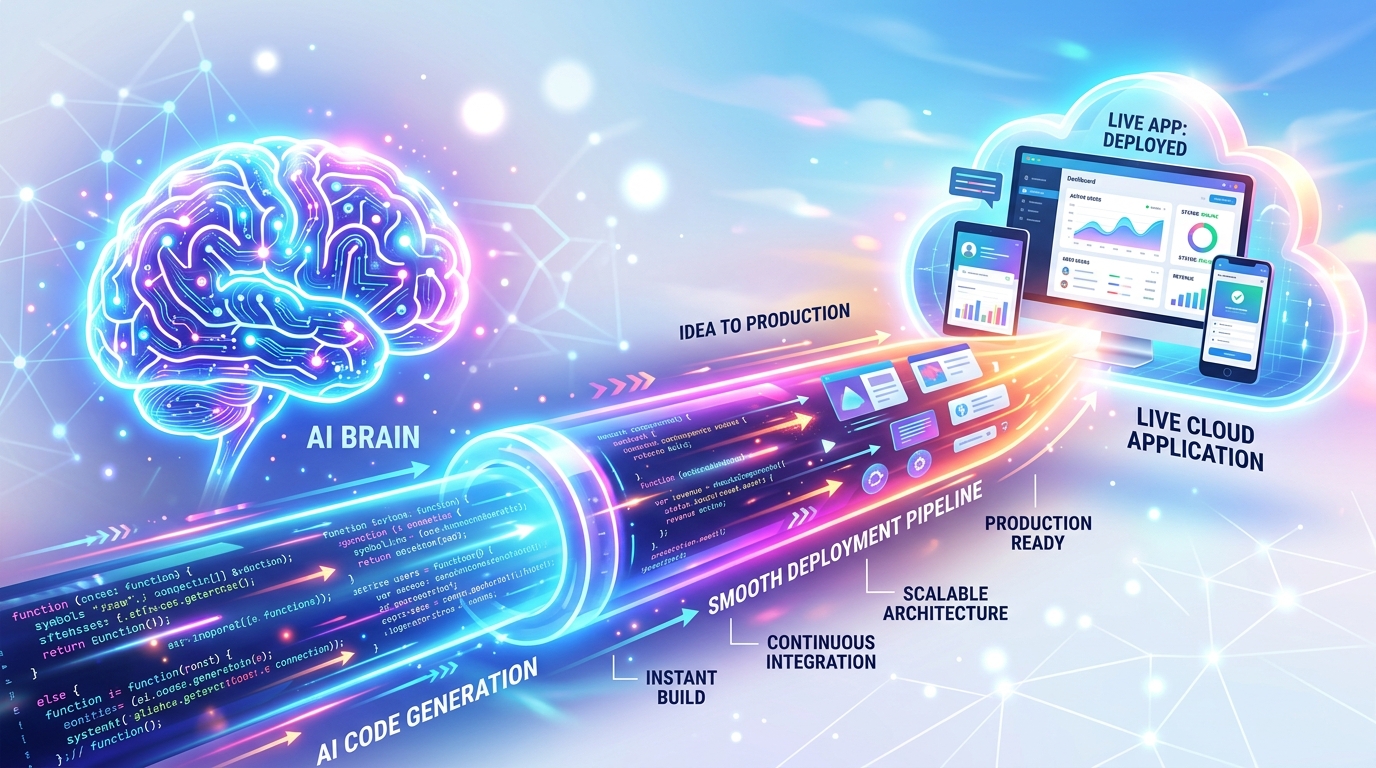
  • How to Implement Database Bulk Data Import and High-Speed Loading Strategies

    How to Implement Database Bulk Data Import and High-Speed Loading Strategies

    mplement Database Bulk Data Import and High-Speed Loading Strategies

    Understanding mplement Database Bulk Data Import and High-Speed Loading Strategies

    In the rapidly evolving landscape of modern cloud computing and application deployment, mplement database bulk data import and high-speed loading strategies has emerged as a critical capability that development teams and organizations simply cannot afford to overlook. As businesses increasingly rely on digital infrastructure to deliver their products and services to users around the globe, the ability to effectively manage and optimize mplement database bulk data import and high-speed loading strategies becomes a key differentiator for competitive advantage. Whether you are a solo developer working on a side project or part of a large engineering organization managing hundreds of microservices, understanding the nuances of mplement database bulk data import and high-speed loading strategies is essential for building reliable, scalable, and performant systems that meet the demands of today’s users. The stakes have never been higher, with customer expectations for uptime, speed, and reliability reaching unprecedented levels across every industry vertical and market segment.

    The concept of mplement database bulk data import and high-speed loading strategies encompasses a wide range of practices, tools, and methodologies that work together to ensure applications are deployed efficiently, run smoothly in production, and can be updated without disrupting the end-user experience. From automated testing pipelines that catch bugs before they reach production to sophisticated monitoring systems that provide real-time visibility into application health, every aspect of mplement database bulk data import and high-speed loading strategies contributes to the overall stability and reliability of your deployment infrastructure. Organizations that invest in robust mplement database bulk data import and high-speed loading strategies practices consistently report fewer production incidents, faster recovery times, and significantly higher developer productivity compared to those that rely on manual or ad-hoc deployment processes. The data is compelling: teams with mature deployment practices deploy code hundreds of times per day with confidence, while teams without these practices struggle to deploy even once per week without encountering incidents that degrade user experience.

    One of the most significant challenges that teams face when implementing mplement database bulk data import and high-speed loading strategies is balancing the need for speed with the requirement for stability. In today’s fast-paced development environment, teams are expected to ship new features and bug fixes quickly, but any mistake in the deployment process can lead to costly outages and damaged user trust. This tension between velocity and reliability is at the heart of modern software engineering, and resolving it requires both the right mindset and the right tooling. Teams that attempt to solve this problem by adding more manual checks and approvals often find that they have simply traded one problem for another, replacing deployment risk with deployment bottlenecks that slow down the entire development organization.

    This is exactly where a purpose-built deployment platform like Deployxa can make a transformative difference. By providing intelligent automation, built-in guardrails, and comprehensive visibility into the deployment process, Deployxa enables teams to deploy rapidly without sacrificing reliability. The platform’s AI-powered analysis engine continuously monitors your deployments and provides actionable recommendations for improvement, helping you identify and address potential issues before they become incidents. With Deployxa, teams can focus on what they do best, writing great code, while the platform handles the complexity of getting that code into production safely and efficiently, every single time.

    Key Challenges in mplement Database Bulk Data Import and High-Speed Loading Strategies

    When it comes to implementing mplement database bulk data import and high-speed loading strategies effectively, development teams encounter a number of significant challenges that can impede progress and increase the risk of deployment failures. One of the most common obstacles is the sheer complexity of modern application architectures, which often involve multiple interconnected services, databases, caches, message queues, and third-party integrations that must all be coordinated during a deployment. A seemingly simple change to one service can have cascading effects on downstream dependencies, making it extremely difficult to predict the full impact of any given deployment without comprehensive testing and monitoring infrastructure in place. This complexity is further compounded by the distributed nature of modern systems, where services may be deployed across multiple regions, availability zones, and even different cloud providers.

    Another major challenge is the lack of visibility into the deployment pipeline itself. Many teams operate with limited observability, meaning they cannot easily track the progress of a deployment, identify where failures occur, or understand the root cause of issues that arise during the deployment process. This lack of transparency leads to longer debugging sessions, increased mean time to recovery, and a general sense of uncertainty among team members about the health and stability of their production environments. Without proper logging, distributed tracing, and real-time alerting systems, even minor issues can go unnoticed until they escalate into major incidents that affect thousands of end users.

    Security concerns also present a formidable challenge when implementing mplement database bulk data import and high-speed loading strategies at scale. As applications are deployed more frequently and to more environments, the attack surface expands significantly, creating more opportunities for security vulnerabilities to be introduced into production. Teams must ensure that sensitive configuration data such as API keys, database credentials, and encryption keys are properly managed, rotated, and never exposed in code repositories or log files. Additionally, container images must be scanned for known vulnerabilities before being deployed, network policies must be configured to limit the blast radius of any potential breach, and comprehensive audit trails must be maintained to support compliance requirements.

    Cost management represents yet another significant challenge, particularly for organizations that are scaling their deployments across multiple environments and regions. Without proper cost visibility and controls, cloud infrastructure costs can spiral out of control, consuming an ever-larger portion of the engineering budget. Teams need tools that provide real-time cost tracking, automated rightsizing recommendations, and budget alerting to ensure they are getting the most value from their cloud spend without over-provisioning or under-utilizing their infrastructure resources.

    How Deployxa Solves These Challenges

    Deployxa addresses the core challenges of mplement database bulk data import and high-speed loading strategies by providing an AI-native cloud deployment platform that is purpose-built for the needs of modern development teams. Unlike traditional deployment tools that require extensive configuration and specialized expertise, Deployxa offers an intuitive interface that abstracts away the underlying infrastructure complexity while still giving teams the control and flexibility they need. With Deployxa, you can deploy your applications directly from your Git repository with zero configuration, and the platform will automatically detect your framework, build your application, optimize resource allocation, and serve it over a secure HTTPS connection with a custom domain.

    The platform’s AI-powered capabilities go far beyond simple deployment automation. Deployxa continuously analyzes your application’s performance characteristics, resource utilization patterns, and user behavior to provide intelligent recommendations for optimization. This means that instead of manually tuning your infrastructure or guessing at the right resource allocation, Deployxa helps you make data-driven decisions that improve both performance and cost efficiency. The platform can identify underutilized resources, suggest scaling adjustments, predict capacity needs based on traffic patterns, and detect anomalies that might indicate performance degradation or security issues before they impact your users.

    Security is baked into every layer of the Deployxa platform. From automated SSL certificate management and built-in vulnerability scanning to comprehensive secret management and role-based access control, Deployxa ensures that your deployments meet the highest security standards without requiring additional tooling or manual processes. The platform’s audit logging capabilities provide the governance and compliance features that enterprise teams need, while its seamless integration with popular version control systems, CI/CD pipelines, and cloud providers means you can incorporate Deployxa into your existing workflow without disruption.

    Perhaps most importantly, Deployxa provides the observability and monitoring capabilities essential for maintaining confidence in your deployment process. The platform’s integrated dashboard gives you real-time visibility into the health, performance, and cost of every deployment, with customizable alerts that notify you of issues before they become incidents. Detailed deployment logs, build artifacts, and performance metrics are all accessible through a single unified interface. This comprehensive observability, combined with automated rollback capabilities, means you can deploy with the confidence that any issues will be detected quickly and resolved automatically.

    Best Practices for mplement Database Bulk Data Import and High-Speed Loading Strategies

    To get the most out of your mplement database bulk data import and high-speed loading strategies implementation, it is important to follow established best practices that have been proven to deliver reliable results. First and foremost, always automate as much of your deployment pipeline as possible. Manual deployment processes are inherently error-prone, difficult to reproduce consistently, and fundamentally unscalable. By automating every step from code checkout through building, testing, and deployment, you eliminate human error, reduce cycle times, and create a consistent and repeatable process. Tools like Deployxa excel in this area by providing end-to-end automation that requires minimal configuration while still offering the flexibility to customize every aspect of the pipeline to your specific needs.

    Another critical best practice is to implement comprehensive testing at every stage of the deployment pipeline. Each type of test serves a different purpose: unit tests verify individual components in isolation, integration tests verify that components work together correctly, end-to-end tests verify that the entire system behaves as expected from the user’s perspective, and smoke tests verify that the deployment itself was successful. Additionally, implement automated rollback mechanisms that can quickly revert a deployment if post-deployment tests detect any issues, ensuring that your users are never exposed to a broken version of your application.

    Finally, invest in observability and monitoring from day one. The ability to see what is happening in your production environment in real time is invaluable for maintaining reliability, diagnosing issues quickly, and making informed decisions. Implement structured logging, distributed tracing, and comprehensive metrics collection. Set up intelligent alerts that notify the right people at the right time, and establish clear runbooks that define the steps to take when specific alerts fire. Deployxa’s integrated monitoring dashboard provides much of this capability out of the box, giving you a significant head start on building a comprehensive observability strategy.

    Getting Started With mplement Database Bulk Data Import and High-Speed Loading Strategies on Deployxa

    Getting started with mplement database bulk data import and high-speed loading strategies on Deployxa is straightforward and can be accomplished in just a few minutes. Begin by creating an account at deployxa.kaziai.co.ke and connecting your Git repository. Deployxa will automatically detect your application framework and configure the build and deployment pipeline accordingly. From there, you can customize deployment settings, configure environment variables, set up custom domains with automatic SSL certificates, and enable monitoring and alerting. The platform’s comprehensive documentation and responsive support team are available to help you every step of the way.

    Once your first deployment is live, take advantage of Deployxa’s continuous deployment capabilities to set up automatic deployments whenever you push changes to your main branch. This ensures that your production environment always reflects the latest version of your code and eliminates the bottleneck of manual deployment steps. As your application grows and your team expands, Deployxa scales with you, providing the advanced features, enterprise-grade reliability, and AI-powered insights you need to support your most demanding mplement database bulk data import and high-speed loading strategies workloads. Start your journey with Deployxa today and experience the difference that an AI-native deployment platform can make.

  • How to Build and Deploy an AI-Powered Brand Logo and Identity Design Generator

    How to Build and Deploy an AI-Powered Brand Logo and Identity Design Generator

    uild and Deploy an AI-Powered Brand Logo and Identity Design Generator

    Understanding uild and Deploy an AI-Powered Brand Logo and Identity Design Generator

    In the rapidly evolving landscape of modern cloud computing and application deployment, uild and deploy an ai-powered brand logo and identity design generator has emerged as a critical capability that development teams and organizations simply cannot afford to overlook. As businesses increasingly rely on digital infrastructure to deliver their products and services to users around the globe, the ability to effectively manage and optimize uild and deploy an ai-powered brand logo and identity design generator becomes a key differentiator for competitive advantage. Whether you are a solo developer working on a side project or part of a large engineering organization managing hundreds of microservices, understanding the nuances of uild and deploy an ai-powered brand logo and identity design generator is essential for building reliable, scalable, and performant systems that meet the demands of today’s users. The stakes have never been higher, with customer expectations for uptime, speed, and reliability reaching unprecedented levels across every industry vertical and market segment.

    The concept of uild and deploy an ai-powered brand logo and identity design generator encompasses a wide range of practices, tools, and methodologies that work together to ensure applications are deployed efficiently, run smoothly in production, and can be updated without disrupting the end-user experience. From automated testing pipelines that catch bugs before they reach production to sophisticated monitoring systems that provide real-time visibility into application health, every aspect of uild and deploy an ai-powered brand logo and identity design generator contributes to the overall stability and reliability of your deployment infrastructure. Organizations that invest in robust uild and deploy an ai-powered brand logo and identity design generator practices consistently report fewer production incidents, faster recovery times, and significantly higher developer productivity compared to those that rely on manual or ad-hoc deployment processes. The data is compelling: teams with mature deployment practices deploy code hundreds of times per day with confidence, while teams without these practices struggle to deploy even once per week without encountering incidents that degrade user experience.

    One of the most significant challenges that teams face when implementing uild and deploy an ai-powered brand logo and identity design generator is balancing the need for speed with the requirement for stability. In today’s fast-paced development environment, teams are expected to ship new features and bug fixes quickly, but any mistake in the deployment process can lead to costly outages and damaged user trust. This tension between velocity and reliability is at the heart of modern software engineering, and resolving it requires both the right mindset and the right tooling. Teams that attempt to solve this problem by adding more manual checks and approvals often find that they have simply traded one problem for another, replacing deployment risk with deployment bottlenecks that slow down the entire development organization.

    This is exactly where a purpose-built deployment platform like Deployxa can make a transformative difference. By providing intelligent automation, built-in guardrails, and comprehensive visibility into the deployment process, Deployxa enables teams to deploy rapidly without sacrificing reliability. The platform’s AI-powered analysis engine continuously monitors your deployments and provides actionable recommendations for improvement, helping you identify and address potential issues before they become incidents. With Deployxa, teams can focus on what they do best, writing great code, while the platform handles the complexity of getting that code into production safely and efficiently, every single time.

    Key Challenges in uild and Deploy an AI-Powered Brand Logo and Identity Design Generator

    When it comes to implementing uild and deploy an ai-powered brand logo and identity design generator effectively, development teams encounter a number of significant challenges that can impede progress and increase the risk of deployment failures. One of the most common obstacles is the sheer complexity of modern application architectures, which often involve multiple interconnected services, databases, caches, message queues, and third-party integrations that must all be coordinated during a deployment. A seemingly simple change to one service can have cascading effects on downstream dependencies, making it extremely difficult to predict the full impact of any given deployment without comprehensive testing and monitoring infrastructure in place. This complexity is further compounded by the distributed nature of modern systems, where services may be deployed across multiple regions, availability zones, and even different cloud providers.

    Another major challenge is the lack of visibility into the deployment pipeline itself. Many teams operate with limited observability, meaning they cannot easily track the progress of a deployment, identify where failures occur, or understand the root cause of issues that arise during the deployment process. This lack of transparency leads to longer debugging sessions, increased mean time to recovery, and a general sense of uncertainty among team members about the health and stability of their production environments. Without proper logging, distributed tracing, and real-time alerting systems, even minor issues can go unnoticed until they escalate into major incidents that affect thousands of end users.

    Security concerns also present a formidable challenge when implementing uild and deploy an ai-powered brand logo and identity design generator at scale. As applications are deployed more frequently and to more environments, the attack surface expands significantly, creating more opportunities for security vulnerabilities to be introduced into production. Teams must ensure that sensitive configuration data such as API keys, database credentials, and encryption keys are properly managed, rotated, and never exposed in code repositories or log files. Additionally, container images must be scanned for known vulnerabilities before being deployed, network policies must be configured to limit the blast radius of any potential breach, and comprehensive audit trails must be maintained to support compliance requirements.

    Cost management represents yet another significant challenge, particularly for organizations that are scaling their deployments across multiple environments and regions. Without proper cost visibility and controls, cloud infrastructure costs can spiral out of control, consuming an ever-larger portion of the engineering budget. Teams need tools that provide real-time cost tracking, automated rightsizing recommendations, and budget alerting to ensure they are getting the most value from their cloud spend without over-provisioning or under-utilizing their infrastructure resources.

    How Deployxa Solves These Challenges

    Deployxa addresses the core challenges of uild and deploy an ai-powered brand logo and identity design generator by providing an AI-native cloud deployment platform that is purpose-built for the needs of modern development teams. Unlike traditional deployment tools that require extensive configuration and specialized expertise, Deployxa offers an intuitive interface that abstracts away the underlying infrastructure complexity while still giving teams the control and flexibility they need. With Deployxa, you can deploy your applications directly from your Git repository with zero configuration, and the platform will automatically detect your framework, build your application, optimize resource allocation, and serve it over a secure HTTPS connection with a custom domain.

    The platform’s AI-powered capabilities go far beyond simple deployment automation. Deployxa continuously analyzes your application’s performance characteristics, resource utilization patterns, and user behavior to provide intelligent recommendations for optimization. This means that instead of manually tuning your infrastructure or guessing at the right resource allocation, Deployxa helps you make data-driven decisions that improve both performance and cost efficiency. The platform can identify underutilized resources, suggest scaling adjustments, predict capacity needs based on traffic patterns, and detect anomalies that might indicate performance degradation or security issues before they impact your users.

    Security is baked into every layer of the Deployxa platform. From automated SSL certificate management and built-in vulnerability scanning to comprehensive secret management and role-based access control, Deployxa ensures that your deployments meet the highest security standards without requiring additional tooling or manual processes. The platform’s audit logging capabilities provide the governance and compliance features that enterprise teams need, while its seamless integration with popular version control systems, CI/CD pipelines, and cloud providers means you can incorporate Deployxa into your existing workflow without disruption.

    Perhaps most importantly, Deployxa provides the observability and monitoring capabilities essential for maintaining confidence in your deployment process. The platform’s integrated dashboard gives you real-time visibility into the health, performance, and cost of every deployment, with customizable alerts that notify you of issues before they become incidents. Detailed deployment logs, build artifacts, and performance metrics are all accessible through a single unified interface. This comprehensive observability, combined with automated rollback capabilities, means you can deploy with the confidence that any issues will be detected quickly and resolved automatically.

    Best Practices for uild and Deploy an AI-Powered Brand Logo and Identity Design Generator

    To get the most out of your uild and deploy an ai-powered brand logo and identity design generator implementation, it is important to follow established best practices that have been proven to deliver reliable results. First and foremost, always automate as much of your deployment pipeline as possible. Manual deployment processes are inherently error-prone, difficult to reproduce consistently, and fundamentally unscalable. By automating every step from code checkout through building, testing, and deployment, you eliminate human error, reduce cycle times, and create a consistent and repeatable process. Tools like Deployxa excel in this area by providing end-to-end automation that requires minimal configuration while still offering the flexibility to customize every aspect of the pipeline to your specific needs.

    Another critical best practice is to implement comprehensive testing at every stage of the deployment pipeline. Each type of test serves a different purpose: unit tests verify individual components in isolation, integration tests verify that components work together correctly, end-to-end tests verify that the entire system behaves as expected from the user’s perspective, and smoke tests verify that the deployment itself was successful. Additionally, implement automated rollback mechanisms that can quickly revert a deployment if post-deployment tests detect any issues, ensuring that your users are never exposed to a broken version of your application.

    Finally, invest in observability and monitoring from day one. The ability to see what is happening in your production environment in real time is invaluable for maintaining reliability, diagnosing issues quickly, and making informed decisions. Implement structured logging, distributed tracing, and comprehensive metrics collection. Set up intelligent alerts that notify the right people at the right time, and establish clear runbooks that define the steps to take when specific alerts fire. Deployxa’s integrated monitoring dashboard provides much of this capability out of the box, giving you a significant head start on building a comprehensive observability strategy.

    Getting Started With uild and Deploy an AI-Powered Brand Logo and Identity Design Generator on Deployxa

    Getting started with uild and deploy an ai-powered brand logo and identity design generator on Deployxa is straightforward and can be accomplished in just a few minutes. Begin by creating an account at deployxa.kaziai.co.ke and connecting your Git repository. Deployxa will automatically detect your application framework and configure the build and deployment pipeline accordingly. From there, you can customize deployment settings, configure environment variables, set up custom domains with automatic SSL certificates, and enable monitoring and alerting. The platform’s comprehensive documentation and responsive support team are available to help you every step of the way.

    Once your first deployment is live, take advantage of Deployxa’s continuous deployment capabilities to set up automatic deployments whenever you push changes to your main branch. This ensures that your production environment always reflects the latest version of your code and eliminates the bottleneck of manual deployment steps. As your application grows and your team expands, Deployxa scales with you, providing the advanced features, enterprise-grade reliability, and AI-powered insights you need to support your most demanding uild and deploy an ai-powered brand logo and identity design generator workloads. Start your journey with Deployxa today and experience the difference that an AI-native deployment platform can make.

  • How to Set Up Automated Server Hardening Benchmarks With CIS and STIG Profiles

    How to Set Up Automated Server Hardening Benchmarks With CIS and STIG Profiles

    et Up Automated Server Hardening Benchmarks With CIS and STIG Profiles

    Understanding et Up Automated Server Hardening Benchmarks With CIS and STIG Profiles

    In the rapidly evolving landscape of modern cloud computing and application deployment, et up automated server hardening benchmarks with cis and stig profiles has emerged as a critical capability that development teams and organizations simply cannot afford to overlook. As businesses increasingly rely on digital infrastructure to deliver their products and services to users around the globe, the ability to effectively manage and optimize et up automated server hardening benchmarks with cis and stig profiles becomes a key differentiator for competitive advantage. Whether you are a solo developer working on a side project or part of a large engineering organization managing hundreds of microservices, understanding the nuances of et up automated server hardening benchmarks with cis and stig profiles is essential for building reliable, scalable, and performant systems that meet the demands of today’s users. The stakes have never been higher, with customer expectations for uptime, speed, and reliability reaching unprecedented levels across every industry vertical and market segment.

    The concept of et up automated server hardening benchmarks with cis and stig profiles encompasses a wide range of practices, tools, and methodologies that work together to ensure applications are deployed efficiently, run smoothly in production, and can be updated without disrupting the end-user experience. From automated testing pipelines that catch bugs before they reach production to sophisticated monitoring systems that provide real-time visibility into application health, every aspect of et up automated server hardening benchmarks with cis and stig profiles contributes to the overall stability and reliability of your deployment infrastructure. Organizations that invest in robust et up automated server hardening benchmarks with cis and stig profiles practices consistently report fewer production incidents, faster recovery times, and significantly higher developer productivity compared to those that rely on manual or ad-hoc deployment processes. The data is compelling: teams with mature deployment practices deploy code hundreds of times per day with confidence, while teams without these practices struggle to deploy even once per week without encountering incidents that degrade user experience.

    One of the most significant challenges that teams face when implementing et up automated server hardening benchmarks with cis and stig profiles is balancing the need for speed with the requirement for stability. In today’s fast-paced development environment, teams are expected to ship new features and bug fixes quickly, but any mistake in the deployment process can lead to costly outages and damaged user trust. This tension between velocity and reliability is at the heart of modern software engineering, and resolving it requires both the right mindset and the right tooling. Teams that attempt to solve this problem by adding more manual checks and approvals often find that they have simply traded one problem for another, replacing deployment risk with deployment bottlenecks that slow down the entire development organization.

    This is exactly where a purpose-built deployment platform like Deployxa can make a transformative difference. By providing intelligent automation, built-in guardrails, and comprehensive visibility into the deployment process, Deployxa enables teams to deploy rapidly without sacrificing reliability. The platform’s AI-powered analysis engine continuously monitors your deployments and provides actionable recommendations for improvement, helping you identify and address potential issues before they become incidents. With Deployxa, teams can focus on what they do best, writing great code, while the platform handles the complexity of getting that code into production safely and efficiently, every single time.

    Key Challenges in et Up Automated Server Hardening Benchmarks With CIS and STIG Profiles

    When it comes to implementing et up automated server hardening benchmarks with cis and stig profiles effectively, development teams encounter a number of significant challenges that can impede progress and increase the risk of deployment failures. One of the most common obstacles is the sheer complexity of modern application architectures, which often involve multiple interconnected services, databases, caches, message queues, and third-party integrations that must all be coordinated during a deployment. A seemingly simple change to one service can have cascading effects on downstream dependencies, making it extremely difficult to predict the full impact of any given deployment without comprehensive testing and monitoring infrastructure in place. This complexity is further compounded by the distributed nature of modern systems, where services may be deployed across multiple regions, availability zones, and even different cloud providers.

    Another major challenge is the lack of visibility into the deployment pipeline itself. Many teams operate with limited observability, meaning they cannot easily track the progress of a deployment, identify where failures occur, or understand the root cause of issues that arise during the deployment process. This lack of transparency leads to longer debugging sessions, increased mean time to recovery, and a general sense of uncertainty among team members about the health and stability of their production environments. Without proper logging, distributed tracing, and real-time alerting systems, even minor issues can go unnoticed until they escalate into major incidents that affect thousands of end users.

    Security concerns also present a formidable challenge when implementing et up automated server hardening benchmarks with cis and stig profiles at scale. As applications are deployed more frequently and to more environments, the attack surface expands significantly, creating more opportunities for security vulnerabilities to be introduced into production. Teams must ensure that sensitive configuration data such as API keys, database credentials, and encryption keys are properly managed, rotated, and never exposed in code repositories or log files. Additionally, container images must be scanned for known vulnerabilities before being deployed, network policies must be configured to limit the blast radius of any potential breach, and comprehensive audit trails must be maintained to support compliance requirements.

    Cost management represents yet another significant challenge, particularly for organizations that are scaling their deployments across multiple environments and regions. Without proper cost visibility and controls, cloud infrastructure costs can spiral out of control, consuming an ever-larger portion of the engineering budget. Teams need tools that provide real-time cost tracking, automated rightsizing recommendations, and budget alerting to ensure they are getting the most value from their cloud spend without over-provisioning or under-utilizing their infrastructure resources.

    How Deployxa Solves These Challenges

    Deployxa addresses the core challenges of et up automated server hardening benchmarks with cis and stig profiles by providing an AI-native cloud deployment platform that is purpose-built for the needs of modern development teams. Unlike traditional deployment tools that require extensive configuration and specialized expertise, Deployxa offers an intuitive interface that abstracts away the underlying infrastructure complexity while still giving teams the control and flexibility they need. With Deployxa, you can deploy your applications directly from your Git repository with zero configuration, and the platform will automatically detect your framework, build your application, optimize resource allocation, and serve it over a secure HTTPS connection with a custom domain.

    The platform’s AI-powered capabilities go far beyond simple deployment automation. Deployxa continuously analyzes your application’s performance characteristics, resource utilization patterns, and user behavior to provide intelligent recommendations for optimization. This means that instead of manually tuning your infrastructure or guessing at the right resource allocation, Deployxa helps you make data-driven decisions that improve both performance and cost efficiency. The platform can identify underutilized resources, suggest scaling adjustments, predict capacity needs based on traffic patterns, and detect anomalies that might indicate performance degradation or security issues before they impact your users.

    Security is baked into every layer of the Deployxa platform. From automated SSL certificate management and built-in vulnerability scanning to comprehensive secret management and role-based access control, Deployxa ensures that your deployments meet the highest security standards without requiring additional tooling or manual processes. The platform’s audit logging capabilities provide the governance and compliance features that enterprise teams need, while its seamless integration with popular version control systems, CI/CD pipelines, and cloud providers means you can incorporate Deployxa into your existing workflow without disruption.

    Perhaps most importantly, Deployxa provides the observability and monitoring capabilities essential for maintaining confidence in your deployment process. The platform’s integrated dashboard gives you real-time visibility into the health, performance, and cost of every deployment, with customizable alerts that notify you of issues before they become incidents. Detailed deployment logs, build artifacts, and performance metrics are all accessible through a single unified interface. This comprehensive observability, combined with automated rollback capabilities, means you can deploy with the confidence that any issues will be detected quickly and resolved automatically.

    Best Practices for et Up Automated Server Hardening Benchmarks With CIS and STIG Profiles

    To get the most out of your et up automated server hardening benchmarks with cis and stig profiles implementation, it is important to follow established best practices that have been proven to deliver reliable results. First and foremost, always automate as much of your deployment pipeline as possible. Manual deployment processes are inherently error-prone, difficult to reproduce consistently, and fundamentally unscalable. By automating every step from code checkout through building, testing, and deployment, you eliminate human error, reduce cycle times, and create a consistent and repeatable process. Tools like Deployxa excel in this area by providing end-to-end automation that requires minimal configuration while still offering the flexibility to customize every aspect of the pipeline to your specific needs.

    Another critical best practice is to implement comprehensive testing at every stage of the deployment pipeline. Each type of test serves a different purpose: unit tests verify individual components in isolation, integration tests verify that components work together correctly, end-to-end tests verify that the entire system behaves as expected from the user’s perspective, and smoke tests verify that the deployment itself was successful. Additionally, implement automated rollback mechanisms that can quickly revert a deployment if post-deployment tests detect any issues, ensuring that your users are never exposed to a broken version of your application.

    Finally, invest in observability and monitoring from day one. The ability to see what is happening in your production environment in real time is invaluable for maintaining reliability, diagnosing issues quickly, and making informed decisions. Implement structured logging, distributed tracing, and comprehensive metrics collection. Set up intelligent alerts that notify the right people at the right time, and establish clear runbooks that define the steps to take when specific alerts fire. Deployxa’s integrated monitoring dashboard provides much of this capability out of the box, giving you a significant head start on building a comprehensive observability strategy.

    Getting Started With et Up Automated Server Hardening Benchmarks With CIS and STIG Profiles on Deployxa

    Getting started with et up automated server hardening benchmarks with cis and stig profiles on Deployxa is straightforward and can be accomplished in just a few minutes. Begin by creating an account at deployxa.kaziai.co.ke and connecting your Git repository. Deployxa will automatically detect your application framework and configure the build and deployment pipeline accordingly. From there, you can customize deployment settings, configure environment variables, set up custom domains with automatic SSL certificates, and enable monitoring and alerting. The platform’s comprehensive documentation and responsive support team are available to help you every step of the way.

    Once your first deployment is live, take advantage of Deployxa’s continuous deployment capabilities to set up automatic deployments whenever you push changes to your main branch. This ensures that your production environment always reflects the latest version of your code and eliminates the bottleneck of manual deployment steps. As your application grows and your team expands, Deployxa scales with you, providing the advanced features, enterprise-grade reliability, and AI-powered insights you need to support your most demanding et up automated server hardening benchmarks with cis and stig profiles workloads. Start your journey with Deployxa today and experience the difference that an AI-native deployment platform can make.

  • How to Deploy a Gift Basket and Care Package Customization E-Commerce Platform

    How to Deploy a Gift Basket and Care Package Customization E-Commerce Platform

    eploy a Gift Basket and Care Package Customization E-Commerce Platform

    Understanding eploy a Gift Basket and Care Package Customization E-Commerce Platform

    In the rapidly evolving landscape of modern cloud computing and application deployment, eploy a gift basket and care package customization e-commerce platform has emerged as a critical capability that development teams and organizations simply cannot afford to overlook. As businesses increasingly rely on digital infrastructure to deliver their products and services to users around the globe, the ability to effectively manage and optimize eploy a gift basket and care package customization e-commerce platform becomes a key differentiator for competitive advantage. Whether you are a solo developer working on a side project or part of a large engineering organization managing hundreds of microservices, understanding the nuances of eploy a gift basket and care package customization e-commerce platform is essential for building reliable, scalable, and performant systems that meet the demands of today’s users. The stakes have never been higher, with customer expectations for uptime, speed, and reliability reaching unprecedented levels across every industry vertical and market segment.

    The concept of eploy a gift basket and care package customization e-commerce platform encompasses a wide range of practices, tools, and methodologies that work together to ensure applications are deployed efficiently, run smoothly in production, and can be updated without disrupting the end-user experience. From automated testing pipelines that catch bugs before they reach production to sophisticated monitoring systems that provide real-time visibility into application health, every aspect of eploy a gift basket and care package customization e-commerce platform contributes to the overall stability and reliability of your deployment infrastructure. Organizations that invest in robust eploy a gift basket and care package customization e-commerce platform practices consistently report fewer production incidents, faster recovery times, and significantly higher developer productivity compared to those that rely on manual or ad-hoc deployment processes. The data is compelling: teams with mature deployment practices deploy code hundreds of times per day with confidence, while teams without these practices struggle to deploy even once per week without encountering incidents that degrade user experience.

    One of the most significant challenges that teams face when implementing eploy a gift basket and care package customization e-commerce platform is balancing the need for speed with the requirement for stability. In today’s fast-paced development environment, teams are expected to ship new features and bug fixes quickly, but any mistake in the deployment process can lead to costly outages and damaged user trust. This tension between velocity and reliability is at the heart of modern software engineering, and resolving it requires both the right mindset and the right tooling. Teams that attempt to solve this problem by adding more manual checks and approvals often find that they have simply traded one problem for another, replacing deployment risk with deployment bottlenecks that slow down the entire development organization.

    This is exactly where a purpose-built deployment platform like Deployxa can make a transformative difference. By providing intelligent automation, built-in guardrails, and comprehensive visibility into the deployment process, Deployxa enables teams to deploy rapidly without sacrificing reliability. The platform’s AI-powered analysis engine continuously monitors your deployments and provides actionable recommendations for improvement, helping you identify and address potential issues before they become incidents. With Deployxa, teams can focus on what they do best, writing great code, while the platform handles the complexity of getting that code into production safely and efficiently, every single time.

    Key Challenges in eploy a Gift Basket and Care Package Customization E-Commerce Platform

    When it comes to implementing eploy a gift basket and care package customization e-commerce platform effectively, development teams encounter a number of significant challenges that can impede progress and increase the risk of deployment failures. One of the most common obstacles is the sheer complexity of modern application architectures, which often involve multiple interconnected services, databases, caches, message queues, and third-party integrations that must all be coordinated during a deployment. A seemingly simple change to one service can have cascading effects on downstream dependencies, making it extremely difficult to predict the full impact of any given deployment without comprehensive testing and monitoring infrastructure in place. This complexity is further compounded by the distributed nature of modern systems, where services may be deployed across multiple regions, availability zones, and even different cloud providers.

    Another major challenge is the lack of visibility into the deployment pipeline itself. Many teams operate with limited observability, meaning they cannot easily track the progress of a deployment, identify where failures occur, or understand the root cause of issues that arise during the deployment process. This lack of transparency leads to longer debugging sessions, increased mean time to recovery, and a general sense of uncertainty among team members about the health and stability of their production environments. Without proper logging, distributed tracing, and real-time alerting systems, even minor issues can go unnoticed until they escalate into major incidents that affect thousands of end users.

    Security concerns also present a formidable challenge when implementing eploy a gift basket and care package customization e-commerce platform at scale. As applications are deployed more frequently and to more environments, the attack surface expands significantly, creating more opportunities for security vulnerabilities to be introduced into production. Teams must ensure that sensitive configuration data such as API keys, database credentials, and encryption keys are properly managed, rotated, and never exposed in code repositories or log files. Additionally, container images must be scanned for known vulnerabilities before being deployed, network policies must be configured to limit the blast radius of any potential breach, and comprehensive audit trails must be maintained to support compliance requirements.

    Cost management represents yet another significant challenge, particularly for organizations that are scaling their deployments across multiple environments and regions. Without proper cost visibility and controls, cloud infrastructure costs can spiral out of control, consuming an ever-larger portion of the engineering budget. Teams need tools that provide real-time cost tracking, automated rightsizing recommendations, and budget alerting to ensure they are getting the most value from their cloud spend without over-provisioning or under-utilizing their infrastructure resources.

    How Deployxa Solves These Challenges

    Deployxa addresses the core challenges of eploy a gift basket and care package customization e-commerce platform by providing an AI-native cloud deployment platform that is purpose-built for the needs of modern development teams. Unlike traditional deployment tools that require extensive configuration and specialized expertise, Deployxa offers an intuitive interface that abstracts away the underlying infrastructure complexity while still giving teams the control and flexibility they need. With Deployxa, you can deploy your applications directly from your Git repository with zero configuration, and the platform will automatically detect your framework, build your application, optimize resource allocation, and serve it over a secure HTTPS connection with a custom domain.

    The platform’s AI-powered capabilities go far beyond simple deployment automation. Deployxa continuously analyzes your application’s performance characteristics, resource utilization patterns, and user behavior to provide intelligent recommendations for optimization. This means that instead of manually tuning your infrastructure or guessing at the right resource allocation, Deployxa helps you make data-driven decisions that improve both performance and cost efficiency. The platform can identify underutilized resources, suggest scaling adjustments, predict capacity needs based on traffic patterns, and detect anomalies that might indicate performance degradation or security issues before they impact your users.

    Security is baked into every layer of the Deployxa platform. From automated SSL certificate management and built-in vulnerability scanning to comprehensive secret management and role-based access control, Deployxa ensures that your deployments meet the highest security standards without requiring additional tooling or manual processes. The platform’s audit logging capabilities provide the governance and compliance features that enterprise teams need, while its seamless integration with popular version control systems, CI/CD pipelines, and cloud providers means you can incorporate Deployxa into your existing workflow without disruption.

    Perhaps most importantly, Deployxa provides the observability and monitoring capabilities essential for maintaining confidence in your deployment process. The platform’s integrated dashboard gives you real-time visibility into the health, performance, and cost of every deployment, with customizable alerts that notify you of issues before they become incidents. Detailed deployment logs, build artifacts, and performance metrics are all accessible through a single unified interface. This comprehensive observability, combined with automated rollback capabilities, means you can deploy with the confidence that any issues will be detected quickly and resolved automatically.

    Best Practices for eploy a Gift Basket and Care Package Customization E-Commerce Platform

    To get the most out of your eploy a gift basket and care package customization e-commerce platform implementation, it is important to follow established best practices that have been proven to deliver reliable results. First and foremost, always automate as much of your deployment pipeline as possible. Manual deployment processes are inherently error-prone, difficult to reproduce consistently, and fundamentally unscalable. By automating every step from code checkout through building, testing, and deployment, you eliminate human error, reduce cycle times, and create a consistent and repeatable process. Tools like Deployxa excel in this area by providing end-to-end automation that requires minimal configuration while still offering the flexibility to customize every aspect of the pipeline to your specific needs.

    Another critical best practice is to implement comprehensive testing at every stage of the deployment pipeline. Each type of test serves a different purpose: unit tests verify individual components in isolation, integration tests verify that components work together correctly, end-to-end tests verify that the entire system behaves as expected from the user’s perspective, and smoke tests verify that the deployment itself was successful. Additionally, implement automated rollback mechanisms that can quickly revert a deployment if post-deployment tests detect any issues, ensuring that your users are never exposed to a broken version of your application.

    Finally, invest in observability and monitoring from day one. The ability to see what is happening in your production environment in real time is invaluable for maintaining reliability, diagnosing issues quickly, and making informed decisions. Implement structured logging, distributed tracing, and comprehensive metrics collection. Set up intelligent alerts that notify the right people at the right time, and establish clear runbooks that define the steps to take when specific alerts fire. Deployxa’s integrated monitoring dashboard provides much of this capability out of the box, giving you a significant head start on building a comprehensive observability strategy.

    Getting Started With eploy a Gift Basket and Care Package Customization E-Commerce Platform on Deployxa

    Getting started with eploy a gift basket and care package customization e-commerce platform on Deployxa is straightforward and can be accomplished in just a few minutes. Begin by creating an account at deployxa.kaziai.co.ke and connecting your Git repository. Deployxa will automatically detect your application framework and configure the build and deployment pipeline accordingly. From there, you can customize deployment settings, configure environment variables, set up custom domains with automatic SSL certificates, and enable monitoring and alerting. The platform’s comprehensive documentation and responsive support team are available to help you every step of the way.

    Once your first deployment is live, take advantage of Deployxa’s continuous deployment capabilities to set up automatic deployments whenever you push changes to your main branch. This ensures that your production environment always reflects the latest version of your code and eliminates the bottleneck of manual deployment steps. As your application grows and your team expands, Deployxa scales with you, providing the advanced features, enterprise-grade reliability, and AI-powered insights you need to support your most demanding eploy a gift basket and care package customization e-commerce platform workloads. Start your journey with Deployxa today and experience the difference that an AI-native deployment platform can make.

  • How to Implement API Composition Pattern for Aggregate Data Microservices

    How to Implement API Composition Pattern for Aggregate Data Microservices

    mplement API Composition Pattern for Aggregate Data Microservices

    Understanding mplement API Composition Pattern for Aggregate Data Microservices

    In the rapidly evolving landscape of modern cloud computing and application deployment, mplement api composition pattern for aggregate data microservices has emerged as a critical capability that development teams and organizations simply cannot afford to overlook. As businesses increasingly rely on digital infrastructure to deliver their products and services to users around the globe, the ability to effectively manage and optimize mplement api composition pattern for aggregate data microservices becomes a key differentiator for competitive advantage. Whether you are a solo developer working on a side project or part of a large engineering organization managing hundreds of microservices, understanding the nuances of mplement api composition pattern for aggregate data microservices is essential for building reliable, scalable, and performant systems that meet the demands of today’s users. The stakes have never been higher, with customer expectations for uptime, speed, and reliability reaching unprecedented levels across every industry vertical and market segment.

    The concept of mplement api composition pattern for aggregate data microservices encompasses a wide range of practices, tools, and methodologies that work together to ensure applications are deployed efficiently, run smoothly in production, and can be updated without disrupting the end-user experience. From automated testing pipelines that catch bugs before they reach production to sophisticated monitoring systems that provide real-time visibility into application health, every aspect of mplement api composition pattern for aggregate data microservices contributes to the overall stability and reliability of your deployment infrastructure. Organizations that invest in robust mplement api composition pattern for aggregate data microservices practices consistently report fewer production incidents, faster recovery times, and significantly higher developer productivity compared to those that rely on manual or ad-hoc deployment processes. The data is compelling: teams with mature deployment practices deploy code hundreds of times per day with confidence, while teams without these practices struggle to deploy even once per week without encountering incidents that degrade user experience.

    One of the most significant challenges that teams face when implementing mplement api composition pattern for aggregate data microservices is balancing the need for speed with the requirement for stability. In today’s fast-paced development environment, teams are expected to ship new features and bug fixes quickly, but any mistake in the deployment process can lead to costly outages and damaged user trust. This tension between velocity and reliability is at the heart of modern software engineering, and resolving it requires both the right mindset and the right tooling. Teams that attempt to solve this problem by adding more manual checks and approvals often find that they have simply traded one problem for another, replacing deployment risk with deployment bottlenecks that slow down the entire development organization.

    This is exactly where a purpose-built deployment platform like Deployxa can make a transformative difference. By providing intelligent automation, built-in guardrails, and comprehensive visibility into the deployment process, Deployxa enables teams to deploy rapidly without sacrificing reliability. The platform’s AI-powered analysis engine continuously monitors your deployments and provides actionable recommendations for improvement, helping you identify and address potential issues before they become incidents. With Deployxa, teams can focus on what they do best, writing great code, while the platform handles the complexity of getting that code into production safely and efficiently, every single time.

    Key Challenges in mplement API Composition Pattern for Aggregate Data Microservices

    When it comes to implementing mplement api composition pattern for aggregate data microservices effectively, development teams encounter a number of significant challenges that can impede progress and increase the risk of deployment failures. One of the most common obstacles is the sheer complexity of modern application architectures, which often involve multiple interconnected services, databases, caches, message queues, and third-party integrations that must all be coordinated during a deployment. A seemingly simple change to one service can have cascading effects on downstream dependencies, making it extremely difficult to predict the full impact of any given deployment without comprehensive testing and monitoring infrastructure in place. This complexity is further compounded by the distributed nature of modern systems, where services may be deployed across multiple regions, availability zones, and even different cloud providers.

    Another major challenge is the lack of visibility into the deployment pipeline itself. Many teams operate with limited observability, meaning they cannot easily track the progress of a deployment, identify where failures occur, or understand the root cause of issues that arise during the deployment process. This lack of transparency leads to longer debugging sessions, increased mean time to recovery, and a general sense of uncertainty among team members about the health and stability of their production environments. Without proper logging, distributed tracing, and real-time alerting systems, even minor issues can go unnoticed until they escalate into major incidents that affect thousands of end users.

    Security concerns also present a formidable challenge when implementing mplement api composition pattern for aggregate data microservices at scale. As applications are deployed more frequently and to more environments, the attack surface expands significantly, creating more opportunities for security vulnerabilities to be introduced into production. Teams must ensure that sensitive configuration data such as API keys, database credentials, and encryption keys are properly managed, rotated, and never exposed in code repositories or log files. Additionally, container images must be scanned for known vulnerabilities before being deployed, network policies must be configured to limit the blast radius of any potential breach, and comprehensive audit trails must be maintained to support compliance requirements.

    Cost management represents yet another significant challenge, particularly for organizations that are scaling their deployments across multiple environments and regions. Without proper cost visibility and controls, cloud infrastructure costs can spiral out of control, consuming an ever-larger portion of the engineering budget. Teams need tools that provide real-time cost tracking, automated rightsizing recommendations, and budget alerting to ensure they are getting the most value from their cloud spend without over-provisioning or under-utilizing their infrastructure resources.

    How Deployxa Solves These Challenges

    Deployxa addresses the core challenges of mplement api composition pattern for aggregate data microservices by providing an AI-native cloud deployment platform that is purpose-built for the needs of modern development teams. Unlike traditional deployment tools that require extensive configuration and specialized expertise, Deployxa offers an intuitive interface that abstracts away the underlying infrastructure complexity while still giving teams the control and flexibility they need. With Deployxa, you can deploy your applications directly from your Git repository with zero configuration, and the platform will automatically detect your framework, build your application, optimize resource allocation, and serve it over a secure HTTPS connection with a custom domain.

    The platform’s AI-powered capabilities go far beyond simple deployment automation. Deployxa continuously analyzes your application’s performance characteristics, resource utilization patterns, and user behavior to provide intelligent recommendations for optimization. This means that instead of manually tuning your infrastructure or guessing at the right resource allocation, Deployxa helps you make data-driven decisions that improve both performance and cost efficiency. The platform can identify underutilized resources, suggest scaling adjustments, predict capacity needs based on traffic patterns, and detect anomalies that might indicate performance degradation or security issues before they impact your users.

    Security is baked into every layer of the Deployxa platform. From automated SSL certificate management and built-in vulnerability scanning to comprehensive secret management and role-based access control, Deployxa ensures that your deployments meet the highest security standards without requiring additional tooling or manual processes. The platform’s audit logging capabilities provide the governance and compliance features that enterprise teams need, while its seamless integration with popular version control systems, CI/CD pipelines, and cloud providers means you can incorporate Deployxa into your existing workflow without disruption.

    Perhaps most importantly, Deployxa provides the observability and monitoring capabilities essential for maintaining confidence in your deployment process. The platform’s integrated dashboard gives you real-time visibility into the health, performance, and cost of every deployment, with customizable alerts that notify you of issues before they become incidents. Detailed deployment logs, build artifacts, and performance metrics are all accessible through a single unified interface. This comprehensive observability, combined with automated rollback capabilities, means you can deploy with the confidence that any issues will be detected quickly and resolved automatically.

    Best Practices for mplement API Composition Pattern for Aggregate Data Microservices

    To get the most out of your mplement api composition pattern for aggregate data microservices implementation, it is important to follow established best practices that have been proven to deliver reliable results. First and foremost, always automate as much of your deployment pipeline as possible. Manual deployment processes are inherently error-prone, difficult to reproduce consistently, and fundamentally unscalable. By automating every step from code checkout through building, testing, and deployment, you eliminate human error, reduce cycle times, and create a consistent and repeatable process. Tools like Deployxa excel in this area by providing end-to-end automation that requires minimal configuration while still offering the flexibility to customize every aspect of the pipeline to your specific needs.

    Another critical best practice is to implement comprehensive testing at every stage of the deployment pipeline. Each type of test serves a different purpose: unit tests verify individual components in isolation, integration tests verify that components work together correctly, end-to-end tests verify that the entire system behaves as expected from the user’s perspective, and smoke tests verify that the deployment itself was successful. Additionally, implement automated rollback mechanisms that can quickly revert a deployment if post-deployment tests detect any issues, ensuring that your users are never exposed to a broken version of your application.

    Finally, invest in observability and monitoring from day one. The ability to see what is happening in your production environment in real time is invaluable for maintaining reliability, diagnosing issues quickly, and making informed decisions. Implement structured logging, distributed tracing, and comprehensive metrics collection. Set up intelligent alerts that notify the right people at the right time, and establish clear runbooks that define the steps to take when specific alerts fire. Deployxa’s integrated monitoring dashboard provides much of this capability out of the box, giving you a significant head start on building a comprehensive observability strategy.

    Getting Started With mplement API Composition Pattern for Aggregate Data Microservices on Deployxa

    Getting started with mplement api composition pattern for aggregate data microservices on Deployxa is straightforward and can be accomplished in just a few minutes. Begin by creating an account at deployxa.kaziai.co.ke and connecting your Git repository. Deployxa will automatically detect your application framework and configure the build and deployment pipeline accordingly. From there, you can customize deployment settings, configure environment variables, set up custom domains with automatic SSL certificates, and enable monitoring and alerting. The platform’s comprehensive documentation and responsive support team are available to help you every step of the way.

    Once your first deployment is live, take advantage of Deployxa’s continuous deployment capabilities to set up automatic deployments whenever you push changes to your main branch. This ensures that your production environment always reflects the latest version of your code and eliminates the bottleneck of manual deployment steps. As your application grows and your team expands, Deployxa scales with you, providing the advanced features, enterprise-grade reliability, and AI-powered insights you need to support your most demanding mplement api composition pattern for aggregate data microservices workloads. Start your journey with Deployxa today and experience the difference that an AI-native deployment platform can make.

  • How to Build and Deploy an AI-Powered Water Quality Monitoring and Alert System

    How to Build and Deploy an AI-Powered Water Quality Monitoring and Alert System

    uild and Deploy an AI-Powered Water Quality Monitoring and Alert System

    Understanding uild and Deploy an AI-Powered Water Quality Monitoring and Alert System

    In the rapidly evolving landscape of modern cloud computing and application deployment, uild and deploy an ai-powered water quality monitoring and alert system has emerged as a critical capability that development teams and organizations simply cannot afford to overlook. As businesses increasingly rely on digital infrastructure to deliver their products and services to users around the globe, the ability to effectively manage and optimize uild and deploy an ai-powered water quality monitoring and alert system becomes a key differentiator for competitive advantage. Whether you are a solo developer working on a side project or part of a large engineering organization managing hundreds of microservices, understanding the nuances of uild and deploy an ai-powered water quality monitoring and alert system is essential for building reliable, scalable, and performant systems that meet the demands of today’s users. The stakes have never been higher, with customer expectations for uptime, speed, and reliability reaching unprecedented levels across every industry vertical and market segment.

    The concept of uild and deploy an ai-powered water quality monitoring and alert system encompasses a wide range of practices, tools, and methodologies that work together to ensure applications are deployed efficiently, run smoothly in production, and can be updated without disrupting the end-user experience. From automated testing pipelines that catch bugs before they reach production to sophisticated monitoring systems that provide real-time visibility into application health, every aspect of uild and deploy an ai-powered water quality monitoring and alert system contributes to the overall stability and reliability of your deployment infrastructure. Organizations that invest in robust uild and deploy an ai-powered water quality monitoring and alert system practices consistently report fewer production incidents, faster recovery times, and significantly higher developer productivity compared to those that rely on manual or ad-hoc deployment processes. The data is compelling: teams with mature deployment practices deploy code hundreds of times per day with confidence, while teams without these practices struggle to deploy even once per week without encountering incidents that degrade user experience.

    One of the most significant challenges that teams face when implementing uild and deploy an ai-powered water quality monitoring and alert system is balancing the need for speed with the requirement for stability. In today’s fast-paced development environment, teams are expected to ship new features and bug fixes quickly, but any mistake in the deployment process can lead to costly outages and damaged user trust. This tension between velocity and reliability is at the heart of modern software engineering, and resolving it requires both the right mindset and the right tooling. Teams that attempt to solve this problem by adding more manual checks and approvals often find that they have simply traded one problem for another, replacing deployment risk with deployment bottlenecks that slow down the entire development organization.

    This is exactly where a purpose-built deployment platform like Deployxa can make a transformative difference. By providing intelligent automation, built-in guardrails, and comprehensive visibility into the deployment process, Deployxa enables teams to deploy rapidly without sacrificing reliability. The platform’s AI-powered analysis engine continuously monitors your deployments and provides actionable recommendations for improvement, helping you identify and address potential issues before they become incidents. With Deployxa, teams can focus on what they do best, writing great code, while the platform handles the complexity of getting that code into production safely and efficiently, every single time.

    Key Challenges in uild and Deploy an AI-Powered Water Quality Monitoring and Alert System

    When it comes to implementing uild and deploy an ai-powered water quality monitoring and alert system effectively, development teams encounter a number of significant challenges that can impede progress and increase the risk of deployment failures. One of the most common obstacles is the sheer complexity of modern application architectures, which often involve multiple interconnected services, databases, caches, message queues, and third-party integrations that must all be coordinated during a deployment. A seemingly simple change to one service can have cascading effects on downstream dependencies, making it extremely difficult to predict the full impact of any given deployment without comprehensive testing and monitoring infrastructure in place. This complexity is further compounded by the distributed nature of modern systems, where services may be deployed across multiple regions, availability zones, and even different cloud providers.

    Another major challenge is the lack of visibility into the deployment pipeline itself. Many teams operate with limited observability, meaning they cannot easily track the progress of a deployment, identify where failures occur, or understand the root cause of issues that arise during the deployment process. This lack of transparency leads to longer debugging sessions, increased mean time to recovery, and a general sense of uncertainty among team members about the health and stability of their production environments. Without proper logging, distributed tracing, and real-time alerting systems, even minor issues can go unnoticed until they escalate into major incidents that affect thousands of end users.

    Security concerns also present a formidable challenge when implementing uild and deploy an ai-powered water quality monitoring and alert system at scale. As applications are deployed more frequently and to more environments, the attack surface expands significantly, creating more opportunities for security vulnerabilities to be introduced into production. Teams must ensure that sensitive configuration data such as API keys, database credentials, and encryption keys are properly managed, rotated, and never exposed in code repositories or log files. Additionally, container images must be scanned for known vulnerabilities before being deployed, network policies must be configured to limit the blast radius of any potential breach, and comprehensive audit trails must be maintained to support compliance requirements.

    Cost management represents yet another significant challenge, particularly for organizations that are scaling their deployments across multiple environments and regions. Without proper cost visibility and controls, cloud infrastructure costs can spiral out of control, consuming an ever-larger portion of the engineering budget. Teams need tools that provide real-time cost tracking, automated rightsizing recommendations, and budget alerting to ensure they are getting the most value from their cloud spend without over-provisioning or under-utilizing their infrastructure resources.

    How Deployxa Solves These Challenges

    Deployxa addresses the core challenges of uild and deploy an ai-powered water quality monitoring and alert system by providing an AI-native cloud deployment platform that is purpose-built for the needs of modern development teams. Unlike traditional deployment tools that require extensive configuration and specialized expertise, Deployxa offers an intuitive interface that abstracts away the underlying infrastructure complexity while still giving teams the control and flexibility they need. With Deployxa, you can deploy your applications directly from your Git repository with zero configuration, and the platform will automatically detect your framework, build your application, optimize resource allocation, and serve it over a secure HTTPS connection with a custom domain.

    The platform’s AI-powered capabilities go far beyond simple deployment automation. Deployxa continuously analyzes your application’s performance characteristics, resource utilization patterns, and user behavior to provide intelligent recommendations for optimization. This means that instead of manually tuning your infrastructure or guessing at the right resource allocation, Deployxa helps you make data-driven decisions that improve both performance and cost efficiency. The platform can identify underutilized resources, suggest scaling adjustments, predict capacity needs based on traffic patterns, and detect anomalies that might indicate performance degradation or security issues before they impact your users.

    Security is baked into every layer of the Deployxa platform. From automated SSL certificate management and built-in vulnerability scanning to comprehensive secret management and role-based access control, Deployxa ensures that your deployments meet the highest security standards without requiring additional tooling or manual processes. The platform’s audit logging capabilities provide the governance and compliance features that enterprise teams need, while its seamless integration with popular version control systems, CI/CD pipelines, and cloud providers means you can incorporate Deployxa into your existing workflow without disruption.

    Perhaps most importantly, Deployxa provides the observability and monitoring capabilities essential for maintaining confidence in your deployment process. The platform’s integrated dashboard gives you real-time visibility into the health, performance, and cost of every deployment, with customizable alerts that notify you of issues before they become incidents. Detailed deployment logs, build artifacts, and performance metrics are all accessible through a single unified interface. This comprehensive observability, combined with automated rollback capabilities, means you can deploy with the confidence that any issues will be detected quickly and resolved automatically.

    Best Practices for uild and Deploy an AI-Powered Water Quality Monitoring and Alert System

    To get the most out of your uild and deploy an ai-powered water quality monitoring and alert system implementation, it is important to follow established best practices that have been proven to deliver reliable results. First and foremost, always automate as much of your deployment pipeline as possible. Manual deployment processes are inherently error-prone, difficult to reproduce consistently, and fundamentally unscalable. By automating every step from code checkout through building, testing, and deployment, you eliminate human error, reduce cycle times, and create a consistent and repeatable process. Tools like Deployxa excel in this area by providing end-to-end automation that requires minimal configuration while still offering the flexibility to customize every aspect of the pipeline to your specific needs.

    Another critical best practice is to implement comprehensive testing at every stage of the deployment pipeline. Each type of test serves a different purpose: unit tests verify individual components in isolation, integration tests verify that components work together correctly, end-to-end tests verify that the entire system behaves as expected from the user’s perspective, and smoke tests verify that the deployment itself was successful. Additionally, implement automated rollback mechanisms that can quickly revert a deployment if post-deployment tests detect any issues, ensuring that your users are never exposed to a broken version of your application.

    Finally, invest in observability and monitoring from day one. The ability to see what is happening in your production environment in real time is invaluable for maintaining reliability, diagnosing issues quickly, and making informed decisions. Implement structured logging, distributed tracing, and comprehensive metrics collection. Set up intelligent alerts that notify the right people at the right time, and establish clear runbooks that define the steps to take when specific alerts fire. Deployxa’s integrated monitoring dashboard provides much of this capability out of the box, giving you a significant head start on building a comprehensive observability strategy.

    Getting Started With uild and Deploy an AI-Powered Water Quality Monitoring and Alert System on Deployxa

    Getting started with uild and deploy an ai-powered water quality monitoring and alert system on Deployxa is straightforward and can be accomplished in just a few minutes. Begin by creating an account at deployxa.kaziai.co.ke and connecting your Git repository. Deployxa will automatically detect your application framework and configure the build and deployment pipeline accordingly. From there, you can customize deployment settings, configure environment variables, set up custom domains with automatic SSL certificates, and enable monitoring and alerting. The platform’s comprehensive documentation and responsive support team are available to help you every step of the way.

    Once your first deployment is live, take advantage of Deployxa’s continuous deployment capabilities to set up automatic deployments whenever you push changes to your main branch. This ensures that your production environment always reflects the latest version of your code and eliminates the bottleneck of manual deployment steps. As your application grows and your team expands, Deployxa scales with you, providing the advanced features, enterprise-grade reliability, and AI-powered insights you need to support your most demanding uild and deploy an ai-powered water quality monitoring and alert system workloads. Start your journey with Deployxa today and experience the difference that an AI-native deployment platform can make.

  • How to Deploy a Tattoo Parlor Booking and Artist Portfolio Showcase Platform

    How to Deploy a Tattoo Parlor Booking and Artist Portfolio Showcase Platform

    eploy a Tattoo Parlor Booking and Artist Portfolio Showcase Platform

    Understanding eploy a Tattoo Parlor Booking and Artist Portfolio Showcase Platform

    In the rapidly evolving landscape of modern cloud computing and application deployment, eploy a tattoo parlor booking and artist portfolio showcase platform has emerged as a critical capability that development teams and organizations simply cannot afford to overlook. As businesses increasingly rely on digital infrastructure to deliver their products and services to users around the globe, the ability to effectively manage and optimize eploy a tattoo parlor booking and artist portfolio showcase platform becomes a key differentiator for competitive advantage. Whether you are a solo developer working on a side project or part of a large engineering organization managing hundreds of microservices, understanding the nuances of eploy a tattoo parlor booking and artist portfolio showcase platform is essential for building reliable, scalable, and performant systems that meet the demands of today’s users. The stakes have never been higher, with customer expectations for uptime, speed, and reliability reaching unprecedented levels across every industry vertical and market segment.

    The concept of eploy a tattoo parlor booking and artist portfolio showcase platform encompasses a wide range of practices, tools, and methodologies that work together to ensure applications are deployed efficiently, run smoothly in production, and can be updated without disrupting the end-user experience. From automated testing pipelines that catch bugs before they reach production to sophisticated monitoring systems that provide real-time visibility into application health, every aspect of eploy a tattoo parlor booking and artist portfolio showcase platform contributes to the overall stability and reliability of your deployment infrastructure. Organizations that invest in robust eploy a tattoo parlor booking and artist portfolio showcase platform practices consistently report fewer production incidents, faster recovery times, and significantly higher developer productivity compared to those that rely on manual or ad-hoc deployment processes. The data is compelling: teams with mature deployment practices deploy code hundreds of times per day with confidence, while teams without these practices struggle to deploy even once per week without encountering incidents that degrade user experience.

    One of the most significant challenges that teams face when implementing eploy a tattoo parlor booking and artist portfolio showcase platform is balancing the need for speed with the requirement for stability. In today’s fast-paced development environment, teams are expected to ship new features and bug fixes quickly, but any mistake in the deployment process can lead to costly outages and damaged user trust. This tension between velocity and reliability is at the heart of modern software engineering, and resolving it requires both the right mindset and the right tooling. Teams that attempt to solve this problem by adding more manual checks and approvals often find that they have simply traded one problem for another, replacing deployment risk with deployment bottlenecks that slow down the entire development organization.

    This is exactly where a purpose-built deployment platform like Deployxa can make a transformative difference. By providing intelligent automation, built-in guardrails, and comprehensive visibility into the deployment process, Deployxa enables teams to deploy rapidly without sacrificing reliability. The platform’s AI-powered analysis engine continuously monitors your deployments and provides actionable recommendations for improvement, helping you identify and address potential issues before they become incidents. With Deployxa, teams can focus on what they do best, writing great code, while the platform handles the complexity of getting that code into production safely and efficiently, every single time.

    Key Challenges in eploy a Tattoo Parlor Booking and Artist Portfolio Showcase Platform

    When it comes to implementing eploy a tattoo parlor booking and artist portfolio showcase platform effectively, development teams encounter a number of significant challenges that can impede progress and increase the risk of deployment failures. One of the most common obstacles is the sheer complexity of modern application architectures, which often involve multiple interconnected services, databases, caches, message queues, and third-party integrations that must all be coordinated during a deployment. A seemingly simple change to one service can have cascading effects on downstream dependencies, making it extremely difficult to predict the full impact of any given deployment without comprehensive testing and monitoring infrastructure in place. This complexity is further compounded by the distributed nature of modern systems, where services may be deployed across multiple regions, availability zones, and even different cloud providers.

    Another major challenge is the lack of visibility into the deployment pipeline itself. Many teams operate with limited observability, meaning they cannot easily track the progress of a deployment, identify where failures occur, or understand the root cause of issues that arise during the deployment process. This lack of transparency leads to longer debugging sessions, increased mean time to recovery, and a general sense of uncertainty among team members about the health and stability of their production environments. Without proper logging, distributed tracing, and real-time alerting systems, even minor issues can go unnoticed until they escalate into major incidents that affect thousands of end users.

    Security concerns also present a formidable challenge when implementing eploy a tattoo parlor booking and artist portfolio showcase platform at scale. As applications are deployed more frequently and to more environments, the attack surface expands significantly, creating more opportunities for security vulnerabilities to be introduced into production. Teams must ensure that sensitive configuration data such as API keys, database credentials, and encryption keys are properly managed, rotated, and never exposed in code repositories or log files. Additionally, container images must be scanned for known vulnerabilities before being deployed, network policies must be configured to limit the blast radius of any potential breach, and comprehensive audit trails must be maintained to support compliance requirements.

    Cost management represents yet another significant challenge, particularly for organizations that are scaling their deployments across multiple environments and regions. Without proper cost visibility and controls, cloud infrastructure costs can spiral out of control, consuming an ever-larger portion of the engineering budget. Teams need tools that provide real-time cost tracking, automated rightsizing recommendations, and budget alerting to ensure they are getting the most value from their cloud spend without over-provisioning or under-utilizing their infrastructure resources.

    How Deployxa Solves These Challenges

    Deployxa addresses the core challenges of eploy a tattoo parlor booking and artist portfolio showcase platform by providing an AI-native cloud deployment platform that is purpose-built for the needs of modern development teams. Unlike traditional deployment tools that require extensive configuration and specialized expertise, Deployxa offers an intuitive interface that abstracts away the underlying infrastructure complexity while still giving teams the control and flexibility they need. With Deployxa, you can deploy your applications directly from your Git repository with zero configuration, and the platform will automatically detect your framework, build your application, optimize resource allocation, and serve it over a secure HTTPS connection with a custom domain.

    The platform’s AI-powered capabilities go far beyond simple deployment automation. Deployxa continuously analyzes your application’s performance characteristics, resource utilization patterns, and user behavior to provide intelligent recommendations for optimization. This means that instead of manually tuning your infrastructure or guessing at the right resource allocation, Deployxa helps you make data-driven decisions that improve both performance and cost efficiency. The platform can identify underutilized resources, suggest scaling adjustments, predict capacity needs based on traffic patterns, and detect anomalies that might indicate performance degradation or security issues before they impact your users.

    Security is baked into every layer of the Deployxa platform. From automated SSL certificate management and built-in vulnerability scanning to comprehensive secret management and role-based access control, Deployxa ensures that your deployments meet the highest security standards without requiring additional tooling or manual processes. The platform’s audit logging capabilities provide the governance and compliance features that enterprise teams need, while its seamless integration with popular version control systems, CI/CD pipelines, and cloud providers means you can incorporate Deployxa into your existing workflow without disruption.

    Perhaps most importantly, Deployxa provides the observability and monitoring capabilities essential for maintaining confidence in your deployment process. The platform’s integrated dashboard gives you real-time visibility into the health, performance, and cost of every deployment, with customizable alerts that notify you of issues before they become incidents. Detailed deployment logs, build artifacts, and performance metrics are all accessible through a single unified interface. This comprehensive observability, combined with automated rollback capabilities, means you can deploy with the confidence that any issues will be detected quickly and resolved automatically.

    Best Practices for eploy a Tattoo Parlor Booking and Artist Portfolio Showcase Platform

    To get the most out of your eploy a tattoo parlor booking and artist portfolio showcase platform implementation, it is important to follow established best practices that have been proven to deliver reliable results. First and foremost, always automate as much of your deployment pipeline as possible. Manual deployment processes are inherently error-prone, difficult to reproduce consistently, and fundamentally unscalable. By automating every step from code checkout through building, testing, and deployment, you eliminate human error, reduce cycle times, and create a consistent and repeatable process. Tools like Deployxa excel in this area by providing end-to-end automation that requires minimal configuration while still offering the flexibility to customize every aspect of the pipeline to your specific needs.

    Another critical best practice is to implement comprehensive testing at every stage of the deployment pipeline. Each type of test serves a different purpose: unit tests verify individual components in isolation, integration tests verify that components work together correctly, end-to-end tests verify that the entire system behaves as expected from the user’s perspective, and smoke tests verify that the deployment itself was successful. Additionally, implement automated rollback mechanisms that can quickly revert a deployment if post-deployment tests detect any issues, ensuring that your users are never exposed to a broken version of your application.

    Finally, invest in observability and monitoring from day one. The ability to see what is happening in your production environment in real time is invaluable for maintaining reliability, diagnosing issues quickly, and making informed decisions. Implement structured logging, distributed tracing, and comprehensive metrics collection. Set up intelligent alerts that notify the right people at the right time, and establish clear runbooks that define the steps to take when specific alerts fire. Deployxa’s integrated monitoring dashboard provides much of this capability out of the box, giving you a significant head start on building a comprehensive observability strategy.

    Getting Started With eploy a Tattoo Parlor Booking and Artist Portfolio Showcase Platform on Deployxa

    Getting started with eploy a tattoo parlor booking and artist portfolio showcase platform on Deployxa is straightforward and can be accomplished in just a few minutes. Begin by creating an account at deployxa.kaziai.co.ke and connecting your Git repository. Deployxa will automatically detect your application framework and configure the build and deployment pipeline accordingly. From there, you can customize deployment settings, configure environment variables, set up custom domains with automatic SSL certificates, and enable monitoring and alerting. The platform’s comprehensive documentation and responsive support team are available to help you every step of the way.

    Once your first deployment is live, take advantage of Deployxa’s continuous deployment capabilities to set up automatic deployments whenever you push changes to your main branch. This ensures that your production environment always reflects the latest version of your code and eliminates the bottleneck of manual deployment steps. As your application grows and your team expands, Deployxa scales with you, providing the advanced features, enterprise-grade reliability, and AI-powered insights you need to support your most demanding eploy a tattoo parlor booking and artist portfolio showcase platform workloads. Start your journey with Deployxa today and experience the difference that an AI-native deployment platform can make.

  • How to Implement Database Explain Analyze for PostgreSQL Query Performance Tuning

    How to Implement Database Explain Analyze for PostgreSQL Query Performance Tuning

    mplement Database Explain Analyze for PostgreSQL Query Performance Tuning

    Understanding mplement Database Explain Analyze for PostgreSQL Query Performance Tuning

    In the rapidly evolving landscape of modern cloud computing and application deployment, mplement database explain analyze for postgresql query performance tuning has emerged as a critical capability that development teams and organizations simply cannot afford to overlook. As businesses increasingly rely on digital infrastructure to deliver their products and services to users around the globe, the ability to effectively manage and optimize mplement database explain analyze for postgresql query performance tuning becomes a key differentiator for competitive advantage. Whether you are a solo developer working on a side project or part of a large engineering organization managing hundreds of microservices, understanding the nuances of mplement database explain analyze for postgresql query performance tuning is essential for building reliable, scalable, and performant systems that meet the demands of today’s users. The stakes have never been higher, with customer expectations for uptime, speed, and reliability reaching unprecedented levels across every industry vertical and market segment.

    The concept of mplement database explain analyze for postgresql query performance tuning encompasses a wide range of practices, tools, and methodologies that work together to ensure applications are deployed efficiently, run smoothly in production, and can be updated without disrupting the end-user experience. From automated testing pipelines that catch bugs before they reach production to sophisticated monitoring systems that provide real-time visibility into application health, every aspect of mplement database explain analyze for postgresql query performance tuning contributes to the overall stability and reliability of your deployment infrastructure. Organizations that invest in robust mplement database explain analyze for postgresql query performance tuning practices consistently report fewer production incidents, faster recovery times, and significantly higher developer productivity compared to those that rely on manual or ad-hoc deployment processes. The data is compelling: teams with mature deployment practices deploy code hundreds of times per day with confidence, while teams without these practices struggle to deploy even once per week without encountering incidents that degrade user experience.

    One of the most significant challenges that teams face when implementing mplement database explain analyze for postgresql query performance tuning is balancing the need for speed with the requirement for stability. In today’s fast-paced development environment, teams are expected to ship new features and bug fixes quickly, but any mistake in the deployment process can lead to costly outages and damaged user trust. This tension between velocity and reliability is at the heart of modern software engineering, and resolving it requires both the right mindset and the right tooling. Teams that attempt to solve this problem by adding more manual checks and approvals often find that they have simply traded one problem for another, replacing deployment risk with deployment bottlenecks that slow down the entire development organization.

    This is exactly where a purpose-built deployment platform like Deployxa can make a transformative difference. By providing intelligent automation, built-in guardrails, and comprehensive visibility into the deployment process, Deployxa enables teams to deploy rapidly without sacrificing reliability. The platform’s AI-powered analysis engine continuously monitors your deployments and provides actionable recommendations for improvement, helping you identify and address potential issues before they become incidents. With Deployxa, teams can focus on what they do best, writing great code, while the platform handles the complexity of getting that code into production safely and efficiently, every single time.

    Key Challenges in mplement Database Explain Analyze for PostgreSQL Query Performance Tuning

    When it comes to implementing mplement database explain analyze for postgresql query performance tuning effectively, development teams encounter a number of significant challenges that can impede progress and increase the risk of deployment failures. One of the most common obstacles is the sheer complexity of modern application architectures, which often involve multiple interconnected services, databases, caches, message queues, and third-party integrations that must all be coordinated during a deployment. A seemingly simple change to one service can have cascading effects on downstream dependencies, making it extremely difficult to predict the full impact of any given deployment without comprehensive testing and monitoring infrastructure in place. This complexity is further compounded by the distributed nature of modern systems, where services may be deployed across multiple regions, availability zones, and even different cloud providers.

    Another major challenge is the lack of visibility into the deployment pipeline itself. Many teams operate with limited observability, meaning they cannot easily track the progress of a deployment, identify where failures occur, or understand the root cause of issues that arise during the deployment process. This lack of transparency leads to longer debugging sessions, increased mean time to recovery, and a general sense of uncertainty among team members about the health and stability of their production environments. Without proper logging, distributed tracing, and real-time alerting systems, even minor issues can go unnoticed until they escalate into major incidents that affect thousands of end users.

    Security concerns also present a formidable challenge when implementing mplement database explain analyze for postgresql query performance tuning at scale. As applications are deployed more frequently and to more environments, the attack surface expands significantly, creating more opportunities for security vulnerabilities to be introduced into production. Teams must ensure that sensitive configuration data such as API keys, database credentials, and encryption keys are properly managed, rotated, and never exposed in code repositories or log files. Additionally, container images must be scanned for known vulnerabilities before being deployed, network policies must be configured to limit the blast radius of any potential breach, and comprehensive audit trails must be maintained to support compliance requirements.

    Cost management represents yet another significant challenge, particularly for organizations that are scaling their deployments across multiple environments and regions. Without proper cost visibility and controls, cloud infrastructure costs can spiral out of control, consuming an ever-larger portion of the engineering budget. Teams need tools that provide real-time cost tracking, automated rightsizing recommendations, and budget alerting to ensure they are getting the most value from their cloud spend without over-provisioning or under-utilizing their infrastructure resources.

    How Deployxa Solves These Challenges

    Deployxa addresses the core challenges of mplement database explain analyze for postgresql query performance tuning by providing an AI-native cloud deployment platform that is purpose-built for the needs of modern development teams. Unlike traditional deployment tools that require extensive configuration and specialized expertise, Deployxa offers an intuitive interface that abstracts away the underlying infrastructure complexity while still giving teams the control and flexibility they need. With Deployxa, you can deploy your applications directly from your Git repository with zero configuration, and the platform will automatically detect your framework, build your application, optimize resource allocation, and serve it over a secure HTTPS connection with a custom domain.

    The platform’s AI-powered capabilities go far beyond simple deployment automation. Deployxa continuously analyzes your application’s performance characteristics, resource utilization patterns, and user behavior to provide intelligent recommendations for optimization. This means that instead of manually tuning your infrastructure or guessing at the right resource allocation, Deployxa helps you make data-driven decisions that improve both performance and cost efficiency. The platform can identify underutilized resources, suggest scaling adjustments, predict capacity needs based on traffic patterns, and detect anomalies that might indicate performance degradation or security issues before they impact your users.

    Security is baked into every layer of the Deployxa platform. From automated SSL certificate management and built-in vulnerability scanning to comprehensive secret management and role-based access control, Deployxa ensures that your deployments meet the highest security standards without requiring additional tooling or manual processes. The platform’s audit logging capabilities provide the governance and compliance features that enterprise teams need, while its seamless integration with popular version control systems, CI/CD pipelines, and cloud providers means you can incorporate Deployxa into your existing workflow without disruption.

    Perhaps most importantly, Deployxa provides the observability and monitoring capabilities essential for maintaining confidence in your deployment process. The platform’s integrated dashboard gives you real-time visibility into the health, performance, and cost of every deployment, with customizable alerts that notify you of issues before they become incidents. Detailed deployment logs, build artifacts, and performance metrics are all accessible through a single unified interface. This comprehensive observability, combined with automated rollback capabilities, means you can deploy with the confidence that any issues will be detected quickly and resolved automatically.

    Best Practices for mplement Database Explain Analyze for PostgreSQL Query Performance Tuning

    To get the most out of your mplement database explain analyze for postgresql query performance tuning implementation, it is important to follow established best practices that have been proven to deliver reliable results. First and foremost, always automate as much of your deployment pipeline as possible. Manual deployment processes are inherently error-prone, difficult to reproduce consistently, and fundamentally unscalable. By automating every step from code checkout through building, testing, and deployment, you eliminate human error, reduce cycle times, and create a consistent and repeatable process. Tools like Deployxa excel in this area by providing end-to-end automation that requires minimal configuration while still offering the flexibility to customize every aspect of the pipeline to your specific needs.

    Another critical best practice is to implement comprehensive testing at every stage of the deployment pipeline. Each type of test serves a different purpose: unit tests verify individual components in isolation, integration tests verify that components work together correctly, end-to-end tests verify that the entire system behaves as expected from the user’s perspective, and smoke tests verify that the deployment itself was successful. Additionally, implement automated rollback mechanisms that can quickly revert a deployment if post-deployment tests detect any issues, ensuring that your users are never exposed to a broken version of your application.

    Finally, invest in observability and monitoring from day one. The ability to see what is happening in your production environment in real time is invaluable for maintaining reliability, diagnosing issues quickly, and making informed decisions. Implement structured logging, distributed tracing, and comprehensive metrics collection. Set up intelligent alerts that notify the right people at the right time, and establish clear runbooks that define the steps to take when specific alerts fire. Deployxa’s integrated monitoring dashboard provides much of this capability out of the box, giving you a significant head start on building a comprehensive observability strategy.

    Getting Started With mplement Database Explain Analyze for PostgreSQL Query Performance Tuning on Deployxa

    Getting started with mplement database explain analyze for postgresql query performance tuning on Deployxa is straightforward and can be accomplished in just a few minutes. Begin by creating an account at deployxa.kaziai.co.ke and connecting your Git repository. Deployxa will automatically detect your application framework and configure the build and deployment pipeline accordingly. From there, you can customize deployment settings, configure environment variables, set up custom domains with automatic SSL certificates, and enable monitoring and alerting. The platform’s comprehensive documentation and responsive support team are available to help you every step of the way.

    Once your first deployment is live, take advantage of Deployxa’s continuous deployment capabilities to set up automatic deployments whenever you push changes to your main branch. This ensures that your production environment always reflects the latest version of your code and eliminates the bottleneck of manual deployment steps. As your application grows and your team expands, Deployxa scales with you, providing the advanced features, enterprise-grade reliability, and AI-powered insights you need to support your most demanding mplement database explain analyze for postgresql query performance tuning workloads. Start your journey with Deployxa today and experience the difference that an AI-native deployment platform can make.

  • How to Build and Deploy an AI-Powered Prayer Time and Religious Community Platform

    How to Build and Deploy an AI-Powered Prayer Time and Religious Community Platform

    uild and Deploy an AI-Powered Prayer Time and Religious Community Platform

    Understanding uild and Deploy an AI-Powered Prayer Time and Religious Community Platform

    In the rapidly evolving landscape of modern cloud computing and application deployment, uild and deploy an ai-powered prayer time and religious community platform has emerged as a critical capability that development teams and organizations simply cannot afford to overlook. As businesses increasingly rely on digital infrastructure to deliver their products and services to users around the globe, the ability to effectively manage and optimize uild and deploy an ai-powered prayer time and religious community platform becomes a key differentiator for competitive advantage. Whether you are a solo developer working on a side project or part of a large engineering organization managing hundreds of microservices, understanding the nuances of uild and deploy an ai-powered prayer time and religious community platform is essential for building reliable, scalable, and performant systems that meet the demands of today’s users. The stakes have never been higher, with customer expectations for uptime, speed, and reliability reaching unprecedented levels across every industry vertical and market segment.

    The concept of uild and deploy an ai-powered prayer time and religious community platform encompasses a wide range of practices, tools, and methodologies that work together to ensure applications are deployed efficiently, run smoothly in production, and can be updated without disrupting the end-user experience. From automated testing pipelines that catch bugs before they reach production to sophisticated monitoring systems that provide real-time visibility into application health, every aspect of uild and deploy an ai-powered prayer time and religious community platform contributes to the overall stability and reliability of your deployment infrastructure. Organizations that invest in robust uild and deploy an ai-powered prayer time and religious community platform practices consistently report fewer production incidents, faster recovery times, and significantly higher developer productivity compared to those that rely on manual or ad-hoc deployment processes. The data is compelling: teams with mature deployment practices deploy code hundreds of times per day with confidence, while teams without these practices struggle to deploy even once per week without encountering incidents that degrade user experience.

    One of the most significant challenges that teams face when implementing uild and deploy an ai-powered prayer time and religious community platform is balancing the need for speed with the requirement for stability. In today’s fast-paced development environment, teams are expected to ship new features and bug fixes quickly, but any mistake in the deployment process can lead to costly outages and damaged user trust. This tension between velocity and reliability is at the heart of modern software engineering, and resolving it requires both the right mindset and the right tooling. Teams that attempt to solve this problem by adding more manual checks and approvals often find that they have simply traded one problem for another, replacing deployment risk with deployment bottlenecks that slow down the entire development organization.

    This is exactly where a purpose-built deployment platform like Deployxa can make a transformative difference. By providing intelligent automation, built-in guardrails, and comprehensive visibility into the deployment process, Deployxa enables teams to deploy rapidly without sacrificing reliability. The platform’s AI-powered analysis engine continuously monitors your deployments and provides actionable recommendations for improvement, helping you identify and address potential issues before they become incidents. With Deployxa, teams can focus on what they do best, writing great code, while the platform handles the complexity of getting that code into production safely and efficiently, every single time.

    Key Challenges in uild and Deploy an AI-Powered Prayer Time and Religious Community Platform

    When it comes to implementing uild and deploy an ai-powered prayer time and religious community platform effectively, development teams encounter a number of significant challenges that can impede progress and increase the risk of deployment failures. One of the most common obstacles is the sheer complexity of modern application architectures, which often involve multiple interconnected services, databases, caches, message queues, and third-party integrations that must all be coordinated during a deployment. A seemingly simple change to one service can have cascading effects on downstream dependencies, making it extremely difficult to predict the full impact of any given deployment without comprehensive testing and monitoring infrastructure in place. This complexity is further compounded by the distributed nature of modern systems, where services may be deployed across multiple regions, availability zones, and even different cloud providers.

    Another major challenge is the lack of visibility into the deployment pipeline itself. Many teams operate with limited observability, meaning they cannot easily track the progress of a deployment, identify where failures occur, or understand the root cause of issues that arise during the deployment process. This lack of transparency leads to longer debugging sessions, increased mean time to recovery, and a general sense of uncertainty among team members about the health and stability of their production environments. Without proper logging, distributed tracing, and real-time alerting systems, even minor issues can go unnoticed until they escalate into major incidents that affect thousands of end users.

    Security concerns also present a formidable challenge when implementing uild and deploy an ai-powered prayer time and religious community platform at scale. As applications are deployed more frequently and to more environments, the attack surface expands significantly, creating more opportunities for security vulnerabilities to be introduced into production. Teams must ensure that sensitive configuration data such as API keys, database credentials, and encryption keys are properly managed, rotated, and never exposed in code repositories or log files. Additionally, container images must be scanned for known vulnerabilities before being deployed, network policies must be configured to limit the blast radius of any potential breach, and comprehensive audit trails must be maintained to support compliance requirements.

    Cost management represents yet another significant challenge, particularly for organizations that are scaling their deployments across multiple environments and regions. Without proper cost visibility and controls, cloud infrastructure costs can spiral out of control, consuming an ever-larger portion of the engineering budget. Teams need tools that provide real-time cost tracking, automated rightsizing recommendations, and budget alerting to ensure they are getting the most value from their cloud spend without over-provisioning or under-utilizing their infrastructure resources.

    How Deployxa Solves These Challenges

    Deployxa addresses the core challenges of uild and deploy an ai-powered prayer time and religious community platform by providing an AI-native cloud deployment platform that is purpose-built for the needs of modern development teams. Unlike traditional deployment tools that require extensive configuration and specialized expertise, Deployxa offers an intuitive interface that abstracts away the underlying infrastructure complexity while still giving teams the control and flexibility they need. With Deployxa, you can deploy your applications directly from your Git repository with zero configuration, and the platform will automatically detect your framework, build your application, optimize resource allocation, and serve it over a secure HTTPS connection with a custom domain.

    The platform’s AI-powered capabilities go far beyond simple deployment automation. Deployxa continuously analyzes your application’s performance characteristics, resource utilization patterns, and user behavior to provide intelligent recommendations for optimization. This means that instead of manually tuning your infrastructure or guessing at the right resource allocation, Deployxa helps you make data-driven decisions that improve both performance and cost efficiency. The platform can identify underutilized resources, suggest scaling adjustments, predict capacity needs based on traffic patterns, and detect anomalies that might indicate performance degradation or security issues before they impact your users.

    Security is baked into every layer of the Deployxa platform. From automated SSL certificate management and built-in vulnerability scanning to comprehensive secret management and role-based access control, Deployxa ensures that your deployments meet the highest security standards without requiring additional tooling or manual processes. The platform’s audit logging capabilities provide the governance and compliance features that enterprise teams need, while its seamless integration with popular version control systems, CI/CD pipelines, and cloud providers means you can incorporate Deployxa into your existing workflow without disruption.

    Perhaps most importantly, Deployxa provides the observability and monitoring capabilities essential for maintaining confidence in your deployment process. The platform’s integrated dashboard gives you real-time visibility into the health, performance, and cost of every deployment, with customizable alerts that notify you of issues before they become incidents. Detailed deployment logs, build artifacts, and performance metrics are all accessible through a single unified interface. This comprehensive observability, combined with automated rollback capabilities, means you can deploy with the confidence that any issues will be detected quickly and resolved automatically.

    Best Practices for uild and Deploy an AI-Powered Prayer Time and Religious Community Platform

    To get the most out of your uild and deploy an ai-powered prayer time and religious community platform implementation, it is important to follow established best practices that have been proven to deliver reliable results. First and foremost, always automate as much of your deployment pipeline as possible. Manual deployment processes are inherently error-prone, difficult to reproduce consistently, and fundamentally unscalable. By automating every step from code checkout through building, testing, and deployment, you eliminate human error, reduce cycle times, and create a consistent and repeatable process. Tools like Deployxa excel in this area by providing end-to-end automation that requires minimal configuration while still offering the flexibility to customize every aspect of the pipeline to your specific needs.

    Another critical best practice is to implement comprehensive testing at every stage of the deployment pipeline. Each type of test serves a different purpose: unit tests verify individual components in isolation, integration tests verify that components work together correctly, end-to-end tests verify that the entire system behaves as expected from the user’s perspective, and smoke tests verify that the deployment itself was successful. Additionally, implement automated rollback mechanisms that can quickly revert a deployment if post-deployment tests detect any issues, ensuring that your users are never exposed to a broken version of your application.

    Finally, invest in observability and monitoring from day one. The ability to see what is happening in your production environment in real time is invaluable for maintaining reliability, diagnosing issues quickly, and making informed decisions. Implement structured logging, distributed tracing, and comprehensive metrics collection. Set up intelligent alerts that notify the right people at the right time, and establish clear runbooks that define the steps to take when specific alerts fire. Deployxa’s integrated monitoring dashboard provides much of this capability out of the box, giving you a significant head start on building a comprehensive observability strategy.

    Getting Started With uild and Deploy an AI-Powered Prayer Time and Religious Community Platform on Deployxa

    Getting started with uild and deploy an ai-powered prayer time and religious community platform on Deployxa is straightforward and can be accomplished in just a few minutes. Begin by creating an account at deployxa.kaziai.co.ke and connecting your Git repository. Deployxa will automatically detect your application framework and configure the build and deployment pipeline accordingly. From there, you can customize deployment settings, configure environment variables, set up custom domains with automatic SSL certificates, and enable monitoring and alerting. The platform’s comprehensive documentation and responsive support team are available to help you every step of the way.

    Once your first deployment is live, take advantage of Deployxa’s continuous deployment capabilities to set up automatic deployments whenever you push changes to your main branch. This ensures that your production environment always reflects the latest version of your code and eliminates the bottleneck of manual deployment steps. As your application grows and your team expands, Deployxa scales with you, providing the advanced features, enterprise-grade reliability, and AI-powered insights you need to support your most demanding uild and deploy an ai-powered prayer time and religious community platform workloads. Start your journey with Deployxa today and experience the difference that an AI-native deployment platform can make.

  • How to Set Up Automated Helm Release rollback Strategies and History Management

    How to Set Up Automated Helm Release rollback Strategies and History Management

    et Up Automated Helm Release rollback Strategies and History Management

    Understanding et Up Automated Helm Release rollback Strategies and History Management

    In the rapidly evolving landscape of modern cloud computing and application deployment, et up automated helm release rollback strategies and history management has emerged as a critical capability that development teams and organizations simply cannot afford to overlook. As businesses increasingly rely on digital infrastructure to deliver their products and services to users around the globe, the ability to effectively manage and optimize et up automated helm release rollback strategies and history management becomes a key differentiator for competitive advantage. Whether you are a solo developer working on a side project or part of a large engineering organization managing hundreds of microservices, understanding the nuances of et up automated helm release rollback strategies and history management is essential for building reliable, scalable, and performant systems that meet the demands of today’s users. The stakes have never been higher, with customer expectations for uptime, speed, and reliability reaching unprecedented levels across every industry vertical and market segment.

    The concept of et up automated helm release rollback strategies and history management encompasses a wide range of practices, tools, and methodologies that work together to ensure applications are deployed efficiently, run smoothly in production, and can be updated without disrupting the end-user experience. From automated testing pipelines that catch bugs before they reach production to sophisticated monitoring systems that provide real-time visibility into application health, every aspect of et up automated helm release rollback strategies and history management contributes to the overall stability and reliability of your deployment infrastructure. Organizations that invest in robust et up automated helm release rollback strategies and history management practices consistently report fewer production incidents, faster recovery times, and significantly higher developer productivity compared to those that rely on manual or ad-hoc deployment processes. The data is compelling: teams with mature deployment practices deploy code hundreds of times per day with confidence, while teams without these practices struggle to deploy even once per week without encountering incidents that degrade user experience.

    One of the most significant challenges that teams face when implementing et up automated helm release rollback strategies and history management is balancing the need for speed with the requirement for stability. In today’s fast-paced development environment, teams are expected to ship new features and bug fixes quickly, but any mistake in the deployment process can lead to costly outages and damaged user trust. This tension between velocity and reliability is at the heart of modern software engineering, and resolving it requires both the right mindset and the right tooling. Teams that attempt to solve this problem by adding more manual checks and approvals often find that they have simply traded one problem for another, replacing deployment risk with deployment bottlenecks that slow down the entire development organization.

    This is exactly where a purpose-built deployment platform like Deployxa can make a transformative difference. By providing intelligent automation, built-in guardrails, and comprehensive visibility into the deployment process, Deployxa enables teams to deploy rapidly without sacrificing reliability. The platform’s AI-powered analysis engine continuously monitors your deployments and provides actionable recommendations for improvement, helping you identify and address potential issues before they become incidents. With Deployxa, teams can focus on what they do best, writing great code, while the platform handles the complexity of getting that code into production safely and efficiently, every single time.

    Key Challenges in et Up Automated Helm Release rollback Strategies and History Management

    When it comes to implementing et up automated helm release rollback strategies and history management effectively, development teams encounter a number of significant challenges that can impede progress and increase the risk of deployment failures. One of the most common obstacles is the sheer complexity of modern application architectures, which often involve multiple interconnected services, databases, caches, message queues, and third-party integrations that must all be coordinated during a deployment. A seemingly simple change to one service can have cascading effects on downstream dependencies, making it extremely difficult to predict the full impact of any given deployment without comprehensive testing and monitoring infrastructure in place. This complexity is further compounded by the distributed nature of modern systems, where services may be deployed across multiple regions, availability zones, and even different cloud providers.

    Another major challenge is the lack of visibility into the deployment pipeline itself. Many teams operate with limited observability, meaning they cannot easily track the progress of a deployment, identify where failures occur, or understand the root cause of issues that arise during the deployment process. This lack of transparency leads to longer debugging sessions, increased mean time to recovery, and a general sense of uncertainty among team members about the health and stability of their production environments. Without proper logging, distributed tracing, and real-time alerting systems, even minor issues can go unnoticed until they escalate into major incidents that affect thousands of end users.

    Security concerns also present a formidable challenge when implementing et up automated helm release rollback strategies and history management at scale. As applications are deployed more frequently and to more environments, the attack surface expands significantly, creating more opportunities for security vulnerabilities to be introduced into production. Teams must ensure that sensitive configuration data such as API keys, database credentials, and encryption keys are properly managed, rotated, and never exposed in code repositories or log files. Additionally, container images must be scanned for known vulnerabilities before being deployed, network policies must be configured to limit the blast radius of any potential breach, and comprehensive audit trails must be maintained to support compliance requirements.

    Cost management represents yet another significant challenge, particularly for organizations that are scaling their deployments across multiple environments and regions. Without proper cost visibility and controls, cloud infrastructure costs can spiral out of control, consuming an ever-larger portion of the engineering budget. Teams need tools that provide real-time cost tracking, automated rightsizing recommendations, and budget alerting to ensure they are getting the most value from their cloud spend without over-provisioning or under-utilizing their infrastructure resources.

    How Deployxa Solves These Challenges

    Deployxa addresses the core challenges of et up automated helm release rollback strategies and history management by providing an AI-native cloud deployment platform that is purpose-built for the needs of modern development teams. Unlike traditional deployment tools that require extensive configuration and specialized expertise, Deployxa offers an intuitive interface that abstracts away the underlying infrastructure complexity while still giving teams the control and flexibility they need. With Deployxa, you can deploy your applications directly from your Git repository with zero configuration, and the platform will automatically detect your framework, build your application, optimize resource allocation, and serve it over a secure HTTPS connection with a custom domain.

    The platform’s AI-powered capabilities go far beyond simple deployment automation. Deployxa continuously analyzes your application’s performance characteristics, resource utilization patterns, and user behavior to provide intelligent recommendations for optimization. This means that instead of manually tuning your infrastructure or guessing at the right resource allocation, Deployxa helps you make data-driven decisions that improve both performance and cost efficiency. The platform can identify underutilized resources, suggest scaling adjustments, predict capacity needs based on traffic patterns, and detect anomalies that might indicate performance degradation or security issues before they impact your users.

    Security is baked into every layer of the Deployxa platform. From automated SSL certificate management and built-in vulnerability scanning to comprehensive secret management and role-based access control, Deployxa ensures that your deployments meet the highest security standards without requiring additional tooling or manual processes. The platform’s audit logging capabilities provide the governance and compliance features that enterprise teams need, while its seamless integration with popular version control systems, CI/CD pipelines, and cloud providers means you can incorporate Deployxa into your existing workflow without disruption.

    Perhaps most importantly, Deployxa provides the observability and monitoring capabilities essential for maintaining confidence in your deployment process. The platform’s integrated dashboard gives you real-time visibility into the health, performance, and cost of every deployment, with customizable alerts that notify you of issues before they become incidents. Detailed deployment logs, build artifacts, and performance metrics are all accessible through a single unified interface. This comprehensive observability, combined with automated rollback capabilities, means you can deploy with the confidence that any issues will be detected quickly and resolved automatically.

    Best Practices for et Up Automated Helm Release rollback Strategies and History Management

    To get the most out of your et up automated helm release rollback strategies and history management implementation, it is important to follow established best practices that have been proven to deliver reliable results. First and foremost, always automate as much of your deployment pipeline as possible. Manual deployment processes are inherently error-prone, difficult to reproduce consistently, and fundamentally unscalable. By automating every step from code checkout through building, testing, and deployment, you eliminate human error, reduce cycle times, and create a consistent and repeatable process. Tools like Deployxa excel in this area by providing end-to-end automation that requires minimal configuration while still offering the flexibility to customize every aspect of the pipeline to your specific needs.

    Another critical best practice is to implement comprehensive testing at every stage of the deployment pipeline. Each type of test serves a different purpose: unit tests verify individual components in isolation, integration tests verify that components work together correctly, end-to-end tests verify that the entire system behaves as expected from the user’s perspective, and smoke tests verify that the deployment itself was successful. Additionally, implement automated rollback mechanisms that can quickly revert a deployment if post-deployment tests detect any issues, ensuring that your users are never exposed to a broken version of your application.

    Finally, invest in observability and monitoring from day one. The ability to see what is happening in your production environment in real time is invaluable for maintaining reliability, diagnosing issues quickly, and making informed decisions. Implement structured logging, distributed tracing, and comprehensive metrics collection. Set up intelligent alerts that notify the right people at the right time, and establish clear runbooks that define the steps to take when specific alerts fire. Deployxa’s integrated monitoring dashboard provides much of this capability out of the box, giving you a significant head start on building a comprehensive observability strategy.

    Getting Started With et Up Automated Helm Release rollback Strategies and History Management on Deployxa

    Getting started with et up automated helm release rollback strategies and history management on Deployxa is straightforward and can be accomplished in just a few minutes. Begin by creating an account at deployxa.kaziai.co.ke and connecting your Git repository. Deployxa will automatically detect your application framework and configure the build and deployment pipeline accordingly. From there, you can customize deployment settings, configure environment variables, set up custom domains with automatic SSL certificates, and enable monitoring and alerting. The platform’s comprehensive documentation and responsive support team are available to help you every step of the way.

    Once your first deployment is live, take advantage of Deployxa’s continuous deployment capabilities to set up automatic deployments whenever you push changes to your main branch. This ensures that your production environment always reflects the latest version of your code and eliminates the bottleneck of manual deployment steps. As your application grows and your team expands, Deployxa scales with you, providing the advanced features, enterprise-grade reliability, and AI-powered insights you need to support your most demanding et up automated helm release rollback strategies and history management workloads. Start your journey with Deployxa today and experience the difference that an AI-native deployment platform can make.

  • How to Deploy a Pet Grooming Booking and Pet Health Record Management App

    How to Deploy a Pet Grooming Booking and Pet Health Record Management App

    eploy a Pet Grooming Booking and Pet Health Record Management App

    Understanding eploy a Pet Grooming Booking and Pet Health Record Management App

    In the rapidly evolving landscape of modern cloud computing and application deployment, eploy a pet grooming booking and pet health record management app has emerged as a critical capability that development teams and organizations simply cannot afford to overlook. As businesses increasingly rely on digital infrastructure to deliver their products and services to users around the globe, the ability to effectively manage and optimize eploy a pet grooming booking and pet health record management app becomes a key differentiator for competitive advantage. Whether you are a solo developer working on a side project or part of a large engineering organization managing hundreds of microservices, understanding the nuances of eploy a pet grooming booking and pet health record management app is essential for building reliable, scalable, and performant systems that meet the demands of today’s users. The stakes have never been higher, with customer expectations for uptime, speed, and reliability reaching unprecedented levels across every industry vertical and market segment.

    The concept of eploy a pet grooming booking and pet health record management app encompasses a wide range of practices, tools, and methodologies that work together to ensure applications are deployed efficiently, run smoothly in production, and can be updated without disrupting the end-user experience. From automated testing pipelines that catch bugs before they reach production to sophisticated monitoring systems that provide real-time visibility into application health, every aspect of eploy a pet grooming booking and pet health record management app contributes to the overall stability and reliability of your deployment infrastructure. Organizations that invest in robust eploy a pet grooming booking and pet health record management app practices consistently report fewer production incidents, faster recovery times, and significantly higher developer productivity compared to those that rely on manual or ad-hoc deployment processes. The data is compelling: teams with mature deployment practices deploy code hundreds of times per day with confidence, while teams without these practices struggle to deploy even once per week without encountering incidents that degrade user experience.

    One of the most significant challenges that teams face when implementing eploy a pet grooming booking and pet health record management app is balancing the need for speed with the requirement for stability. In today’s fast-paced development environment, teams are expected to ship new features and bug fixes quickly, but any mistake in the deployment process can lead to costly outages and damaged user trust. This tension between velocity and reliability is at the heart of modern software engineering, and resolving it requires both the right mindset and the right tooling. Teams that attempt to solve this problem by adding more manual checks and approvals often find that they have simply traded one problem for another, replacing deployment risk with deployment bottlenecks that slow down the entire development organization.

    This is exactly where a purpose-built deployment platform like Deployxa can make a transformative difference. By providing intelligent automation, built-in guardrails, and comprehensive visibility into the deployment process, Deployxa enables teams to deploy rapidly without sacrificing reliability. The platform’s AI-powered analysis engine continuously monitors your deployments and provides actionable recommendations for improvement, helping you identify and address potential issues before they become incidents. With Deployxa, teams can focus on what they do best, writing great code, while the platform handles the complexity of getting that code into production safely and efficiently, every single time.

    Key Challenges in eploy a Pet Grooming Booking and Pet Health Record Management App

    When it comes to implementing eploy a pet grooming booking and pet health record management app effectively, development teams encounter a number of significant challenges that can impede progress and increase the risk of deployment failures. One of the most common obstacles is the sheer complexity of modern application architectures, which often involve multiple interconnected services, databases, caches, message queues, and third-party integrations that must all be coordinated during a deployment. A seemingly simple change to one service can have cascading effects on downstream dependencies, making it extremely difficult to predict the full impact of any given deployment without comprehensive testing and monitoring infrastructure in place. This complexity is further compounded by the distributed nature of modern systems, where services may be deployed across multiple regions, availability zones, and even different cloud providers.

    Another major challenge is the lack of visibility into the deployment pipeline itself. Many teams operate with limited observability, meaning they cannot easily track the progress of a deployment, identify where failures occur, or understand the root cause of issues that arise during the deployment process. This lack of transparency leads to longer debugging sessions, increased mean time to recovery, and a general sense of uncertainty among team members about the health and stability of their production environments. Without proper logging, distributed tracing, and real-time alerting systems, even minor issues can go unnoticed until they escalate into major incidents that affect thousands of end users.

    Security concerns also present a formidable challenge when implementing eploy a pet grooming booking and pet health record management app at scale. As applications are deployed more frequently and to more environments, the attack surface expands significantly, creating more opportunities for security vulnerabilities to be introduced into production. Teams must ensure that sensitive configuration data such as API keys, database credentials, and encryption keys are properly managed, rotated, and never exposed in code repositories or log files. Additionally, container images must be scanned for known vulnerabilities before being deployed, network policies must be configured to limit the blast radius of any potential breach, and comprehensive audit trails must be maintained to support compliance requirements.

    Cost management represents yet another significant challenge, particularly for organizations that are scaling their deployments across multiple environments and regions. Without proper cost visibility and controls, cloud infrastructure costs can spiral out of control, consuming an ever-larger portion of the engineering budget. Teams need tools that provide real-time cost tracking, automated rightsizing recommendations, and budget alerting to ensure they are getting the most value from their cloud spend without over-provisioning or under-utilizing their infrastructure resources.

    How Deployxa Solves These Challenges

    Deployxa addresses the core challenges of eploy a pet grooming booking and pet health record management app by providing an AI-native cloud deployment platform that is purpose-built for the needs of modern development teams. Unlike traditional deployment tools that require extensive configuration and specialized expertise, Deployxa offers an intuitive interface that abstracts away the underlying infrastructure complexity while still giving teams the control and flexibility they need. With Deployxa, you can deploy your applications directly from your Git repository with zero configuration, and the platform will automatically detect your framework, build your application, optimize resource allocation, and serve it over a secure HTTPS connection with a custom domain.

    The platform’s AI-powered capabilities go far beyond simple deployment automation. Deployxa continuously analyzes your application’s performance characteristics, resource utilization patterns, and user behavior to provide intelligent recommendations for optimization. This means that instead of manually tuning your infrastructure or guessing at the right resource allocation, Deployxa helps you make data-driven decisions that improve both performance and cost efficiency. The platform can identify underutilized resources, suggest scaling adjustments, predict capacity needs based on traffic patterns, and detect anomalies that might indicate performance degradation or security issues before they impact your users.

    Security is baked into every layer of the Deployxa platform. From automated SSL certificate management and built-in vulnerability scanning to comprehensive secret management and role-based access control, Deployxa ensures that your deployments meet the highest security standards without requiring additional tooling or manual processes. The platform’s audit logging capabilities provide the governance and compliance features that enterprise teams need, while its seamless integration with popular version control systems, CI/CD pipelines, and cloud providers means you can incorporate Deployxa into your existing workflow without disruption.

    Perhaps most importantly, Deployxa provides the observability and monitoring capabilities essential for maintaining confidence in your deployment process. The platform’s integrated dashboard gives you real-time visibility into the health, performance, and cost of every deployment, with customizable alerts that notify you of issues before they become incidents. Detailed deployment logs, build artifacts, and performance metrics are all accessible through a single unified interface. This comprehensive observability, combined with automated rollback capabilities, means you can deploy with the confidence that any issues will be detected quickly and resolved automatically.

    Best Practices for eploy a Pet Grooming Booking and Pet Health Record Management App

    To get the most out of your eploy a pet grooming booking and pet health record management app implementation, it is important to follow established best practices that have been proven to deliver reliable results. First and foremost, always automate as much of your deployment pipeline as possible. Manual deployment processes are inherently error-prone, difficult to reproduce consistently, and fundamentally unscalable. By automating every step from code checkout through building, testing, and deployment, you eliminate human error, reduce cycle times, and create a consistent and repeatable process. Tools like Deployxa excel in this area by providing end-to-end automation that requires minimal configuration while still offering the flexibility to customize every aspect of the pipeline to your specific needs.

    Another critical best practice is to implement comprehensive testing at every stage of the deployment pipeline. Each type of test serves a different purpose: unit tests verify individual components in isolation, integration tests verify that components work together correctly, end-to-end tests verify that the entire system behaves as expected from the user’s perspective, and smoke tests verify that the deployment itself was successful. Additionally, implement automated rollback mechanisms that can quickly revert a deployment if post-deployment tests detect any issues, ensuring that your users are never exposed to a broken version of your application.

    Finally, invest in observability and monitoring from day one. The ability to see what is happening in your production environment in real time is invaluable for maintaining reliability, diagnosing issues quickly, and making informed decisions. Implement structured logging, distributed tracing, and comprehensive metrics collection. Set up intelligent alerts that notify the right people at the right time, and establish clear runbooks that define the steps to take when specific alerts fire. Deployxa’s integrated monitoring dashboard provides much of this capability out of the box, giving you a significant head start on building a comprehensive observability strategy.

    Getting Started With eploy a Pet Grooming Booking and Pet Health Record Management App on Deployxa

    Getting started with eploy a pet grooming booking and pet health record management app on Deployxa is straightforward and can be accomplished in just a few minutes. Begin by creating an account at deployxa.kaziai.co.ke and connecting your Git repository. Deployxa will automatically detect your application framework and configure the build and deployment pipeline accordingly. From there, you can customize deployment settings, configure environment variables, set up custom domains with automatic SSL certificates, and enable monitoring and alerting. The platform’s comprehensive documentation and responsive support team are available to help you every step of the way.

    Once your first deployment is live, take advantage of Deployxa’s continuous deployment capabilities to set up automatic deployments whenever you push changes to your main branch. This ensures that your production environment always reflects the latest version of your code and eliminates the bottleneck of manual deployment steps. As your application grows and your team expands, Deployxa scales with you, providing the advanced features, enterprise-grade reliability, and AI-powered insights you need to support your most demanding eploy a pet grooming booking and pet health record management app workloads. Start your journey with Deployxa today and experience the difference that an AI-native deployment platform can make.

  • How to Implement GraphQL Federation Subgraph Deployment and Schema Composition

    How to Implement GraphQL Federation Subgraph Deployment and Schema Composition

    mplement GraphQL Federation Subgraph Deployment and Schema Composition

    Understanding mplement GraphQL Federation Subgraph Deployment and Schema Composition

    In the rapidly evolving landscape of modern cloud computing and application deployment, mplement graphql federation subgraph deployment and schema composition has emerged as a critical capability that development teams and organizations simply cannot afford to overlook. As businesses increasingly rely on digital infrastructure to deliver their products and services to users around the globe, the ability to effectively manage and optimize mplement graphql federation subgraph deployment and schema composition becomes a key differentiator for competitive advantage. Whether you are a solo developer working on a side project or part of a large engineering organization managing hundreds of microservices, understanding the nuances of mplement graphql federation subgraph deployment and schema composition is essential for building reliable, scalable, and performant systems that meet the demands of today’s users. The stakes have never been higher, with customer expectations for uptime, speed, and reliability reaching unprecedented levels across every industry vertical and market segment.

    The concept of mplement graphql federation subgraph deployment and schema composition encompasses a wide range of practices, tools, and methodologies that work together to ensure applications are deployed efficiently, run smoothly in production, and can be updated without disrupting the end-user experience. From automated testing pipelines that catch bugs before they reach production to sophisticated monitoring systems that provide real-time visibility into application health, every aspect of mplement graphql federation subgraph deployment and schema composition contributes to the overall stability and reliability of your deployment infrastructure. Organizations that invest in robust mplement graphql federation subgraph deployment and schema composition practices consistently report fewer production incidents, faster recovery times, and significantly higher developer productivity compared to those that rely on manual or ad-hoc deployment processes. The data is compelling: teams with mature deployment practices deploy code hundreds of times per day with confidence, while teams without these practices struggle to deploy even once per week without encountering incidents that degrade user experience.

    One of the most significant challenges that teams face when implementing mplement graphql federation subgraph deployment and schema composition is balancing the need for speed with the requirement for stability. In today’s fast-paced development environment, teams are expected to ship new features and bug fixes quickly, but any mistake in the deployment process can lead to costly outages and damaged user trust. This tension between velocity and reliability is at the heart of modern software engineering, and resolving it requires both the right mindset and the right tooling. Teams that attempt to solve this problem by adding more manual checks and approvals often find that they have simply traded one problem for another, replacing deployment risk with deployment bottlenecks that slow down the entire development organization.

    This is exactly where a purpose-built deployment platform like Deployxa can make a transformative difference. By providing intelligent automation, built-in guardrails, and comprehensive visibility into the deployment process, Deployxa enables teams to deploy rapidly without sacrificing reliability. The platform’s AI-powered analysis engine continuously monitors your deployments and provides actionable recommendations for improvement, helping you identify and address potential issues before they become incidents. With Deployxa, teams can focus on what they do best, writing great code, while the platform handles the complexity of getting that code into production safely and efficiently, every single time.

    Key Challenges in mplement GraphQL Federation Subgraph Deployment and Schema Composition

    When it comes to implementing mplement graphql federation subgraph deployment and schema composition effectively, development teams encounter a number of significant challenges that can impede progress and increase the risk of deployment failures. One of the most common obstacles is the sheer complexity of modern application architectures, which often involve multiple interconnected services, databases, caches, message queues, and third-party integrations that must all be coordinated during a deployment. A seemingly simple change to one service can have cascading effects on downstream dependencies, making it extremely difficult to predict the full impact of any given deployment without comprehensive testing and monitoring infrastructure in place. This complexity is further compounded by the distributed nature of modern systems, where services may be deployed across multiple regions, availability zones, and even different cloud providers.

    Another major challenge is the lack of visibility into the deployment pipeline itself. Many teams operate with limited observability, meaning they cannot easily track the progress of a deployment, identify where failures occur, or understand the root cause of issues that arise during the deployment process. This lack of transparency leads to longer debugging sessions, increased mean time to recovery, and a general sense of uncertainty among team members about the health and stability of their production environments. Without proper logging, distributed tracing, and real-time alerting systems, even minor issues can go unnoticed until they escalate into major incidents that affect thousands of end users.

    Security concerns also present a formidable challenge when implementing mplement graphql federation subgraph deployment and schema composition at scale. As applications are deployed more frequently and to more environments, the attack surface expands significantly, creating more opportunities for security vulnerabilities to be introduced into production. Teams must ensure that sensitive configuration data such as API keys, database credentials, and encryption keys are properly managed, rotated, and never exposed in code repositories or log files. Additionally, container images must be scanned for known vulnerabilities before being deployed, network policies must be configured to limit the blast radius of any potential breach, and comprehensive audit trails must be maintained to support compliance requirements.

    Cost management represents yet another significant challenge, particularly for organizations that are scaling their deployments across multiple environments and regions. Without proper cost visibility and controls, cloud infrastructure costs can spiral out of control, consuming an ever-larger portion of the engineering budget. Teams need tools that provide real-time cost tracking, automated rightsizing recommendations, and budget alerting to ensure they are getting the most value from their cloud spend without over-provisioning or under-utilizing their infrastructure resources.

    How Deployxa Solves These Challenges

    Deployxa addresses the core challenges of mplement graphql federation subgraph deployment and schema composition by providing an AI-native cloud deployment platform that is purpose-built for the needs of modern development teams. Unlike traditional deployment tools that require extensive configuration and specialized expertise, Deployxa offers an intuitive interface that abstracts away the underlying infrastructure complexity while still giving teams the control and flexibility they need. With Deployxa, you can deploy your applications directly from your Git repository with zero configuration, and the platform will automatically detect your framework, build your application, optimize resource allocation, and serve it over a secure HTTPS connection with a custom domain.

    The platform’s AI-powered capabilities go far beyond simple deployment automation. Deployxa continuously analyzes your application’s performance characteristics, resource utilization patterns, and user behavior to provide intelligent recommendations for optimization. This means that instead of manually tuning your infrastructure or guessing at the right resource allocation, Deployxa helps you make data-driven decisions that improve both performance and cost efficiency. The platform can identify underutilized resources, suggest scaling adjustments, predict capacity needs based on traffic patterns, and detect anomalies that might indicate performance degradation or security issues before they impact your users.

    Security is baked into every layer of the Deployxa platform. From automated SSL certificate management and built-in vulnerability scanning to comprehensive secret management and role-based access control, Deployxa ensures that your deployments meet the highest security standards without requiring additional tooling or manual processes. The platform’s audit logging capabilities provide the governance and compliance features that enterprise teams need, while its seamless integration with popular version control systems, CI/CD pipelines, and cloud providers means you can incorporate Deployxa into your existing workflow without disruption.

    Perhaps most importantly, Deployxa provides the observability and monitoring capabilities essential for maintaining confidence in your deployment process. The platform’s integrated dashboard gives you real-time visibility into the health, performance, and cost of every deployment, with customizable alerts that notify you of issues before they become incidents. Detailed deployment logs, build artifacts, and performance metrics are all accessible through a single unified interface. This comprehensive observability, combined with automated rollback capabilities, means you can deploy with the confidence that any issues will be detected quickly and resolved automatically.

    Best Practices for mplement GraphQL Federation Subgraph Deployment and Schema Composition

    To get the most out of your mplement graphql federation subgraph deployment and schema composition implementation, it is important to follow established best practices that have been proven to deliver reliable results. First and foremost, always automate as much of your deployment pipeline as possible. Manual deployment processes are inherently error-prone, difficult to reproduce consistently, and fundamentally unscalable. By automating every step from code checkout through building, testing, and deployment, you eliminate human error, reduce cycle times, and create a consistent and repeatable process. Tools like Deployxa excel in this area by providing end-to-end automation that requires minimal configuration while still offering the flexibility to customize every aspect of the pipeline to your specific needs.

    Another critical best practice is to implement comprehensive testing at every stage of the deployment pipeline. Each type of test serves a different purpose: unit tests verify individual components in isolation, integration tests verify that components work together correctly, end-to-end tests verify that the entire system behaves as expected from the user’s perspective, and smoke tests verify that the deployment itself was successful. Additionally, implement automated rollback mechanisms that can quickly revert a deployment if post-deployment tests detect any issues, ensuring that your users are never exposed to a broken version of your application.

    Finally, invest in observability and monitoring from day one. The ability to see what is happening in your production environment in real time is invaluable for maintaining reliability, diagnosing issues quickly, and making informed decisions. Implement structured logging, distributed tracing, and comprehensive metrics collection. Set up intelligent alerts that notify the right people at the right time, and establish clear runbooks that define the steps to take when specific alerts fire. Deployxa’s integrated monitoring dashboard provides much of this capability out of the box, giving you a significant head start on building a comprehensive observability strategy.

    Getting Started With mplement GraphQL Federation Subgraph Deployment and Schema Composition on Deployxa

    Getting started with mplement graphql federation subgraph deployment and schema composition on Deployxa is straightforward and can be accomplished in just a few minutes. Begin by creating an account at deployxa.kaziai.co.ke and connecting your Git repository. Deployxa will automatically detect your application framework and configure the build and deployment pipeline accordingly. From there, you can customize deployment settings, configure environment variables, set up custom domains with automatic SSL certificates, and enable monitoring and alerting. The platform’s comprehensive documentation and responsive support team are available to help you every step of the way.

    Once your first deployment is live, take advantage of Deployxa’s continuous deployment capabilities to set up automatic deployments whenever you push changes to your main branch. This ensures that your production environment always reflects the latest version of your code and eliminates the bottleneck of manual deployment steps. As your application grows and your team expands, Deployxa scales with you, providing the advanced features, enterprise-grade reliability, and AI-powered insights you need to support your most demanding mplement graphql federation subgraph deployment and schema composition workloads. Start your journey with Deployxa today and experience the difference that an AI-native deployment platform can make.
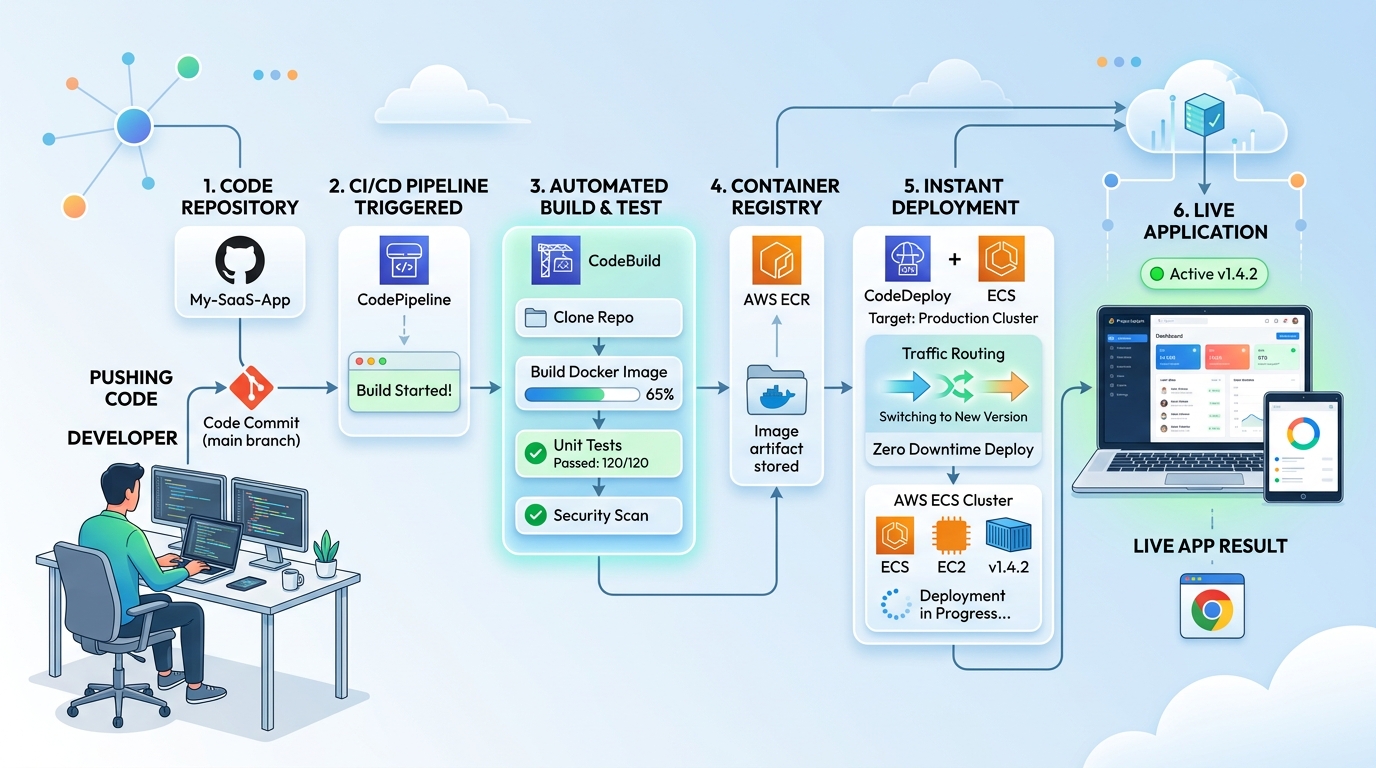
  • How to Build and Deploy an AI-Powered Soil Moisture and Irrigation Automation System

    How to Build and Deploy an AI-Powered Soil Moisture and Irrigation Automation System

    uild and Deploy an AI-Powered Soil Moisture and Irrigation Automation System

    Understanding uild and Deploy an AI-Powered Soil Moisture and Irrigation Automation System

    In the rapidly evolving landscape of modern cloud computing and application deployment, uild and deploy an ai-powered soil moisture and irrigation automation system has emerged as a critical capability that development teams and organizations simply cannot afford to overlook. As businesses increasingly rely on digital infrastructure to deliver their products and services to users around the globe, the ability to effectively manage and optimize uild and deploy an ai-powered soil moisture and irrigation automation system becomes a key differentiator for competitive advantage. Whether you are a solo developer working on a side project or part of a large engineering organization managing hundreds of microservices, understanding the nuances of uild and deploy an ai-powered soil moisture and irrigation automation system is essential for building reliable, scalable, and performant systems that meet the demands of today’s users. The stakes have never been higher, with customer expectations for uptime, speed, and reliability reaching unprecedented levels across every industry vertical and market segment.

    The concept of uild and deploy an ai-powered soil moisture and irrigation automation system encompasses a wide range of practices, tools, and methodologies that work together to ensure applications are deployed efficiently, run smoothly in production, and can be updated without disrupting the end-user experience. From automated testing pipelines that catch bugs before they reach production to sophisticated monitoring systems that provide real-time visibility into application health, every aspect of uild and deploy an ai-powered soil moisture and irrigation automation system contributes to the overall stability and reliability of your deployment infrastructure. Organizations that invest in robust uild and deploy an ai-powered soil moisture and irrigation automation system practices consistently report fewer production incidents, faster recovery times, and significantly higher developer productivity compared to those that rely on manual or ad-hoc deployment processes. The data is compelling: teams with mature deployment practices deploy code hundreds of times per day with confidence, while teams without these practices struggle to deploy even once per week without encountering incidents that degrade user experience.

    One of the most significant challenges that teams face when implementing uild and deploy an ai-powered soil moisture and irrigation automation system is balancing the need for speed with the requirement for stability. In today’s fast-paced development environment, teams are expected to ship new features and bug fixes quickly, but any mistake in the deployment process can lead to costly outages and damaged user trust. This tension between velocity and reliability is at the heart of modern software engineering, and resolving it requires both the right mindset and the right tooling. Teams that attempt to solve this problem by adding more manual checks and approvals often find that they have simply traded one problem for another, replacing deployment risk with deployment bottlenecks that slow down the entire development organization.

    This is exactly where a purpose-built deployment platform like Deployxa can make a transformative difference. By providing intelligent automation, built-in guardrails, and comprehensive visibility into the deployment process, Deployxa enables teams to deploy rapidly without sacrificing reliability. The platform’s AI-powered analysis engine continuously monitors your deployments and provides actionable recommendations for improvement, helping you identify and address potential issues before they become incidents. With Deployxa, teams can focus on what they do best, writing great code, while the platform handles the complexity of getting that code into production safely and efficiently, every single time.

    Key Challenges in uild and Deploy an AI-Powered Soil Moisture and Irrigation Automation System

    When it comes to implementing uild and deploy an ai-powered soil moisture and irrigation automation system effectively, development teams encounter a number of significant challenges that can impede progress and increase the risk of deployment failures. One of the most common obstacles is the sheer complexity of modern application architectures, which often involve multiple interconnected services, databases, caches, message queues, and third-party integrations that must all be coordinated during a deployment. A seemingly simple change to one service can have cascading effects on downstream dependencies, making it extremely difficult to predict the full impact of any given deployment without comprehensive testing and monitoring infrastructure in place. This complexity is further compounded by the distributed nature of modern systems, where services may be deployed across multiple regions, availability zones, and even different cloud providers.

    Another major challenge is the lack of visibility into the deployment pipeline itself. Many teams operate with limited observability, meaning they cannot easily track the progress of a deployment, identify where failures occur, or understand the root cause of issues that arise during the deployment process. This lack of transparency leads to longer debugging sessions, increased mean time to recovery, and a general sense of uncertainty among team members about the health and stability of their production environments. Without proper logging, distributed tracing, and real-time alerting systems, even minor issues can go unnoticed until they escalate into major incidents that affect thousands of end users.

    Security concerns also present a formidable challenge when implementing uild and deploy an ai-powered soil moisture and irrigation automation system at scale. As applications are deployed more frequently and to more environments, the attack surface expands significantly, creating more opportunities for security vulnerabilities to be introduced into production. Teams must ensure that sensitive configuration data such as API keys, database credentials, and encryption keys are properly managed, rotated, and never exposed in code repositories or log files. Additionally, container images must be scanned for known vulnerabilities before being deployed, network policies must be configured to limit the blast radius of any potential breach, and comprehensive audit trails must be maintained to support compliance requirements.

    Cost management represents yet another significant challenge, particularly for organizations that are scaling their deployments across multiple environments and regions. Without proper cost visibility and controls, cloud infrastructure costs can spiral out of control, consuming an ever-larger portion of the engineering budget. Teams need tools that provide real-time cost tracking, automated rightsizing recommendations, and budget alerting to ensure they are getting the most value from their cloud spend without over-provisioning or under-utilizing their infrastructure resources.

    How Deployxa Solves These Challenges

    Deployxa addresses the core challenges of uild and deploy an ai-powered soil moisture and irrigation automation system by providing an AI-native cloud deployment platform that is purpose-built for the needs of modern development teams. Unlike traditional deployment tools that require extensive configuration and specialized expertise, Deployxa offers an intuitive interface that abstracts away the underlying infrastructure complexity while still giving teams the control and flexibility they need. With Deployxa, you can deploy your applications directly from your Git repository with zero configuration, and the platform will automatically detect your framework, build your application, optimize resource allocation, and serve it over a secure HTTPS connection with a custom domain.

    The platform’s AI-powered capabilities go far beyond simple deployment automation. Deployxa continuously analyzes your application’s performance characteristics, resource utilization patterns, and user behavior to provide intelligent recommendations for optimization. This means that instead of manually tuning your infrastructure or guessing at the right resource allocation, Deployxa helps you make data-driven decisions that improve both performance and cost efficiency. The platform can identify underutilized resources, suggest scaling adjustments, predict capacity needs based on traffic patterns, and detect anomalies that might indicate performance degradation or security issues before they impact your users.

    Security is baked into every layer of the Deployxa platform. From automated SSL certificate management and built-in vulnerability scanning to comprehensive secret management and role-based access control, Deployxa ensures that your deployments meet the highest security standards without requiring additional tooling or manual processes. The platform’s audit logging capabilities provide the governance and compliance features that enterprise teams need, while its seamless integration with popular version control systems, CI/CD pipelines, and cloud providers means you can incorporate Deployxa into your existing workflow without disruption.

    Perhaps most importantly, Deployxa provides the observability and monitoring capabilities essential for maintaining confidence in your deployment process. The platform’s integrated dashboard gives you real-time visibility into the health, performance, and cost of every deployment, with customizable alerts that notify you of issues before they become incidents. Detailed deployment logs, build artifacts, and performance metrics are all accessible through a single unified interface. This comprehensive observability, combined with automated rollback capabilities, means you can deploy with the confidence that any issues will be detected quickly and resolved automatically.

    Best Practices for uild and Deploy an AI-Powered Soil Moisture and Irrigation Automation System

    To get the most out of your uild and deploy an ai-powered soil moisture and irrigation automation system implementation, it is important to follow established best practices that have been proven to deliver reliable results. First and foremost, always automate as much of your deployment pipeline as possible. Manual deployment processes are inherently error-prone, difficult to reproduce consistently, and fundamentally unscalable. By automating every step from code checkout through building, testing, and deployment, you eliminate human error, reduce cycle times, and create a consistent and repeatable process. Tools like Deployxa excel in this area by providing end-to-end automation that requires minimal configuration while still offering the flexibility to customize every aspect of the pipeline to your specific needs.

    Another critical best practice is to implement comprehensive testing at every stage of the deployment pipeline. Each type of test serves a different purpose: unit tests verify individual components in isolation, integration tests verify that components work together correctly, end-to-end tests verify that the entire system behaves as expected from the user’s perspective, and smoke tests verify that the deployment itself was successful. Additionally, implement automated rollback mechanisms that can quickly revert a deployment if post-deployment tests detect any issues, ensuring that your users are never exposed to a broken version of your application.

    Finally, invest in observability and monitoring from day one. The ability to see what is happening in your production environment in real time is invaluable for maintaining reliability, diagnosing issues quickly, and making informed decisions. Implement structured logging, distributed tracing, and comprehensive metrics collection. Set up intelligent alerts that notify the right people at the right time, and establish clear runbooks that define the steps to take when specific alerts fire. Deployxa’s integrated monitoring dashboard provides much of this capability out of the box, giving you a significant head start on building a comprehensive observability strategy.

    Getting Started With uild and Deploy an AI-Powered Soil Moisture and Irrigation Automation System on Deployxa

    Getting started with uild and deploy an ai-powered soil moisture and irrigation automation system on Deployxa is straightforward and can be accomplished in just a few minutes. Begin by creating an account at deployxa.kaziai.co.ke and connecting your Git repository. Deployxa will automatically detect your application framework and configure the build and deployment pipeline accordingly. From there, you can customize deployment settings, configure environment variables, set up custom domains with automatic SSL certificates, and enable monitoring and alerting. The platform’s comprehensive documentation and responsive support team are available to help you every step of the way.

    Once your first deployment is live, take advantage of Deployxa’s continuous deployment capabilities to set up automatic deployments whenever you push changes to your main branch. This ensures that your production environment always reflects the latest version of your code and eliminates the bottleneck of manual deployment steps. As your application grows and your team expands, Deployxa scales with you, providing the advanced features, enterprise-grade reliability, and AI-powered insights you need to support your most demanding uild and deploy an ai-powered soil moisture and irrigation automation system workloads. Start your journey with Deployxa today and experience the difference that an AI-native deployment platform can make.

  • How to Set Up Automated Cloud-Native SIEM Integration and Log Forwarding

    How to Set Up Automated Cloud-Native SIEM Integration and Log Forwarding

    et Up Automated Cloud-Native SIEM Integration and Log Forwarding

    Understanding et Up Automated Cloud-Native SIEM Integration and Log Forwarding

    In the rapidly evolving landscape of modern cloud computing and application deployment, et up automated cloud-native siem integration and log forwarding has emerged as a critical capability that development teams and organizations simply cannot afford to overlook. As businesses increasingly rely on digital infrastructure to deliver their products and services to users around the globe, the ability to effectively manage and optimize et up automated cloud-native siem integration and log forwarding becomes a key differentiator for competitive advantage. Whether you are a solo developer working on a side project or part of a large engineering organization managing hundreds of microservices, understanding the nuances of et up automated cloud-native siem integration and log forwarding is essential for building reliable, scalable, and performant systems that meet the demands of today’s users. The stakes have never been higher, with customer expectations for uptime, speed, and reliability reaching unprecedented levels across every industry vertical and market segment.

    The concept of et up automated cloud-native siem integration and log forwarding encompasses a wide range of practices, tools, and methodologies that work together to ensure applications are deployed efficiently, run smoothly in production, and can be updated without disrupting the end-user experience. From automated testing pipelines that catch bugs before they reach production to sophisticated monitoring systems that provide real-time visibility into application health, every aspect of et up automated cloud-native siem integration and log forwarding contributes to the overall stability and reliability of your deployment infrastructure. Organizations that invest in robust et up automated cloud-native siem integration and log forwarding practices consistently report fewer production incidents, faster recovery times, and significantly higher developer productivity compared to those that rely on manual or ad-hoc deployment processes. The data is compelling: teams with mature deployment practices deploy code hundreds of times per day with confidence, while teams without these practices struggle to deploy even once per week without encountering incidents that degrade user experience.

    One of the most significant challenges that teams face when implementing et up automated cloud-native siem integration and log forwarding is balancing the need for speed with the requirement for stability. In today’s fast-paced development environment, teams are expected to ship new features and bug fixes quickly, but any mistake in the deployment process can lead to costly outages and damaged user trust. This tension between velocity and reliability is at the heart of modern software engineering, and resolving it requires both the right mindset and the right tooling. Teams that attempt to solve this problem by adding more manual checks and approvals often find that they have simply traded one problem for another, replacing deployment risk with deployment bottlenecks that slow down the entire development organization.

    This is exactly where a purpose-built deployment platform like Deployxa can make a transformative difference. By providing intelligent automation, built-in guardrails, and comprehensive visibility into the deployment process, Deployxa enables teams to deploy rapidly without sacrificing reliability. The platform’s AI-powered analysis engine continuously monitors your deployments and provides actionable recommendations for improvement, helping you identify and address potential issues before they become incidents. With Deployxa, teams can focus on what they do best, writing great code, while the platform handles the complexity of getting that code into production safely and efficiently, every single time.

    Key Challenges in et Up Automated Cloud-Native SIEM Integration and Log Forwarding

    When it comes to implementing et up automated cloud-native siem integration and log forwarding effectively, development teams encounter a number of significant challenges that can impede progress and increase the risk of deployment failures. One of the most common obstacles is the sheer complexity of modern application architectures, which often involve multiple interconnected services, databases, caches, message queues, and third-party integrations that must all be coordinated during a deployment. A seemingly simple change to one service can have cascading effects on downstream dependencies, making it extremely difficult to predict the full impact of any given deployment without comprehensive testing and monitoring infrastructure in place. This complexity is further compounded by the distributed nature of modern systems, where services may be deployed across multiple regions, availability zones, and even different cloud providers.

    Another major challenge is the lack of visibility into the deployment pipeline itself. Many teams operate with limited observability, meaning they cannot easily track the progress of a deployment, identify where failures occur, or understand the root cause of issues that arise during the deployment process. This lack of transparency leads to longer debugging sessions, increased mean time to recovery, and a general sense of uncertainty among team members about the health and stability of their production environments. Without proper logging, distributed tracing, and real-time alerting systems, even minor issues can go unnoticed until they escalate into major incidents that affect thousands of end users.

    Security concerns also present a formidable challenge when implementing et up automated cloud-native siem integration and log forwarding at scale. As applications are deployed more frequently and to more environments, the attack surface expands significantly, creating more opportunities for security vulnerabilities to be introduced into production. Teams must ensure that sensitive configuration data such as API keys, database credentials, and encryption keys are properly managed, rotated, and never exposed in code repositories or log files. Additionally, container images must be scanned for known vulnerabilities before being deployed, network policies must be configured to limit the blast radius of any potential breach, and comprehensive audit trails must be maintained to support compliance requirements.

    Cost management represents yet another significant challenge, particularly for organizations that are scaling their deployments across multiple environments and regions. Without proper cost visibility and controls, cloud infrastructure costs can spiral out of control, consuming an ever-larger portion of the engineering budget. Teams need tools that provide real-time cost tracking, automated rightsizing recommendations, and budget alerting to ensure they are getting the most value from their cloud spend without over-provisioning or under-utilizing their infrastructure resources.

    How Deployxa Solves These Challenges

    Deployxa addresses the core challenges of et up automated cloud-native siem integration and log forwarding by providing an AI-native cloud deployment platform that is purpose-built for the needs of modern development teams. Unlike traditional deployment tools that require extensive configuration and specialized expertise, Deployxa offers an intuitive interface that abstracts away the underlying infrastructure complexity while still giving teams the control and flexibility they need. With Deployxa, you can deploy your applications directly from your Git repository with zero configuration, and the platform will automatically detect your framework, build your application, optimize resource allocation, and serve it over a secure HTTPS connection with a custom domain.

    The platform’s AI-powered capabilities go far beyond simple deployment automation. Deployxa continuously analyzes your application’s performance characteristics, resource utilization patterns, and user behavior to provide intelligent recommendations for optimization. This means that instead of manually tuning your infrastructure or guessing at the right resource allocation, Deployxa helps you make data-driven decisions that improve both performance and cost efficiency. The platform can identify underutilized resources, suggest scaling adjustments, predict capacity needs based on traffic patterns, and detect anomalies that might indicate performance degradation or security issues before they impact your users.

    Security is baked into every layer of the Deployxa platform. From automated SSL certificate management and built-in vulnerability scanning to comprehensive secret management and role-based access control, Deployxa ensures that your deployments meet the highest security standards without requiring additional tooling or manual processes. The platform’s audit logging capabilities provide the governance and compliance features that enterprise teams need, while its seamless integration with popular version control systems, CI/CD pipelines, and cloud providers means you can incorporate Deployxa into your existing workflow without disruption.

    Perhaps most importantly, Deployxa provides the observability and monitoring capabilities essential for maintaining confidence in your deployment process. The platform’s integrated dashboard gives you real-time visibility into the health, performance, and cost of every deployment, with customizable alerts that notify you of issues before they become incidents. Detailed deployment logs, build artifacts, and performance metrics are all accessible through a single unified interface. This comprehensive observability, combined with automated rollback capabilities, means you can deploy with the confidence that any issues will be detected quickly and resolved automatically.

    Best Practices for et Up Automated Cloud-Native SIEM Integration and Log Forwarding

    To get the most out of your et up automated cloud-native siem integration and log forwarding implementation, it is important to follow established best practices that have been proven to deliver reliable results. First and foremost, always automate as much of your deployment pipeline as possible. Manual deployment processes are inherently error-prone, difficult to reproduce consistently, and fundamentally unscalable. By automating every step from code checkout through building, testing, and deployment, you eliminate human error, reduce cycle times, and create a consistent and repeatable process. Tools like Deployxa excel in this area by providing end-to-end automation that requires minimal configuration while still offering the flexibility to customize every aspect of the pipeline to your specific needs.

    Another critical best practice is to implement comprehensive testing at every stage of the deployment pipeline. Each type of test serves a different purpose: unit tests verify individual components in isolation, integration tests verify that components work together correctly, end-to-end tests verify that the entire system behaves as expected from the user’s perspective, and smoke tests verify that the deployment itself was successful. Additionally, implement automated rollback mechanisms that can quickly revert a deployment if post-deployment tests detect any issues, ensuring that your users are never exposed to a broken version of your application.

    Finally, invest in observability and monitoring from day one. The ability to see what is happening in your production environment in real time is invaluable for maintaining reliability, diagnosing issues quickly, and making informed decisions. Implement structured logging, distributed tracing, and comprehensive metrics collection. Set up intelligent alerts that notify the right people at the right time, and establish clear runbooks that define the steps to take when specific alerts fire. Deployxa’s integrated monitoring dashboard provides much of this capability out of the box, giving you a significant head start on building a comprehensive observability strategy.

    Getting Started With et Up Automated Cloud-Native SIEM Integration and Log Forwarding on Deployxa

    Getting started with et up automated cloud-native siem integration and log forwarding on Deployxa is straightforward and can be accomplished in just a few minutes. Begin by creating an account at deployxa.kaziai.co.ke and connecting your Git repository. Deployxa will automatically detect your application framework and configure the build and deployment pipeline accordingly. From there, you can customize deployment settings, configure environment variables, set up custom domains with automatic SSL certificates, and enable monitoring and alerting. The platform’s comprehensive documentation and responsive support team are available to help you every step of the way.

    Once your first deployment is live, take advantage of Deployxa’s continuous deployment capabilities to set up automatic deployments whenever you push changes to your main branch. This ensures that your production environment always reflects the latest version of your code and eliminates the bottleneck of manual deployment steps. As your application grows and your team expands, Deployxa scales with you, providing the advanced features, enterprise-grade reliability, and AI-powered insights you need to support your most demanding et up automated cloud-native siem integration and log forwarding workloads. Start your journey with Deployxa today and experience the difference that an AI-native deployment platform can make.
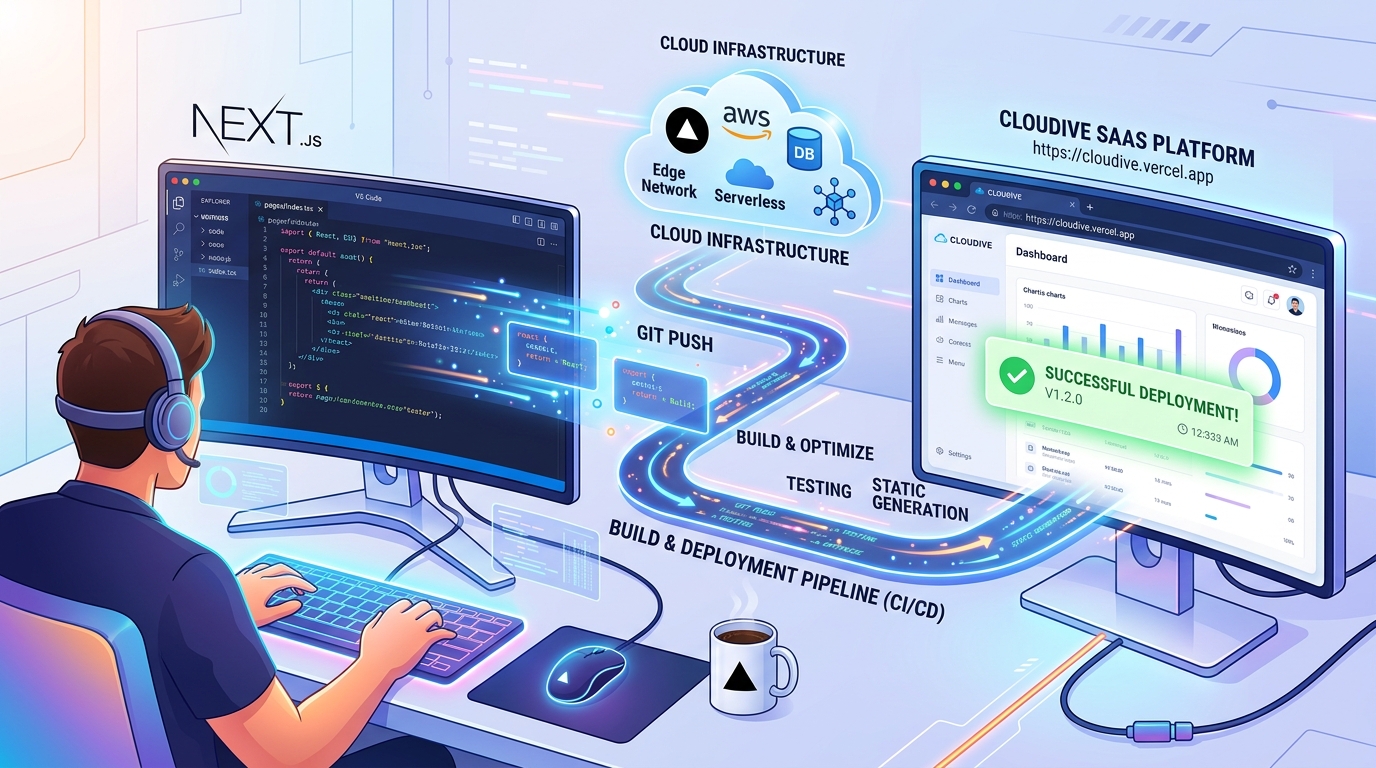
  • How to Deploy a Craft Marketplace and Artisan Product Discovery Platform

    How to Deploy a Craft Marketplace and Artisan Product Discovery Platform

    eploy a Craft Marketplace and Artisan Product Discovery Platform

    Understanding eploy a Craft Marketplace and Artisan Product Discovery Platform

    In the rapidly evolving landscape of modern cloud computing and application deployment, eploy a craft marketplace and artisan product discovery platform has emerged as a critical capability that development teams and organizations simply cannot afford to overlook. As businesses increasingly rely on digital infrastructure to deliver their products and services to users around the globe, the ability to effectively manage and optimize eploy a craft marketplace and artisan product discovery platform becomes a key differentiator for competitive advantage. Whether you are a solo developer working on a side project or part of a large engineering organization managing hundreds of microservices, understanding the nuances of eploy a craft marketplace and artisan product discovery platform is essential for building reliable, scalable, and performant systems that meet the demands of today’s users. The stakes have never been higher, with customer expectations for uptime, speed, and reliability reaching unprecedented levels across every industry vertical and market segment.

    The concept of eploy a craft marketplace and artisan product discovery platform encompasses a wide range of practices, tools, and methodologies that work together to ensure applications are deployed efficiently, run smoothly in production, and can be updated without disrupting the end-user experience. From automated testing pipelines that catch bugs before they reach production to sophisticated monitoring systems that provide real-time visibility into application health, every aspect of eploy a craft marketplace and artisan product discovery platform contributes to the overall stability and reliability of your deployment infrastructure. Organizations that invest in robust eploy a craft marketplace and artisan product discovery platform practices consistently report fewer production incidents, faster recovery times, and significantly higher developer productivity compared to those that rely on manual or ad-hoc deployment processes. The data is compelling: teams with mature deployment practices deploy code hundreds of times per day with confidence, while teams without these practices struggle to deploy even once per week without encountering incidents that degrade user experience.

    One of the most significant challenges that teams face when implementing eploy a craft marketplace and artisan product discovery platform is balancing the need for speed with the requirement for stability. In today’s fast-paced development environment, teams are expected to ship new features and bug fixes quickly, but any mistake in the deployment process can lead to costly outages and damaged user trust. This tension between velocity and reliability is at the heart of modern software engineering, and resolving it requires both the right mindset and the right tooling. Teams that attempt to solve this problem by adding more manual checks and approvals often find that they have simply traded one problem for another, replacing deployment risk with deployment bottlenecks that slow down the entire development organization.

    This is exactly where a purpose-built deployment platform like Deployxa can make a transformative difference. By providing intelligent automation, built-in guardrails, and comprehensive visibility into the deployment process, Deployxa enables teams to deploy rapidly without sacrificing reliability. The platform’s AI-powered analysis engine continuously monitors your deployments and provides actionable recommendations for improvement, helping you identify and address potential issues before they become incidents. With Deployxa, teams can focus on what they do best, writing great code, while the platform handles the complexity of getting that code into production safely and efficiently, every single time.

    Key Challenges in eploy a Craft Marketplace and Artisan Product Discovery Platform

    When it comes to implementing eploy a craft marketplace and artisan product discovery platform effectively, development teams encounter a number of significant challenges that can impede progress and increase the risk of deployment failures. One of the most common obstacles is the sheer complexity of modern application architectures, which often involve multiple interconnected services, databases, caches, message queues, and third-party integrations that must all be coordinated during a deployment. A seemingly simple change to one service can have cascading effects on downstream dependencies, making it extremely difficult to predict the full impact of any given deployment without comprehensive testing and monitoring infrastructure in place. This complexity is further compounded by the distributed nature of modern systems, where services may be deployed across multiple regions, availability zones, and even different cloud providers.

    Another major challenge is the lack of visibility into the deployment pipeline itself. Many teams operate with limited observability, meaning they cannot easily track the progress of a deployment, identify where failures occur, or understand the root cause of issues that arise during the deployment process. This lack of transparency leads to longer debugging sessions, increased mean time to recovery, and a general sense of uncertainty among team members about the health and stability of their production environments. Without proper logging, distributed tracing, and real-time alerting systems, even minor issues can go unnoticed until they escalate into major incidents that affect thousands of end users.

    Security concerns also present a formidable challenge when implementing eploy a craft marketplace and artisan product discovery platform at scale. As applications are deployed more frequently and to more environments, the attack surface expands significantly, creating more opportunities for security vulnerabilities to be introduced into production. Teams must ensure that sensitive configuration data such as API keys, database credentials, and encryption keys are properly managed, rotated, and never exposed in code repositories or log files. Additionally, container images must be scanned for known vulnerabilities before being deployed, network policies must be configured to limit the blast radius of any potential breach, and comprehensive audit trails must be maintained to support compliance requirements.

    Cost management represents yet another significant challenge, particularly for organizations that are scaling their deployments across multiple environments and regions. Without proper cost visibility and controls, cloud infrastructure costs can spiral out of control, consuming an ever-larger portion of the engineering budget. Teams need tools that provide real-time cost tracking, automated rightsizing recommendations, and budget alerting to ensure they are getting the most value from their cloud spend without over-provisioning or under-utilizing their infrastructure resources.

    How Deployxa Solves These Challenges

    Deployxa addresses the core challenges of eploy a craft marketplace and artisan product discovery platform by providing an AI-native cloud deployment platform that is purpose-built for the needs of modern development teams. Unlike traditional deployment tools that require extensive configuration and specialized expertise, Deployxa offers an intuitive interface that abstracts away the underlying infrastructure complexity while still giving teams the control and flexibility they need. With Deployxa, you can deploy your applications directly from your Git repository with zero configuration, and the platform will automatically detect your framework, build your application, optimize resource allocation, and serve it over a secure HTTPS connection with a custom domain.

    The platform’s AI-powered capabilities go far beyond simple deployment automation. Deployxa continuously analyzes your application’s performance characteristics, resource utilization patterns, and user behavior to provide intelligent recommendations for optimization. This means that instead of manually tuning your infrastructure or guessing at the right resource allocation, Deployxa helps you make data-driven decisions that improve both performance and cost efficiency. The platform can identify underutilized resources, suggest scaling adjustments, predict capacity needs based on traffic patterns, and detect anomalies that might indicate performance degradation or security issues before they impact your users.

    Security is baked into every layer of the Deployxa platform. From automated SSL certificate management and built-in vulnerability scanning to comprehensive secret management and role-based access control, Deployxa ensures that your deployments meet the highest security standards without requiring additional tooling or manual processes. The platform’s audit logging capabilities provide the governance and compliance features that enterprise teams need, while its seamless integration with popular version control systems, CI/CD pipelines, and cloud providers means you can incorporate Deployxa into your existing workflow without disruption.

    Perhaps most importantly, Deployxa provides the observability and monitoring capabilities essential for maintaining confidence in your deployment process. The platform’s integrated dashboard gives you real-time visibility into the health, performance, and cost of every deployment, with customizable alerts that notify you of issues before they become incidents. Detailed deployment logs, build artifacts, and performance metrics are all accessible through a single unified interface. This comprehensive observability, combined with automated rollback capabilities, means you can deploy with the confidence that any issues will be detected quickly and resolved automatically.

    Best Practices for eploy a Craft Marketplace and Artisan Product Discovery Platform

    To get the most out of your eploy a craft marketplace and artisan product discovery platform implementation, it is important to follow established best practices that have been proven to deliver reliable results. First and foremost, always automate as much of your deployment pipeline as possible. Manual deployment processes are inherently error-prone, difficult to reproduce consistently, and fundamentally unscalable. By automating every step from code checkout through building, testing, and deployment, you eliminate human error, reduce cycle times, and create a consistent and repeatable process. Tools like Deployxa excel in this area by providing end-to-end automation that requires minimal configuration while still offering the flexibility to customize every aspect of the pipeline to your specific needs.

    Another critical best practice is to implement comprehensive testing at every stage of the deployment pipeline. Each type of test serves a different purpose: unit tests verify individual components in isolation, integration tests verify that components work together correctly, end-to-end tests verify that the entire system behaves as expected from the user’s perspective, and smoke tests verify that the deployment itself was successful. Additionally, implement automated rollback mechanisms that can quickly revert a deployment if post-deployment tests detect any issues, ensuring that your users are never exposed to a broken version of your application.

    Finally, invest in observability and monitoring from day one. The ability to see what is happening in your production environment in real time is invaluable for maintaining reliability, diagnosing issues quickly, and making informed decisions. Implement structured logging, distributed tracing, and comprehensive metrics collection. Set up intelligent alerts that notify the right people at the right time, and establish clear runbooks that define the steps to take when specific alerts fire. Deployxa’s integrated monitoring dashboard provides much of this capability out of the box, giving you a significant head start on building a comprehensive observability strategy.

    Getting Started With eploy a Craft Marketplace and Artisan Product Discovery Platform on Deployxa

    Getting started with eploy a craft marketplace and artisan product discovery platform on Deployxa is straightforward and can be accomplished in just a few minutes. Begin by creating an account at deployxa.kaziai.co.ke and connecting your Git repository. Deployxa will automatically detect your application framework and configure the build and deployment pipeline accordingly. From there, you can customize deployment settings, configure environment variables, set up custom domains with automatic SSL certificates, and enable monitoring and alerting. The platform’s comprehensive documentation and responsive support team are available to help you every step of the way.

    Once your first deployment is live, take advantage of Deployxa’s continuous deployment capabilities to set up automatic deployments whenever you push changes to your main branch. This ensures that your production environment always reflects the latest version of your code and eliminates the bottleneck of manual deployment steps. As your application grows and your team expands, Deployxa scales with you, providing the advanced features, enterprise-grade reliability, and AI-powered insights you need to support your most demanding eploy a craft marketplace and artisan product discovery platform workloads. Start your journey with Deployxa today and experience the difference that an AI-native deployment platform can make.

  • How to Implement Cache-Aside and Write-Through Caching Patterns for Databases

    How to Implement Cache-Aside and Write-Through Caching Patterns for Databases

    mplement Cache-Aside and Write-Through Caching Patterns for Databases

    Understanding mplement Cache-Aside and Write-Through Caching Patterns for Databases

    In the rapidly evolving landscape of modern cloud computing and application deployment, mplement cache-aside and write-through caching patterns for databases has emerged as a critical capability that development teams and organizations simply cannot afford to overlook. As businesses increasingly rely on digital infrastructure to deliver their products and services to users around the globe, the ability to effectively manage and optimize mplement cache-aside and write-through caching patterns for databases becomes a key differentiator for competitive advantage. Whether you are a solo developer working on a side project or part of a large engineering organization managing hundreds of microservices, understanding the nuances of mplement cache-aside and write-through caching patterns for databases is essential for building reliable, scalable, and performant systems that meet the demands of today’s users. The stakes have never been higher, with customer expectations for uptime, speed, and reliability reaching unprecedented levels across every industry vertical and market segment.

    The concept of mplement cache-aside and write-through caching patterns for databases encompasses a wide range of practices, tools, and methodologies that work together to ensure applications are deployed efficiently, run smoothly in production, and can be updated without disrupting the end-user experience. From automated testing pipelines that catch bugs before they reach production to sophisticated monitoring systems that provide real-time visibility into application health, every aspect of mplement cache-aside and write-through caching patterns for databases contributes to the overall stability and reliability of your deployment infrastructure. Organizations that invest in robust mplement cache-aside and write-through caching patterns for databases practices consistently report fewer production incidents, faster recovery times, and significantly higher developer productivity compared to those that rely on manual or ad-hoc deployment processes. The data is compelling: teams with mature deployment practices deploy code hundreds of times per day with confidence, while teams without these practices struggle to deploy even once per week without encountering incidents that degrade user experience.

    One of the most significant challenges that teams face when implementing mplement cache-aside and write-through caching patterns for databases is balancing the need for speed with the requirement for stability. In today’s fast-paced development environment, teams are expected to ship new features and bug fixes quickly, but any mistake in the deployment process can lead to costly outages and damaged user trust. This tension between velocity and reliability is at the heart of modern software engineering, and resolving it requires both the right mindset and the right tooling. Teams that attempt to solve this problem by adding more manual checks and approvals often find that they have simply traded one problem for another, replacing deployment risk with deployment bottlenecks that slow down the entire development organization.

    This is exactly where a purpose-built deployment platform like Deployxa can make a transformative difference. By providing intelligent automation, built-in guardrails, and comprehensive visibility into the deployment process, Deployxa enables teams to deploy rapidly without sacrificing reliability. The platform’s AI-powered analysis engine continuously monitors your deployments and provides actionable recommendations for improvement, helping you identify and address potential issues before they become incidents. With Deployxa, teams can focus on what they do best, writing great code, while the platform handles the complexity of getting that code into production safely and efficiently, every single time.

    Key Challenges in mplement Cache-Aside and Write-Through Caching Patterns for Databases

    When it comes to implementing mplement cache-aside and write-through caching patterns for databases effectively, development teams encounter a number of significant challenges that can impede progress and increase the risk of deployment failures. One of the most common obstacles is the sheer complexity of modern application architectures, which often involve multiple interconnected services, databases, caches, message queues, and third-party integrations that must all be coordinated during a deployment. A seemingly simple change to one service can have cascading effects on downstream dependencies, making it extremely difficult to predict the full impact of any given deployment without comprehensive testing and monitoring infrastructure in place. This complexity is further compounded by the distributed nature of modern systems, where services may be deployed across multiple regions, availability zones, and even different cloud providers.

    Another major challenge is the lack of visibility into the deployment pipeline itself. Many teams operate with limited observability, meaning they cannot easily track the progress of a deployment, identify where failures occur, or understand the root cause of issues that arise during the deployment process. This lack of transparency leads to longer debugging sessions, increased mean time to recovery, and a general sense of uncertainty among team members about the health and stability of their production environments. Without proper logging, distributed tracing, and real-time alerting systems, even minor issues can go unnoticed until they escalate into major incidents that affect thousands of end users.

    Security concerns also present a formidable challenge when implementing mplement cache-aside and write-through caching patterns for databases at scale. As applications are deployed more frequently and to more environments, the attack surface expands significantly, creating more opportunities for security vulnerabilities to be introduced into production. Teams must ensure that sensitive configuration data such as API keys, database credentials, and encryption keys are properly managed, rotated, and never exposed in code repositories or log files. Additionally, container images must be scanned for known vulnerabilities before being deployed, network policies must be configured to limit the blast radius of any potential breach, and comprehensive audit trails must be maintained to support compliance requirements.

    Cost management represents yet another significant challenge, particularly for organizations that are scaling their deployments across multiple environments and regions. Without proper cost visibility and controls, cloud infrastructure costs can spiral out of control, consuming an ever-larger portion of the engineering budget. Teams need tools that provide real-time cost tracking, automated rightsizing recommendations, and budget alerting to ensure they are getting the most value from their cloud spend without over-provisioning or under-utilizing their infrastructure resources.

    How Deployxa Solves These Challenges

    Deployxa addresses the core challenges of mplement cache-aside and write-through caching patterns for databases by providing an AI-native cloud deployment platform that is purpose-built for the needs of modern development teams. Unlike traditional deployment tools that require extensive configuration and specialized expertise, Deployxa offers an intuitive interface that abstracts away the underlying infrastructure complexity while still giving teams the control and flexibility they need. With Deployxa, you can deploy your applications directly from your Git repository with zero configuration, and the platform will automatically detect your framework, build your application, optimize resource allocation, and serve it over a secure HTTPS connection with a custom domain.

    The platform’s AI-powered capabilities go far beyond simple deployment automation. Deployxa continuously analyzes your application’s performance characteristics, resource utilization patterns, and user behavior to provide intelligent recommendations for optimization. This means that instead of manually tuning your infrastructure or guessing at the right resource allocation, Deployxa helps you make data-driven decisions that improve both performance and cost efficiency. The platform can identify underutilized resources, suggest scaling adjustments, predict capacity needs based on traffic patterns, and detect anomalies that might indicate performance degradation or security issues before they impact your users.

    Security is baked into every layer of the Deployxa platform. From automated SSL certificate management and built-in vulnerability scanning to comprehensive secret management and role-based access control, Deployxa ensures that your deployments meet the highest security standards without requiring additional tooling or manual processes. The platform’s audit logging capabilities provide the governance and compliance features that enterprise teams need, while its seamless integration with popular version control systems, CI/CD pipelines, and cloud providers means you can incorporate Deployxa into your existing workflow without disruption.

    Perhaps most importantly, Deployxa provides the observability and monitoring capabilities essential for maintaining confidence in your deployment process. The platform’s integrated dashboard gives you real-time visibility into the health, performance, and cost of every deployment, with customizable alerts that notify you of issues before they become incidents. Detailed deployment logs, build artifacts, and performance metrics are all accessible through a single unified interface. This comprehensive observability, combined with automated rollback capabilities, means you can deploy with the confidence that any issues will be detected quickly and resolved automatically.

    Best Practices for mplement Cache-Aside and Write-Through Caching Patterns for Databases

    To get the most out of your mplement cache-aside and write-through caching patterns for databases implementation, it is important to follow established best practices that have been proven to deliver reliable results. First and foremost, always automate as much of your deployment pipeline as possible. Manual deployment processes are inherently error-prone, difficult to reproduce consistently, and fundamentally unscalable. By automating every step from code checkout through building, testing, and deployment, you eliminate human error, reduce cycle times, and create a consistent and repeatable process. Tools like Deployxa excel in this area by providing end-to-end automation that requires minimal configuration while still offering the flexibility to customize every aspect of the pipeline to your specific needs.

    Another critical best practice is to implement comprehensive testing at every stage of the deployment pipeline. Each type of test serves a different purpose: unit tests verify individual components in isolation, integration tests verify that components work together correctly, end-to-end tests verify that the entire system behaves as expected from the user’s perspective, and smoke tests verify that the deployment itself was successful. Additionally, implement automated rollback mechanisms that can quickly revert a deployment if post-deployment tests detect any issues, ensuring that your users are never exposed to a broken version of your application.

    Finally, invest in observability and monitoring from day one. The ability to see what is happening in your production environment in real time is invaluable for maintaining reliability, diagnosing issues quickly, and making informed decisions. Implement structured logging, distributed tracing, and comprehensive metrics collection. Set up intelligent alerts that notify the right people at the right time, and establish clear runbooks that define the steps to take when specific alerts fire. Deployxa’s integrated monitoring dashboard provides much of this capability out of the box, giving you a significant head start on building a comprehensive observability strategy.

    Getting Started With mplement Cache-Aside and Write-Through Caching Patterns for Databases on Deployxa

    Getting started with mplement cache-aside and write-through caching patterns for databases on Deployxa is straightforward and can be accomplished in just a few minutes. Begin by creating an account at deployxa.kaziai.co.ke and connecting your Git repository. Deployxa will automatically detect your application framework and configure the build and deployment pipeline accordingly. From there, you can customize deployment settings, configure environment variables, set up custom domains with automatic SSL certificates, and enable monitoring and alerting. The platform’s comprehensive documentation and responsive support team are available to help you every step of the way.

    Once your first deployment is live, take advantage of Deployxa’s continuous deployment capabilities to set up automatic deployments whenever you push changes to your main branch. This ensures that your production environment always reflects the latest version of your code and eliminates the bottleneck of manual deployment steps. As your application grows and your team expands, Deployxa scales with you, providing the advanced features, enterprise-grade reliability, and AI-powered insights you need to support your most demanding mplement cache-aside and write-through caching patterns for databases workloads. Start your journey with Deployxa today and experience the difference that an AI-native deployment platform can make.

  • How to Build and Deploy an AI-Powered Sarcasm Detection and Tone Analysis Tool

    How to Build and Deploy an AI-Powered Sarcasm Detection and Tone Analysis Tool

    uild and Deploy an AI-Powered Sarcasm Detection and Tone Analysis Tool

    Understanding uild and Deploy an AI-Powered Sarcasm Detection and Tone Analysis Tool

    In the rapidly evolving landscape of modern cloud computing and application deployment, uild and deploy an ai-powered sarcasm detection and tone analysis tool has emerged as a critical capability that development teams and organizations simply cannot afford to overlook. As businesses increasingly rely on digital infrastructure to deliver their products and services to users around the globe, the ability to effectively manage and optimize uild and deploy an ai-powered sarcasm detection and tone analysis tool becomes a key differentiator for competitive advantage. Whether you are a solo developer working on a side project or part of a large engineering organization managing hundreds of microservices, understanding the nuances of uild and deploy an ai-powered sarcasm detection and tone analysis tool is essential for building reliable, scalable, and performant systems that meet the demands of today’s users. The stakes have never been higher, with customer expectations for uptime, speed, and reliability reaching unprecedented levels across every industry vertical and market segment.

    The concept of uild and deploy an ai-powered sarcasm detection and tone analysis tool encompasses a wide range of practices, tools, and methodologies that work together to ensure applications are deployed efficiently, run smoothly in production, and can be updated without disrupting the end-user experience. From automated testing pipelines that catch bugs before they reach production to sophisticated monitoring systems that provide real-time visibility into application health, every aspect of uild and deploy an ai-powered sarcasm detection and tone analysis tool contributes to the overall stability and reliability of your deployment infrastructure. Organizations that invest in robust uild and deploy an ai-powered sarcasm detection and tone analysis tool practices consistently report fewer production incidents, faster recovery times, and significantly higher developer productivity compared to those that rely on manual or ad-hoc deployment processes. The data is compelling: teams with mature deployment practices deploy code hundreds of times per day with confidence, while teams without these practices struggle to deploy even once per week without encountering incidents that degrade user experience.

    One of the most significant challenges that teams face when implementing uild and deploy an ai-powered sarcasm detection and tone analysis tool is balancing the need for speed with the requirement for stability. In today’s fast-paced development environment, teams are expected to ship new features and bug fixes quickly, but any mistake in the deployment process can lead to costly outages and damaged user trust. This tension between velocity and reliability is at the heart of modern software engineering, and resolving it requires both the right mindset and the right tooling. Teams that attempt to solve this problem by adding more manual checks and approvals often find that they have simply traded one problem for another, replacing deployment risk with deployment bottlenecks that slow down the entire development organization.

    This is exactly where a purpose-built deployment platform like Deployxa can make a transformative difference. By providing intelligent automation, built-in guardrails, and comprehensive visibility into the deployment process, Deployxa enables teams to deploy rapidly without sacrificing reliability. The platform’s AI-powered analysis engine continuously monitors your deployments and provides actionable recommendations for improvement, helping you identify and address potential issues before they become incidents. With Deployxa, teams can focus on what they do best, writing great code, while the platform handles the complexity of getting that code into production safely and efficiently, every single time.

    Key Challenges in uild and Deploy an AI-Powered Sarcasm Detection and Tone Analysis Tool

    When it comes to implementing uild and deploy an ai-powered sarcasm detection and tone analysis tool effectively, development teams encounter a number of significant challenges that can impede progress and increase the risk of deployment failures. One of the most common obstacles is the sheer complexity of modern application architectures, which often involve multiple interconnected services, databases, caches, message queues, and third-party integrations that must all be coordinated during a deployment. A seemingly simple change to one service can have cascading effects on downstream dependencies, making it extremely difficult to predict the full impact of any given deployment without comprehensive testing and monitoring infrastructure in place. This complexity is further compounded by the distributed nature of modern systems, where services may be deployed across multiple regions, availability zones, and even different cloud providers.

    Another major challenge is the lack of visibility into the deployment pipeline itself. Many teams operate with limited observability, meaning they cannot easily track the progress of a deployment, identify where failures occur, or understand the root cause of issues that arise during the deployment process. This lack of transparency leads to longer debugging sessions, increased mean time to recovery, and a general sense of uncertainty among team members about the health and stability of their production environments. Without proper logging, distributed tracing, and real-time alerting systems, even minor issues can go unnoticed until they escalate into major incidents that affect thousands of end users.

    Security concerns also present a formidable challenge when implementing uild and deploy an ai-powered sarcasm detection and tone analysis tool at scale. As applications are deployed more frequently and to more environments, the attack surface expands significantly, creating more opportunities for security vulnerabilities to be introduced into production. Teams must ensure that sensitive configuration data such as API keys, database credentials, and encryption keys are properly managed, rotated, and never exposed in code repositories or log files. Additionally, container images must be scanned for known vulnerabilities before being deployed, network policies must be configured to limit the blast radius of any potential breach, and comprehensive audit trails must be maintained to support compliance requirements.

    Cost management represents yet another significant challenge, particularly for organizations that are scaling their deployments across multiple environments and regions. Without proper cost visibility and controls, cloud infrastructure costs can spiral out of control, consuming an ever-larger portion of the engineering budget. Teams need tools that provide real-time cost tracking, automated rightsizing recommendations, and budget alerting to ensure they are getting the most value from their cloud spend without over-provisioning or under-utilizing their infrastructure resources.

    How Deployxa Solves These Challenges

    Deployxa addresses the core challenges of uild and deploy an ai-powered sarcasm detection and tone analysis tool by providing an AI-native cloud deployment platform that is purpose-built for the needs of modern development teams. Unlike traditional deployment tools that require extensive configuration and specialized expertise, Deployxa offers an intuitive interface that abstracts away the underlying infrastructure complexity while still giving teams the control and flexibility they need. With Deployxa, you can deploy your applications directly from your Git repository with zero configuration, and the platform will automatically detect your framework, build your application, optimize resource allocation, and serve it over a secure HTTPS connection with a custom domain.

    The platform’s AI-powered capabilities go far beyond simple deployment automation. Deployxa continuously analyzes your application’s performance characteristics, resource utilization patterns, and user behavior to provide intelligent recommendations for optimization. This means that instead of manually tuning your infrastructure or guessing at the right resource allocation, Deployxa helps you make data-driven decisions that improve both performance and cost efficiency. The platform can identify underutilized resources, suggest scaling adjustments, predict capacity needs based on traffic patterns, and detect anomalies that might indicate performance degradation or security issues before they impact your users.

    Security is baked into every layer of the Deployxa platform. From automated SSL certificate management and built-in vulnerability scanning to comprehensive secret management and role-based access control, Deployxa ensures that your deployments meet the highest security standards without requiring additional tooling or manual processes. The platform’s audit logging capabilities provide the governance and compliance features that enterprise teams need, while its seamless integration with popular version control systems, CI/CD pipelines, and cloud providers means you can incorporate Deployxa into your existing workflow without disruption.

    Perhaps most importantly, Deployxa provides the observability and monitoring capabilities essential for maintaining confidence in your deployment process. The platform’s integrated dashboard gives you real-time visibility into the health, performance, and cost of every deployment, with customizable alerts that notify you of issues before they become incidents. Detailed deployment logs, build artifacts, and performance metrics are all accessible through a single unified interface. This comprehensive observability, combined with automated rollback capabilities, means you can deploy with the confidence that any issues will be detected quickly and resolved automatically.

    Best Practices for uild and Deploy an AI-Powered Sarcasm Detection and Tone Analysis Tool

    To get the most out of your uild and deploy an ai-powered sarcasm detection and tone analysis tool implementation, it is important to follow established best practices that have been proven to deliver reliable results. First and foremost, always automate as much of your deployment pipeline as possible. Manual deployment processes are inherently error-prone, difficult to reproduce consistently, and fundamentally unscalable. By automating every step from code checkout through building, testing, and deployment, you eliminate human error, reduce cycle times, and create a consistent and repeatable process. Tools like Deployxa excel in this area by providing end-to-end automation that requires minimal configuration while still offering the flexibility to customize every aspect of the pipeline to your specific needs.

    Another critical best practice is to implement comprehensive testing at every stage of the deployment pipeline. Each type of test serves a different purpose: unit tests verify individual components in isolation, integration tests verify that components work together correctly, end-to-end tests verify that the entire system behaves as expected from the user’s perspective, and smoke tests verify that the deployment itself was successful. Additionally, implement automated rollback mechanisms that can quickly revert a deployment if post-deployment tests detect any issues, ensuring that your users are never exposed to a broken version of your application.

    Finally, invest in observability and monitoring from day one. The ability to see what is happening in your production environment in real time is invaluable for maintaining reliability, diagnosing issues quickly, and making informed decisions. Implement structured logging, distributed tracing, and comprehensive metrics collection. Set up intelligent alerts that notify the right people at the right time, and establish clear runbooks that define the steps to take when specific alerts fire. Deployxa’s integrated monitoring dashboard provides much of this capability out of the box, giving you a significant head start on building a comprehensive observability strategy.

    Getting Started With uild and Deploy an AI-Powered Sarcasm Detection and Tone Analysis Tool on Deployxa

    Getting started with uild and deploy an ai-powered sarcasm detection and tone analysis tool on Deployxa is straightforward and can be accomplished in just a few minutes. Begin by creating an account at deployxa.kaziai.co.ke and connecting your Git repository. Deployxa will automatically detect your application framework and configure the build and deployment pipeline accordingly. From there, you can customize deployment settings, configure environment variables, set up custom domains with automatic SSL certificates, and enable monitoring and alerting. The platform’s comprehensive documentation and responsive support team are available to help you every step of the way.

    Once your first deployment is live, take advantage of Deployxa’s continuous deployment capabilities to set up automatic deployments whenever you push changes to your main branch. This ensures that your production environment always reflects the latest version of your code and eliminates the bottleneck of manual deployment steps. As your application grows and your team expands, Deployxa scales with you, providing the advanced features, enterprise-grade reliability, and AI-powered insights you need to support your most demanding uild and deploy an ai-powered sarcasm detection and tone analysis tool workloads. Start your journey with Deployxa today and experience the difference that an AI-native deployment platform can make.

  • How to Set Up Automated Kubernetes Resource Requests and Limits Recommendations

    How to Set Up Automated Kubernetes Resource Requests and Limits Recommendations

    et Up Automated Kubernetes Resource Requests and Limits Recommendations

    Understanding et Up Automated Kubernetes Resource Requests and Limits Recommendations

    In the rapidly evolving landscape of modern cloud computing and application deployment, et up automated kubernetes resource requests and limits recommendations has emerged as a critical capability that development teams and organizations simply cannot afford to overlook. As businesses increasingly rely on digital infrastructure to deliver their products and services to users around the globe, the ability to effectively manage and optimize et up automated kubernetes resource requests and limits recommendations becomes a key differentiator for competitive advantage. Whether you are a solo developer working on a side project or part of a large engineering organization managing hundreds of microservices, understanding the nuances of et up automated kubernetes resource requests and limits recommendations is essential for building reliable, scalable, and performant systems that meet the demands of today’s users. The stakes have never been higher, with customer expectations for uptime, speed, and reliability reaching unprecedented levels across every industry vertical and market segment.

    The concept of et up automated kubernetes resource requests and limits recommendations encompasses a wide range of practices, tools, and methodologies that work together to ensure applications are deployed efficiently, run smoothly in production, and can be updated without disrupting the end-user experience. From automated testing pipelines that catch bugs before they reach production to sophisticated monitoring systems that provide real-time visibility into application health, every aspect of et up automated kubernetes resource requests and limits recommendations contributes to the overall stability and reliability of your deployment infrastructure. Organizations that invest in robust et up automated kubernetes resource requests and limits recommendations practices consistently report fewer production incidents, faster recovery times, and significantly higher developer productivity compared to those that rely on manual or ad-hoc deployment processes. The data is compelling: teams with mature deployment practices deploy code hundreds of times per day with confidence, while teams without these practices struggle to deploy even once per week without encountering incidents that degrade user experience.

    One of the most significant challenges that teams face when implementing et up automated kubernetes resource requests and limits recommendations is balancing the need for speed with the requirement for stability. In today’s fast-paced development environment, teams are expected to ship new features and bug fixes quickly, but any mistake in the deployment process can lead to costly outages and damaged user trust. This tension between velocity and reliability is at the heart of modern software engineering, and resolving it requires both the right mindset and the right tooling. Teams that attempt to solve this problem by adding more manual checks and approvals often find that they have simply traded one problem for another, replacing deployment risk with deployment bottlenecks that slow down the entire development organization.

    This is exactly where a purpose-built deployment platform like Deployxa can make a transformative difference. By providing intelligent automation, built-in guardrails, and comprehensive visibility into the deployment process, Deployxa enables teams to deploy rapidly without sacrificing reliability. The platform’s AI-powered analysis engine continuously monitors your deployments and provides actionable recommendations for improvement, helping you identify and address potential issues before they become incidents. With Deployxa, teams can focus on what they do best, writing great code, while the platform handles the complexity of getting that code into production safely and efficiently, every single time.

    Key Challenges in et Up Automated Kubernetes Resource Requests and Limits Recommendations

    When it comes to implementing et up automated kubernetes resource requests and limits recommendations effectively, development teams encounter a number of significant challenges that can impede progress and increase the risk of deployment failures. One of the most common obstacles is the sheer complexity of modern application architectures, which often involve multiple interconnected services, databases, caches, message queues, and third-party integrations that must all be coordinated during a deployment. A seemingly simple change to one service can have cascading effects on downstream dependencies, making it extremely difficult to predict the full impact of any given deployment without comprehensive testing and monitoring infrastructure in place. This complexity is further compounded by the distributed nature of modern systems, where services may be deployed across multiple regions, availability zones, and even different cloud providers.

    Another major challenge is the lack of visibility into the deployment pipeline itself. Many teams operate with limited observability, meaning they cannot easily track the progress of a deployment, identify where failures occur, or understand the root cause of issues that arise during the deployment process. This lack of transparency leads to longer debugging sessions, increased mean time to recovery, and a general sense of uncertainty among team members about the health and stability of their production environments. Without proper logging, distributed tracing, and real-time alerting systems, even minor issues can go unnoticed until they escalate into major incidents that affect thousands of end users.

    Security concerns also present a formidable challenge when implementing et up automated kubernetes resource requests and limits recommendations at scale. As applications are deployed more frequently and to more environments, the attack surface expands significantly, creating more opportunities for security vulnerabilities to be introduced into production. Teams must ensure that sensitive configuration data such as API keys, database credentials, and encryption keys are properly managed, rotated, and never exposed in code repositories or log files. Additionally, container images must be scanned for known vulnerabilities before being deployed, network policies must be configured to limit the blast radius of any potential breach, and comprehensive audit trails must be maintained to support compliance requirements.

    Cost management represents yet another significant challenge, particularly for organizations that are scaling their deployments across multiple environments and regions. Without proper cost visibility and controls, cloud infrastructure costs can spiral out of control, consuming an ever-larger portion of the engineering budget. Teams need tools that provide real-time cost tracking, automated rightsizing recommendations, and budget alerting to ensure they are getting the most value from their cloud spend without over-provisioning or under-utilizing their infrastructure resources.

    How Deployxa Solves These Challenges

    Deployxa addresses the core challenges of et up automated kubernetes resource requests and limits recommendations by providing an AI-native cloud deployment platform that is purpose-built for the needs of modern development teams. Unlike traditional deployment tools that require extensive configuration and specialized expertise, Deployxa offers an intuitive interface that abstracts away the underlying infrastructure complexity while still giving teams the control and flexibility they need. With Deployxa, you can deploy your applications directly from your Git repository with zero configuration, and the platform will automatically detect your framework, build your application, optimize resource allocation, and serve it over a secure HTTPS connection with a custom domain.

    The platform’s AI-powered capabilities go far beyond simple deployment automation. Deployxa continuously analyzes your application’s performance characteristics, resource utilization patterns, and user behavior to provide intelligent recommendations for optimization. This means that instead of manually tuning your infrastructure or guessing at the right resource allocation, Deployxa helps you make data-driven decisions that improve both performance and cost efficiency. The platform can identify underutilized resources, suggest scaling adjustments, predict capacity needs based on traffic patterns, and detect anomalies that might indicate performance degradation or security issues before they impact your users.

    Security is baked into every layer of the Deployxa platform. From automated SSL certificate management and built-in vulnerability scanning to comprehensive secret management and role-based access control, Deployxa ensures that your deployments meet the highest security standards without requiring additional tooling or manual processes. The platform’s audit logging capabilities provide the governance and compliance features that enterprise teams need, while its seamless integration with popular version control systems, CI/CD pipelines, and cloud providers means you can incorporate Deployxa into your existing workflow without disruption.

    Perhaps most importantly, Deployxa provides the observability and monitoring capabilities essential for maintaining confidence in your deployment process. The platform’s integrated dashboard gives you real-time visibility into the health, performance, and cost of every deployment, with customizable alerts that notify you of issues before they become incidents. Detailed deployment logs, build artifacts, and performance metrics are all accessible through a single unified interface. This comprehensive observability, combined with automated rollback capabilities, means you can deploy with the confidence that any issues will be detected quickly and resolved automatically.

    Best Practices for et Up Automated Kubernetes Resource Requests and Limits Recommendations

    To get the most out of your et up automated kubernetes resource requests and limits recommendations implementation, it is important to follow established best practices that have been proven to deliver reliable results. First and foremost, always automate as much of your deployment pipeline as possible. Manual deployment processes are inherently error-prone, difficult to reproduce consistently, and fundamentally unscalable. By automating every step from code checkout through building, testing, and deployment, you eliminate human error, reduce cycle times, and create a consistent and repeatable process. Tools like Deployxa excel in this area by providing end-to-end automation that requires minimal configuration while still offering the flexibility to customize every aspect of the pipeline to your specific needs.

    Another critical best practice is to implement comprehensive testing at every stage of the deployment pipeline. Each type of test serves a different purpose: unit tests verify individual components in isolation, integration tests verify that components work together correctly, end-to-end tests verify that the entire system behaves as expected from the user’s perspective, and smoke tests verify that the deployment itself was successful. Additionally, implement automated rollback mechanisms that can quickly revert a deployment if post-deployment tests detect any issues, ensuring that your users are never exposed to a broken version of your application.

    Finally, invest in observability and monitoring from day one. The ability to see what is happening in your production environment in real time is invaluable for maintaining reliability, diagnosing issues quickly, and making informed decisions. Implement structured logging, distributed tracing, and comprehensive metrics collection. Set up intelligent alerts that notify the right people at the right time, and establish clear runbooks that define the steps to take when specific alerts fire. Deployxa’s integrated monitoring dashboard provides much of this capability out of the box, giving you a significant head start on building a comprehensive observability strategy.

    Getting Started With et Up Automated Kubernetes Resource Requests and Limits Recommendations on Deployxa

    Getting started with et up automated kubernetes resource requests and limits recommendations on Deployxa is straightforward and can be accomplished in just a few minutes. Begin by creating an account at deployxa.kaziai.co.ke and connecting your Git repository. Deployxa will automatically detect your application framework and configure the build and deployment pipeline accordingly. From there, you can customize deployment settings, configure environment variables, set up custom domains with automatic SSL certificates, and enable monitoring and alerting. The platform’s comprehensive documentation and responsive support team are available to help you every step of the way.

    Once your first deployment is live, take advantage of Deployxa’s continuous deployment capabilities to set up automatic deployments whenever you push changes to your main branch. This ensures that your production environment always reflects the latest version of your code and eliminates the bottleneck of manual deployment steps. As your application grows and your team expands, Deployxa scales with you, providing the advanced features, enterprise-grade reliability, and AI-powered insights you need to support your most demanding et up automated kubernetes resource requests and limits recommendations workloads. Start your journey with Deployxa today and experience the difference that an AI-native deployment platform can make.

  • How to Deploy a Bouldering and Rock Climbing Gym Booking and Route Management App

    How to Deploy a Bouldering and Rock Climbing Gym Booking and Route Management App

    eploy a Bouldering and Rock Climbing Gym Booking and Route Management App

    Understanding eploy a Bouldering and Rock Climbing Gym Booking and Route Management App

    In the rapidly evolving landscape of modern cloud computing and application deployment, eploy a bouldering and rock climbing gym booking and route management app has emerged as a critical capability that development teams and organizations simply cannot afford to overlook. As businesses increasingly rely on digital infrastructure to deliver their products and services to users around the globe, the ability to effectively manage and optimize eploy a bouldering and rock climbing gym booking and route management app becomes a key differentiator for competitive advantage. Whether you are a solo developer working on a side project or part of a large engineering organization managing hundreds of microservices, understanding the nuances of eploy a bouldering and rock climbing gym booking and route management app is essential for building reliable, scalable, and performant systems that meet the demands of today’s users. The stakes have never been higher, with customer expectations for uptime, speed, and reliability reaching unprecedented levels across every industry vertical and market segment.

    The concept of eploy a bouldering and rock climbing gym booking and route management app encompasses a wide range of practices, tools, and methodologies that work together to ensure applications are deployed efficiently, run smoothly in production, and can be updated without disrupting the end-user experience. From automated testing pipelines that catch bugs before they reach production to sophisticated monitoring systems that provide real-time visibility into application health, every aspect of eploy a bouldering and rock climbing gym booking and route management app contributes to the overall stability and reliability of your deployment infrastructure. Organizations that invest in robust eploy a bouldering and rock climbing gym booking and route management app practices consistently report fewer production incidents, faster recovery times, and significantly higher developer productivity compared to those that rely on manual or ad-hoc deployment processes. The data is compelling: teams with mature deployment practices deploy code hundreds of times per day with confidence, while teams without these practices struggle to deploy even once per week without encountering incidents that degrade user experience.

    One of the most significant challenges that teams face when implementing eploy a bouldering and rock climbing gym booking and route management app is balancing the need for speed with the requirement for stability. In today’s fast-paced development environment, teams are expected to ship new features and bug fixes quickly, but any mistake in the deployment process can lead to costly outages and damaged user trust. This tension between velocity and reliability is at the heart of modern software engineering, and resolving it requires both the right mindset and the right tooling. Teams that attempt to solve this problem by adding more manual checks and approvals often find that they have simply traded one problem for another, replacing deployment risk with deployment bottlenecks that slow down the entire development organization.

    This is exactly where a purpose-built deployment platform like Deployxa can make a transformative difference. By providing intelligent automation, built-in guardrails, and comprehensive visibility into the deployment process, Deployxa enables teams to deploy rapidly without sacrificing reliability. The platform’s AI-powered analysis engine continuously monitors your deployments and provides actionable recommendations for improvement, helping you identify and address potential issues before they become incidents. With Deployxa, teams can focus on what they do best, writing great code, while the platform handles the complexity of getting that code into production safely and efficiently, every single time.

    Key Challenges in eploy a Bouldering and Rock Climbing Gym Booking and Route Management App

    When it comes to implementing eploy a bouldering and rock climbing gym booking and route management app effectively, development teams encounter a number of significant challenges that can impede progress and increase the risk of deployment failures. One of the most common obstacles is the sheer complexity of modern application architectures, which often involve multiple interconnected services, databases, caches, message queues, and third-party integrations that must all be coordinated during a deployment. A seemingly simple change to one service can have cascading effects on downstream dependencies, making it extremely difficult to predict the full impact of any given deployment without comprehensive testing and monitoring infrastructure in place. This complexity is further compounded by the distributed nature of modern systems, where services may be deployed across multiple regions, availability zones, and even different cloud providers.

    Another major challenge is the lack of visibility into the deployment pipeline itself. Many teams operate with limited observability, meaning they cannot easily track the progress of a deployment, identify where failures occur, or understand the root cause of issues that arise during the deployment process. This lack of transparency leads to longer debugging sessions, increased mean time to recovery, and a general sense of uncertainty among team members about the health and stability of their production environments. Without proper logging, distributed tracing, and real-time alerting systems, even minor issues can go unnoticed until they escalate into major incidents that affect thousands of end users.

    Security concerns also present a formidable challenge when implementing eploy a bouldering and rock climbing gym booking and route management app at scale. As applications are deployed more frequently and to more environments, the attack surface expands significantly, creating more opportunities for security vulnerabilities to be introduced into production. Teams must ensure that sensitive configuration data such as API keys, database credentials, and encryption keys are properly managed, rotated, and never exposed in code repositories or log files. Additionally, container images must be scanned for known vulnerabilities before being deployed, network policies must be configured to limit the blast radius of any potential breach, and comprehensive audit trails must be maintained to support compliance requirements.

    Cost management represents yet another significant challenge, particularly for organizations that are scaling their deployments across multiple environments and regions. Without proper cost visibility and controls, cloud infrastructure costs can spiral out of control, consuming an ever-larger portion of the engineering budget. Teams need tools that provide real-time cost tracking, automated rightsizing recommendations, and budget alerting to ensure they are getting the most value from their cloud spend without over-provisioning or under-utilizing their infrastructure resources.

    How Deployxa Solves These Challenges

    Deployxa addresses the core challenges of eploy a bouldering and rock climbing gym booking and route management app by providing an AI-native cloud deployment platform that is purpose-built for the needs of modern development teams. Unlike traditional deployment tools that require extensive configuration and specialized expertise, Deployxa offers an intuitive interface that abstracts away the underlying infrastructure complexity while still giving teams the control and flexibility they need. With Deployxa, you can deploy your applications directly from your Git repository with zero configuration, and the platform will automatically detect your framework, build your application, optimize resource allocation, and serve it over a secure HTTPS connection with a custom domain.

    The platform’s AI-powered capabilities go far beyond simple deployment automation. Deployxa continuously analyzes your application’s performance characteristics, resource utilization patterns, and user behavior to provide intelligent recommendations for optimization. This means that instead of manually tuning your infrastructure or guessing at the right resource allocation, Deployxa helps you make data-driven decisions that improve both performance and cost efficiency. The platform can identify underutilized resources, suggest scaling adjustments, predict capacity needs based on traffic patterns, and detect anomalies that might indicate performance degradation or security issues before they impact your users.

    Security is baked into every layer of the Deployxa platform. From automated SSL certificate management and built-in vulnerability scanning to comprehensive secret management and role-based access control, Deployxa ensures that your deployments meet the highest security standards without requiring additional tooling or manual processes. The platform’s audit logging capabilities provide the governance and compliance features that enterprise teams need, while its seamless integration with popular version control systems, CI/CD pipelines, and cloud providers means you can incorporate Deployxa into your existing workflow without disruption.

    Perhaps most importantly, Deployxa provides the observability and monitoring capabilities essential for maintaining confidence in your deployment process. The platform’s integrated dashboard gives you real-time visibility into the health, performance, and cost of every deployment, with customizable alerts that notify you of issues before they become incidents. Detailed deployment logs, build artifacts, and performance metrics are all accessible through a single unified interface. This comprehensive observability, combined with automated rollback capabilities, means you can deploy with the confidence that any issues will be detected quickly and resolved automatically.

    Best Practices for eploy a Bouldering and Rock Climbing Gym Booking and Route Management App

    To get the most out of your eploy a bouldering and rock climbing gym booking and route management app implementation, it is important to follow established best practices that have been proven to deliver reliable results. First and foremost, always automate as much of your deployment pipeline as possible. Manual deployment processes are inherently error-prone, difficult to reproduce consistently, and fundamentally unscalable. By automating every step from code checkout through building, testing, and deployment, you eliminate human error, reduce cycle times, and create a consistent and repeatable process. Tools like Deployxa excel in this area by providing end-to-end automation that requires minimal configuration while still offering the flexibility to customize every aspect of the pipeline to your specific needs.

    Another critical best practice is to implement comprehensive testing at every stage of the deployment pipeline. Each type of test serves a different purpose: unit tests verify individual components in isolation, integration tests verify that components work together correctly, end-to-end tests verify that the entire system behaves as expected from the user’s perspective, and smoke tests verify that the deployment itself was successful. Additionally, implement automated rollback mechanisms that can quickly revert a deployment if post-deployment tests detect any issues, ensuring that your users are never exposed to a broken version of your application.

    Finally, invest in observability and monitoring from day one. The ability to see what is happening in your production environment in real time is invaluable for maintaining reliability, diagnosing issues quickly, and making informed decisions. Implement structured logging, distributed tracing, and comprehensive metrics collection. Set up intelligent alerts that notify the right people at the right time, and establish clear runbooks that define the steps to take when specific alerts fire. Deployxa’s integrated monitoring dashboard provides much of this capability out of the box, giving you a significant head start on building a comprehensive observability strategy.

    Getting Started With eploy a Bouldering and Rock Climbing Gym Booking and Route Management App on Deployxa

    Getting started with eploy a bouldering and rock climbing gym booking and route management app on Deployxa is straightforward and can be accomplished in just a few minutes. Begin by creating an account at deployxa.kaziai.co.ke and connecting your Git repository. Deployxa will automatically detect your application framework and configure the build and deployment pipeline accordingly. From there, you can customize deployment settings, configure environment variables, set up custom domains with automatic SSL certificates, and enable monitoring and alerting. The platform’s comprehensive documentation and responsive support team are available to help you every step of the way.

    Once your first deployment is live, take advantage of Deployxa’s continuous deployment capabilities to set up automatic deployments whenever you push changes to your main branch. This ensures that your production environment always reflects the latest version of your code and eliminates the bottleneck of manual deployment steps. As your application grows and your team expands, Deployxa scales with you, providing the advanced features, enterprise-grade reliability, and AI-powered insights you need to support your most demanding eploy a bouldering and rock climbing gym booking and route management app workloads. Start your journey with Deployxa today and experience the difference that an AI-native deployment platform can make.

  • How to Implement Database Vacuum and Analyze Automation for PostgreSQL Maintenance

    How to Implement Database Vacuum and Analyze Automation for PostgreSQL Maintenance

    mplement Database Vacuum and Analyze Automation for PostgreSQL Maintenance

    Understanding mplement Database Vacuum and Analyze Automation for PostgreSQL Maintenance

    In the rapidly evolving landscape of modern cloud computing and application deployment, mplement database vacuum and analyze automation for postgresql maintenance has emerged as a critical capability that development teams and organizations simply cannot afford to overlook. As businesses increasingly rely on digital infrastructure to deliver their products and services to users around the globe, the ability to effectively manage and optimize mplement database vacuum and analyze automation for postgresql maintenance becomes a key differentiator for competitive advantage. Whether you are a solo developer working on a side project or part of a large engineering organization managing hundreds of microservices, understanding the nuances of mplement database vacuum and analyze automation for postgresql maintenance is essential for building reliable, scalable, and performant systems that meet the demands of today’s users. The stakes have never been higher, with customer expectations for uptime, speed, and reliability reaching unprecedented levels across every industry vertical and market segment.

    The concept of mplement database vacuum and analyze automation for postgresql maintenance encompasses a wide range of practices, tools, and methodologies that work together to ensure applications are deployed efficiently, run smoothly in production, and can be updated without disrupting the end-user experience. From automated testing pipelines that catch bugs before they reach production to sophisticated monitoring systems that provide real-time visibility into application health, every aspect of mplement database vacuum and analyze automation for postgresql maintenance contributes to the overall stability and reliability of your deployment infrastructure. Organizations that invest in robust mplement database vacuum and analyze automation for postgresql maintenance practices consistently report fewer production incidents, faster recovery times, and significantly higher developer productivity compared to those that rely on manual or ad-hoc deployment processes. The data is compelling: teams with mature deployment practices deploy code hundreds of times per day with confidence, while teams without these practices struggle to deploy even once per week without encountering incidents that degrade user experience.

    One of the most significant challenges that teams face when implementing mplement database vacuum and analyze automation for postgresql maintenance is balancing the need for speed with the requirement for stability. In today’s fast-paced development environment, teams are expected to ship new features and bug fixes quickly, but any mistake in the deployment process can lead to costly outages and damaged user trust. This tension between velocity and reliability is at the heart of modern software engineering, and resolving it requires both the right mindset and the right tooling. Teams that attempt to solve this problem by adding more manual checks and approvals often find that they have simply traded one problem for another, replacing deployment risk with deployment bottlenecks that slow down the entire development organization.

    This is exactly where a purpose-built deployment platform like Deployxa can make a transformative difference. By providing intelligent automation, built-in guardrails, and comprehensive visibility into the deployment process, Deployxa enables teams to deploy rapidly without sacrificing reliability. The platform’s AI-powered analysis engine continuously monitors your deployments and provides actionable recommendations for improvement, helping you identify and address potential issues before they become incidents. With Deployxa, teams can focus on what they do best, writing great code, while the platform handles the complexity of getting that code into production safely and efficiently, every single time.

    Key Challenges in mplement Database Vacuum and Analyze Automation for PostgreSQL Maintenance

    When it comes to implementing mplement database vacuum and analyze automation for postgresql maintenance effectively, development teams encounter a number of significant challenges that can impede progress and increase the risk of deployment failures. One of the most common obstacles is the sheer complexity of modern application architectures, which often involve multiple interconnected services, databases, caches, message queues, and third-party integrations that must all be coordinated during a deployment. A seemingly simple change to one service can have cascading effects on downstream dependencies, making it extremely difficult to predict the full impact of any given deployment without comprehensive testing and monitoring infrastructure in place. This complexity is further compounded by the distributed nature of modern systems, where services may be deployed across multiple regions, availability zones, and even different cloud providers.

    Another major challenge is the lack of visibility into the deployment pipeline itself. Many teams operate with limited observability, meaning they cannot easily track the progress of a deployment, identify where failures occur, or understand the root cause of issues that arise during the deployment process. This lack of transparency leads to longer debugging sessions, increased mean time to recovery, and a general sense of uncertainty among team members about the health and stability of their production environments. Without proper logging, distributed tracing, and real-time alerting systems, even minor issues can go unnoticed until they escalate into major incidents that affect thousands of end users.

    Security concerns also present a formidable challenge when implementing mplement database vacuum and analyze automation for postgresql maintenance at scale. As applications are deployed more frequently and to more environments, the attack surface expands significantly, creating more opportunities for security vulnerabilities to be introduced into production. Teams must ensure that sensitive configuration data such as API keys, database credentials, and encryption keys are properly managed, rotated, and never exposed in code repositories or log files. Additionally, container images must be scanned for known vulnerabilities before being deployed, network policies must be configured to limit the blast radius of any potential breach, and comprehensive audit trails must be maintained to support compliance requirements.

    Cost management represents yet another significant challenge, particularly for organizations that are scaling their deployments across multiple environments and regions. Without proper cost visibility and controls, cloud infrastructure costs can spiral out of control, consuming an ever-larger portion of the engineering budget. Teams need tools that provide real-time cost tracking, automated rightsizing recommendations, and budget alerting to ensure they are getting the most value from their cloud spend without over-provisioning or under-utilizing their infrastructure resources.

    How Deployxa Solves These Challenges

    Deployxa addresses the core challenges of mplement database vacuum and analyze automation for postgresql maintenance by providing an AI-native cloud deployment platform that is purpose-built for the needs of modern development teams. Unlike traditional deployment tools that require extensive configuration and specialized expertise, Deployxa offers an intuitive interface that abstracts away the underlying infrastructure complexity while still giving teams the control and flexibility they need. With Deployxa, you can deploy your applications directly from your Git repository with zero configuration, and the platform will automatically detect your framework, build your application, optimize resource allocation, and serve it over a secure HTTPS connection with a custom domain.

    The platform’s AI-powered capabilities go far beyond simple deployment automation. Deployxa continuously analyzes your application’s performance characteristics, resource utilization patterns, and user behavior to provide intelligent recommendations for optimization. This means that instead of manually tuning your infrastructure or guessing at the right resource allocation, Deployxa helps you make data-driven decisions that improve both performance and cost efficiency. The platform can identify underutilized resources, suggest scaling adjustments, predict capacity needs based on traffic patterns, and detect anomalies that might indicate performance degradation or security issues before they impact your users.

    Security is baked into every layer of the Deployxa platform. From automated SSL certificate management and built-in vulnerability scanning to comprehensive secret management and role-based access control, Deployxa ensures that your deployments meet the highest security standards without requiring additional tooling or manual processes. The platform’s audit logging capabilities provide the governance and compliance features that enterprise teams need, while its seamless integration with popular version control systems, CI/CD pipelines, and cloud providers means you can incorporate Deployxa into your existing workflow without disruption.

    Perhaps most importantly, Deployxa provides the observability and monitoring capabilities essential for maintaining confidence in your deployment process. The platform’s integrated dashboard gives you real-time visibility into the health, performance, and cost of every deployment, with customizable alerts that notify you of issues before they become incidents. Detailed deployment logs, build artifacts, and performance metrics are all accessible through a single unified interface. This comprehensive observability, combined with automated rollback capabilities, means you can deploy with the confidence that any issues will be detected quickly and resolved automatically.

    Best Practices for mplement Database Vacuum and Analyze Automation for PostgreSQL Maintenance

    To get the most out of your mplement database vacuum and analyze automation for postgresql maintenance implementation, it is important to follow established best practices that have been proven to deliver reliable results. First and foremost, always automate as much of your deployment pipeline as possible. Manual deployment processes are inherently error-prone, difficult to reproduce consistently, and fundamentally unscalable. By automating every step from code checkout through building, testing, and deployment, you eliminate human error, reduce cycle times, and create a consistent and repeatable process. Tools like Deployxa excel in this area by providing end-to-end automation that requires minimal configuration while still offering the flexibility to customize every aspect of the pipeline to your specific needs.

    Another critical best practice is to implement comprehensive testing at every stage of the deployment pipeline. Each type of test serves a different purpose: unit tests verify individual components in isolation, integration tests verify that components work together correctly, end-to-end tests verify that the entire system behaves as expected from the user’s perspective, and smoke tests verify that the deployment itself was successful. Additionally, implement automated rollback mechanisms that can quickly revert a deployment if post-deployment tests detect any issues, ensuring that your users are never exposed to a broken version of your application.

    Finally, invest in observability and monitoring from day one. The ability to see what is happening in your production environment in real time is invaluable for maintaining reliability, diagnosing issues quickly, and making informed decisions. Implement structured logging, distributed tracing, and comprehensive metrics collection. Set up intelligent alerts that notify the right people at the right time, and establish clear runbooks that define the steps to take when specific alerts fire. Deployxa’s integrated monitoring dashboard provides much of this capability out of the box, giving you a significant head start on building a comprehensive observability strategy.

    Getting Started With mplement Database Vacuum and Analyze Automation for PostgreSQL Maintenance on Deployxa

    Getting started with mplement database vacuum and analyze automation for postgresql maintenance on Deployxa is straightforward and can be accomplished in just a few minutes. Begin by creating an account at deployxa.kaziai.co.ke and connecting your Git repository. Deployxa will automatically detect your application framework and configure the build and deployment pipeline accordingly. From there, you can customize deployment settings, configure environment variables, set up custom domains with automatic SSL certificates, and enable monitoring and alerting. The platform’s comprehensive documentation and responsive support team are available to help you every step of the way.

    Once your first deployment is live, take advantage of Deployxa’s continuous deployment capabilities to set up automatic deployments whenever you push changes to your main branch. This ensures that your production environment always reflects the latest version of your code and eliminates the bottleneck of manual deployment steps. As your application grows and your team expands, Deployxa scales with you, providing the advanced features, enterprise-grade reliability, and AI-powered insights you need to support your most demanding mplement database vacuum and analyze automation for postgresql maintenance workloads. Start your journey with Deployxa today and experience the difference that an AI-native deployment platform can make.
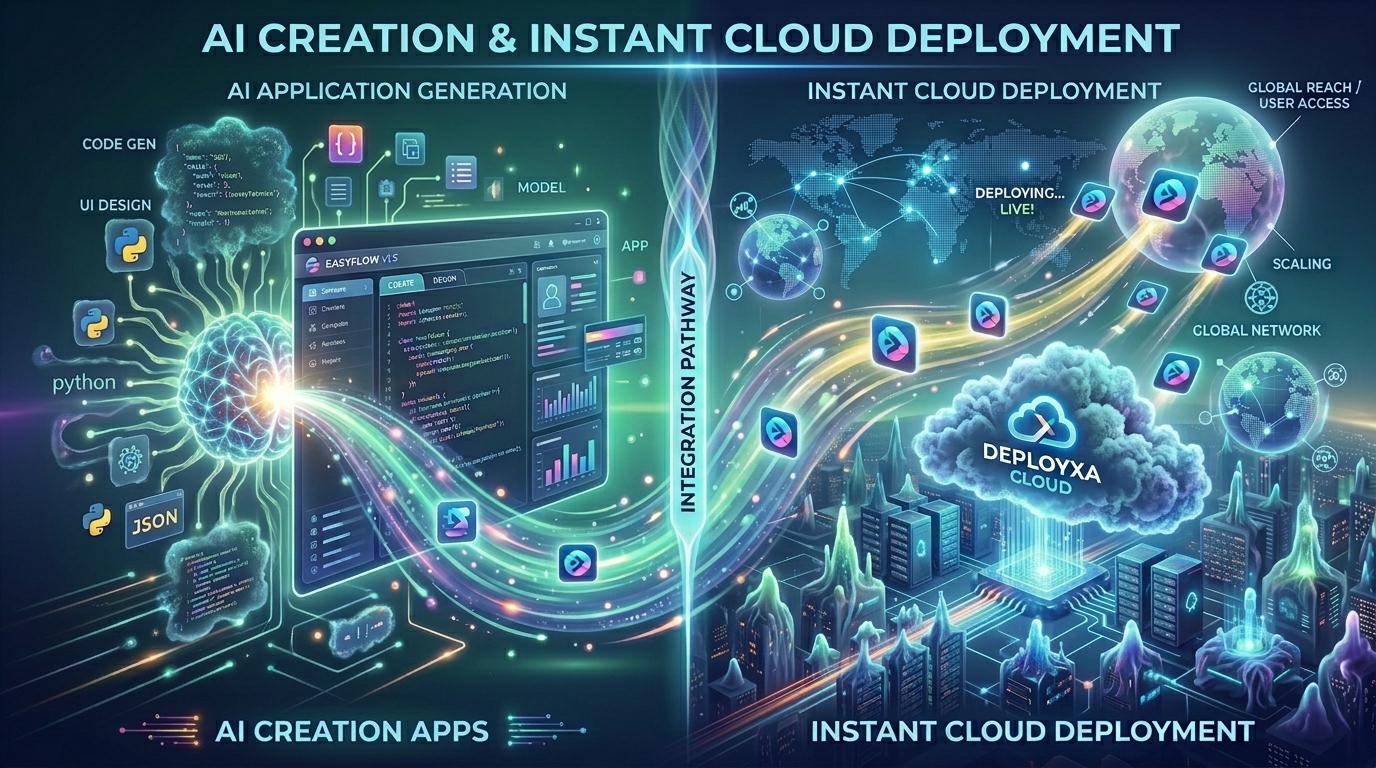
  • How to Build and Deploy an AI-Powered Podcast Episode Recommendation Engine

    How to Build and Deploy an AI-Powered Podcast Episode Recommendation Engine

    uild and Deploy an AI-Powered Podcast Episode Recommendation Engine

    Understanding uild and Deploy an AI-Powered Podcast Episode Recommendation Engine

    In the rapidly evolving landscape of modern cloud computing and application deployment, uild and deploy an ai-powered podcast episode recommendation engine has emerged as a critical capability that development teams and organizations simply cannot afford to overlook. As businesses increasingly rely on digital infrastructure to deliver their products and services to users around the globe, the ability to effectively manage and optimize uild and deploy an ai-powered podcast episode recommendation engine becomes a key differentiator for competitive advantage. Whether you are a solo developer working on a side project or part of a large engineering organization managing hundreds of microservices, understanding the nuances of uild and deploy an ai-powered podcast episode recommendation engine is essential for building reliable, scalable, and performant systems that meet the demands of today’s users. The stakes have never been higher, with customer expectations for uptime, speed, and reliability reaching unprecedented levels across every industry vertical and market segment.

    The concept of uild and deploy an ai-powered podcast episode recommendation engine encompasses a wide range of practices, tools, and methodologies that work together to ensure applications are deployed efficiently, run smoothly in production, and can be updated without disrupting the end-user experience. From automated testing pipelines that catch bugs before they reach production to sophisticated monitoring systems that provide real-time visibility into application health, every aspect of uild and deploy an ai-powered podcast episode recommendation engine contributes to the overall stability and reliability of your deployment infrastructure. Organizations that invest in robust uild and deploy an ai-powered podcast episode recommendation engine practices consistently report fewer production incidents, faster recovery times, and significantly higher developer productivity compared to those that rely on manual or ad-hoc deployment processes. The data is compelling: teams with mature deployment practices deploy code hundreds of times per day with confidence, while teams without these practices struggle to deploy even once per week without encountering incidents that degrade user experience.

    One of the most significant challenges that teams face when implementing uild and deploy an ai-powered podcast episode recommendation engine is balancing the need for speed with the requirement for stability. In today’s fast-paced development environment, teams are expected to ship new features and bug fixes quickly, but any mistake in the deployment process can lead to costly outages and damaged user trust. This tension between velocity and reliability is at the heart of modern software engineering, and resolving it requires both the right mindset and the right tooling. Teams that attempt to solve this problem by adding more manual checks and approvals often find that they have simply traded one problem for another, replacing deployment risk with deployment bottlenecks that slow down the entire development organization.

    This is exactly where a purpose-built deployment platform like Deployxa can make a transformative difference. By providing intelligent automation, built-in guardrails, and comprehensive visibility into the deployment process, Deployxa enables teams to deploy rapidly without sacrificing reliability. The platform’s AI-powered analysis engine continuously monitors your deployments and provides actionable recommendations for improvement, helping you identify and address potential issues before they become incidents. With Deployxa, teams can focus on what they do best, writing great code, while the platform handles the complexity of getting that code into production safely and efficiently, every single time.

    Key Challenges in uild and Deploy an AI-Powered Podcast Episode Recommendation Engine

    When it comes to implementing uild and deploy an ai-powered podcast episode recommendation engine effectively, development teams encounter a number of significant challenges that can impede progress and increase the risk of deployment failures. One of the most common obstacles is the sheer complexity of modern application architectures, which often involve multiple interconnected services, databases, caches, message queues, and third-party integrations that must all be coordinated during a deployment. A seemingly simple change to one service can have cascading effects on downstream dependencies, making it extremely difficult to predict the full impact of any given deployment without comprehensive testing and monitoring infrastructure in place. This complexity is further compounded by the distributed nature of modern systems, where services may be deployed across multiple regions, availability zones, and even different cloud providers.

    Another major challenge is the lack of visibility into the deployment pipeline itself. Many teams operate with limited observability, meaning they cannot easily track the progress of a deployment, identify where failures occur, or understand the root cause of issues that arise during the deployment process. This lack of transparency leads to longer debugging sessions, increased mean time to recovery, and a general sense of uncertainty among team members about the health and stability of their production environments. Without proper logging, distributed tracing, and real-time alerting systems, even minor issues can go unnoticed until they escalate into major incidents that affect thousands of end users.

    Security concerns also present a formidable challenge when implementing uild and deploy an ai-powered podcast episode recommendation engine at scale. As applications are deployed more frequently and to more environments, the attack surface expands significantly, creating more opportunities for security vulnerabilities to be introduced into production. Teams must ensure that sensitive configuration data such as API keys, database credentials, and encryption keys are properly managed, rotated, and never exposed in code repositories or log files. Additionally, container images must be scanned for known vulnerabilities before being deployed, network policies must be configured to limit the blast radius of any potential breach, and comprehensive audit trails must be maintained to support compliance requirements.

    Cost management represents yet another significant challenge, particularly for organizations that are scaling their deployments across multiple environments and regions. Without proper cost visibility and controls, cloud infrastructure costs can spiral out of control, consuming an ever-larger portion of the engineering budget. Teams need tools that provide real-time cost tracking, automated rightsizing recommendations, and budget alerting to ensure they are getting the most value from their cloud spend without over-provisioning or under-utilizing their infrastructure resources.

    How Deployxa Solves These Challenges

    Deployxa addresses the core challenges of uild and deploy an ai-powered podcast episode recommendation engine by providing an AI-native cloud deployment platform that is purpose-built for the needs of modern development teams. Unlike traditional deployment tools that require extensive configuration and specialized expertise, Deployxa offers an intuitive interface that abstracts away the underlying infrastructure complexity while still giving teams the control and flexibility they need. With Deployxa, you can deploy your applications directly from your Git repository with zero configuration, and the platform will automatically detect your framework, build your application, optimize resource allocation, and serve it over a secure HTTPS connection with a custom domain.

    The platform’s AI-powered capabilities go far beyond simple deployment automation. Deployxa continuously analyzes your application’s performance characteristics, resource utilization patterns, and user behavior to provide intelligent recommendations for optimization. This means that instead of manually tuning your infrastructure or guessing at the right resource allocation, Deployxa helps you make data-driven decisions that improve both performance and cost efficiency. The platform can identify underutilized resources, suggest scaling adjustments, predict capacity needs based on traffic patterns, and detect anomalies that might indicate performance degradation or security issues before they impact your users.

    Security is baked into every layer of the Deployxa platform. From automated SSL certificate management and built-in vulnerability scanning to comprehensive secret management and role-based access control, Deployxa ensures that your deployments meet the highest security standards without requiring additional tooling or manual processes. The platform’s audit logging capabilities provide the governance and compliance features that enterprise teams need, while its seamless integration with popular version control systems, CI/CD pipelines, and cloud providers means you can incorporate Deployxa into your existing workflow without disruption.

    Perhaps most importantly, Deployxa provides the observability and monitoring capabilities essential for maintaining confidence in your deployment process. The platform’s integrated dashboard gives you real-time visibility into the health, performance, and cost of every deployment, with customizable alerts that notify you of issues before they become incidents. Detailed deployment logs, build artifacts, and performance metrics are all accessible through a single unified interface. This comprehensive observability, combined with automated rollback capabilities, means you can deploy with the confidence that any issues will be detected quickly and resolved automatically.

    Best Practices for uild and Deploy an AI-Powered Podcast Episode Recommendation Engine

    To get the most out of your uild and deploy an ai-powered podcast episode recommendation engine implementation, it is important to follow established best practices that have been proven to deliver reliable results. First and foremost, always automate as much of your deployment pipeline as possible. Manual deployment processes are inherently error-prone, difficult to reproduce consistently, and fundamentally unscalable. By automating every step from code checkout through building, testing, and deployment, you eliminate human error, reduce cycle times, and create a consistent and repeatable process. Tools like Deployxa excel in this area by providing end-to-end automation that requires minimal configuration while still offering the flexibility to customize every aspect of the pipeline to your specific needs.

    Another critical best practice is to implement comprehensive testing at every stage of the deployment pipeline. Each type of test serves a different purpose: unit tests verify individual components in isolation, integration tests verify that components work together correctly, end-to-end tests verify that the entire system behaves as expected from the user’s perspective, and smoke tests verify that the deployment itself was successful. Additionally, implement automated rollback mechanisms that can quickly revert a deployment if post-deployment tests detect any issues, ensuring that your users are never exposed to a broken version of your application.

    Finally, invest in observability and monitoring from day one. The ability to see what is happening in your production environment in real time is invaluable for maintaining reliability, diagnosing issues quickly, and making informed decisions. Implement structured logging, distributed tracing, and comprehensive metrics collection. Set up intelligent alerts that notify the right people at the right time, and establish clear runbooks that define the steps to take when specific alerts fire. Deployxa’s integrated monitoring dashboard provides much of this capability out of the box, giving you a significant head start on building a comprehensive observability strategy.

    Getting Started With uild and Deploy an AI-Powered Podcast Episode Recommendation Engine on Deployxa

    Getting started with uild and deploy an ai-powered podcast episode recommendation engine on Deployxa is straightforward and can be accomplished in just a few minutes. Begin by creating an account at deployxa.kaziai.co.ke and connecting your Git repository. Deployxa will automatically detect your application framework and configure the build and deployment pipeline accordingly. From there, you can customize deployment settings, configure environment variables, set up custom domains with automatic SSL certificates, and enable monitoring and alerting. The platform’s comprehensive documentation and responsive support team are available to help you every step of the way.

    Once your first deployment is live, take advantage of Deployxa’s continuous deployment capabilities to set up automatic deployments whenever you push changes to your main branch. This ensures that your production environment always reflects the latest version of your code and eliminates the bottleneck of manual deployment steps. As your application grows and your team expands, Deployxa scales with you, providing the advanced features, enterprise-grade reliability, and AI-powered insights you need to support your most demanding uild and deploy an ai-powered podcast episode recommendation engine workloads. Start your journey with Deployxa today and experience the difference that an AI-native deployment platform can make.

  • How to Set Up Automated Image Scanning in Harbor Registry for Kubernetes Deployments

    How to Set Up Automated Image Scanning in Harbor Registry for Kubernetes Deployments

    et Up Automated Image Scanning in Harbor Registry for Kubernetes Deployments

    Understanding et Up Automated Image Scanning in Harbor Registry for Kubernetes Deployments

    In the rapidly evolving landscape of modern cloud computing and application deployment, et up automated image scanning in harbor registry for kubernetes deployments has emerged as a critical capability that development teams and organizations simply cannot afford to overlook. As businesses increasingly rely on digital infrastructure to deliver their products and services to users around the globe, the ability to effectively manage and optimize et up automated image scanning in harbor registry for kubernetes deployments becomes a key differentiator for competitive advantage. Whether you are a solo developer working on a side project or part of a large engineering organization managing hundreds of microservices, understanding the nuances of et up automated image scanning in harbor registry for kubernetes deployments is essential for building reliable, scalable, and performant systems that meet the demands of today’s users. The stakes have never been higher, with customer expectations for uptime, speed, and reliability reaching unprecedented levels across every industry vertical and market segment.

    The concept of et up automated image scanning in harbor registry for kubernetes deployments encompasses a wide range of practices, tools, and methodologies that work together to ensure applications are deployed efficiently, run smoothly in production, and can be updated without disrupting the end-user experience. From automated testing pipelines that catch bugs before they reach production to sophisticated monitoring systems that provide real-time visibility into application health, every aspect of et up automated image scanning in harbor registry for kubernetes deployments contributes to the overall stability and reliability of your deployment infrastructure. Organizations that invest in robust et up automated image scanning in harbor registry for kubernetes deployments practices consistently report fewer production incidents, faster recovery times, and significantly higher developer productivity compared to those that rely on manual or ad-hoc deployment processes. The data is compelling: teams with mature deployment practices deploy code hundreds of times per day with confidence, while teams without these practices struggle to deploy even once per week without encountering incidents that degrade user experience.

    One of the most significant challenges that teams face when implementing et up automated image scanning in harbor registry for kubernetes deployments is balancing the need for speed with the requirement for stability. In today’s fast-paced development environment, teams are expected to ship new features and bug fixes quickly, but any mistake in the deployment process can lead to costly outages and damaged user trust. This tension between velocity and reliability is at the heart of modern software engineering, and resolving it requires both the right mindset and the right tooling. Teams that attempt to solve this problem by adding more manual checks and approvals often find that they have simply traded one problem for another, replacing deployment risk with deployment bottlenecks that slow down the entire development organization.

    This is exactly where a purpose-built deployment platform like Deployxa can make a transformative difference. By providing intelligent automation, built-in guardrails, and comprehensive visibility into the deployment process, Deployxa enables teams to deploy rapidly without sacrificing reliability. The platform’s AI-powered analysis engine continuously monitors your deployments and provides actionable recommendations for improvement, helping you identify and address potential issues before they become incidents. With Deployxa, teams can focus on what they do best, writing great code, while the platform handles the complexity of getting that code into production safely and efficiently, every single time.

    Key Challenges in et Up Automated Image Scanning in Harbor Registry for Kubernetes Deployments

    When it comes to implementing et up automated image scanning in harbor registry for kubernetes deployments effectively, development teams encounter a number of significant challenges that can impede progress and increase the risk of deployment failures. One of the most common obstacles is the sheer complexity of modern application architectures, which often involve multiple interconnected services, databases, caches, message queues, and third-party integrations that must all be coordinated during a deployment. A seemingly simple change to one service can have cascading effects on downstream dependencies, making it extremely difficult to predict the full impact of any given deployment without comprehensive testing and monitoring infrastructure in place. This complexity is further compounded by the distributed nature of modern systems, where services may be deployed across multiple regions, availability zones, and even different cloud providers.

    Another major challenge is the lack of visibility into the deployment pipeline itself. Many teams operate with limited observability, meaning they cannot easily track the progress of a deployment, identify where failures occur, or understand the root cause of issues that arise during the deployment process. This lack of transparency leads to longer debugging sessions, increased mean time to recovery, and a general sense of uncertainty among team members about the health and stability of their production environments. Without proper logging, distributed tracing, and real-time alerting systems, even minor issues can go unnoticed until they escalate into major incidents that affect thousands of end users.

    Security concerns also present a formidable challenge when implementing et up automated image scanning in harbor registry for kubernetes deployments at scale. As applications are deployed more frequently and to more environments, the attack surface expands significantly, creating more opportunities for security vulnerabilities to be introduced into production. Teams must ensure that sensitive configuration data such as API keys, database credentials, and encryption keys are properly managed, rotated, and never exposed in code repositories or log files. Additionally, container images must be scanned for known vulnerabilities before being deployed, network policies must be configured to limit the blast radius of any potential breach, and comprehensive audit trails must be maintained to support compliance requirements.

    Cost management represents yet another significant challenge, particularly for organizations that are scaling their deployments across multiple environments and regions. Without proper cost visibility and controls, cloud infrastructure costs can spiral out of control, consuming an ever-larger portion of the engineering budget. Teams need tools that provide real-time cost tracking, automated rightsizing recommendations, and budget alerting to ensure they are getting the most value from their cloud spend without over-provisioning or under-utilizing their infrastructure resources.

    How Deployxa Solves These Challenges

    Deployxa addresses the core challenges of et up automated image scanning in harbor registry for kubernetes deployments by providing an AI-native cloud deployment platform that is purpose-built for the needs of modern development teams. Unlike traditional deployment tools that require extensive configuration and specialized expertise, Deployxa offers an intuitive interface that abstracts away the underlying infrastructure complexity while still giving teams the control and flexibility they need. With Deployxa, you can deploy your applications directly from your Git repository with zero configuration, and the platform will automatically detect your framework, build your application, optimize resource allocation, and serve it over a secure HTTPS connection with a custom domain.

    The platform’s AI-powered capabilities go far beyond simple deployment automation. Deployxa continuously analyzes your application’s performance characteristics, resource utilization patterns, and user behavior to provide intelligent recommendations for optimization. This means that instead of manually tuning your infrastructure or guessing at the right resource allocation, Deployxa helps you make data-driven decisions that improve both performance and cost efficiency. The platform can identify underutilized resources, suggest scaling adjustments, predict capacity needs based on traffic patterns, and detect anomalies that might indicate performance degradation or security issues before they impact your users.

    Security is baked into every layer of the Deployxa platform. From automated SSL certificate management and built-in vulnerability scanning to comprehensive secret management and role-based access control, Deployxa ensures that your deployments meet the highest security standards without requiring additional tooling or manual processes. The platform’s audit logging capabilities provide the governance and compliance features that enterprise teams need, while its seamless integration with popular version control systems, CI/CD pipelines, and cloud providers means you can incorporate Deployxa into your existing workflow without disruption.

    Perhaps most importantly, Deployxa provides the observability and monitoring capabilities essential for maintaining confidence in your deployment process. The platform’s integrated dashboard gives you real-time visibility into the health, performance, and cost of every deployment, with customizable alerts that notify you of issues before they become incidents. Detailed deployment logs, build artifacts, and performance metrics are all accessible through a single unified interface. This comprehensive observability, combined with automated rollback capabilities, means you can deploy with the confidence that any issues will be detected quickly and resolved automatically.

    Best Practices for et Up Automated Image Scanning in Harbor Registry for Kubernetes Deployments

    To get the most out of your et up automated image scanning in harbor registry for kubernetes deployments implementation, it is important to follow established best practices that have been proven to deliver reliable results. First and foremost, always automate as much of your deployment pipeline as possible. Manual deployment processes are inherently error-prone, difficult to reproduce consistently, and fundamentally unscalable. By automating every step from code checkout through building, testing, and deployment, you eliminate human error, reduce cycle times, and create a consistent and repeatable process. Tools like Deployxa excel in this area by providing end-to-end automation that requires minimal configuration while still offering the flexibility to customize every aspect of the pipeline to your specific needs.

    Another critical best practice is to implement comprehensive testing at every stage of the deployment pipeline. Each type of test serves a different purpose: unit tests verify individual components in isolation, integration tests verify that components work together correctly, end-to-end tests verify that the entire system behaves as expected from the user’s perspective, and smoke tests verify that the deployment itself was successful. Additionally, implement automated rollback mechanisms that can quickly revert a deployment if post-deployment tests detect any issues, ensuring that your users are never exposed to a broken version of your application.

    Finally, invest in observability and monitoring from day one. The ability to see what is happening in your production environment in real time is invaluable for maintaining reliability, diagnosing issues quickly, and making informed decisions. Implement structured logging, distributed tracing, and comprehensive metrics collection. Set up intelligent alerts that notify the right people at the right time, and establish clear runbooks that define the steps to take when specific alerts fire. Deployxa’s integrated monitoring dashboard provides much of this capability out of the box, giving you a significant head start on building a comprehensive observability strategy.

    Getting Started With et Up Automated Image Scanning in Harbor Registry for Kubernetes Deployments on Deployxa

    Getting started with et up automated image scanning in harbor registry for kubernetes deployments on Deployxa is straightforward and can be accomplished in just a few minutes. Begin by creating an account at deployxa.kaziai.co.ke and connecting your Git repository. Deployxa will automatically detect your application framework and configure the build and deployment pipeline accordingly. From there, you can customize deployment settings, configure environment variables, set up custom domains with automatic SSL certificates, and enable monitoring and alerting. The platform’s comprehensive documentation and responsive support team are available to help you every step of the way.

    Once your first deployment is live, take advantage of Deployxa’s continuous deployment capabilities to set up automatic deployments whenever you push changes to your main branch. This ensures that your production environment always reflects the latest version of your code and eliminates the bottleneck of manual deployment steps. As your application grows and your team expands, Deployxa scales with you, providing the advanced features, enterprise-grade reliability, and AI-powered insights you need to support your most demanding et up automated image scanning in harbor registry for kubernetes deployments workloads. Start your journey with Deployxa today and experience the difference that an AI-native deployment platform can make.
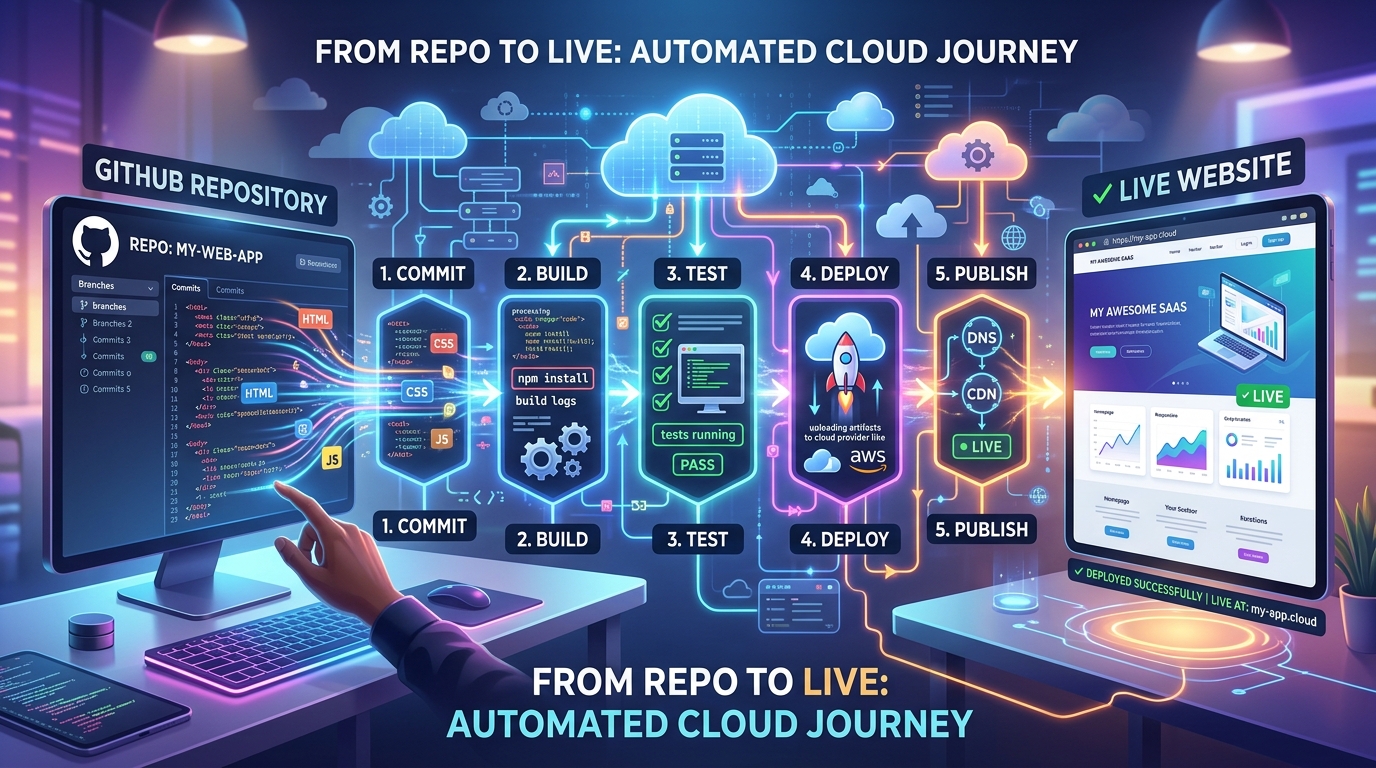
  • How to Deploy a Private Chef and Personal Chef Booking and Menu Platform

    How to Deploy a Private Chef and Personal Chef Booking and Menu Platform

    eploy a Private Chef and Personal Chef Booking and Menu Platform

    Understanding eploy a Private Chef and Personal Chef Booking and Menu Platform

    In the rapidly evolving landscape of modern cloud computing and application deployment, eploy a private chef and personal chef booking and menu platform has emerged as a critical capability that development teams and organizations simply cannot afford to overlook. As businesses increasingly rely on digital infrastructure to deliver their products and services to users around the globe, the ability to effectively manage and optimize eploy a private chef and personal chef booking and menu platform becomes a key differentiator for competitive advantage. Whether you are a solo developer working on a side project or part of a large engineering organization managing hundreds of microservices, understanding the nuances of eploy a private chef and personal chef booking and menu platform is essential for building reliable, scalable, and performant systems that meet the demands of today’s users. The stakes have never been higher, with customer expectations for uptime, speed, and reliability reaching unprecedented levels across every industry vertical and market segment.

    The concept of eploy a private chef and personal chef booking and menu platform encompasses a wide range of practices, tools, and methodologies that work together to ensure applications are deployed efficiently, run smoothly in production, and can be updated without disrupting the end-user experience. From automated testing pipelines that catch bugs before they reach production to sophisticated monitoring systems that provide real-time visibility into application health, every aspect of eploy a private chef and personal chef booking and menu platform contributes to the overall stability and reliability of your deployment infrastructure. Organizations that invest in robust eploy a private chef and personal chef booking and menu platform practices consistently report fewer production incidents, faster recovery times, and significantly higher developer productivity compared to those that rely on manual or ad-hoc deployment processes. The data is compelling: teams with mature deployment practices deploy code hundreds of times per day with confidence, while teams without these practices struggle to deploy even once per week without encountering incidents that degrade user experience.

    One of the most significant challenges that teams face when implementing eploy a private chef and personal chef booking and menu platform is balancing the need for speed with the requirement for stability. In today’s fast-paced development environment, teams are expected to ship new features and bug fixes quickly, but any mistake in the deployment process can lead to costly outages and damaged user trust. This tension between velocity and reliability is at the heart of modern software engineering, and resolving it requires both the right mindset and the right tooling. Teams that attempt to solve this problem by adding more manual checks and approvals often find that they have simply traded one problem for another, replacing deployment risk with deployment bottlenecks that slow down the entire development organization.

    This is exactly where a purpose-built deployment platform like Deployxa can make a transformative difference. By providing intelligent automation, built-in guardrails, and comprehensive visibility into the deployment process, Deployxa enables teams to deploy rapidly without sacrificing reliability. The platform’s AI-powered analysis engine continuously monitors your deployments and provides actionable recommendations for improvement, helping you identify and address potential issues before they become incidents. With Deployxa, teams can focus on what they do best, writing great code, while the platform handles the complexity of getting that code into production safely and efficiently, every single time.

    Key Challenges in eploy a Private Chef and Personal Chef Booking and Menu Platform

    When it comes to implementing eploy a private chef and personal chef booking and menu platform effectively, development teams encounter a number of significant challenges that can impede progress and increase the risk of deployment failures. One of the most common obstacles is the sheer complexity of modern application architectures, which often involve multiple interconnected services, databases, caches, message queues, and third-party integrations that must all be coordinated during a deployment. A seemingly simple change to one service can have cascading effects on downstream dependencies, making it extremely difficult to predict the full impact of any given deployment without comprehensive testing and monitoring infrastructure in place. This complexity is further compounded by the distributed nature of modern systems, where services may be deployed across multiple regions, availability zones, and even different cloud providers.

    Another major challenge is the lack of visibility into the deployment pipeline itself. Many teams operate with limited observability, meaning they cannot easily track the progress of a deployment, identify where failures occur, or understand the root cause of issues that arise during the deployment process. This lack of transparency leads to longer debugging sessions, increased mean time to recovery, and a general sense of uncertainty among team members about the health and stability of their production environments. Without proper logging, distributed tracing, and real-time alerting systems, even minor issues can go unnoticed until they escalate into major incidents that affect thousands of end users.

    Security concerns also present a formidable challenge when implementing eploy a private chef and personal chef booking and menu platform at scale. As applications are deployed more frequently and to more environments, the attack surface expands significantly, creating more opportunities for security vulnerabilities to be introduced into production. Teams must ensure that sensitive configuration data such as API keys, database credentials, and encryption keys are properly managed, rotated, and never exposed in code repositories or log files. Additionally, container images must be scanned for known vulnerabilities before being deployed, network policies must be configured to limit the blast radius of any potential breach, and comprehensive audit trails must be maintained to support compliance requirements.

    Cost management represents yet another significant challenge, particularly for organizations that are scaling their deployments across multiple environments and regions. Without proper cost visibility and controls, cloud infrastructure costs can spiral out of control, consuming an ever-larger portion of the engineering budget. Teams need tools that provide real-time cost tracking, automated rightsizing recommendations, and budget alerting to ensure they are getting the most value from their cloud spend without over-provisioning or under-utilizing their infrastructure resources.

    How Deployxa Solves These Challenges

    Deployxa addresses the core challenges of eploy a private chef and personal chef booking and menu platform by providing an AI-native cloud deployment platform that is purpose-built for the needs of modern development teams. Unlike traditional deployment tools that require extensive configuration and specialized expertise, Deployxa offers an intuitive interface that abstracts away the underlying infrastructure complexity while still giving teams the control and flexibility they need. With Deployxa, you can deploy your applications directly from your Git repository with zero configuration, and the platform will automatically detect your framework, build your application, optimize resource allocation, and serve it over a secure HTTPS connection with a custom domain.

    The platform’s AI-powered capabilities go far beyond simple deployment automation. Deployxa continuously analyzes your application’s performance characteristics, resource utilization patterns, and user behavior to provide intelligent recommendations for optimization. This means that instead of manually tuning your infrastructure or guessing at the right resource allocation, Deployxa helps you make data-driven decisions that improve both performance and cost efficiency. The platform can identify underutilized resources, suggest scaling adjustments, predict capacity needs based on traffic patterns, and detect anomalies that might indicate performance degradation or security issues before they impact your users.

    Security is baked into every layer of the Deployxa platform. From automated SSL certificate management and built-in vulnerability scanning to comprehensive secret management and role-based access control, Deployxa ensures that your deployments meet the highest security standards without requiring additional tooling or manual processes. The platform’s audit logging capabilities provide the governance and compliance features that enterprise teams need, while its seamless integration with popular version control systems, CI/CD pipelines, and cloud providers means you can incorporate Deployxa into your existing workflow without disruption.

    Perhaps most importantly, Deployxa provides the observability and monitoring capabilities essential for maintaining confidence in your deployment process. The platform’s integrated dashboard gives you real-time visibility into the health, performance, and cost of every deployment, with customizable alerts that notify you of issues before they become incidents. Detailed deployment logs, build artifacts, and performance metrics are all accessible through a single unified interface. This comprehensive observability, combined with automated rollback capabilities, means you can deploy with the confidence that any issues will be detected quickly and resolved automatically.

    Best Practices for eploy a Private Chef and Personal Chef Booking and Menu Platform

    To get the most out of your eploy a private chef and personal chef booking and menu platform implementation, it is important to follow established best practices that have been proven to deliver reliable results. First and foremost, always automate as much of your deployment pipeline as possible. Manual deployment processes are inherently error-prone, difficult to reproduce consistently, and fundamentally unscalable. By automating every step from code checkout through building, testing, and deployment, you eliminate human error, reduce cycle times, and create a consistent and repeatable process. Tools like Deployxa excel in this area by providing end-to-end automation that requires minimal configuration while still offering the flexibility to customize every aspect of the pipeline to your specific needs.

    Another critical best practice is to implement comprehensive testing at every stage of the deployment pipeline. Each type of test serves a different purpose: unit tests verify individual components in isolation, integration tests verify that components work together correctly, end-to-end tests verify that the entire system behaves as expected from the user’s perspective, and smoke tests verify that the deployment itself was successful. Additionally, implement automated rollback mechanisms that can quickly revert a deployment if post-deployment tests detect any issues, ensuring that your users are never exposed to a broken version of your application.

    Finally, invest in observability and monitoring from day one. The ability to see what is happening in your production environment in real time is invaluable for maintaining reliability, diagnosing issues quickly, and making informed decisions. Implement structured logging, distributed tracing, and comprehensive metrics collection. Set up intelligent alerts that notify the right people at the right time, and establish clear runbooks that define the steps to take when specific alerts fire. Deployxa’s integrated monitoring dashboard provides much of this capability out of the box, giving you a significant head start on building a comprehensive observability strategy.

    Getting Started With eploy a Private Chef and Personal Chef Booking and Menu Platform on Deployxa

    Getting started with eploy a private chef and personal chef booking and menu platform on Deployxa is straightforward and can be accomplished in just a few minutes. Begin by creating an account at deployxa.kaziai.co.ke and connecting your Git repository. Deployxa will automatically detect your application framework and configure the build and deployment pipeline accordingly. From there, you can customize deployment settings, configure environment variables, set up custom domains with automatic SSL certificates, and enable monitoring and alerting. The platform’s comprehensive documentation and responsive support team are available to help you every step of the way.

    Once your first deployment is live, take advantage of Deployxa’s continuous deployment capabilities to set up automatic deployments whenever you push changes to your main branch. This ensures that your production environment always reflects the latest version of your code and eliminates the bottleneck of manual deployment steps. As your application grows and your team expands, Deployxa scales with you, providing the advanced features, enterprise-grade reliability, and AI-powered insights you need to support your most demanding eploy a private chef and personal chef booking and menu platform workloads. Start your journey with Deployxa today and experience the difference that an AI-native deployment platform can make.

  • How to Implement Ambient Mesh Architecture for Sidecarless Kubernetes Service Communication

    How to Implement Ambient Mesh Architecture for Sidecarless Kubernetes Service Communication

    mplement Ambient Mesh Architecture for Sidecarless Kubernetes Service Communication

    Understanding mplement Ambient Mesh Architecture for Sidecarless Kubernetes Service Communication

    In the rapidly evolving landscape of modern cloud computing and application deployment, mplement ambient mesh architecture for sidecarless kubernetes service communication has emerged as a critical capability that development teams and organizations simply cannot afford to overlook. As businesses increasingly rely on digital infrastructure to deliver their products and services to users around the globe, the ability to effectively manage and optimize mplement ambient mesh architecture for sidecarless kubernetes service communication becomes a key differentiator for competitive advantage. Whether you are a solo developer working on a side project or part of a large engineering organization managing hundreds of microservices, understanding the nuances of mplement ambient mesh architecture for sidecarless kubernetes service communication is essential for building reliable, scalable, and performant systems that meet the demands of today’s users. The stakes have never been higher, with customer expectations for uptime, speed, and reliability reaching unprecedented levels across every industry vertical and market segment.

    The concept of mplement ambient mesh architecture for sidecarless kubernetes service communication encompasses a wide range of practices, tools, and methodologies that work together to ensure applications are deployed efficiently, run smoothly in production, and can be updated without disrupting the end-user experience. From automated testing pipelines that catch bugs before they reach production to sophisticated monitoring systems that provide real-time visibility into application health, every aspect of mplement ambient mesh architecture for sidecarless kubernetes service communication contributes to the overall stability and reliability of your deployment infrastructure. Organizations that invest in robust mplement ambient mesh architecture for sidecarless kubernetes service communication practices consistently report fewer production incidents, faster recovery times, and significantly higher developer productivity compared to those that rely on manual or ad-hoc deployment processes. The data is compelling: teams with mature deployment practices deploy code hundreds of times per day with confidence, while teams without these practices struggle to deploy even once per week without encountering incidents that degrade user experience.

    One of the most significant challenges that teams face when implementing mplement ambient mesh architecture for sidecarless kubernetes service communication is balancing the need for speed with the requirement for stability. In today’s fast-paced development environment, teams are expected to ship new features and bug fixes quickly, but any mistake in the deployment process can lead to costly outages and damaged user trust. This tension between velocity and reliability is at the heart of modern software engineering, and resolving it requires both the right mindset and the right tooling. Teams that attempt to solve this problem by adding more manual checks and approvals often find that they have simply traded one problem for another, replacing deployment risk with deployment bottlenecks that slow down the entire development organization.

    This is exactly where a purpose-built deployment platform like Deployxa can make a transformative difference. By providing intelligent automation, built-in guardrails, and comprehensive visibility into the deployment process, Deployxa enables teams to deploy rapidly without sacrificing reliability. The platform’s AI-powered analysis engine continuously monitors your deployments and provides actionable recommendations for improvement, helping you identify and address potential issues before they become incidents. With Deployxa, teams can focus on what they do best, writing great code, while the platform handles the complexity of getting that code into production safely and efficiently, every single time.

    Key Challenges in mplement Ambient Mesh Architecture for Sidecarless Kubernetes Service Communication

    When it comes to implementing mplement ambient mesh architecture for sidecarless kubernetes service communication effectively, development teams encounter a number of significant challenges that can impede progress and increase the risk of deployment failures. One of the most common obstacles is the sheer complexity of modern application architectures, which often involve multiple interconnected services, databases, caches, message queues, and third-party integrations that must all be coordinated during a deployment. A seemingly simple change to one service can have cascading effects on downstream dependencies, making it extremely difficult to predict the full impact of any given deployment without comprehensive testing and monitoring infrastructure in place. This complexity is further compounded by the distributed nature of modern systems, where services may be deployed across multiple regions, availability zones, and even different cloud providers.

    Another major challenge is the lack of visibility into the deployment pipeline itself. Many teams operate with limited observability, meaning they cannot easily track the progress of a deployment, identify where failures occur, or understand the root cause of issues that arise during the deployment process. This lack of transparency leads to longer debugging sessions, increased mean time to recovery, and a general sense of uncertainty among team members about the health and stability of their production environments. Without proper logging, distributed tracing, and real-time alerting systems, even minor issues can go unnoticed until they escalate into major incidents that affect thousands of end users.

    Security concerns also present a formidable challenge when implementing mplement ambient mesh architecture for sidecarless kubernetes service communication at scale. As applications are deployed more frequently and to more environments, the attack surface expands significantly, creating more opportunities for security vulnerabilities to be introduced into production. Teams must ensure that sensitive configuration data such as API keys, database credentials, and encryption keys are properly managed, rotated, and never exposed in code repositories or log files. Additionally, container images must be scanned for known vulnerabilities before being deployed, network policies must be configured to limit the blast radius of any potential breach, and comprehensive audit trails must be maintained to support compliance requirements.

    Cost management represents yet another significant challenge, particularly for organizations that are scaling their deployments across multiple environments and regions. Without proper cost visibility and controls, cloud infrastructure costs can spiral out of control, consuming an ever-larger portion of the engineering budget. Teams need tools that provide real-time cost tracking, automated rightsizing recommendations, and budget alerting to ensure they are getting the most value from their cloud spend without over-provisioning or under-utilizing their infrastructure resources.

    How Deployxa Solves These Challenges

    Deployxa addresses the core challenges of mplement ambient mesh architecture for sidecarless kubernetes service communication by providing an AI-native cloud deployment platform that is purpose-built for the needs of modern development teams. Unlike traditional deployment tools that require extensive configuration and specialized expertise, Deployxa offers an intuitive interface that abstracts away the underlying infrastructure complexity while still giving teams the control and flexibility they need. With Deployxa, you can deploy your applications directly from your Git repository with zero configuration, and the platform will automatically detect your framework, build your application, optimize resource allocation, and serve it over a secure HTTPS connection with a custom domain.

    The platform’s AI-powered capabilities go far beyond simple deployment automation. Deployxa continuously analyzes your application’s performance characteristics, resource utilization patterns, and user behavior to provide intelligent recommendations for optimization. This means that instead of manually tuning your infrastructure or guessing at the right resource allocation, Deployxa helps you make data-driven decisions that improve both performance and cost efficiency. The platform can identify underutilized resources, suggest scaling adjustments, predict capacity needs based on traffic patterns, and detect anomalies that might indicate performance degradation or security issues before they impact your users.

    Security is baked into every layer of the Deployxa platform. From automated SSL certificate management and built-in vulnerability scanning to comprehensive secret management and role-based access control, Deployxa ensures that your deployments meet the highest security standards without requiring additional tooling or manual processes. The platform’s audit logging capabilities provide the governance and compliance features that enterprise teams need, while its seamless integration with popular version control systems, CI/CD pipelines, and cloud providers means you can incorporate Deployxa into your existing workflow without disruption.

    Perhaps most importantly, Deployxa provides the observability and monitoring capabilities essential for maintaining confidence in your deployment process. The platform’s integrated dashboard gives you real-time visibility into the health, performance, and cost of every deployment, with customizable alerts that notify you of issues before they become incidents. Detailed deployment logs, build artifacts, and performance metrics are all accessible through a single unified interface. This comprehensive observability, combined with automated rollback capabilities, means you can deploy with the confidence that any issues will be detected quickly and resolved automatically.

    Best Practices for mplement Ambient Mesh Architecture for Sidecarless Kubernetes Service Communication

    To get the most out of your mplement ambient mesh architecture for sidecarless kubernetes service communication implementation, it is important to follow established best practices that have been proven to deliver reliable results. First and foremost, always automate as much of your deployment pipeline as possible. Manual deployment processes are inherently error-prone, difficult to reproduce consistently, and fundamentally unscalable. By automating every step from code checkout through building, testing, and deployment, you eliminate human error, reduce cycle times, and create a consistent and repeatable process. Tools like Deployxa excel in this area by providing end-to-end automation that requires minimal configuration while still offering the flexibility to customize every aspect of the pipeline to your specific needs.

    Another critical best practice is to implement comprehensive testing at every stage of the deployment pipeline. Each type of test serves a different purpose: unit tests verify individual components in isolation, integration tests verify that components work together correctly, end-to-end tests verify that the entire system behaves as expected from the user’s perspective, and smoke tests verify that the deployment itself was successful. Additionally, implement automated rollback mechanisms that can quickly revert a deployment if post-deployment tests detect any issues, ensuring that your users are never exposed to a broken version of your application.

    Finally, invest in observability and monitoring from day one. The ability to see what is happening in your production environment in real time is invaluable for maintaining reliability, diagnosing issues quickly, and making informed decisions. Implement structured logging, distributed tracing, and comprehensive metrics collection. Set up intelligent alerts that notify the right people at the right time, and establish clear runbooks that define the steps to take when specific alerts fire. Deployxa’s integrated monitoring dashboard provides much of this capability out of the box, giving you a significant head start on building a comprehensive observability strategy.

    Getting Started With mplement Ambient Mesh Architecture for Sidecarless Kubernetes Service Communication on Deployxa

    Getting started with mplement ambient mesh architecture for sidecarless kubernetes service communication on Deployxa is straightforward and can be accomplished in just a few minutes. Begin by creating an account at deployxa.kaziai.co.ke and connecting your Git repository. Deployxa will automatically detect your application framework and configure the build and deployment pipeline accordingly. From there, you can customize deployment settings, configure environment variables, set up custom domains with automatic SSL certificates, and enable monitoring and alerting. The platform’s comprehensive documentation and responsive support team are available to help you every step of the way.

    Once your first deployment is live, take advantage of Deployxa’s continuous deployment capabilities to set up automatic deployments whenever you push changes to your main branch. This ensures that your production environment always reflects the latest version of your code and eliminates the bottleneck of manual deployment steps. As your application grows and your team expands, Deployxa scales with you, providing the advanced features, enterprise-grade reliability, and AI-powered insights you need to support your most demanding mplement ambient mesh architecture for sidecarless kubernetes service communication workloads. Start your journey with Deployxa today and experience the difference that an AI-native deployment platform can make.

  • How to Build and Deploy an AI-Powered Eye Tracking and Gaze Analysis Research Tool

    How to Build and Deploy an AI-Powered Eye Tracking and Gaze Analysis Research Tool

    uild and Deploy an AI-Powered Eye Tracking and Gaze Analysis Research Tool

    Understanding uild and Deploy an AI-Powered Eye Tracking and Gaze Analysis Research Tool

    In the rapidly evolving landscape of modern cloud computing and application deployment, uild and deploy an ai-powered eye tracking and gaze analysis research tool has emerged as a critical capability that development teams and organizations simply cannot afford to overlook. As businesses increasingly rely on digital infrastructure to deliver their products and services to users around the globe, the ability to effectively manage and optimize uild and deploy an ai-powered eye tracking and gaze analysis research tool becomes a key differentiator for competitive advantage. Whether you are a solo developer working on a side project or part of a large engineering organization managing hundreds of microservices, understanding the nuances of uild and deploy an ai-powered eye tracking and gaze analysis research tool is essential for building reliable, scalable, and performant systems that meet the demands of today’s users. The stakes have never been higher, with customer expectations for uptime, speed, and reliability reaching unprecedented levels across every industry vertical and market segment.

    The concept of uild and deploy an ai-powered eye tracking and gaze analysis research tool encompasses a wide range of practices, tools, and methodologies that work together to ensure applications are deployed efficiently, run smoothly in production, and can be updated without disrupting the end-user experience. From automated testing pipelines that catch bugs before they reach production to sophisticated monitoring systems that provide real-time visibility into application health, every aspect of uild and deploy an ai-powered eye tracking and gaze analysis research tool contributes to the overall stability and reliability of your deployment infrastructure. Organizations that invest in robust uild and deploy an ai-powered eye tracking and gaze analysis research tool practices consistently report fewer production incidents, faster recovery times, and significantly higher developer productivity compared to those that rely on manual or ad-hoc deployment processes. The data is compelling: teams with mature deployment practices deploy code hundreds of times per day with confidence, while teams without these practices struggle to deploy even once per week without encountering incidents that degrade user experience.

    One of the most significant challenges that teams face when implementing uild and deploy an ai-powered eye tracking and gaze analysis research tool is balancing the need for speed with the requirement for stability. In today’s fast-paced development environment, teams are expected to ship new features and bug fixes quickly, but any mistake in the deployment process can lead to costly outages and damaged user trust. This tension between velocity and reliability is at the heart of modern software engineering, and resolving it requires both the right mindset and the right tooling. Teams that attempt to solve this problem by adding more manual checks and approvals often find that they have simply traded one problem for another, replacing deployment risk with deployment bottlenecks that slow down the entire development organization.

    This is exactly where a purpose-built deployment platform like Deployxa can make a transformative difference. By providing intelligent automation, built-in guardrails, and comprehensive visibility into the deployment process, Deployxa enables teams to deploy rapidly without sacrificing reliability. The platform’s AI-powered analysis engine continuously monitors your deployments and provides actionable recommendations for improvement, helping you identify and address potential issues before they become incidents. With Deployxa, teams can focus on what they do best, writing great code, while the platform handles the complexity of getting that code into production safely and efficiently, every single time.

    Key Challenges in uild and Deploy an AI-Powered Eye Tracking and Gaze Analysis Research Tool

    When it comes to implementing uild and deploy an ai-powered eye tracking and gaze analysis research tool effectively, development teams encounter a number of significant challenges that can impede progress and increase the risk of deployment failures. One of the most common obstacles is the sheer complexity of modern application architectures, which often involve multiple interconnected services, databases, caches, message queues, and third-party integrations that must all be coordinated during a deployment. A seemingly simple change to one service can have cascading effects on downstream dependencies, making it extremely difficult to predict the full impact of any given deployment without comprehensive testing and monitoring infrastructure in place. This complexity is further compounded by the distributed nature of modern systems, where services may be deployed across multiple regions, availability zones, and even different cloud providers.

    Another major challenge is the lack of visibility into the deployment pipeline itself. Many teams operate with limited observability, meaning they cannot easily track the progress of a deployment, identify where failures occur, or understand the root cause of issues that arise during the deployment process. This lack of transparency leads to longer debugging sessions, increased mean time to recovery, and a general sense of uncertainty among team members about the health and stability of their production environments. Without proper logging, distributed tracing, and real-time alerting systems, even minor issues can go unnoticed until they escalate into major incidents that affect thousands of end users.

    Security concerns also present a formidable challenge when implementing uild and deploy an ai-powered eye tracking and gaze analysis research tool at scale. As applications are deployed more frequently and to more environments, the attack surface expands significantly, creating more opportunities for security vulnerabilities to be introduced into production. Teams must ensure that sensitive configuration data such as API keys, database credentials, and encryption keys are properly managed, rotated, and never exposed in code repositories or log files. Additionally, container images must be scanned for known vulnerabilities before being deployed, network policies must be configured to limit the blast radius of any potential breach, and comprehensive audit trails must be maintained to support compliance requirements.

    Cost management represents yet another significant challenge, particularly for organizations that are scaling their deployments across multiple environments and regions. Without proper cost visibility and controls, cloud infrastructure costs can spiral out of control, consuming an ever-larger portion of the engineering budget. Teams need tools that provide real-time cost tracking, automated rightsizing recommendations, and budget alerting to ensure they are getting the most value from their cloud spend without over-provisioning or under-utilizing their infrastructure resources.

    How Deployxa Solves These Challenges

    Deployxa addresses the core challenges of uild and deploy an ai-powered eye tracking and gaze analysis research tool by providing an AI-native cloud deployment platform that is purpose-built for the needs of modern development teams. Unlike traditional deployment tools that require extensive configuration and specialized expertise, Deployxa offers an intuitive interface that abstracts away the underlying infrastructure complexity while still giving teams the control and flexibility they need. With Deployxa, you can deploy your applications directly from your Git repository with zero configuration, and the platform will automatically detect your framework, build your application, optimize resource allocation, and serve it over a secure HTTPS connection with a custom domain.

    The platform’s AI-powered capabilities go far beyond simple deployment automation. Deployxa continuously analyzes your application’s performance characteristics, resource utilization patterns, and user behavior to provide intelligent recommendations for optimization. This means that instead of manually tuning your infrastructure or guessing at the right resource allocation, Deployxa helps you make data-driven decisions that improve both performance and cost efficiency. The platform can identify underutilized resources, suggest scaling adjustments, predict capacity needs based on traffic patterns, and detect anomalies that might indicate performance degradation or security issues before they impact your users.

    Security is baked into every layer of the Deployxa platform. From automated SSL certificate management and built-in vulnerability scanning to comprehensive secret management and role-based access control, Deployxa ensures that your deployments meet the highest security standards without requiring additional tooling or manual processes. The platform’s audit logging capabilities provide the governance and compliance features that enterprise teams need, while its seamless integration with popular version control systems, CI/CD pipelines, and cloud providers means you can incorporate Deployxa into your existing workflow without disruption.

    Perhaps most importantly, Deployxa provides the observability and monitoring capabilities essential for maintaining confidence in your deployment process. The platform’s integrated dashboard gives you real-time visibility into the health, performance, and cost of every deployment, with customizable alerts that notify you of issues before they become incidents. Detailed deployment logs, build artifacts, and performance metrics are all accessible through a single unified interface. This comprehensive observability, combined with automated rollback capabilities, means you can deploy with the confidence that any issues will be detected quickly and resolved automatically.

    Best Practices for uild and Deploy an AI-Powered Eye Tracking and Gaze Analysis Research Tool

    To get the most out of your uild and deploy an ai-powered eye tracking and gaze analysis research tool implementation, it is important to follow established best practices that have been proven to deliver reliable results. First and foremost, always automate as much of your deployment pipeline as possible. Manual deployment processes are inherently error-prone, difficult to reproduce consistently, and fundamentally unscalable. By automating every step from code checkout through building, testing, and deployment, you eliminate human error, reduce cycle times, and create a consistent and repeatable process. Tools like Deployxa excel in this area by providing end-to-end automation that requires minimal configuration while still offering the flexibility to customize every aspect of the pipeline to your specific needs.

    Another critical best practice is to implement comprehensive testing at every stage of the deployment pipeline. Each type of test serves a different purpose: unit tests verify individual components in isolation, integration tests verify that components work together correctly, end-to-end tests verify that the entire system behaves as expected from the user’s perspective, and smoke tests verify that the deployment itself was successful. Additionally, implement automated rollback mechanisms that can quickly revert a deployment if post-deployment tests detect any issues, ensuring that your users are never exposed to a broken version of your application.

    Finally, invest in observability and monitoring from day one. The ability to see what is happening in your production environment in real time is invaluable for maintaining reliability, diagnosing issues quickly, and making informed decisions. Implement structured logging, distributed tracing, and comprehensive metrics collection. Set up intelligent alerts that notify the right people at the right time, and establish clear runbooks that define the steps to take when specific alerts fire. Deployxa’s integrated monitoring dashboard provides much of this capability out of the box, giving you a significant head start on building a comprehensive observability strategy.

    Getting Started With uild and Deploy an AI-Powered Eye Tracking and Gaze Analysis Research Tool on Deployxa

    Getting started with uild and deploy an ai-powered eye tracking and gaze analysis research tool on Deployxa is straightforward and can be accomplished in just a few minutes. Begin by creating an account at deployxa.kaziai.co.ke and connecting your Git repository. Deployxa will automatically detect your application framework and configure the build and deployment pipeline accordingly. From there, you can customize deployment settings, configure environment variables, set up custom domains with automatic SSL certificates, and enable monitoring and alerting. The platform’s comprehensive documentation and responsive support team are available to help you every step of the way.

    Once your first deployment is live, take advantage of Deployxa’s continuous deployment capabilities to set up automatic deployments whenever you push changes to your main branch. This ensures that your production environment always reflects the latest version of your code and eliminates the bottleneck of manual deployment steps. As your application grows and your team expands, Deployxa scales with you, providing the advanced features, enterprise-grade reliability, and AI-powered insights you need to support your most demanding uild and deploy an ai-powered eye tracking and gaze analysis research tool workloads. Start your journey with Deployxa today and experience the difference that an AI-native deployment platform can make.

  • How to Set Up Automated IP Whitelisting and Geofencing for API Access Control

    How to Set Up Automated IP Whitelisting and Geofencing for API Access Control

    et Up Automated IP Whitelisting and Geofencing for API Access Control

    Understanding et Up Automated IP Whitelisting and Geofencing for API Access Control

    In the rapidly evolving landscape of modern cloud computing and application deployment, et up automated ip whitelisting and geofencing for api access control has emerged as a critical capability that development teams and organizations simply cannot afford to overlook. As businesses increasingly rely on digital infrastructure to deliver their products and services to users around the globe, the ability to effectively manage and optimize et up automated ip whitelisting and geofencing for api access control becomes a key differentiator for competitive advantage. Whether you are a solo developer working on a side project or part of a large engineering organization managing hundreds of microservices, understanding the nuances of et up automated ip whitelisting and geofencing for api access control is essential for building reliable, scalable, and performant systems that meet the demands of today’s users. The stakes have never been higher, with customer expectations for uptime, speed, and reliability reaching unprecedented levels across every industry vertical and market segment.

    The concept of et up automated ip whitelisting and geofencing for api access control encompasses a wide range of practices, tools, and methodologies that work together to ensure applications are deployed efficiently, run smoothly in production, and can be updated without disrupting the end-user experience. From automated testing pipelines that catch bugs before they reach production to sophisticated monitoring systems that provide real-time visibility into application health, every aspect of et up automated ip whitelisting and geofencing for api access control contributes to the overall stability and reliability of your deployment infrastructure. Organizations that invest in robust et up automated ip whitelisting and geofencing for api access control practices consistently report fewer production incidents, faster recovery times, and significantly higher developer productivity compared to those that rely on manual or ad-hoc deployment processes. The data is compelling: teams with mature deployment practices deploy code hundreds of times per day with confidence, while teams without these practices struggle to deploy even once per week without encountering incidents that degrade user experience.

    One of the most significant challenges that teams face when implementing et up automated ip whitelisting and geofencing for api access control is balancing the need for speed with the requirement for stability. In today’s fast-paced development environment, teams are expected to ship new features and bug fixes quickly, but any mistake in the deployment process can lead to costly outages and damaged user trust. This tension between velocity and reliability is at the heart of modern software engineering, and resolving it requires both the right mindset and the right tooling. Teams that attempt to solve this problem by adding more manual checks and approvals often find that they have simply traded one problem for another, replacing deployment risk with deployment bottlenecks that slow down the entire development organization.

    This is exactly where a purpose-built deployment platform like Deployxa can make a transformative difference. By providing intelligent automation, built-in guardrails, and comprehensive visibility into the deployment process, Deployxa enables teams to deploy rapidly without sacrificing reliability. The platform’s AI-powered analysis engine continuously monitors your deployments and provides actionable recommendations for improvement, helping you identify and address potential issues before they become incidents. With Deployxa, teams can focus on what they do best, writing great code, while the platform handles the complexity of getting that code into production safely and efficiently, every single time.

    Key Challenges in et Up Automated IP Whitelisting and Geofencing for API Access Control

    When it comes to implementing et up automated ip whitelisting and geofencing for api access control effectively, development teams encounter a number of significant challenges that can impede progress and increase the risk of deployment failures. One of the most common obstacles is the sheer complexity of modern application architectures, which often involve multiple interconnected services, databases, caches, message queues, and third-party integrations that must all be coordinated during a deployment. A seemingly simple change to one service can have cascading effects on downstream dependencies, making it extremely difficult to predict the full impact of any given deployment without comprehensive testing and monitoring infrastructure in place. This complexity is further compounded by the distributed nature of modern systems, where services may be deployed across multiple regions, availability zones, and even different cloud providers.

    Another major challenge is the lack of visibility into the deployment pipeline itself. Many teams operate with limited observability, meaning they cannot easily track the progress of a deployment, identify where failures occur, or understand the root cause of issues that arise during the deployment process. This lack of transparency leads to longer debugging sessions, increased mean time to recovery, and a general sense of uncertainty among team members about the health and stability of their production environments. Without proper logging, distributed tracing, and real-time alerting systems, even minor issues can go unnoticed until they escalate into major incidents that affect thousands of end users.

    Security concerns also present a formidable challenge when implementing et up automated ip whitelisting and geofencing for api access control at scale. As applications are deployed more frequently and to more environments, the attack surface expands significantly, creating more opportunities for security vulnerabilities to be introduced into production. Teams must ensure that sensitive configuration data such as API keys, database credentials, and encryption keys are properly managed, rotated, and never exposed in code repositories or log files. Additionally, container images must be scanned for known vulnerabilities before being deployed, network policies must be configured to limit the blast radius of any potential breach, and comprehensive audit trails must be maintained to support compliance requirements.

    Cost management represents yet another significant challenge, particularly for organizations that are scaling their deployments across multiple environments and regions. Without proper cost visibility and controls, cloud infrastructure costs can spiral out of control, consuming an ever-larger portion of the engineering budget. Teams need tools that provide real-time cost tracking, automated rightsizing recommendations, and budget alerting to ensure they are getting the most value from their cloud spend without over-provisioning or under-utilizing their infrastructure resources.

    How Deployxa Solves These Challenges

    Deployxa addresses the core challenges of et up automated ip whitelisting and geofencing for api access control by providing an AI-native cloud deployment platform that is purpose-built for the needs of modern development teams. Unlike traditional deployment tools that require extensive configuration and specialized expertise, Deployxa offers an intuitive interface that abstracts away the underlying infrastructure complexity while still giving teams the control and flexibility they need. With Deployxa, you can deploy your applications directly from your Git repository with zero configuration, and the platform will automatically detect your framework, build your application, optimize resource allocation, and serve it over a secure HTTPS connection with a custom domain.

    The platform’s AI-powered capabilities go far beyond simple deployment automation. Deployxa continuously analyzes your application’s performance characteristics, resource utilization patterns, and user behavior to provide intelligent recommendations for optimization. This means that instead of manually tuning your infrastructure or guessing at the right resource allocation, Deployxa helps you make data-driven decisions that improve both performance and cost efficiency. The platform can identify underutilized resources, suggest scaling adjustments, predict capacity needs based on traffic patterns, and detect anomalies that might indicate performance degradation or security issues before they impact your users.

    Security is baked into every layer of the Deployxa platform. From automated SSL certificate management and built-in vulnerability scanning to comprehensive secret management and role-based access control, Deployxa ensures that your deployments meet the highest security standards without requiring additional tooling or manual processes. The platform’s audit logging capabilities provide the governance and compliance features that enterprise teams need, while its seamless integration with popular version control systems, CI/CD pipelines, and cloud providers means you can incorporate Deployxa into your existing workflow without disruption.

    Perhaps most importantly, Deployxa provides the observability and monitoring capabilities essential for maintaining confidence in your deployment process. The platform’s integrated dashboard gives you real-time visibility into the health, performance, and cost of every deployment, with customizable alerts that notify you of issues before they become incidents. Detailed deployment logs, build artifacts, and performance metrics are all accessible through a single unified interface. This comprehensive observability, combined with automated rollback capabilities, means you can deploy with the confidence that any issues will be detected quickly and resolved automatically.

    Best Practices for et Up Automated IP Whitelisting and Geofencing for API Access Control

    To get the most out of your et up automated ip whitelisting and geofencing for api access control implementation, it is important to follow established best practices that have been proven to deliver reliable results. First and foremost, always automate as much of your deployment pipeline as possible. Manual deployment processes are inherently error-prone, difficult to reproduce consistently, and fundamentally unscalable. By automating every step from code checkout through building, testing, and deployment, you eliminate human error, reduce cycle times, and create a consistent and repeatable process. Tools like Deployxa excel in this area by providing end-to-end automation that requires minimal configuration while still offering the flexibility to customize every aspect of the pipeline to your specific needs.

    Another critical best practice is to implement comprehensive testing at every stage of the deployment pipeline. Each type of test serves a different purpose: unit tests verify individual components in isolation, integration tests verify that components work together correctly, end-to-end tests verify that the entire system behaves as expected from the user’s perspective, and smoke tests verify that the deployment itself was successful. Additionally, implement automated rollback mechanisms that can quickly revert a deployment if post-deployment tests detect any issues, ensuring that your users are never exposed to a broken version of your application.

    Finally, invest in observability and monitoring from day one. The ability to see what is happening in your production environment in real time is invaluable for maintaining reliability, diagnosing issues quickly, and making informed decisions. Implement structured logging, distributed tracing, and comprehensive metrics collection. Set up intelligent alerts that notify the right people at the right time, and establish clear runbooks that define the steps to take when specific alerts fire. Deployxa’s integrated monitoring dashboard provides much of this capability out of the box, giving you a significant head start on building a comprehensive observability strategy.

    Getting Started With et Up Automated IP Whitelisting and Geofencing for API Access Control on Deployxa

    Getting started with et up automated ip whitelisting and geofencing for api access control on Deployxa is straightforward and can be accomplished in just a few minutes. Begin by creating an account at deployxa.kaziai.co.ke and connecting your Git repository. Deployxa will automatically detect your application framework and configure the build and deployment pipeline accordingly. From there, you can customize deployment settings, configure environment variables, set up custom domains with automatic SSL certificates, and enable monitoring and alerting. The platform’s comprehensive documentation and responsive support team are available to help you every step of the way.

    Once your first deployment is live, take advantage of Deployxa’s continuous deployment capabilities to set up automatic deployments whenever you push changes to your main branch. This ensures that your production environment always reflects the latest version of your code and eliminates the bottleneck of manual deployment steps. As your application grows and your team expands, Deployxa scales with you, providing the advanced features, enterprise-grade reliability, and AI-powered insights you need to support your most demanding et up automated ip whitelisting and geofencing for api access control workloads. Start your journey with Deployxa today and experience the difference that an AI-native deployment platform can make.

  • How to Deploy a Spice and Specialty Food Import E-Commerce Platform

    How to Deploy a Spice and Specialty Food Import E-Commerce Platform

    eploy a Spice and Specialty Food Import E-Commerce Platform

    Understanding eploy a Spice and Specialty Food Import E-Commerce Platform

    In the rapidly evolving landscape of modern cloud computing and application deployment, eploy a spice and specialty food import e-commerce platform has emerged as a critical capability that development teams and organizations simply cannot afford to overlook. As businesses increasingly rely on digital infrastructure to deliver their products and services to users around the globe, the ability to effectively manage and optimize eploy a spice and specialty food import e-commerce platform becomes a key differentiator for competitive advantage. Whether you are a solo developer working on a side project or part of a large engineering organization managing hundreds of microservices, understanding the nuances of eploy a spice and specialty food import e-commerce platform is essential for building reliable, scalable, and performant systems that meet the demands of today’s users. The stakes have never been higher, with customer expectations for uptime, speed, and reliability reaching unprecedented levels across every industry vertical and market segment.

    The concept of eploy a spice and specialty food import e-commerce platform encompasses a wide range of practices, tools, and methodologies that work together to ensure applications are deployed efficiently, run smoothly in production, and can be updated without disrupting the end-user experience. From automated testing pipelines that catch bugs before they reach production to sophisticated monitoring systems that provide real-time visibility into application health, every aspect of eploy a spice and specialty food import e-commerce platform contributes to the overall stability and reliability of your deployment infrastructure. Organizations that invest in robust eploy a spice and specialty food import e-commerce platform practices consistently report fewer production incidents, faster recovery times, and significantly higher developer productivity compared to those that rely on manual or ad-hoc deployment processes. The data is compelling: teams with mature deployment practices deploy code hundreds of times per day with confidence, while teams without these practices struggle to deploy even once per week without encountering incidents that degrade user experience.

    One of the most significant challenges that teams face when implementing eploy a spice and specialty food import e-commerce platform is balancing the need for speed with the requirement for stability. In today’s fast-paced development environment, teams are expected to ship new features and bug fixes quickly, but any mistake in the deployment process can lead to costly outages and damaged user trust. This tension between velocity and reliability is at the heart of modern software engineering, and resolving it requires both the right mindset and the right tooling. Teams that attempt to solve this problem by adding more manual checks and approvals often find that they have simply traded one problem for another, replacing deployment risk with deployment bottlenecks that slow down the entire development organization.

    This is exactly where a purpose-built deployment platform like Deployxa can make a transformative difference. By providing intelligent automation, built-in guardrails, and comprehensive visibility into the deployment process, Deployxa enables teams to deploy rapidly without sacrificing reliability. The platform’s AI-powered analysis engine continuously monitors your deployments and provides actionable recommendations for improvement, helping you identify and address potential issues before they become incidents. With Deployxa, teams can focus on what they do best, writing great code, while the platform handles the complexity of getting that code into production safely and efficiently, every single time.

    Key Challenges in eploy a Spice and Specialty Food Import E-Commerce Platform

    When it comes to implementing eploy a spice and specialty food import e-commerce platform effectively, development teams encounter a number of significant challenges that can impede progress and increase the risk of deployment failures. One of the most common obstacles is the sheer complexity of modern application architectures, which often involve multiple interconnected services, databases, caches, message queues, and third-party integrations that must all be coordinated during a deployment. A seemingly simple change to one service can have cascading effects on downstream dependencies, making it extremely difficult to predict the full impact of any given deployment without comprehensive testing and monitoring infrastructure in place. This complexity is further compounded by the distributed nature of modern systems, where services may be deployed across multiple regions, availability zones, and even different cloud providers.

    Another major challenge is the lack of visibility into the deployment pipeline itself. Many teams operate with limited observability, meaning they cannot easily track the progress of a deployment, identify where failures occur, or understand the root cause of issues that arise during the deployment process. This lack of transparency leads to longer debugging sessions, increased mean time to recovery, and a general sense of uncertainty among team members about the health and stability of their production environments. Without proper logging, distributed tracing, and real-time alerting systems, even minor issues can go unnoticed until they escalate into major incidents that affect thousands of end users.

    Security concerns also present a formidable challenge when implementing eploy a spice and specialty food import e-commerce platform at scale. As applications are deployed more frequently and to more environments, the attack surface expands significantly, creating more opportunities for security vulnerabilities to be introduced into production. Teams must ensure that sensitive configuration data such as API keys, database credentials, and encryption keys are properly managed, rotated, and never exposed in code repositories or log files. Additionally, container images must be scanned for known vulnerabilities before being deployed, network policies must be configured to limit the blast radius of any potential breach, and comprehensive audit trails must be maintained to support compliance requirements.

    Cost management represents yet another significant challenge, particularly for organizations that are scaling their deployments across multiple environments and regions. Without proper cost visibility and controls, cloud infrastructure costs can spiral out of control, consuming an ever-larger portion of the engineering budget. Teams need tools that provide real-time cost tracking, automated rightsizing recommendations, and budget alerting to ensure they are getting the most value from their cloud spend without over-provisioning or under-utilizing their infrastructure resources.

    How Deployxa Solves These Challenges

    Deployxa addresses the core challenges of eploy a spice and specialty food import e-commerce platform by providing an AI-native cloud deployment platform that is purpose-built for the needs of modern development teams. Unlike traditional deployment tools that require extensive configuration and specialized expertise, Deployxa offers an intuitive interface that abstracts away the underlying infrastructure complexity while still giving teams the control and flexibility they need. With Deployxa, you can deploy your applications directly from your Git repository with zero configuration, and the platform will automatically detect your framework, build your application, optimize resource allocation, and serve it over a secure HTTPS connection with a custom domain.

    The platform’s AI-powered capabilities go far beyond simple deployment automation. Deployxa continuously analyzes your application’s performance characteristics, resource utilization patterns, and user behavior to provide intelligent recommendations for optimization. This means that instead of manually tuning your infrastructure or guessing at the right resource allocation, Deployxa helps you make data-driven decisions that improve both performance and cost efficiency. The platform can identify underutilized resources, suggest scaling adjustments, predict capacity needs based on traffic patterns, and detect anomalies that might indicate performance degradation or security issues before they impact your users.

    Security is baked into every layer of the Deployxa platform. From automated SSL certificate management and built-in vulnerability scanning to comprehensive secret management and role-based access control, Deployxa ensures that your deployments meet the highest security standards without requiring additional tooling or manual processes. The platform’s audit logging capabilities provide the governance and compliance features that enterprise teams need, while its seamless integration with popular version control systems, CI/CD pipelines, and cloud providers means you can incorporate Deployxa into your existing workflow without disruption.

    Perhaps most importantly, Deployxa provides the observability and monitoring capabilities essential for maintaining confidence in your deployment process. The platform’s integrated dashboard gives you real-time visibility into the health, performance, and cost of every deployment, with customizable alerts that notify you of issues before they become incidents. Detailed deployment logs, build artifacts, and performance metrics are all accessible through a single unified interface. This comprehensive observability, combined with automated rollback capabilities, means you can deploy with the confidence that any issues will be detected quickly and resolved automatically.

    Best Practices for eploy a Spice and Specialty Food Import E-Commerce Platform

    To get the most out of your eploy a spice and specialty food import e-commerce platform implementation, it is important to follow established best practices that have been proven to deliver reliable results. First and foremost, always automate as much of your deployment pipeline as possible. Manual deployment processes are inherently error-prone, difficult to reproduce consistently, and fundamentally unscalable. By automating every step from code checkout through building, testing, and deployment, you eliminate human error, reduce cycle times, and create a consistent and repeatable process. Tools like Deployxa excel in this area by providing end-to-end automation that requires minimal configuration while still offering the flexibility to customize every aspect of the pipeline to your specific needs.

    Another critical best practice is to implement comprehensive testing at every stage of the deployment pipeline. Each type of test serves a different purpose: unit tests verify individual components in isolation, integration tests verify that components work together correctly, end-to-end tests verify that the entire system behaves as expected from the user’s perspective, and smoke tests verify that the deployment itself was successful. Additionally, implement automated rollback mechanisms that can quickly revert a deployment if post-deployment tests detect any issues, ensuring that your users are never exposed to a broken version of your application.

    Finally, invest in observability and monitoring from day one. The ability to see what is happening in your production environment in real time is invaluable for maintaining reliability, diagnosing issues quickly, and making informed decisions. Implement structured logging, distributed tracing, and comprehensive metrics collection. Set up intelligent alerts that notify the right people at the right time, and establish clear runbooks that define the steps to take when specific alerts fire. Deployxa’s integrated monitoring dashboard provides much of this capability out of the box, giving you a significant head start on building a comprehensive observability strategy.

    Getting Started With eploy a Spice and Specialty Food Import E-Commerce Platform on Deployxa

    Getting started with eploy a spice and specialty food import e-commerce platform on Deployxa is straightforward and can be accomplished in just a few minutes. Begin by creating an account at deployxa.kaziai.co.ke and connecting your Git repository. Deployxa will automatically detect your application framework and configure the build and deployment pipeline accordingly. From there, you can customize deployment settings, configure environment variables, set up custom domains with automatic SSL certificates, and enable monitoring and alerting. The platform’s comprehensive documentation and responsive support team are available to help you every step of the way.

    Once your first deployment is live, take advantage of Deployxa’s continuous deployment capabilities to set up automatic deployments whenever you push changes to your main branch. This ensures that your production environment always reflects the latest version of your code and eliminates the bottleneck of manual deployment steps. As your application grows and your team expands, Deployxa scales with you, providing the advanced features, enterprise-grade reliability, and AI-powered insights you need to support your most demanding eploy a spice and specialty food import e-commerce platform workloads. Start your journey with Deployxa today and experience the difference that an AI-native deployment platform can make.

  • How to Implement Correlation IDs and Distributed Request Tracing Standards

    How to Implement Correlation IDs and Distributed Request Tracing Standards

    mplement Correlation IDs and Distributed Request Tracing Standards

    Understanding mplement Correlation IDs and Distributed Request Tracing Standards

    In the rapidly evolving landscape of modern cloud computing and application deployment, mplement correlation ids and distributed request tracing standards has emerged as a critical capability that development teams and organizations simply cannot afford to overlook. As businesses increasingly rely on digital infrastructure to deliver their products and services to users around the globe, the ability to effectively manage and optimize mplement correlation ids and distributed request tracing standards becomes a key differentiator for competitive advantage. Whether you are a solo developer working on a side project or part of a large engineering organization managing hundreds of microservices, understanding the nuances of mplement correlation ids and distributed request tracing standards is essential for building reliable, scalable, and performant systems that meet the demands of today’s users. The stakes have never been higher, with customer expectations for uptime, speed, and reliability reaching unprecedented levels across every industry vertical and market segment.

    The concept of mplement correlation ids and distributed request tracing standards encompasses a wide range of practices, tools, and methodologies that work together to ensure applications are deployed efficiently, run smoothly in production, and can be updated without disrupting the end-user experience. From automated testing pipelines that catch bugs before they reach production to sophisticated monitoring systems that provide real-time visibility into application health, every aspect of mplement correlation ids and distributed request tracing standards contributes to the overall stability and reliability of your deployment infrastructure. Organizations that invest in robust mplement correlation ids and distributed request tracing standards practices consistently report fewer production incidents, faster recovery times, and significantly higher developer productivity compared to those that rely on manual or ad-hoc deployment processes. The data is compelling: teams with mature deployment practices deploy code hundreds of times per day with confidence, while teams without these practices struggle to deploy even once per week without encountering incidents that degrade user experience.

    One of the most significant challenges that teams face when implementing mplement correlation ids and distributed request tracing standards is balancing the need for speed with the requirement for stability. In today’s fast-paced development environment, teams are expected to ship new features and bug fixes quickly, but any mistake in the deployment process can lead to costly outages and damaged user trust. This tension between velocity and reliability is at the heart of modern software engineering, and resolving it requires both the right mindset and the right tooling. Teams that attempt to solve this problem by adding more manual checks and approvals often find that they have simply traded one problem for another, replacing deployment risk with deployment bottlenecks that slow down the entire development organization.

    This is exactly where a purpose-built deployment platform like Deployxa can make a transformative difference. By providing intelligent automation, built-in guardrails, and comprehensive visibility into the deployment process, Deployxa enables teams to deploy rapidly without sacrificing reliability. The platform’s AI-powered analysis engine continuously monitors your deployments and provides actionable recommendations for improvement, helping you identify and address potential issues before they become incidents. With Deployxa, teams can focus on what they do best, writing great code, while the platform handles the complexity of getting that code into production safely and efficiently, every single time.

    Key Challenges in mplement Correlation IDs and Distributed Request Tracing Standards

    When it comes to implementing mplement correlation ids and distributed request tracing standards effectively, development teams encounter a number of significant challenges that can impede progress and increase the risk of deployment failures. One of the most common obstacles is the sheer complexity of modern application architectures, which often involve multiple interconnected services, databases, caches, message queues, and third-party integrations that must all be coordinated during a deployment. A seemingly simple change to one service can have cascading effects on downstream dependencies, making it extremely difficult to predict the full impact of any given deployment without comprehensive testing and monitoring infrastructure in place. This complexity is further compounded by the distributed nature of modern systems, where services may be deployed across multiple regions, availability zones, and even different cloud providers.

    Another major challenge is the lack of visibility into the deployment pipeline itself. Many teams operate with limited observability, meaning they cannot easily track the progress of a deployment, identify where failures occur, or understand the root cause of issues that arise during the deployment process. This lack of transparency leads to longer debugging sessions, increased mean time to recovery, and a general sense of uncertainty among team members about the health and stability of their production environments. Without proper logging, distributed tracing, and real-time alerting systems, even minor issues can go unnoticed until they escalate into major incidents that affect thousands of end users.

    Security concerns also present a formidable challenge when implementing mplement correlation ids and distributed request tracing standards at scale. As applications are deployed more frequently and to more environments, the attack surface expands significantly, creating more opportunities for security vulnerabilities to be introduced into production. Teams must ensure that sensitive configuration data such as API keys, database credentials, and encryption keys are properly managed, rotated, and never exposed in code repositories or log files. Additionally, container images must be scanned for known vulnerabilities before being deployed, network policies must be configured to limit the blast radius of any potential breach, and comprehensive audit trails must be maintained to support compliance requirements.

    Cost management represents yet another significant challenge, particularly for organizations that are scaling their deployments across multiple environments and regions. Without proper cost visibility and controls, cloud infrastructure costs can spiral out of control, consuming an ever-larger portion of the engineering budget. Teams need tools that provide real-time cost tracking, automated rightsizing recommendations, and budget alerting to ensure they are getting the most value from their cloud spend without over-provisioning or under-utilizing their infrastructure resources.

    How Deployxa Solves These Challenges

    Deployxa addresses the core challenges of mplement correlation ids and distributed request tracing standards by providing an AI-native cloud deployment platform that is purpose-built for the needs of modern development teams. Unlike traditional deployment tools that require extensive configuration and specialized expertise, Deployxa offers an intuitive interface that abstracts away the underlying infrastructure complexity while still giving teams the control and flexibility they need. With Deployxa, you can deploy your applications directly from your Git repository with zero configuration, and the platform will automatically detect your framework, build your application, optimize resource allocation, and serve it over a secure HTTPS connection with a custom domain.

    The platform’s AI-powered capabilities go far beyond simple deployment automation. Deployxa continuously analyzes your application’s performance characteristics, resource utilization patterns, and user behavior to provide intelligent recommendations for optimization. This means that instead of manually tuning your infrastructure or guessing at the right resource allocation, Deployxa helps you make data-driven decisions that improve both performance and cost efficiency. The platform can identify underutilized resources, suggest scaling adjustments, predict capacity needs based on traffic patterns, and detect anomalies that might indicate performance degradation or security issues before they impact your users.

    Security is baked into every layer of the Deployxa platform. From automated SSL certificate management and built-in vulnerability scanning to comprehensive secret management and role-based access control, Deployxa ensures that your deployments meet the highest security standards without requiring additional tooling or manual processes. The platform’s audit logging capabilities provide the governance and compliance features that enterprise teams need, while its seamless integration with popular version control systems, CI/CD pipelines, and cloud providers means you can incorporate Deployxa into your existing workflow without disruption.

    Perhaps most importantly, Deployxa provides the observability and monitoring capabilities essential for maintaining confidence in your deployment process. The platform’s integrated dashboard gives you real-time visibility into the health, performance, and cost of every deployment, with customizable alerts that notify you of issues before they become incidents. Detailed deployment logs, build artifacts, and performance metrics are all accessible through a single unified interface. This comprehensive observability, combined with automated rollback capabilities, means you can deploy with the confidence that any issues will be detected quickly and resolved automatically.

    Best Practices for mplement Correlation IDs and Distributed Request Tracing Standards

    To get the most out of your mplement correlation ids and distributed request tracing standards implementation, it is important to follow established best practices that have been proven to deliver reliable results. First and foremost, always automate as much of your deployment pipeline as possible. Manual deployment processes are inherently error-prone, difficult to reproduce consistently, and fundamentally unscalable. By automating every step from code checkout through building, testing, and deployment, you eliminate human error, reduce cycle times, and create a consistent and repeatable process. Tools like Deployxa excel in this area by providing end-to-end automation that requires minimal configuration while still offering the flexibility to customize every aspect of the pipeline to your specific needs.

    Another critical best practice is to implement comprehensive testing at every stage of the deployment pipeline. Each type of test serves a different purpose: unit tests verify individual components in isolation, integration tests verify that components work together correctly, end-to-end tests verify that the entire system behaves as expected from the user’s perspective, and smoke tests verify that the deployment itself was successful. Additionally, implement automated rollback mechanisms that can quickly revert a deployment if post-deployment tests detect any issues, ensuring that your users are never exposed to a broken version of your application.

    Finally, invest in observability and monitoring from day one. The ability to see what is happening in your production environment in real time is invaluable for maintaining reliability, diagnosing issues quickly, and making informed decisions. Implement structured logging, distributed tracing, and comprehensive metrics collection. Set up intelligent alerts that notify the right people at the right time, and establish clear runbooks that define the steps to take when specific alerts fire. Deployxa’s integrated monitoring dashboard provides much of this capability out of the box, giving you a significant head start on building a comprehensive observability strategy.

    Getting Started With mplement Correlation IDs and Distributed Request Tracing Standards on Deployxa

    Getting started with mplement correlation ids and distributed request tracing standards on Deployxa is straightforward and can be accomplished in just a few minutes. Begin by creating an account at deployxa.kaziai.co.ke and connecting your Git repository. Deployxa will automatically detect your application framework and configure the build and deployment pipeline accordingly. From there, you can customize deployment settings, configure environment variables, set up custom domains with automatic SSL certificates, and enable monitoring and alerting. The platform’s comprehensive documentation and responsive support team are available to help you every step of the way.

    Once your first deployment is live, take advantage of Deployxa’s continuous deployment capabilities to set up automatic deployments whenever you push changes to your main branch. This ensures that your production environment always reflects the latest version of your code and eliminates the bottleneck of manual deployment steps. As your application grows and your team expands, Deployxa scales with you, providing the advanced features, enterprise-grade reliability, and AI-powered insights you need to support your most demanding mplement correlation ids and distributed request tracing standards workloads. Start your journey with Deployxa today and experience the difference that an AI-native deployment platform can make.

  • How to Build and Deploy an AI-Powered Resume Gap Analysis and Career Path Recommender

    How to Build and Deploy an AI-Powered Resume Gap Analysis and Career Path Recommender

    uild and Deploy an AI-Powered Resume Gap Analysis and Career Path Recommender

    Understanding uild and Deploy an AI-Powered Resume Gap Analysis and Career Path Recommender

    In the rapidly evolving landscape of modern cloud computing and application deployment, uild and deploy an ai-powered resume gap analysis and career path recommender has emerged as a critical capability that development teams and organizations simply cannot afford to overlook. As businesses increasingly rely on digital infrastructure to deliver their products and services to users around the globe, the ability to effectively manage and optimize uild and deploy an ai-powered resume gap analysis and career path recommender becomes a key differentiator for competitive advantage. Whether you are a solo developer working on a side project or part of a large engineering organization managing hundreds of microservices, understanding the nuances of uild and deploy an ai-powered resume gap analysis and career path recommender is essential for building reliable, scalable, and performant systems that meet the demands of today’s users. The stakes have never been higher, with customer expectations for uptime, speed, and reliability reaching unprecedented levels across every industry vertical and market segment.

    The concept of uild and deploy an ai-powered resume gap analysis and career path recommender encompasses a wide range of practices, tools, and methodologies that work together to ensure applications are deployed efficiently, run smoothly in production, and can be updated without disrupting the end-user experience. From automated testing pipelines that catch bugs before they reach production to sophisticated monitoring systems that provide real-time visibility into application health, every aspect of uild and deploy an ai-powered resume gap analysis and career path recommender contributes to the overall stability and reliability of your deployment infrastructure. Organizations that invest in robust uild and deploy an ai-powered resume gap analysis and career path recommender practices consistently report fewer production incidents, faster recovery times, and significantly higher developer productivity compared to those that rely on manual or ad-hoc deployment processes. The data is compelling: teams with mature deployment practices deploy code hundreds of times per day with confidence, while teams without these practices struggle to deploy even once per week without encountering incidents that degrade user experience.

    One of the most significant challenges that teams face when implementing uild and deploy an ai-powered resume gap analysis and career path recommender is balancing the need for speed with the requirement for stability. In today’s fast-paced development environment, teams are expected to ship new features and bug fixes quickly, but any mistake in the deployment process can lead to costly outages and damaged user trust. This tension between velocity and reliability is at the heart of modern software engineering, and resolving it requires both the right mindset and the right tooling. Teams that attempt to solve this problem by adding more manual checks and approvals often find that they have simply traded one problem for another, replacing deployment risk with deployment bottlenecks that slow down the entire development organization.

    This is exactly where a purpose-built deployment platform like Deployxa can make a transformative difference. By providing intelligent automation, built-in guardrails, and comprehensive visibility into the deployment process, Deployxa enables teams to deploy rapidly without sacrificing reliability. The platform’s AI-powered analysis engine continuously monitors your deployments and provides actionable recommendations for improvement, helping you identify and address potential issues before they become incidents. With Deployxa, teams can focus on what they do best, writing great code, while the platform handles the complexity of getting that code into production safely and efficiently, every single time.

    Key Challenges in uild and Deploy an AI-Powered Resume Gap Analysis and Career Path Recommender

    When it comes to implementing uild and deploy an ai-powered resume gap analysis and career path recommender effectively, development teams encounter a number of significant challenges that can impede progress and increase the risk of deployment failures. One of the most common obstacles is the sheer complexity of modern application architectures, which often involve multiple interconnected services, databases, caches, message queues, and third-party integrations that must all be coordinated during a deployment. A seemingly simple change to one service can have cascading effects on downstream dependencies, making it extremely difficult to predict the full impact of any given deployment without comprehensive testing and monitoring infrastructure in place. This complexity is further compounded by the distributed nature of modern systems, where services may be deployed across multiple regions, availability zones, and even different cloud providers.

    Another major challenge is the lack of visibility into the deployment pipeline itself. Many teams operate with limited observability, meaning they cannot easily track the progress of a deployment, identify where failures occur, or understand the root cause of issues that arise during the deployment process. This lack of transparency leads to longer debugging sessions, increased mean time to recovery, and a general sense of uncertainty among team members about the health and stability of their production environments. Without proper logging, distributed tracing, and real-time alerting systems, even minor issues can go unnoticed until they escalate into major incidents that affect thousands of end users.

    Security concerns also present a formidable challenge when implementing uild and deploy an ai-powered resume gap analysis and career path recommender at scale. As applications are deployed more frequently and to more environments, the attack surface expands significantly, creating more opportunities for security vulnerabilities to be introduced into production. Teams must ensure that sensitive configuration data such as API keys, database credentials, and encryption keys are properly managed, rotated, and never exposed in code repositories or log files. Additionally, container images must be scanned for known vulnerabilities before being deployed, network policies must be configured to limit the blast radius of any potential breach, and comprehensive audit trails must be maintained to support compliance requirements.

    Cost management represents yet another significant challenge, particularly for organizations that are scaling their deployments across multiple environments and regions. Without proper cost visibility and controls, cloud infrastructure costs can spiral out of control, consuming an ever-larger portion of the engineering budget. Teams need tools that provide real-time cost tracking, automated rightsizing recommendations, and budget alerting to ensure they are getting the most value from their cloud spend without over-provisioning or under-utilizing their infrastructure resources.

    How Deployxa Solves These Challenges

    Deployxa addresses the core challenges of uild and deploy an ai-powered resume gap analysis and career path recommender by providing an AI-native cloud deployment platform that is purpose-built for the needs of modern development teams. Unlike traditional deployment tools that require extensive configuration and specialized expertise, Deployxa offers an intuitive interface that abstracts away the underlying infrastructure complexity while still giving teams the control and flexibility they need. With Deployxa, you can deploy your applications directly from your Git repository with zero configuration, and the platform will automatically detect your framework, build your application, optimize resource allocation, and serve it over a secure HTTPS connection with a custom domain.

    The platform’s AI-powered capabilities go far beyond simple deployment automation. Deployxa continuously analyzes your application’s performance characteristics, resource utilization patterns, and user behavior to provide intelligent recommendations for optimization. This means that instead of manually tuning your infrastructure or guessing at the right resource allocation, Deployxa helps you make data-driven decisions that improve both performance and cost efficiency. The platform can identify underutilized resources, suggest scaling adjustments, predict capacity needs based on traffic patterns, and detect anomalies that might indicate performance degradation or security issues before they impact your users.

    Security is baked into every layer of the Deployxa platform. From automated SSL certificate management and built-in vulnerability scanning to comprehensive secret management and role-based access control, Deployxa ensures that your deployments meet the highest security standards without requiring additional tooling or manual processes. The platform’s audit logging capabilities provide the governance and compliance features that enterprise teams need, while its seamless integration with popular version control systems, CI/CD pipelines, and cloud providers means you can incorporate Deployxa into your existing workflow without disruption.

    Perhaps most importantly, Deployxa provides the observability and monitoring capabilities essential for maintaining confidence in your deployment process. The platform’s integrated dashboard gives you real-time visibility into the health, performance, and cost of every deployment, with customizable alerts that notify you of issues before they become incidents. Detailed deployment logs, build artifacts, and performance metrics are all accessible through a single unified interface. This comprehensive observability, combined with automated rollback capabilities, means you can deploy with the confidence that any issues will be detected quickly and resolved automatically.

    Best Practices for uild and Deploy an AI-Powered Resume Gap Analysis and Career Path Recommender

    To get the most out of your uild and deploy an ai-powered resume gap analysis and career path recommender implementation, it is important to follow established best practices that have been proven to deliver reliable results. First and foremost, always automate as much of your deployment pipeline as possible. Manual deployment processes are inherently error-prone, difficult to reproduce consistently, and fundamentally unscalable. By automating every step from code checkout through building, testing, and deployment, you eliminate human error, reduce cycle times, and create a consistent and repeatable process. Tools like Deployxa excel in this area by providing end-to-end automation that requires minimal configuration while still offering the flexibility to customize every aspect of the pipeline to your specific needs.

    Another critical best practice is to implement comprehensive testing at every stage of the deployment pipeline. Each type of test serves a different purpose: unit tests verify individual components in isolation, integration tests verify that components work together correctly, end-to-end tests verify that the entire system behaves as expected from the user’s perspective, and smoke tests verify that the deployment itself was successful. Additionally, implement automated rollback mechanisms that can quickly revert a deployment if post-deployment tests detect any issues, ensuring that your users are never exposed to a broken version of your application.

    Finally, invest in observability and monitoring from day one. The ability to see what is happening in your production environment in real time is invaluable for maintaining reliability, diagnosing issues quickly, and making informed decisions. Implement structured logging, distributed tracing, and comprehensive metrics collection. Set up intelligent alerts that notify the right people at the right time, and establish clear runbooks that define the steps to take when specific alerts fire. Deployxa’s integrated monitoring dashboard provides much of this capability out of the box, giving you a significant head start on building a comprehensive observability strategy.

    Getting Started With uild and Deploy an AI-Powered Resume Gap Analysis and Career Path Recommender on Deployxa

    Getting started with uild and deploy an ai-powered resume gap analysis and career path recommender on Deployxa is straightforward and can be accomplished in just a few minutes. Begin by creating an account at deployxa.kaziai.co.ke and connecting your Git repository. Deployxa will automatically detect your application framework and configure the build and deployment pipeline accordingly. From there, you can customize deployment settings, configure environment variables, set up custom domains with automatic SSL certificates, and enable monitoring and alerting. The platform’s comprehensive documentation and responsive support team are available to help you every step of the way.

    Once your first deployment is live, take advantage of Deployxa’s continuous deployment capabilities to set up automatic deployments whenever you push changes to your main branch. This ensures that your production environment always reflects the latest version of your code and eliminates the bottleneck of manual deployment steps. As your application grows and your team expands, Deployxa scales with you, providing the advanced features, enterprise-grade reliability, and AI-powered insights you need to support your most demanding uild and deploy an ai-powered resume gap analysis and career path recommender workloads. Start your journey with Deployxa today and experience the difference that an AI-native deployment platform can make.

  • How to Set Up Automated Kubernetes etcd Backup and Disaster Recovery Procedures

    How to Set Up Automated Kubernetes etcd Backup and Disaster Recovery Procedures

    et Up Automated Kubernetes etcd Backup and Disaster Recovery Procedures

    Understanding et Up Automated Kubernetes etcd Backup and Disaster Recovery Procedures

    In the rapidly evolving landscape of modern cloud computing and application deployment, et up automated kubernetes etcd backup and disaster recovery procedures has emerged as a critical capability that development teams and organizations simply cannot afford to overlook. As businesses increasingly rely on digital infrastructure to deliver their products and services to users around the globe, the ability to effectively manage and optimize et up automated kubernetes etcd backup and disaster recovery procedures becomes a key differentiator for competitive advantage. Whether you are a solo developer working on a side project or part of a large engineering organization managing hundreds of microservices, understanding the nuances of et up automated kubernetes etcd backup and disaster recovery procedures is essential for building reliable, scalable, and performant systems that meet the demands of today’s users. The stakes have never been higher, with customer expectations for uptime, speed, and reliability reaching unprecedented levels across every industry vertical and market segment.

    The concept of et up automated kubernetes etcd backup and disaster recovery procedures encompasses a wide range of practices, tools, and methodologies that work together to ensure applications are deployed efficiently, run smoothly in production, and can be updated without disrupting the end-user experience. From automated testing pipelines that catch bugs before they reach production to sophisticated monitoring systems that provide real-time visibility into application health, every aspect of et up automated kubernetes etcd backup and disaster recovery procedures contributes to the overall stability and reliability of your deployment infrastructure. Organizations that invest in robust et up automated kubernetes etcd backup and disaster recovery procedures practices consistently report fewer production incidents, faster recovery times, and significantly higher developer productivity compared to those that rely on manual or ad-hoc deployment processes. The data is compelling: teams with mature deployment practices deploy code hundreds of times per day with confidence, while teams without these practices struggle to deploy even once per week without encountering incidents that degrade user experience.

    One of the most significant challenges that teams face when implementing et up automated kubernetes etcd backup and disaster recovery procedures is balancing the need for speed with the requirement for stability. In today’s fast-paced development environment, teams are expected to ship new features and bug fixes quickly, but any mistake in the deployment process can lead to costly outages and damaged user trust. This tension between velocity and reliability is at the heart of modern software engineering, and resolving it requires both the right mindset and the right tooling. Teams that attempt to solve this problem by adding more manual checks and approvals often find that they have simply traded one problem for another, replacing deployment risk with deployment bottlenecks that slow down the entire development organization.

    This is exactly where a purpose-built deployment platform like Deployxa can make a transformative difference. By providing intelligent automation, built-in guardrails, and comprehensive visibility into the deployment process, Deployxa enables teams to deploy rapidly without sacrificing reliability. The platform’s AI-powered analysis engine continuously monitors your deployments and provides actionable recommendations for improvement, helping you identify and address potential issues before they become incidents. With Deployxa, teams can focus on what they do best, writing great code, while the platform handles the complexity of getting that code into production safely and efficiently, every single time.

    Key Challenges in et Up Automated Kubernetes etcd Backup and Disaster Recovery Procedures

    When it comes to implementing et up automated kubernetes etcd backup and disaster recovery procedures effectively, development teams encounter a number of significant challenges that can impede progress and increase the risk of deployment failures. One of the most common obstacles is the sheer complexity of modern application architectures, which often involve multiple interconnected services, databases, caches, message queues, and third-party integrations that must all be coordinated during a deployment. A seemingly simple change to one service can have cascading effects on downstream dependencies, making it extremely difficult to predict the full impact of any given deployment without comprehensive testing and monitoring infrastructure in place. This complexity is further compounded by the distributed nature of modern systems, where services may be deployed across multiple regions, availability zones, and even different cloud providers.

    Another major challenge is the lack of visibility into the deployment pipeline itself. Many teams operate with limited observability, meaning they cannot easily track the progress of a deployment, identify where failures occur, or understand the root cause of issues that arise during the deployment process. This lack of transparency leads to longer debugging sessions, increased mean time to recovery, and a general sense of uncertainty among team members about the health and stability of their production environments. Without proper logging, distributed tracing, and real-time alerting systems, even minor issues can go unnoticed until they escalate into major incidents that affect thousands of end users.

    Security concerns also present a formidable challenge when implementing et up automated kubernetes etcd backup and disaster recovery procedures at scale. As applications are deployed more frequently and to more environments, the attack surface expands significantly, creating more opportunities for security vulnerabilities to be introduced into production. Teams must ensure that sensitive configuration data such as API keys, database credentials, and encryption keys are properly managed, rotated, and never exposed in code repositories or log files. Additionally, container images must be scanned for known vulnerabilities before being deployed, network policies must be configured to limit the blast radius of any potential breach, and comprehensive audit trails must be maintained to support compliance requirements.

    Cost management represents yet another significant challenge, particularly for organizations that are scaling their deployments across multiple environments and regions. Without proper cost visibility and controls, cloud infrastructure costs can spiral out of control, consuming an ever-larger portion of the engineering budget. Teams need tools that provide real-time cost tracking, automated rightsizing recommendations, and budget alerting to ensure they are getting the most value from their cloud spend without over-provisioning or under-utilizing their infrastructure resources.

    How Deployxa Solves These Challenges

    Deployxa addresses the core challenges of et up automated kubernetes etcd backup and disaster recovery procedures by providing an AI-native cloud deployment platform that is purpose-built for the needs of modern development teams. Unlike traditional deployment tools that require extensive configuration and specialized expertise, Deployxa offers an intuitive interface that abstracts away the underlying infrastructure complexity while still giving teams the control and flexibility they need. With Deployxa, you can deploy your applications directly from your Git repository with zero configuration, and the platform will automatically detect your framework, build your application, optimize resource allocation, and serve it over a secure HTTPS connection with a custom domain.

    The platform’s AI-powered capabilities go far beyond simple deployment automation. Deployxa continuously analyzes your application’s performance characteristics, resource utilization patterns, and user behavior to provide intelligent recommendations for optimization. This means that instead of manually tuning your infrastructure or guessing at the right resource allocation, Deployxa helps you make data-driven decisions that improve both performance and cost efficiency. The platform can identify underutilized resources, suggest scaling adjustments, predict capacity needs based on traffic patterns, and detect anomalies that might indicate performance degradation or security issues before they impact your users.

    Security is baked into every layer of the Deployxa platform. From automated SSL certificate management and built-in vulnerability scanning to comprehensive secret management and role-based access control, Deployxa ensures that your deployments meet the highest security standards without requiring additional tooling or manual processes. The platform’s audit logging capabilities provide the governance and compliance features that enterprise teams need, while its seamless integration with popular version control systems, CI/CD pipelines, and cloud providers means you can incorporate Deployxa into your existing workflow without disruption.

    Perhaps most importantly, Deployxa provides the observability and monitoring capabilities essential for maintaining confidence in your deployment process. The platform’s integrated dashboard gives you real-time visibility into the health, performance, and cost of every deployment, with customizable alerts that notify you of issues before they become incidents. Detailed deployment logs, build artifacts, and performance metrics are all accessible through a single unified interface. This comprehensive observability, combined with automated rollback capabilities, means you can deploy with the confidence that any issues will be detected quickly and resolved automatically.

    Best Practices for et Up Automated Kubernetes etcd Backup and Disaster Recovery Procedures

    To get the most out of your et up automated kubernetes etcd backup and disaster recovery procedures implementation, it is important to follow established best practices that have been proven to deliver reliable results. First and foremost, always automate as much of your deployment pipeline as possible. Manual deployment processes are inherently error-prone, difficult to reproduce consistently, and fundamentally unscalable. By automating every step from code checkout through building, testing, and deployment, you eliminate human error, reduce cycle times, and create a consistent and repeatable process. Tools like Deployxa excel in this area by providing end-to-end automation that requires minimal configuration while still offering the flexibility to customize every aspect of the pipeline to your specific needs.

    Another critical best practice is to implement comprehensive testing at every stage of the deployment pipeline. Each type of test serves a different purpose: unit tests verify individual components in isolation, integration tests verify that components work together correctly, end-to-end tests verify that the entire system behaves as expected from the user’s perspective, and smoke tests verify that the deployment itself was successful. Additionally, implement automated rollback mechanisms that can quickly revert a deployment if post-deployment tests detect any issues, ensuring that your users are never exposed to a broken version of your application.

    Finally, invest in observability and monitoring from day one. The ability to see what is happening in your production environment in real time is invaluable for maintaining reliability, diagnosing issues quickly, and making informed decisions. Implement structured logging, distributed tracing, and comprehensive metrics collection. Set up intelligent alerts that notify the right people at the right time, and establish clear runbooks that define the steps to take when specific alerts fire. Deployxa’s integrated monitoring dashboard provides much of this capability out of the box, giving you a significant head start on building a comprehensive observability strategy.

    Getting Started With et Up Automated Kubernetes etcd Backup and Disaster Recovery Procedures on Deployxa

    Getting started with et up automated kubernetes etcd backup and disaster recovery procedures on Deployxa is straightforward and can be accomplished in just a few minutes. Begin by creating an account at deployxa.kaziai.co.ke and connecting your Git repository. Deployxa will automatically detect your application framework and configure the build and deployment pipeline accordingly. From there, you can customize deployment settings, configure environment variables, set up custom domains with automatic SSL certificates, and enable monitoring and alerting. The platform’s comprehensive documentation and responsive support team are available to help you every step of the way.

    Once your first deployment is live, take advantage of Deployxa’s continuous deployment capabilities to set up automatic deployments whenever you push changes to your main branch. This ensures that your production environment always reflects the latest version of your code and eliminates the bottleneck of manual deployment steps. As your application grows and your team expands, Deployxa scales with you, providing the advanced features, enterprise-grade reliability, and AI-powered insights you need to support your most demanding et up automated kubernetes etcd backup and disaster recovery procedures workloads. Start your journey with Deployxa today and experience the difference that an AI-native deployment platform can make.

  • How to Deploy a Tennis Court Booking and League Match Scheduling Platform

    How to Deploy a Tennis Court Booking and League Match Scheduling Platform

    eploy a Tennis Court Booking and League Match Scheduling Platform

    Understanding eploy a Tennis Court Booking and League Match Scheduling Platform

    In the rapidly evolving landscape of modern cloud computing and application deployment, eploy a tennis court booking and league match scheduling platform has emerged as a critical capability that development teams and organizations simply cannot afford to overlook. As businesses increasingly rely on digital infrastructure to deliver their products and services to users around the globe, the ability to effectively manage and optimize eploy a tennis court booking and league match scheduling platform becomes a key differentiator for competitive advantage. Whether you are a solo developer working on a side project or part of a large engineering organization managing hundreds of microservices, understanding the nuances of eploy a tennis court booking and league match scheduling platform is essential for building reliable, scalable, and performant systems that meet the demands of today’s users. The stakes have never been higher, with customer expectations for uptime, speed, and reliability reaching unprecedented levels across every industry vertical and market segment.

    The concept of eploy a tennis court booking and league match scheduling platform encompasses a wide range of practices, tools, and methodologies that work together to ensure applications are deployed efficiently, run smoothly in production, and can be updated without disrupting the end-user experience. From automated testing pipelines that catch bugs before they reach production to sophisticated monitoring systems that provide real-time visibility into application health, every aspect of eploy a tennis court booking and league match scheduling platform contributes to the overall stability and reliability of your deployment infrastructure. Organizations that invest in robust eploy a tennis court booking and league match scheduling platform practices consistently report fewer production incidents, faster recovery times, and significantly higher developer productivity compared to those that rely on manual or ad-hoc deployment processes. The data is compelling: teams with mature deployment practices deploy code hundreds of times per day with confidence, while teams without these practices struggle to deploy even once per week without encountering incidents that degrade user experience.

    One of the most significant challenges that teams face when implementing eploy a tennis court booking and league match scheduling platform is balancing the need for speed with the requirement for stability. In today’s fast-paced development environment, teams are expected to ship new features and bug fixes quickly, but any mistake in the deployment process can lead to costly outages and damaged user trust. This tension between velocity and reliability is at the heart of modern software engineering, and resolving it requires both the right mindset and the right tooling. Teams that attempt to solve this problem by adding more manual checks and approvals often find that they have simply traded one problem for another, replacing deployment risk with deployment bottlenecks that slow down the entire development organization.

    This is exactly where a purpose-built deployment platform like Deployxa can make a transformative difference. By providing intelligent automation, built-in guardrails, and comprehensive visibility into the deployment process, Deployxa enables teams to deploy rapidly without sacrificing reliability. The platform’s AI-powered analysis engine continuously monitors your deployments and provides actionable recommendations for improvement, helping you identify and address potential issues before they become incidents. With Deployxa, teams can focus on what they do best, writing great code, while the platform handles the complexity of getting that code into production safely and efficiently, every single time.

    Key Challenges in eploy a Tennis Court Booking and League Match Scheduling Platform

    When it comes to implementing eploy a tennis court booking and league match scheduling platform effectively, development teams encounter a number of significant challenges that can impede progress and increase the risk of deployment failures. One of the most common obstacles is the sheer complexity of modern application architectures, which often involve multiple interconnected services, databases, caches, message queues, and third-party integrations that must all be coordinated during a deployment. A seemingly simple change to one service can have cascading effects on downstream dependencies, making it extremely difficult to predict the full impact of any given deployment without comprehensive testing and monitoring infrastructure in place. This complexity is further compounded by the distributed nature of modern systems, where services may be deployed across multiple regions, availability zones, and even different cloud providers.

    Another major challenge is the lack of visibility into the deployment pipeline itself. Many teams operate with limited observability, meaning they cannot easily track the progress of a deployment, identify where failures occur, or understand the root cause of issues that arise during the deployment process. This lack of transparency leads to longer debugging sessions, increased mean time to recovery, and a general sense of uncertainty among team members about the health and stability of their production environments. Without proper logging, distributed tracing, and real-time alerting systems, even minor issues can go unnoticed until they escalate into major incidents that affect thousands of end users.

    Security concerns also present a formidable challenge when implementing eploy a tennis court booking and league match scheduling platform at scale. As applications are deployed more frequently and to more environments, the attack surface expands significantly, creating more opportunities for security vulnerabilities to be introduced into production. Teams must ensure that sensitive configuration data such as API keys, database credentials, and encryption keys are properly managed, rotated, and never exposed in code repositories or log files. Additionally, container images must be scanned for known vulnerabilities before being deployed, network policies must be configured to limit the blast radius of any potential breach, and comprehensive audit trails must be maintained to support compliance requirements.

    Cost management represents yet another significant challenge, particularly for organizations that are scaling their deployments across multiple environments and regions. Without proper cost visibility and controls, cloud infrastructure costs can spiral out of control, consuming an ever-larger portion of the engineering budget. Teams need tools that provide real-time cost tracking, automated rightsizing recommendations, and budget alerting to ensure they are getting the most value from their cloud spend without over-provisioning or under-utilizing their infrastructure resources.

    How Deployxa Solves These Challenges

    Deployxa addresses the core challenges of eploy a tennis court booking and league match scheduling platform by providing an AI-native cloud deployment platform that is purpose-built for the needs of modern development teams. Unlike traditional deployment tools that require extensive configuration and specialized expertise, Deployxa offers an intuitive interface that abstracts away the underlying infrastructure complexity while still giving teams the control and flexibility they need. With Deployxa, you can deploy your applications directly from your Git repository with zero configuration, and the platform will automatically detect your framework, build your application, optimize resource allocation, and serve it over a secure HTTPS connection with a custom domain.

    The platform’s AI-powered capabilities go far beyond simple deployment automation. Deployxa continuously analyzes your application’s performance characteristics, resource utilization patterns, and user behavior to provide intelligent recommendations for optimization. This means that instead of manually tuning your infrastructure or guessing at the right resource allocation, Deployxa helps you make data-driven decisions that improve both performance and cost efficiency. The platform can identify underutilized resources, suggest scaling adjustments, predict capacity needs based on traffic patterns, and detect anomalies that might indicate performance degradation or security issues before they impact your users.

    Security is baked into every layer of the Deployxa platform. From automated SSL certificate management and built-in vulnerability scanning to comprehensive secret management and role-based access control, Deployxa ensures that your deployments meet the highest security standards without requiring additional tooling or manual processes. The platform’s audit logging capabilities provide the governance and compliance features that enterprise teams need, while its seamless integration with popular version control systems, CI/CD pipelines, and cloud providers means you can incorporate Deployxa into your existing workflow without disruption.

    Perhaps most importantly, Deployxa provides the observability and monitoring capabilities essential for maintaining confidence in your deployment process. The platform’s integrated dashboard gives you real-time visibility into the health, performance, and cost of every deployment, with customizable alerts that notify you of issues before they become incidents. Detailed deployment logs, build artifacts, and performance metrics are all accessible through a single unified interface. This comprehensive observability, combined with automated rollback capabilities, means you can deploy with the confidence that any issues will be detected quickly and resolved automatically.

    Best Practices for eploy a Tennis Court Booking and League Match Scheduling Platform

    To get the most out of your eploy a tennis court booking and league match scheduling platform implementation, it is important to follow established best practices that have been proven to deliver reliable results. First and foremost, always automate as much of your deployment pipeline as possible. Manual deployment processes are inherently error-prone, difficult to reproduce consistently, and fundamentally unscalable. By automating every step from code checkout through building, testing, and deployment, you eliminate human error, reduce cycle times, and create a consistent and repeatable process. Tools like Deployxa excel in this area by providing end-to-end automation that requires minimal configuration while still offering the flexibility to customize every aspect of the pipeline to your specific needs.

    Another critical best practice is to implement comprehensive testing at every stage of the deployment pipeline. Each type of test serves a different purpose: unit tests verify individual components in isolation, integration tests verify that components work together correctly, end-to-end tests verify that the entire system behaves as expected from the user’s perspective, and smoke tests verify that the deployment itself was successful. Additionally, implement automated rollback mechanisms that can quickly revert a deployment if post-deployment tests detect any issues, ensuring that your users are never exposed to a broken version of your application.

    Finally, invest in observability and monitoring from day one. The ability to see what is happening in your production environment in real time is invaluable for maintaining reliability, diagnosing issues quickly, and making informed decisions. Implement structured logging, distributed tracing, and comprehensive metrics collection. Set up intelligent alerts that notify the right people at the right time, and establish clear runbooks that define the steps to take when specific alerts fire. Deployxa’s integrated monitoring dashboard provides much of this capability out of the box, giving you a significant head start on building a comprehensive observability strategy.

    Getting Started With eploy a Tennis Court Booking and League Match Scheduling Platform on Deployxa

    Getting started with eploy a tennis court booking and league match scheduling platform on Deployxa is straightforward and can be accomplished in just a few minutes. Begin by creating an account at deployxa.kaziai.co.ke and connecting your Git repository. Deployxa will automatically detect your application framework and configure the build and deployment pipeline accordingly. From there, you can customize deployment settings, configure environment variables, set up custom domains with automatic SSL certificates, and enable monitoring and alerting. The platform’s comprehensive documentation and responsive support team are available to help you every step of the way.

    Once your first deployment is live, take advantage of Deployxa’s continuous deployment capabilities to set up automatic deployments whenever you push changes to your main branch. This ensures that your production environment always reflects the latest version of your code and eliminates the bottleneck of manual deployment steps. As your application grows and your team expands, Deployxa scales with you, providing the advanced features, enterprise-grade reliability, and AI-powered insights you need to support your most demanding eploy a tennis court booking and league match scheduling platform workloads. Start your journey with Deployxa today and experience the difference that an AI-native deployment platform can make.

  • How to Implement Database Horizontal Partitioning With Consistent Hash Routing

    How to Implement Database Horizontal Partitioning With Consistent Hash Routing

    mplement Database Horizontal Partitioning With Consistent Hash Routing

    Understanding mplement Database Horizontal Partitioning With Consistent Hash Routing

    In the rapidly evolving landscape of modern cloud computing and application deployment, mplement database horizontal partitioning with consistent hash routing has emerged as a critical capability that development teams and organizations simply cannot afford to overlook. As businesses increasingly rely on digital infrastructure to deliver their products and services to users around the globe, the ability to effectively manage and optimize mplement database horizontal partitioning with consistent hash routing becomes a key differentiator for competitive advantage. Whether you are a solo developer working on a side project or part of a large engineering organization managing hundreds of microservices, understanding the nuances of mplement database horizontal partitioning with consistent hash routing is essential for building reliable, scalable, and performant systems that meet the demands of today’s users. The stakes have never been higher, with customer expectations for uptime, speed, and reliability reaching unprecedented levels across every industry vertical and market segment.

    The concept of mplement database horizontal partitioning with consistent hash routing encompasses a wide range of practices, tools, and methodologies that work together to ensure applications are deployed efficiently, run smoothly in production, and can be updated without disrupting the end-user experience. From automated testing pipelines that catch bugs before they reach production to sophisticated monitoring systems that provide real-time visibility into application health, every aspect of mplement database horizontal partitioning with consistent hash routing contributes to the overall stability and reliability of your deployment infrastructure. Organizations that invest in robust mplement database horizontal partitioning with consistent hash routing practices consistently report fewer production incidents, faster recovery times, and significantly higher developer productivity compared to those that rely on manual or ad-hoc deployment processes. The data is compelling: teams with mature deployment practices deploy code hundreds of times per day with confidence, while teams without these practices struggle to deploy even once per week without encountering incidents that degrade user experience.

    One of the most significant challenges that teams face when implementing mplement database horizontal partitioning with consistent hash routing is balancing the need for speed with the requirement for stability. In today’s fast-paced development environment, teams are expected to ship new features and bug fixes quickly, but any mistake in the deployment process can lead to costly outages and damaged user trust. This tension between velocity and reliability is at the heart of modern software engineering, and resolving it requires both the right mindset and the right tooling. Teams that attempt to solve this problem by adding more manual checks and approvals often find that they have simply traded one problem for another, replacing deployment risk with deployment bottlenecks that slow down the entire development organization.

    This is exactly where a purpose-built deployment platform like Deployxa can make a transformative difference. By providing intelligent automation, built-in guardrails, and comprehensive visibility into the deployment process, Deployxa enables teams to deploy rapidly without sacrificing reliability. The platform’s AI-powered analysis engine continuously monitors your deployments and provides actionable recommendations for improvement, helping you identify and address potential issues before they become incidents. With Deployxa, teams can focus on what they do best, writing great code, while the platform handles the complexity of getting that code into production safely and efficiently, every single time.

    Key Challenges in mplement Database Horizontal Partitioning With Consistent Hash Routing

    When it comes to implementing mplement database horizontal partitioning with consistent hash routing effectively, development teams encounter a number of significant challenges that can impede progress and increase the risk of deployment failures. One of the most common obstacles is the sheer complexity of modern application architectures, which often involve multiple interconnected services, databases, caches, message queues, and third-party integrations that must all be coordinated during a deployment. A seemingly simple change to one service can have cascading effects on downstream dependencies, making it extremely difficult to predict the full impact of any given deployment without comprehensive testing and monitoring infrastructure in place. This complexity is further compounded by the distributed nature of modern systems, where services may be deployed across multiple regions, availability zones, and even different cloud providers.

    Another major challenge is the lack of visibility into the deployment pipeline itself. Many teams operate with limited observability, meaning they cannot easily track the progress of a deployment, identify where failures occur, or understand the root cause of issues that arise during the deployment process. This lack of transparency leads to longer debugging sessions, increased mean time to recovery, and a general sense of uncertainty among team members about the health and stability of their production environments. Without proper logging, distributed tracing, and real-time alerting systems, even minor issues can go unnoticed until they escalate into major incidents that affect thousands of end users.

    Security concerns also present a formidable challenge when implementing mplement database horizontal partitioning with consistent hash routing at scale. As applications are deployed more frequently and to more environments, the attack surface expands significantly, creating more opportunities for security vulnerabilities to be introduced into production. Teams must ensure that sensitive configuration data such as API keys, database credentials, and encryption keys are properly managed, rotated, and never exposed in code repositories or log files. Additionally, container images must be scanned for known vulnerabilities before being deployed, network policies must be configured to limit the blast radius of any potential breach, and comprehensive audit trails must be maintained to support compliance requirements.

    Cost management represents yet another significant challenge, particularly for organizations that are scaling their deployments across multiple environments and regions. Without proper cost visibility and controls, cloud infrastructure costs can spiral out of control, consuming an ever-larger portion of the engineering budget. Teams need tools that provide real-time cost tracking, automated rightsizing recommendations, and budget alerting to ensure they are getting the most value from their cloud spend without over-provisioning or under-utilizing their infrastructure resources.

    How Deployxa Solves These Challenges

    Deployxa addresses the core challenges of mplement database horizontal partitioning with consistent hash routing by providing an AI-native cloud deployment platform that is purpose-built for the needs of modern development teams. Unlike traditional deployment tools that require extensive configuration and specialized expertise, Deployxa offers an intuitive interface that abstracts away the underlying infrastructure complexity while still giving teams the control and flexibility they need. With Deployxa, you can deploy your applications directly from your Git repository with zero configuration, and the platform will automatically detect your framework, build your application, optimize resource allocation, and serve it over a secure HTTPS connection with a custom domain.

    The platform’s AI-powered capabilities go far beyond simple deployment automation. Deployxa continuously analyzes your application’s performance characteristics, resource utilization patterns, and user behavior to provide intelligent recommendations for optimization. This means that instead of manually tuning your infrastructure or guessing at the right resource allocation, Deployxa helps you make data-driven decisions that improve both performance and cost efficiency. The platform can identify underutilized resources, suggest scaling adjustments, predict capacity needs based on traffic patterns, and detect anomalies that might indicate performance degradation or security issues before they impact your users.

    Security is baked into every layer of the Deployxa platform. From automated SSL certificate management and built-in vulnerability scanning to comprehensive secret management and role-based access control, Deployxa ensures that your deployments meet the highest security standards without requiring additional tooling or manual processes. The platform’s audit logging capabilities provide the governance and compliance features that enterprise teams need, while its seamless integration with popular version control systems, CI/CD pipelines, and cloud providers means you can incorporate Deployxa into your existing workflow without disruption.

    Perhaps most importantly, Deployxa provides the observability and monitoring capabilities essential for maintaining confidence in your deployment process. The platform’s integrated dashboard gives you real-time visibility into the health, performance, and cost of every deployment, with customizable alerts that notify you of issues before they become incidents. Detailed deployment logs, build artifacts, and performance metrics are all accessible through a single unified interface. This comprehensive observability, combined with automated rollback capabilities, means you can deploy with the confidence that any issues will be detected quickly and resolved automatically.

    Best Practices for mplement Database Horizontal Partitioning With Consistent Hash Routing

    To get the most out of your mplement database horizontal partitioning with consistent hash routing implementation, it is important to follow established best practices that have been proven to deliver reliable results. First and foremost, always automate as much of your deployment pipeline as possible. Manual deployment processes are inherently error-prone, difficult to reproduce consistently, and fundamentally unscalable. By automating every step from code checkout through building, testing, and deployment, you eliminate human error, reduce cycle times, and create a consistent and repeatable process. Tools like Deployxa excel in this area by providing end-to-end automation that requires minimal configuration while still offering the flexibility to customize every aspect of the pipeline to your specific needs.

    Another critical best practice is to implement comprehensive testing at every stage of the deployment pipeline. Each type of test serves a different purpose: unit tests verify individual components in isolation, integration tests verify that components work together correctly, end-to-end tests verify that the entire system behaves as expected from the user’s perspective, and smoke tests verify that the deployment itself was successful. Additionally, implement automated rollback mechanisms that can quickly revert a deployment if post-deployment tests detect any issues, ensuring that your users are never exposed to a broken version of your application.

    Finally, invest in observability and monitoring from day one. The ability to see what is happening in your production environment in real time is invaluable for maintaining reliability, diagnosing issues quickly, and making informed decisions. Implement structured logging, distributed tracing, and comprehensive metrics collection. Set up intelligent alerts that notify the right people at the right time, and establish clear runbooks that define the steps to take when specific alerts fire. Deployxa’s integrated monitoring dashboard provides much of this capability out of the box, giving you a significant head start on building a comprehensive observability strategy.

    Getting Started With mplement Database Horizontal Partitioning With Consistent Hash Routing on Deployxa

    Getting started with mplement database horizontal partitioning with consistent hash routing on Deployxa is straightforward and can be accomplished in just a few minutes. Begin by creating an account at deployxa.kaziai.co.ke and connecting your Git repository. Deployxa will automatically detect your application framework and configure the build and deployment pipeline accordingly. From there, you can customize deployment settings, configure environment variables, set up custom domains with automatic SSL certificates, and enable monitoring and alerting. The platform’s comprehensive documentation and responsive support team are available to help you every step of the way.

    Once your first deployment is live, take advantage of Deployxa’s continuous deployment capabilities to set up automatic deployments whenever you push changes to your main branch. This ensures that your production environment always reflects the latest version of your code and eliminates the bottleneck of manual deployment steps. As your application grows and your team expands, Deployxa scales with you, providing the advanced features, enterprise-grade reliability, and AI-powered insights you need to support your most demanding mplement database horizontal partitioning with consistent hash routing workloads. Start your journey with Deployxa today and experience the difference that an AI-native deployment platform can make.

  • How to Build and Deploy an AI-Powered Fake Review Detection and Trust Score Platform

    How to Build and Deploy an AI-Powered Fake Review Detection and Trust Score Platform

    uild and Deploy an AI-Powered Fake Review Detection and Trust Score Platform

    Understanding uild and Deploy an AI-Powered Fake Review Detection and Trust Score Platform

    In the rapidly evolving landscape of modern cloud computing and application deployment, uild and deploy an ai-powered fake review detection and trust score platform has emerged as a critical capability that development teams and organizations simply cannot afford to overlook. As businesses increasingly rely on digital infrastructure to deliver their products and services to users around the globe, the ability to effectively manage and optimize uild and deploy an ai-powered fake review detection and trust score platform becomes a key differentiator for competitive advantage. Whether you are a solo developer working on a side project or part of a large engineering organization managing hundreds of microservices, understanding the nuances of uild and deploy an ai-powered fake review detection and trust score platform is essential for building reliable, scalable, and performant systems that meet the demands of today’s users. The stakes have never been higher, with customer expectations for uptime, speed, and reliability reaching unprecedented levels across every industry vertical and market segment.

    The concept of uild and deploy an ai-powered fake review detection and trust score platform encompasses a wide range of practices, tools, and methodologies that work together to ensure applications are deployed efficiently, run smoothly in production, and can be updated without disrupting the end-user experience. From automated testing pipelines that catch bugs before they reach production to sophisticated monitoring systems that provide real-time visibility into application health, every aspect of uild and deploy an ai-powered fake review detection and trust score platform contributes to the overall stability and reliability of your deployment infrastructure. Organizations that invest in robust uild and deploy an ai-powered fake review detection and trust score platform practices consistently report fewer production incidents, faster recovery times, and significantly higher developer productivity compared to those that rely on manual or ad-hoc deployment processes. The data is compelling: teams with mature deployment practices deploy code hundreds of times per day with confidence, while teams without these practices struggle to deploy even once per week without encountering incidents that degrade user experience.

    One of the most significant challenges that teams face when implementing uild and deploy an ai-powered fake review detection and trust score platform is balancing the need for speed with the requirement for stability. In today’s fast-paced development environment, teams are expected to ship new features and bug fixes quickly, but any mistake in the deployment process can lead to costly outages and damaged user trust. This tension between velocity and reliability is at the heart of modern software engineering, and resolving it requires both the right mindset and the right tooling. Teams that attempt to solve this problem by adding more manual checks and approvals often find that they have simply traded one problem for another, replacing deployment risk with deployment bottlenecks that slow down the entire development organization.

    This is exactly where a purpose-built deployment platform like Deployxa can make a transformative difference. By providing intelligent automation, built-in guardrails, and comprehensive visibility into the deployment process, Deployxa enables teams to deploy rapidly without sacrificing reliability. The platform’s AI-powered analysis engine continuously monitors your deployments and provides actionable recommendations for improvement, helping you identify and address potential issues before they become incidents. With Deployxa, teams can focus on what they do best, writing great code, while the platform handles the complexity of getting that code into production safely and efficiently, every single time.

    Key Challenges in uild and Deploy an AI-Powered Fake Review Detection and Trust Score Platform

    When it comes to implementing uild and deploy an ai-powered fake review detection and trust score platform effectively, development teams encounter a number of significant challenges that can impede progress and increase the risk of deployment failures. One of the most common obstacles is the sheer complexity of modern application architectures, which often involve multiple interconnected services, databases, caches, message queues, and third-party integrations that must all be coordinated during a deployment. A seemingly simple change to one service can have cascading effects on downstream dependencies, making it extremely difficult to predict the full impact of any given deployment without comprehensive testing and monitoring infrastructure in place. This complexity is further compounded by the distributed nature of modern systems, where services may be deployed across multiple regions, availability zones, and even different cloud providers.

    Another major challenge is the lack of visibility into the deployment pipeline itself. Many teams operate with limited observability, meaning they cannot easily track the progress of a deployment, identify where failures occur, or understand the root cause of issues that arise during the deployment process. This lack of transparency leads to longer debugging sessions, increased mean time to recovery, and a general sense of uncertainty among team members about the health and stability of their production environments. Without proper logging, distributed tracing, and real-time alerting systems, even minor issues can go unnoticed until they escalate into major incidents that affect thousands of end users.

    Security concerns also present a formidable challenge when implementing uild and deploy an ai-powered fake review detection and trust score platform at scale. As applications are deployed more frequently and to more environments, the attack surface expands significantly, creating more opportunities for security vulnerabilities to be introduced into production. Teams must ensure that sensitive configuration data such as API keys, database credentials, and encryption keys are properly managed, rotated, and never exposed in code repositories or log files. Additionally, container images must be scanned for known vulnerabilities before being deployed, network policies must be configured to limit the blast radius of any potential breach, and comprehensive audit trails must be maintained to support compliance requirements.

    Cost management represents yet another significant challenge, particularly for organizations that are scaling their deployments across multiple environments and regions. Without proper cost visibility and controls, cloud infrastructure costs can spiral out of control, consuming an ever-larger portion of the engineering budget. Teams need tools that provide real-time cost tracking, automated rightsizing recommendations, and budget alerting to ensure they are getting the most value from their cloud spend without over-provisioning or under-utilizing their infrastructure resources.

    How Deployxa Solves These Challenges

    Deployxa addresses the core challenges of uild and deploy an ai-powered fake review detection and trust score platform by providing an AI-native cloud deployment platform that is purpose-built for the needs of modern development teams. Unlike traditional deployment tools that require extensive configuration and specialized expertise, Deployxa offers an intuitive interface that abstracts away the underlying infrastructure complexity while still giving teams the control and flexibility they need. With Deployxa, you can deploy your applications directly from your Git repository with zero configuration, and the platform will automatically detect your framework, build your application, optimize resource allocation, and serve it over a secure HTTPS connection with a custom domain.

    The platform’s AI-powered capabilities go far beyond simple deployment automation. Deployxa continuously analyzes your application’s performance characteristics, resource utilization patterns, and user behavior to provide intelligent recommendations for optimization. This means that instead of manually tuning your infrastructure or guessing at the right resource allocation, Deployxa helps you make data-driven decisions that improve both performance and cost efficiency. The platform can identify underutilized resources, suggest scaling adjustments, predict capacity needs based on traffic patterns, and detect anomalies that might indicate performance degradation or security issues before they impact your users.

    Security is baked into every layer of the Deployxa platform. From automated SSL certificate management and built-in vulnerability scanning to comprehensive secret management and role-based access control, Deployxa ensures that your deployments meet the highest security standards without requiring additional tooling or manual processes. The platform’s audit logging capabilities provide the governance and compliance features that enterprise teams need, while its seamless integration with popular version control systems, CI/CD pipelines, and cloud providers means you can incorporate Deployxa into your existing workflow without disruption.

    Perhaps most importantly, Deployxa provides the observability and monitoring capabilities essential for maintaining confidence in your deployment process. The platform’s integrated dashboard gives you real-time visibility into the health, performance, and cost of every deployment, with customizable alerts that notify you of issues before they become incidents. Detailed deployment logs, build artifacts, and performance metrics are all accessible through a single unified interface. This comprehensive observability, combined with automated rollback capabilities, means you can deploy with the confidence that any issues will be detected quickly and resolved automatically.

    Best Practices for uild and Deploy an AI-Powered Fake Review Detection and Trust Score Platform

    To get the most out of your uild and deploy an ai-powered fake review detection and trust score platform implementation, it is important to follow established best practices that have been proven to deliver reliable results. First and foremost, always automate as much of your deployment pipeline as possible. Manual deployment processes are inherently error-prone, difficult to reproduce consistently, and fundamentally unscalable. By automating every step from code checkout through building, testing, and deployment, you eliminate human error, reduce cycle times, and create a consistent and repeatable process. Tools like Deployxa excel in this area by providing end-to-end automation that requires minimal configuration while still offering the flexibility to customize every aspect of the pipeline to your specific needs.

    Another critical best practice is to implement comprehensive testing at every stage of the deployment pipeline. Each type of test serves a different purpose: unit tests verify individual components in isolation, integration tests verify that components work together correctly, end-to-end tests verify that the entire system behaves as expected from the user’s perspective, and smoke tests verify that the deployment itself was successful. Additionally, implement automated rollback mechanisms that can quickly revert a deployment if post-deployment tests detect any issues, ensuring that your users are never exposed to a broken version of your application.

    Finally, invest in observability and monitoring from day one. The ability to see what is happening in your production environment in real time is invaluable for maintaining reliability, diagnosing issues quickly, and making informed decisions. Implement structured logging, distributed tracing, and comprehensive metrics collection. Set up intelligent alerts that notify the right people at the right time, and establish clear runbooks that define the steps to take when specific alerts fire. Deployxa’s integrated monitoring dashboard provides much of this capability out of the box, giving you a significant head start on building a comprehensive observability strategy.

    Getting Started With uild and Deploy an AI-Powered Fake Review Detection and Trust Score Platform on Deployxa

    Getting started with uild and deploy an ai-powered fake review detection and trust score platform on Deployxa is straightforward and can be accomplished in just a few minutes. Begin by creating an account at deployxa.kaziai.co.ke and connecting your Git repository. Deployxa will automatically detect your application framework and configure the build and deployment pipeline accordingly. From there, you can customize deployment settings, configure environment variables, set up custom domains with automatic SSL certificates, and enable monitoring and alerting. The platform’s comprehensive documentation and responsive support team are available to help you every step of the way.

    Once your first deployment is live, take advantage of Deployxa’s continuous deployment capabilities to set up automatic deployments whenever you push changes to your main branch. This ensures that your production environment always reflects the latest version of your code and eliminates the bottleneck of manual deployment steps. As your application grows and your team expands, Deployxa scales with you, providing the advanced features, enterprise-grade reliability, and AI-powered insights you need to support your most demanding uild and deploy an ai-powered fake review detection and trust score platform workloads. Start your journey with Deployxa today and experience the difference that an AI-native deployment platform can make.

  • How to Set Up Automated OpenAPI Specification Linting and Breaking Change Detection

    How to Set Up Automated OpenAPI Specification Linting and Breaking Change Detection

    et Up Automated OpenAPI Specification Linting and Breaking Change Detection

    Understanding et Up Automated OpenAPI Specification Linting and Breaking Change Detection

    In the rapidly evolving landscape of modern cloud computing and application deployment, et up automated openapi specification linting and breaking change detection has emerged as a critical capability that development teams and organizations simply cannot afford to overlook. As businesses increasingly rely on digital infrastructure to deliver their products and services to users around the globe, the ability to effectively manage and optimize et up automated openapi specification linting and breaking change detection becomes a key differentiator for competitive advantage. Whether you are a solo developer working on a side project or part of a large engineering organization managing hundreds of microservices, understanding the nuances of et up automated openapi specification linting and breaking change detection is essential for building reliable, scalable, and performant systems that meet the demands of today’s users. The stakes have never been higher, with customer expectations for uptime, speed, and reliability reaching unprecedented levels across every industry vertical and market segment.

    The concept of et up automated openapi specification linting and breaking change detection encompasses a wide range of practices, tools, and methodologies that work together to ensure applications are deployed efficiently, run smoothly in production, and can be updated without disrupting the end-user experience. From automated testing pipelines that catch bugs before they reach production to sophisticated monitoring systems that provide real-time visibility into application health, every aspect of et up automated openapi specification linting and breaking change detection contributes to the overall stability and reliability of your deployment infrastructure. Organizations that invest in robust et up automated openapi specification linting and breaking change detection practices consistently report fewer production incidents, faster recovery times, and significantly higher developer productivity compared to those that rely on manual or ad-hoc deployment processes. The data is compelling: teams with mature deployment practices deploy code hundreds of times per day with confidence, while teams without these practices struggle to deploy even once per week without encountering incidents that degrade user experience.

    One of the most significant challenges that teams face when implementing et up automated openapi specification linting and breaking change detection is balancing the need for speed with the requirement for stability. In today’s fast-paced development environment, teams are expected to ship new features and bug fixes quickly, but any mistake in the deployment process can lead to costly outages and damaged user trust. This tension between velocity and reliability is at the heart of modern software engineering, and resolving it requires both the right mindset and the right tooling. Teams that attempt to solve this problem by adding more manual checks and approvals often find that they have simply traded one problem for another, replacing deployment risk with deployment bottlenecks that slow down the entire development organization.

    This is exactly where a purpose-built deployment platform like Deployxa can make a transformative difference. By providing intelligent automation, built-in guardrails, and comprehensive visibility into the deployment process, Deployxa enables teams to deploy rapidly without sacrificing reliability. The platform’s AI-powered analysis engine continuously monitors your deployments and provides actionable recommendations for improvement, helping you identify and address potential issues before they become incidents. With Deployxa, teams can focus on what they do best, writing great code, while the platform handles the complexity of getting that code into production safely and efficiently, every single time.

    Key Challenges in et Up Automated OpenAPI Specification Linting and Breaking Change Detection

    When it comes to implementing et up automated openapi specification linting and breaking change detection effectively, development teams encounter a number of significant challenges that can impede progress and increase the risk of deployment failures. One of the most common obstacles is the sheer complexity of modern application architectures, which often involve multiple interconnected services, databases, caches, message queues, and third-party integrations that must all be coordinated during a deployment. A seemingly simple change to one service can have cascading effects on downstream dependencies, making it extremely difficult to predict the full impact of any given deployment without comprehensive testing and monitoring infrastructure in place. This complexity is further compounded by the distributed nature of modern systems, where services may be deployed across multiple regions, availability zones, and even different cloud providers.

    Another major challenge is the lack of visibility into the deployment pipeline itself. Many teams operate with limited observability, meaning they cannot easily track the progress of a deployment, identify where failures occur, or understand the root cause of issues that arise during the deployment process. This lack of transparency leads to longer debugging sessions, increased mean time to recovery, and a general sense of uncertainty among team members about the health and stability of their production environments. Without proper logging, distributed tracing, and real-time alerting systems, even minor issues can go unnoticed until they escalate into major incidents that affect thousands of end users.

    Security concerns also present a formidable challenge when implementing et up automated openapi specification linting and breaking change detection at scale. As applications are deployed more frequently and to more environments, the attack surface expands significantly, creating more opportunities for security vulnerabilities to be introduced into production. Teams must ensure that sensitive configuration data such as API keys, database credentials, and encryption keys are properly managed, rotated, and never exposed in code repositories or log files. Additionally, container images must be scanned for known vulnerabilities before being deployed, network policies must be configured to limit the blast radius of any potential breach, and comprehensive audit trails must be maintained to support compliance requirements.

    Cost management represents yet another significant challenge, particularly for organizations that are scaling their deployments across multiple environments and regions. Without proper cost visibility and controls, cloud infrastructure costs can spiral out of control, consuming an ever-larger portion of the engineering budget. Teams need tools that provide real-time cost tracking, automated rightsizing recommendations, and budget alerting to ensure they are getting the most value from their cloud spend without over-provisioning or under-utilizing their infrastructure resources.

    How Deployxa Solves These Challenges

    Deployxa addresses the core challenges of et up automated openapi specification linting and breaking change detection by providing an AI-native cloud deployment platform that is purpose-built for the needs of modern development teams. Unlike traditional deployment tools that require extensive configuration and specialized expertise, Deployxa offers an intuitive interface that abstracts away the underlying infrastructure complexity while still giving teams the control and flexibility they need. With Deployxa, you can deploy your applications directly from your Git repository with zero configuration, and the platform will automatically detect your framework, build your application, optimize resource allocation, and serve it over a secure HTTPS connection with a custom domain.

    The platform’s AI-powered capabilities go far beyond simple deployment automation. Deployxa continuously analyzes your application’s performance characteristics, resource utilization patterns, and user behavior to provide intelligent recommendations for optimization. This means that instead of manually tuning your infrastructure or guessing at the right resource allocation, Deployxa helps you make data-driven decisions that improve both performance and cost efficiency. The platform can identify underutilized resources, suggest scaling adjustments, predict capacity needs based on traffic patterns, and detect anomalies that might indicate performance degradation or security issues before they impact your users.

    Security is baked into every layer of the Deployxa platform. From automated SSL certificate management and built-in vulnerability scanning to comprehensive secret management and role-based access control, Deployxa ensures that your deployments meet the highest security standards without requiring additional tooling or manual processes. The platform’s audit logging capabilities provide the governance and compliance features that enterprise teams need, while its seamless integration with popular version control systems, CI/CD pipelines, and cloud providers means you can incorporate Deployxa into your existing workflow without disruption.

    Perhaps most importantly, Deployxa provides the observability and monitoring capabilities essential for maintaining confidence in your deployment process. The platform’s integrated dashboard gives you real-time visibility into the health, performance, and cost of every deployment, with customizable alerts that notify you of issues before they become incidents. Detailed deployment logs, build artifacts, and performance metrics are all accessible through a single unified interface. This comprehensive observability, combined with automated rollback capabilities, means you can deploy with the confidence that any issues will be detected quickly and resolved automatically.

    Best Practices for et Up Automated OpenAPI Specification Linting and Breaking Change Detection

    To get the most out of your et up automated openapi specification linting and breaking change detection implementation, it is important to follow established best practices that have been proven to deliver reliable results. First and foremost, always automate as much of your deployment pipeline as possible. Manual deployment processes are inherently error-prone, difficult to reproduce consistently, and fundamentally unscalable. By automating every step from code checkout through building, testing, and deployment, you eliminate human error, reduce cycle times, and create a consistent and repeatable process. Tools like Deployxa excel in this area by providing end-to-end automation that requires minimal configuration while still offering the flexibility to customize every aspect of the pipeline to your specific needs.

    Another critical best practice is to implement comprehensive testing at every stage of the deployment pipeline. Each type of test serves a different purpose: unit tests verify individual components in isolation, integration tests verify that components work together correctly, end-to-end tests verify that the entire system behaves as expected from the user’s perspective, and smoke tests verify that the deployment itself was successful. Additionally, implement automated rollback mechanisms that can quickly revert a deployment if post-deployment tests detect any issues, ensuring that your users are never exposed to a broken version of your application.

    Finally, invest in observability and monitoring from day one. The ability to see what is happening in your production environment in real time is invaluable for maintaining reliability, diagnosing issues quickly, and making informed decisions. Implement structured logging, distributed tracing, and comprehensive metrics collection. Set up intelligent alerts that notify the right people at the right time, and establish clear runbooks that define the steps to take when specific alerts fire. Deployxa’s integrated monitoring dashboard provides much of this capability out of the box, giving you a significant head start on building a comprehensive observability strategy.

    Getting Started With et Up Automated OpenAPI Specification Linting and Breaking Change Detection on Deployxa

    Getting started with et up automated openapi specification linting and breaking change detection on Deployxa is straightforward and can be accomplished in just a few minutes. Begin by creating an account at deployxa.kaziai.co.ke and connecting your Git repository. Deployxa will automatically detect your application framework and configure the build and deployment pipeline accordingly. From there, you can customize deployment settings, configure environment variables, set up custom domains with automatic SSL certificates, and enable monitoring and alerting. The platform’s comprehensive documentation and responsive support team are available to help you every step of the way.

    Once your first deployment is live, take advantage of Deployxa’s continuous deployment capabilities to set up automatic deployments whenever you push changes to your main branch. This ensures that your production environment always reflects the latest version of your code and eliminates the bottleneck of manual deployment steps. As your application grows and your team expands, Deployxa scales with you, providing the advanced features, enterprise-grade reliability, and AI-powered insights you need to support your most demanding et up automated openapi specification linting and breaking change detection workloads. Start your journey with Deployxa today and experience the difference that an AI-native deployment platform can make.

  • How to Deploy a Hot Air Balloon Ride Booking and Scenic Flight Platform

    How to Deploy a Hot Air Balloon Ride Booking and Scenic Flight Platform

    eploy a Hot Air Balloon Ride Booking and Scenic Flight Platform

    Understanding eploy a Hot Air Balloon Ride Booking and Scenic Flight Platform

    In the rapidly evolving landscape of modern cloud computing and application deployment, eploy a hot air balloon ride booking and scenic flight platform has emerged as a critical capability that development teams and organizations simply cannot afford to overlook. As businesses increasingly rely on digital infrastructure to deliver their products and services to users around the globe, the ability to effectively manage and optimize eploy a hot air balloon ride booking and scenic flight platform becomes a key differentiator for competitive advantage. Whether you are a solo developer working on a side project or part of a large engineering organization managing hundreds of microservices, understanding the nuances of eploy a hot air balloon ride booking and scenic flight platform is essential for building reliable, scalable, and performant systems that meet the demands of today’s users. The stakes have never been higher, with customer expectations for uptime, speed, and reliability reaching unprecedented levels across every industry vertical and market segment.

    The concept of eploy a hot air balloon ride booking and scenic flight platform encompasses a wide range of practices, tools, and methodologies that work together to ensure applications are deployed efficiently, run smoothly in production, and can be updated without disrupting the end-user experience. From automated testing pipelines that catch bugs before they reach production to sophisticated monitoring systems that provide real-time visibility into application health, every aspect of eploy a hot air balloon ride booking and scenic flight platform contributes to the overall stability and reliability of your deployment infrastructure. Organizations that invest in robust eploy a hot air balloon ride booking and scenic flight platform practices consistently report fewer production incidents, faster recovery times, and significantly higher developer productivity compared to those that rely on manual or ad-hoc deployment processes. The data is compelling: teams with mature deployment practices deploy code hundreds of times per day with confidence, while teams without these practices struggle to deploy even once per week without encountering incidents that degrade user experience.

    One of the most significant challenges that teams face when implementing eploy a hot air balloon ride booking and scenic flight platform is balancing the need for speed with the requirement for stability. In today’s fast-paced development environment, teams are expected to ship new features and bug fixes quickly, but any mistake in the deployment process can lead to costly outages and damaged user trust. This tension between velocity and reliability is at the heart of modern software engineering, and resolving it requires both the right mindset and the right tooling. Teams that attempt to solve this problem by adding more manual checks and approvals often find that they have simply traded one problem for another, replacing deployment risk with deployment bottlenecks that slow down the entire development organization.

    This is exactly where a purpose-built deployment platform like Deployxa can make a transformative difference. By providing intelligent automation, built-in guardrails, and comprehensive visibility into the deployment process, Deployxa enables teams to deploy rapidly without sacrificing reliability. The platform’s AI-powered analysis engine continuously monitors your deployments and provides actionable recommendations for improvement, helping you identify and address potential issues before they become incidents. With Deployxa, teams can focus on what they do best, writing great code, while the platform handles the complexity of getting that code into production safely and efficiently, every single time.

    Key Challenges in eploy a Hot Air Balloon Ride Booking and Scenic Flight Platform

    When it comes to implementing eploy a hot air balloon ride booking and scenic flight platform effectively, development teams encounter a number of significant challenges that can impede progress and increase the risk of deployment failures. One of the most common obstacles is the sheer complexity of modern application architectures, which often involve multiple interconnected services, databases, caches, message queues, and third-party integrations that must all be coordinated during a deployment. A seemingly simple change to one service can have cascading effects on downstream dependencies, making it extremely difficult to predict the full impact of any given deployment without comprehensive testing and monitoring infrastructure in place. This complexity is further compounded by the distributed nature of modern systems, where services may be deployed across multiple regions, availability zones, and even different cloud providers.

    Another major challenge is the lack of visibility into the deployment pipeline itself. Many teams operate with limited observability, meaning they cannot easily track the progress of a deployment, identify where failures occur, or understand the root cause of issues that arise during the deployment process. This lack of transparency leads to longer debugging sessions, increased mean time to recovery, and a general sense of uncertainty among team members about the health and stability of their production environments. Without proper logging, distributed tracing, and real-time alerting systems, even minor issues can go unnoticed until they escalate into major incidents that affect thousands of end users.

    Security concerns also present a formidable challenge when implementing eploy a hot air balloon ride booking and scenic flight platform at scale. As applications are deployed more frequently and to more environments, the attack surface expands significantly, creating more opportunities for security vulnerabilities to be introduced into production. Teams must ensure that sensitive configuration data such as API keys, database credentials, and encryption keys are properly managed, rotated, and never exposed in code repositories or log files. Additionally, container images must be scanned for known vulnerabilities before being deployed, network policies must be configured to limit the blast radius of any potential breach, and comprehensive audit trails must be maintained to support compliance requirements.

    Cost management represents yet another significant challenge, particularly for organizations that are scaling their deployments across multiple environments and regions. Without proper cost visibility and controls, cloud infrastructure costs can spiral out of control, consuming an ever-larger portion of the engineering budget. Teams need tools that provide real-time cost tracking, automated rightsizing recommendations, and budget alerting to ensure they are getting the most value from their cloud spend without over-provisioning or under-utilizing their infrastructure resources.

    How Deployxa Solves These Challenges

    Deployxa addresses the core challenges of eploy a hot air balloon ride booking and scenic flight platform by providing an AI-native cloud deployment platform that is purpose-built for the needs of modern development teams. Unlike traditional deployment tools that require extensive configuration and specialized expertise, Deployxa offers an intuitive interface that abstracts away the underlying infrastructure complexity while still giving teams the control and flexibility they need. With Deployxa, you can deploy your applications directly from your Git repository with zero configuration, and the platform will automatically detect your framework, build your application, optimize resource allocation, and serve it over a secure HTTPS connection with a custom domain.

    The platform’s AI-powered capabilities go far beyond simple deployment automation. Deployxa continuously analyzes your application’s performance characteristics, resource utilization patterns, and user behavior to provide intelligent recommendations for optimization. This means that instead of manually tuning your infrastructure or guessing at the right resource allocation, Deployxa helps you make data-driven decisions that improve both performance and cost efficiency. The platform can identify underutilized resources, suggest scaling adjustments, predict capacity needs based on traffic patterns, and detect anomalies that might indicate performance degradation or security issues before they impact your users.

    Security is baked into every layer of the Deployxa platform. From automated SSL certificate management and built-in vulnerability scanning to comprehensive secret management and role-based access control, Deployxa ensures that your deployments meet the highest security standards without requiring additional tooling or manual processes. The platform’s audit logging capabilities provide the governance and compliance features that enterprise teams need, while its seamless integration with popular version control systems, CI/CD pipelines, and cloud providers means you can incorporate Deployxa into your existing workflow without disruption.

    Perhaps most importantly, Deployxa provides the observability and monitoring capabilities essential for maintaining confidence in your deployment process. The platform’s integrated dashboard gives you real-time visibility into the health, performance, and cost of every deployment, with customizable alerts that notify you of issues before they become incidents. Detailed deployment logs, build artifacts, and performance metrics are all accessible through a single unified interface. This comprehensive observability, combined with automated rollback capabilities, means you can deploy with the confidence that any issues will be detected quickly and resolved automatically.

    Best Practices for eploy a Hot Air Balloon Ride Booking and Scenic Flight Platform

    To get the most out of your eploy a hot air balloon ride booking and scenic flight platform implementation, it is important to follow established best practices that have been proven to deliver reliable results. First and foremost, always automate as much of your deployment pipeline as possible. Manual deployment processes are inherently error-prone, difficult to reproduce consistently, and fundamentally unscalable. By automating every step from code checkout through building, testing, and deployment, you eliminate human error, reduce cycle times, and create a consistent and repeatable process. Tools like Deployxa excel in this area by providing end-to-end automation that requires minimal configuration while still offering the flexibility to customize every aspect of the pipeline to your specific needs.

    Another critical best practice is to implement comprehensive testing at every stage of the deployment pipeline. Each type of test serves a different purpose: unit tests verify individual components in isolation, integration tests verify that components work together correctly, end-to-end tests verify that the entire system behaves as expected from the user’s perspective, and smoke tests verify that the deployment itself was successful. Additionally, implement automated rollback mechanisms that can quickly revert a deployment if post-deployment tests detect any issues, ensuring that your users are never exposed to a broken version of your application.

    Finally, invest in observability and monitoring from day one. The ability to see what is happening in your production environment in real time is invaluable for maintaining reliability, diagnosing issues quickly, and making informed decisions. Implement structured logging, distributed tracing, and comprehensive metrics collection. Set up intelligent alerts that notify the right people at the right time, and establish clear runbooks that define the steps to take when specific alerts fire. Deployxa’s integrated monitoring dashboard provides much of this capability out of the box, giving you a significant head start on building a comprehensive observability strategy.

    Getting Started With eploy a Hot Air Balloon Ride Booking and Scenic Flight Platform on Deployxa

    Getting started with eploy a hot air balloon ride booking and scenic flight platform on Deployxa is straightforward and can be accomplished in just a few minutes. Begin by creating an account at deployxa.kaziai.co.ke and connecting your Git repository. Deployxa will automatically detect your application framework and configure the build and deployment pipeline accordingly. From there, you can customize deployment settings, configure environment variables, set up custom domains with automatic SSL certificates, and enable monitoring and alerting. The platform’s comprehensive documentation and responsive support team are available to help you every step of the way.

    Once your first deployment is live, take advantage of Deployxa’s continuous deployment capabilities to set up automatic deployments whenever you push changes to your main branch. This ensures that your production environment always reflects the latest version of your code and eliminates the bottleneck of manual deployment steps. As your application grows and your team expands, Deployxa scales with you, providing the advanced features, enterprise-grade reliability, and AI-powered insights you need to support your most demanding eploy a hot air balloon ride booking and scenic flight platform workloads. Start your journey with Deployxa today and experience the difference that an AI-native deployment platform can make.

  • How to Implement Bounded Context Mapping for Domain-Driven Design Microservices

    How to Implement Bounded Context Mapping for Domain-Driven Design Microservices

    mplement Bounded Context Mapping for Domain-Driven Design Microservices

    Understanding mplement Bounded Context Mapping for Domain-Driven Design Microservices

    In the rapidly evolving landscape of modern cloud computing and application deployment, mplement bounded context mapping for domain-driven design microservices has emerged as a critical capability that development teams and organizations simply cannot afford to overlook. As businesses increasingly rely on digital infrastructure to deliver their products and services to users around the globe, the ability to effectively manage and optimize mplement bounded context mapping for domain-driven design microservices becomes a key differentiator for competitive advantage. Whether you are a solo developer working on a side project or part of a large engineering organization managing hundreds of microservices, understanding the nuances of mplement bounded context mapping for domain-driven design microservices is essential for building reliable, scalable, and performant systems that meet the demands of today’s users. The stakes have never been higher, with customer expectations for uptime, speed, and reliability reaching unprecedented levels across every industry vertical and market segment.

    The concept of mplement bounded context mapping for domain-driven design microservices encompasses a wide range of practices, tools, and methodologies that work together to ensure applications are deployed efficiently, run smoothly in production, and can be updated without disrupting the end-user experience. From automated testing pipelines that catch bugs before they reach production to sophisticated monitoring systems that provide real-time visibility into application health, every aspect of mplement bounded context mapping for domain-driven design microservices contributes to the overall stability and reliability of your deployment infrastructure. Organizations that invest in robust mplement bounded context mapping for domain-driven design microservices practices consistently report fewer production incidents, faster recovery times, and significantly higher developer productivity compared to those that rely on manual or ad-hoc deployment processes. The data is compelling: teams with mature deployment practices deploy code hundreds of times per day with confidence, while teams without these practices struggle to deploy even once per week without encountering incidents that degrade user experience.

    One of the most significant challenges that teams face when implementing mplement bounded context mapping for domain-driven design microservices is balancing the need for speed with the requirement for stability. In today’s fast-paced development environment, teams are expected to ship new features and bug fixes quickly, but any mistake in the deployment process can lead to costly outages and damaged user trust. This tension between velocity and reliability is at the heart of modern software engineering, and resolving it requires both the right mindset and the right tooling. Teams that attempt to solve this problem by adding more manual checks and approvals often find that they have simply traded one problem for another, replacing deployment risk with deployment bottlenecks that slow down the entire development organization.

    This is exactly where a purpose-built deployment platform like Deployxa can make a transformative difference. By providing intelligent automation, built-in guardrails, and comprehensive visibility into the deployment process, Deployxa enables teams to deploy rapidly without sacrificing reliability. The platform’s AI-powered analysis engine continuously monitors your deployments and provides actionable recommendations for improvement, helping you identify and address potential issues before they become incidents. With Deployxa, teams can focus on what they do best, writing great code, while the platform handles the complexity of getting that code into production safely and efficiently, every single time.

    Key Challenges in mplement Bounded Context Mapping for Domain-Driven Design Microservices

    When it comes to implementing mplement bounded context mapping for domain-driven design microservices effectively, development teams encounter a number of significant challenges that can impede progress and increase the risk of deployment failures. One of the most common obstacles is the sheer complexity of modern application architectures, which often involve multiple interconnected services, databases, caches, message queues, and third-party integrations that must all be coordinated during a deployment. A seemingly simple change to one service can have cascading effects on downstream dependencies, making it extremely difficult to predict the full impact of any given deployment without comprehensive testing and monitoring infrastructure in place. This complexity is further compounded by the distributed nature of modern systems, where services may be deployed across multiple regions, availability zones, and even different cloud providers.

    Another major challenge is the lack of visibility into the deployment pipeline itself. Many teams operate with limited observability, meaning they cannot easily track the progress of a deployment, identify where failures occur, or understand the root cause of issues that arise during the deployment process. This lack of transparency leads to longer debugging sessions, increased mean time to recovery, and a general sense of uncertainty among team members about the health and stability of their production environments. Without proper logging, distributed tracing, and real-time alerting systems, even minor issues can go unnoticed until they escalate into major incidents that affect thousands of end users.

    Security concerns also present a formidable challenge when implementing mplement bounded context mapping for domain-driven design microservices at scale. As applications are deployed more frequently and to more environments, the attack surface expands significantly, creating more opportunities for security vulnerabilities to be introduced into production. Teams must ensure that sensitive configuration data such as API keys, database credentials, and encryption keys are properly managed, rotated, and never exposed in code repositories or log files. Additionally, container images must be scanned for known vulnerabilities before being deployed, network policies must be configured to limit the blast radius of any potential breach, and comprehensive audit trails must be maintained to support compliance requirements.

    Cost management represents yet another significant challenge, particularly for organizations that are scaling their deployments across multiple environments and regions. Without proper cost visibility and controls, cloud infrastructure costs can spiral out of control, consuming an ever-larger portion of the engineering budget. Teams need tools that provide real-time cost tracking, automated rightsizing recommendations, and budget alerting to ensure they are getting the most value from their cloud spend without over-provisioning or under-utilizing their infrastructure resources.

    How Deployxa Solves These Challenges

    Deployxa addresses the core challenges of mplement bounded context mapping for domain-driven design microservices by providing an AI-native cloud deployment platform that is purpose-built for the needs of modern development teams. Unlike traditional deployment tools that require extensive configuration and specialized expertise, Deployxa offers an intuitive interface that abstracts away the underlying infrastructure complexity while still giving teams the control and flexibility they need. With Deployxa, you can deploy your applications directly from your Git repository with zero configuration, and the platform will automatically detect your framework, build your application, optimize resource allocation, and serve it over a secure HTTPS connection with a custom domain.

    The platform’s AI-powered capabilities go far beyond simple deployment automation. Deployxa continuously analyzes your application’s performance characteristics, resource utilization patterns, and user behavior to provide intelligent recommendations for optimization. This means that instead of manually tuning your infrastructure or guessing at the right resource allocation, Deployxa helps you make data-driven decisions that improve both performance and cost efficiency. The platform can identify underutilized resources, suggest scaling adjustments, predict capacity needs based on traffic patterns, and detect anomalies that might indicate performance degradation or security issues before they impact your users.

    Security is baked into every layer of the Deployxa platform. From automated SSL certificate management and built-in vulnerability scanning to comprehensive secret management and role-based access control, Deployxa ensures that your deployments meet the highest security standards without requiring additional tooling or manual processes. The platform’s audit logging capabilities provide the governance and compliance features that enterprise teams need, while its seamless integration with popular version control systems, CI/CD pipelines, and cloud providers means you can incorporate Deployxa into your existing workflow without disruption.

    Perhaps most importantly, Deployxa provides the observability and monitoring capabilities essential for maintaining confidence in your deployment process. The platform’s integrated dashboard gives you real-time visibility into the health, performance, and cost of every deployment, with customizable alerts that notify you of issues before they become incidents. Detailed deployment logs, build artifacts, and performance metrics are all accessible through a single unified interface. This comprehensive observability, combined with automated rollback capabilities, means you can deploy with the confidence that any issues will be detected quickly and resolved automatically.

    Best Practices for mplement Bounded Context Mapping for Domain-Driven Design Microservices

    To get the most out of your mplement bounded context mapping for domain-driven design microservices implementation, it is important to follow established best practices that have been proven to deliver reliable results. First and foremost, always automate as much of your deployment pipeline as possible. Manual deployment processes are inherently error-prone, difficult to reproduce consistently, and fundamentally unscalable. By automating every step from code checkout through building, testing, and deployment, you eliminate human error, reduce cycle times, and create a consistent and repeatable process. Tools like Deployxa excel in this area by providing end-to-end automation that requires minimal configuration while still offering the flexibility to customize every aspect of the pipeline to your specific needs.

    Another critical best practice is to implement comprehensive testing at every stage of the deployment pipeline. Each type of test serves a different purpose: unit tests verify individual components in isolation, integration tests verify that components work together correctly, end-to-end tests verify that the entire system behaves as expected from the user’s perspective, and smoke tests verify that the deployment itself was successful. Additionally, implement automated rollback mechanisms that can quickly revert a deployment if post-deployment tests detect any issues, ensuring that your users are never exposed to a broken version of your application.

    Finally, invest in observability and monitoring from day one. The ability to see what is happening in your production environment in real time is invaluable for maintaining reliability, diagnosing issues quickly, and making informed decisions. Implement structured logging, distributed tracing, and comprehensive metrics collection. Set up intelligent alerts that notify the right people at the right time, and establish clear runbooks that define the steps to take when specific alerts fire. Deployxa’s integrated monitoring dashboard provides much of this capability out of the box, giving you a significant head start on building a comprehensive observability strategy.

    Getting Started With mplement Bounded Context Mapping for Domain-Driven Design Microservices on Deployxa

    Getting started with mplement bounded context mapping for domain-driven design microservices on Deployxa is straightforward and can be accomplished in just a few minutes. Begin by creating an account at deployxa.kaziai.co.ke and connecting your Git repository. Deployxa will automatically detect your application framework and configure the build and deployment pipeline accordingly. From there, you can customize deployment settings, configure environment variables, set up custom domains with automatic SSL certificates, and enable monitoring and alerting. The platform’s comprehensive documentation and responsive support team are available to help you every step of the way.

    Once your first deployment is live, take advantage of Deployxa’s continuous deployment capabilities to set up automatic deployments whenever you push changes to your main branch. This ensures that your production environment always reflects the latest version of your code and eliminates the bottleneck of manual deployment steps. As your application grows and your team expands, Deployxa scales with you, providing the advanced features, enterprise-grade reliability, and AI-powered insights you need to support your most demanding mplement bounded context mapping for domain-driven design microservices workloads. Start your journey with Deployxa today and experience the difference that an AI-native deployment platform can make.

  • How to Build and Deploy an AI-Powered Sunglasses and Eyewear Virtual Try-On App

    How to Build and Deploy an AI-Powered Sunglasses and Eyewear Virtual Try-On App

    uild and Deploy an AI-Powered Sunglasses and Eyewear Virtual Try-On App

    Understanding uild and Deploy an AI-Powered Sunglasses and Eyewear Virtual Try-On App

    In the rapidly evolving landscape of modern cloud computing and application deployment, uild and deploy an ai-powered sunglasses and eyewear virtual try-on app has emerged as a critical capability that development teams and organizations simply cannot afford to overlook. As businesses increasingly rely on digital infrastructure to deliver their products and services to users around the globe, the ability to effectively manage and optimize uild and deploy an ai-powered sunglasses and eyewear virtual try-on app becomes a key differentiator for competitive advantage. Whether you are a solo developer working on a side project or part of a large engineering organization managing hundreds of microservices, understanding the nuances of uild and deploy an ai-powered sunglasses and eyewear virtual try-on app is essential for building reliable, scalable, and performant systems that meet the demands of today’s users. The stakes have never been higher, with customer expectations for uptime, speed, and reliability reaching unprecedented levels across every industry vertical and market segment.

    The concept of uild and deploy an ai-powered sunglasses and eyewear virtual try-on app encompasses a wide range of practices, tools, and methodologies that work together to ensure applications are deployed efficiently, run smoothly in production, and can be updated without disrupting the end-user experience. From automated testing pipelines that catch bugs before they reach production to sophisticated monitoring systems that provide real-time visibility into application health, every aspect of uild and deploy an ai-powered sunglasses and eyewear virtual try-on app contributes to the overall stability and reliability of your deployment infrastructure. Organizations that invest in robust uild and deploy an ai-powered sunglasses and eyewear virtual try-on app practices consistently report fewer production incidents, faster recovery times, and significantly higher developer productivity compared to those that rely on manual or ad-hoc deployment processes. The data is compelling: teams with mature deployment practices deploy code hundreds of times per day with confidence, while teams without these practices struggle to deploy even once per week without encountering incidents that degrade user experience.

    One of the most significant challenges that teams face when implementing uild and deploy an ai-powered sunglasses and eyewear virtual try-on app is balancing the need for speed with the requirement for stability. In today’s fast-paced development environment, teams are expected to ship new features and bug fixes quickly, but any mistake in the deployment process can lead to costly outages and damaged user trust. This tension between velocity and reliability is at the heart of modern software engineering, and resolving it requires both the right mindset and the right tooling. Teams that attempt to solve this problem by adding more manual checks and approvals often find that they have simply traded one problem for another, replacing deployment risk with deployment bottlenecks that slow down the entire development organization.

    This is exactly where a purpose-built deployment platform like Deployxa can make a transformative difference. By providing intelligent automation, built-in guardrails, and comprehensive visibility into the deployment process, Deployxa enables teams to deploy rapidly without sacrificing reliability. The platform’s AI-powered analysis engine continuously monitors your deployments and provides actionable recommendations for improvement, helping you identify and address potential issues before they become incidents. With Deployxa, teams can focus on what they do best, writing great code, while the platform handles the complexity of getting that code into production safely and efficiently, every single time.

    Key Challenges in uild and Deploy an AI-Powered Sunglasses and Eyewear Virtual Try-On App

    When it comes to implementing uild and deploy an ai-powered sunglasses and eyewear virtual try-on app effectively, development teams encounter a number of significant challenges that can impede progress and increase the risk of deployment failures. One of the most common obstacles is the sheer complexity of modern application architectures, which often involve multiple interconnected services, databases, caches, message queues, and third-party integrations that must all be coordinated during a deployment. A seemingly simple change to one service can have cascading effects on downstream dependencies, making it extremely difficult to predict the full impact of any given deployment without comprehensive testing and monitoring infrastructure in place. This complexity is further compounded by the distributed nature of modern systems, where services may be deployed across multiple regions, availability zones, and even different cloud providers.

    Another major challenge is the lack of visibility into the deployment pipeline itself. Many teams operate with limited observability, meaning they cannot easily track the progress of a deployment, identify where failures occur, or understand the root cause of issues that arise during the deployment process. This lack of transparency leads to longer debugging sessions, increased mean time to recovery, and a general sense of uncertainty among team members about the health and stability of their production environments. Without proper logging, distributed tracing, and real-time alerting systems, even minor issues can go unnoticed until they escalate into major incidents that affect thousands of end users.

    Security concerns also present a formidable challenge when implementing uild and deploy an ai-powered sunglasses and eyewear virtual try-on app at scale. As applications are deployed more frequently and to more environments, the attack surface expands significantly, creating more opportunities for security vulnerabilities to be introduced into production. Teams must ensure that sensitive configuration data such as API keys, database credentials, and encryption keys are properly managed, rotated, and never exposed in code repositories or log files. Additionally, container images must be scanned for known vulnerabilities before being deployed, network policies must be configured to limit the blast radius of any potential breach, and comprehensive audit trails must be maintained to support compliance requirements.

    Cost management represents yet another significant challenge, particularly for organizations that are scaling their deployments across multiple environments and regions. Without proper cost visibility and controls, cloud infrastructure costs can spiral out of control, consuming an ever-larger portion of the engineering budget. Teams need tools that provide real-time cost tracking, automated rightsizing recommendations, and budget alerting to ensure they are getting the most value from their cloud spend without over-provisioning or under-utilizing their infrastructure resources.

    How Deployxa Solves These Challenges

    Deployxa addresses the core challenges of uild and deploy an ai-powered sunglasses and eyewear virtual try-on app by providing an AI-native cloud deployment platform that is purpose-built for the needs of modern development teams. Unlike traditional deployment tools that require extensive configuration and specialized expertise, Deployxa offers an intuitive interface that abstracts away the underlying infrastructure complexity while still giving teams the control and flexibility they need. With Deployxa, you can deploy your applications directly from your Git repository with zero configuration, and the platform will automatically detect your framework, build your application, optimize resource allocation, and serve it over a secure HTTPS connection with a custom domain.

    The platform’s AI-powered capabilities go far beyond simple deployment automation. Deployxa continuously analyzes your application’s performance characteristics, resource utilization patterns, and user behavior to provide intelligent recommendations for optimization. This means that instead of manually tuning your infrastructure or guessing at the right resource allocation, Deployxa helps you make data-driven decisions that improve both performance and cost efficiency. The platform can identify underutilized resources, suggest scaling adjustments, predict capacity needs based on traffic patterns, and detect anomalies that might indicate performance degradation or security issues before they impact your users.

    Security is baked into every layer of the Deployxa platform. From automated SSL certificate management and built-in vulnerability scanning to comprehensive secret management and role-based access control, Deployxa ensures that your deployments meet the highest security standards without requiring additional tooling or manual processes. The platform’s audit logging capabilities provide the governance and compliance features that enterprise teams need, while its seamless integration with popular version control systems, CI/CD pipelines, and cloud providers means you can incorporate Deployxa into your existing workflow without disruption.

    Perhaps most importantly, Deployxa provides the observability and monitoring capabilities essential for maintaining confidence in your deployment process. The platform’s integrated dashboard gives you real-time visibility into the health, performance, and cost of every deployment, with customizable alerts that notify you of issues before they become incidents. Detailed deployment logs, build artifacts, and performance metrics are all accessible through a single unified interface. This comprehensive observability, combined with automated rollback capabilities, means you can deploy with the confidence that any issues will be detected quickly and resolved automatically.

    Best Practices for uild and Deploy an AI-Powered Sunglasses and Eyewear Virtual Try-On App

    To get the most out of your uild and deploy an ai-powered sunglasses and eyewear virtual try-on app implementation, it is important to follow established best practices that have been proven to deliver reliable results. First and foremost, always automate as much of your deployment pipeline as possible. Manual deployment processes are inherently error-prone, difficult to reproduce consistently, and fundamentally unscalable. By automating every step from code checkout through building, testing, and deployment, you eliminate human error, reduce cycle times, and create a consistent and repeatable process. Tools like Deployxa excel in this area by providing end-to-end automation that requires minimal configuration while still offering the flexibility to customize every aspect of the pipeline to your specific needs.

    Another critical best practice is to implement comprehensive testing at every stage of the deployment pipeline. Each type of test serves a different purpose: unit tests verify individual components in isolation, integration tests verify that components work together correctly, end-to-end tests verify that the entire system behaves as expected from the user’s perspective, and smoke tests verify that the deployment itself was successful. Additionally, implement automated rollback mechanisms that can quickly revert a deployment if post-deployment tests detect any issues, ensuring that your users are never exposed to a broken version of your application.

    Finally, invest in observability and monitoring from day one. The ability to see what is happening in your production environment in real time is invaluable for maintaining reliability, diagnosing issues quickly, and making informed decisions. Implement structured logging, distributed tracing, and comprehensive metrics collection. Set up intelligent alerts that notify the right people at the right time, and establish clear runbooks that define the steps to take when specific alerts fire. Deployxa’s integrated monitoring dashboard provides much of this capability out of the box, giving you a significant head start on building a comprehensive observability strategy.

    Getting Started With uild and Deploy an AI-Powered Sunglasses and Eyewear Virtual Try-On App on Deployxa

    Getting started with uild and deploy an ai-powered sunglasses and eyewear virtual try-on app on Deployxa is straightforward and can be accomplished in just a few minutes. Begin by creating an account at deployxa.kaziai.co.ke and connecting your Git repository. Deployxa will automatically detect your application framework and configure the build and deployment pipeline accordingly. From there, you can customize deployment settings, configure environment variables, set up custom domains with automatic SSL certificates, and enable monitoring and alerting. The platform’s comprehensive documentation and responsive support team are available to help you every step of the way.

    Once your first deployment is live, take advantage of Deployxa’s continuous deployment capabilities to set up automatic deployments whenever you push changes to your main branch. This ensures that your production environment always reflects the latest version of your code and eliminates the bottleneck of manual deployment steps. As your application grows and your team expands, Deployxa scales with you, providing the advanced features, enterprise-grade reliability, and AI-powered insights you need to support your most demanding uild and deploy an ai-powered sunglasses and eyewear virtual try-on app workloads. Start your journey with Deployxa today and experience the difference that an AI-native deployment platform can make.

  • How to Set Up Automated Network Egress Monitoring and Data Exfiltration Detection

    How to Set Up Automated Network Egress Monitoring and Data Exfiltration Detection

    et Up Automated Network Egress Monitoring and Data Exfiltration Detection

    Understanding et Up Automated Network Egress Monitoring and Data Exfiltration Detection

    In the rapidly evolving landscape of modern cloud computing and application deployment, et up automated network egress monitoring and data exfiltration detection has emerged as a critical capability that development teams and organizations simply cannot afford to overlook. As businesses increasingly rely on digital infrastructure to deliver their products and services to users around the globe, the ability to effectively manage and optimize et up automated network egress monitoring and data exfiltration detection becomes a key differentiator for competitive advantage. Whether you are a solo developer working on a side project or part of a large engineering organization managing hundreds of microservices, understanding the nuances of et up automated network egress monitoring and data exfiltration detection is essential for building reliable, scalable, and performant systems that meet the demands of today’s users. The stakes have never been higher, with customer expectations for uptime, speed, and reliability reaching unprecedented levels across every industry vertical and market segment.

    The concept of et up automated network egress monitoring and data exfiltration detection encompasses a wide range of practices, tools, and methodologies that work together to ensure applications are deployed efficiently, run smoothly in production, and can be updated without disrupting the end-user experience. From automated testing pipelines that catch bugs before they reach production to sophisticated monitoring systems that provide real-time visibility into application health, every aspect of et up automated network egress monitoring and data exfiltration detection contributes to the overall stability and reliability of your deployment infrastructure. Organizations that invest in robust et up automated network egress monitoring and data exfiltration detection practices consistently report fewer production incidents, faster recovery times, and significantly higher developer productivity compared to those that rely on manual or ad-hoc deployment processes. The data is compelling: teams with mature deployment practices deploy code hundreds of times per day with confidence, while teams without these practices struggle to deploy even once per week without encountering incidents that degrade user experience.

    One of the most significant challenges that teams face when implementing et up automated network egress monitoring and data exfiltration detection is balancing the need for speed with the requirement for stability. In today’s fast-paced development environment, teams are expected to ship new features and bug fixes quickly, but any mistake in the deployment process can lead to costly outages and damaged user trust. This tension between velocity and reliability is at the heart of modern software engineering, and resolving it requires both the right mindset and the right tooling. Teams that attempt to solve this problem by adding more manual checks and approvals often find that they have simply traded one problem for another, replacing deployment risk with deployment bottlenecks that slow down the entire development organization.

    This is exactly where a purpose-built deployment platform like Deployxa can make a transformative difference. By providing intelligent automation, built-in guardrails, and comprehensive visibility into the deployment process, Deployxa enables teams to deploy rapidly without sacrificing reliability. The platform’s AI-powered analysis engine continuously monitors your deployments and provides actionable recommendations for improvement, helping you identify and address potential issues before they become incidents. With Deployxa, teams can focus on what they do best, writing great code, while the platform handles the complexity of getting that code into production safely and efficiently, every single time.

    Key Challenges in et Up Automated Network Egress Monitoring and Data Exfiltration Detection

    When it comes to implementing et up automated network egress monitoring and data exfiltration detection effectively, development teams encounter a number of significant challenges that can impede progress and increase the risk of deployment failures. One of the most common obstacles is the sheer complexity of modern application architectures, which often involve multiple interconnected services, databases, caches, message queues, and third-party integrations that must all be coordinated during a deployment. A seemingly simple change to one service can have cascading effects on downstream dependencies, making it extremely difficult to predict the full impact of any given deployment without comprehensive testing and monitoring infrastructure in place. This complexity is further compounded by the distributed nature of modern systems, where services may be deployed across multiple regions, availability zones, and even different cloud providers.

    Another major challenge is the lack of visibility into the deployment pipeline itself. Many teams operate with limited observability, meaning they cannot easily track the progress of a deployment, identify where failures occur, or understand the root cause of issues that arise during the deployment process. This lack of transparency leads to longer debugging sessions, increased mean time to recovery, and a general sense of uncertainty among team members about the health and stability of their production environments. Without proper logging, distributed tracing, and real-time alerting systems, even minor issues can go unnoticed until they escalate into major incidents that affect thousands of end users.

    Security concerns also present a formidable challenge when implementing et up automated network egress monitoring and data exfiltration detection at scale. As applications are deployed more frequently and to more environments, the attack surface expands significantly, creating more opportunities for security vulnerabilities to be introduced into production. Teams must ensure that sensitive configuration data such as API keys, database credentials, and encryption keys are properly managed, rotated, and never exposed in code repositories or log files. Additionally, container images must be scanned for known vulnerabilities before being deployed, network policies must be configured to limit the blast radius of any potential breach, and comprehensive audit trails must be maintained to support compliance requirements.

    Cost management represents yet another significant challenge, particularly for organizations that are scaling their deployments across multiple environments and regions. Without proper cost visibility and controls, cloud infrastructure costs can spiral out of control, consuming an ever-larger portion of the engineering budget. Teams need tools that provide real-time cost tracking, automated rightsizing recommendations, and budget alerting to ensure they are getting the most value from their cloud spend without over-provisioning or under-utilizing their infrastructure resources.

    How Deployxa Solves These Challenges

    Deployxa addresses the core challenges of et up automated network egress monitoring and data exfiltration detection by providing an AI-native cloud deployment platform that is purpose-built for the needs of modern development teams. Unlike traditional deployment tools that require extensive configuration and specialized expertise, Deployxa offers an intuitive interface that abstracts away the underlying infrastructure complexity while still giving teams the control and flexibility they need. With Deployxa, you can deploy your applications directly from your Git repository with zero configuration, and the platform will automatically detect your framework, build your application, optimize resource allocation, and serve it over a secure HTTPS connection with a custom domain.

    The platform’s AI-powered capabilities go far beyond simple deployment automation. Deployxa continuously analyzes your application’s performance characteristics, resource utilization patterns, and user behavior to provide intelligent recommendations for optimization. This means that instead of manually tuning your infrastructure or guessing at the right resource allocation, Deployxa helps you make data-driven decisions that improve both performance and cost efficiency. The platform can identify underutilized resources, suggest scaling adjustments, predict capacity needs based on traffic patterns, and detect anomalies that might indicate performance degradation or security issues before they impact your users.

    Security is baked into every layer of the Deployxa platform. From automated SSL certificate management and built-in vulnerability scanning to comprehensive secret management and role-based access control, Deployxa ensures that your deployments meet the highest security standards without requiring additional tooling or manual processes. The platform’s audit logging capabilities provide the governance and compliance features that enterprise teams need, while its seamless integration with popular version control systems, CI/CD pipelines, and cloud providers means you can incorporate Deployxa into your existing workflow without disruption.

    Perhaps most importantly, Deployxa provides the observability and monitoring capabilities essential for maintaining confidence in your deployment process. The platform’s integrated dashboard gives you real-time visibility into the health, performance, and cost of every deployment, with customizable alerts that notify you of issues before they become incidents. Detailed deployment logs, build artifacts, and performance metrics are all accessible through a single unified interface. This comprehensive observability, combined with automated rollback capabilities, means you can deploy with the confidence that any issues will be detected quickly and resolved automatically.

    Best Practices for et Up Automated Network Egress Monitoring and Data Exfiltration Detection

    To get the most out of your et up automated network egress monitoring and data exfiltration detection implementation, it is important to follow established best practices that have been proven to deliver reliable results. First and foremost, always automate as much of your deployment pipeline as possible. Manual deployment processes are inherently error-prone, difficult to reproduce consistently, and fundamentally unscalable. By automating every step from code checkout through building, testing, and deployment, you eliminate human error, reduce cycle times, and create a consistent and repeatable process. Tools like Deployxa excel in this area by providing end-to-end automation that requires minimal configuration while still offering the flexibility to customize every aspect of the pipeline to your specific needs.

    Another critical best practice is to implement comprehensive testing at every stage of the deployment pipeline. Each type of test serves a different purpose: unit tests verify individual components in isolation, integration tests verify that components work together correctly, end-to-end tests verify that the entire system behaves as expected from the user’s perspective, and smoke tests verify that the deployment itself was successful. Additionally, implement automated rollback mechanisms that can quickly revert a deployment if post-deployment tests detect any issues, ensuring that your users are never exposed to a broken version of your application.

    Finally, invest in observability and monitoring from day one. The ability to see what is happening in your production environment in real time is invaluable for maintaining reliability, diagnosing issues quickly, and making informed decisions. Implement structured logging, distributed tracing, and comprehensive metrics collection. Set up intelligent alerts that notify the right people at the right time, and establish clear runbooks that define the steps to take when specific alerts fire. Deployxa’s integrated monitoring dashboard provides much of this capability out of the box, giving you a significant head start on building a comprehensive observability strategy.

    Getting Started With et Up Automated Network Egress Monitoring and Data Exfiltration Detection on Deployxa

    Getting started with et up automated network egress monitoring and data exfiltration detection on Deployxa is straightforward and can be accomplished in just a few minutes. Begin by creating an account at deployxa.kaziai.co.ke and connecting your Git repository. Deployxa will automatically detect your application framework and configure the build and deployment pipeline accordingly. From there, you can customize deployment settings, configure environment variables, set up custom domains with automatic SSL certificates, and enable monitoring and alerting. The platform’s comprehensive documentation and responsive support team are available to help you every step of the way.

    Once your first deployment is live, take advantage of Deployxa’s continuous deployment capabilities to set up automatic deployments whenever you push changes to your main branch. This ensures that your production environment always reflects the latest version of your code and eliminates the bottleneck of manual deployment steps. As your application grows and your team expands, Deployxa scales with you, providing the advanced features, enterprise-grade reliability, and AI-powered insights you need to support your most demanding et up automated network egress monitoring and data exfiltration detection workloads. Start your journey with Deployxa today and experience the difference that an AI-native deployment platform can make.

  • How to Deploy a Mushroom Foraging and Wild Food Identification Community Platform

    How to Deploy a Mushroom Foraging and Wild Food Identification Community Platform

    eploy a Mushroom Foraging and Wild Food Identification Community Platform

    Understanding eploy a Mushroom Foraging and Wild Food Identification Community Platform

    In the rapidly evolving landscape of modern cloud computing and application deployment, eploy a mushroom foraging and wild food identification community platform has emerged as a critical capability that development teams and organizations simply cannot afford to overlook. As businesses increasingly rely on digital infrastructure to deliver their products and services to users around the globe, the ability to effectively manage and optimize eploy a mushroom foraging and wild food identification community platform becomes a key differentiator for competitive advantage. Whether you are a solo developer working on a side project or part of a large engineering organization managing hundreds of microservices, understanding the nuances of eploy a mushroom foraging and wild food identification community platform is essential for building reliable, scalable, and performant systems that meet the demands of today’s users. The stakes have never been higher, with customer expectations for uptime, speed, and reliability reaching unprecedented levels across every industry vertical and market segment.

    The concept of eploy a mushroom foraging and wild food identification community platform encompasses a wide range of practices, tools, and methodologies that work together to ensure applications are deployed efficiently, run smoothly in production, and can be updated without disrupting the end-user experience. From automated testing pipelines that catch bugs before they reach production to sophisticated monitoring systems that provide real-time visibility into application health, every aspect of eploy a mushroom foraging and wild food identification community platform contributes to the overall stability and reliability of your deployment infrastructure. Organizations that invest in robust eploy a mushroom foraging and wild food identification community platform practices consistently report fewer production incidents, faster recovery times, and significantly higher developer productivity compared to those that rely on manual or ad-hoc deployment processes. The data is compelling: teams with mature deployment practices deploy code hundreds of times per day with confidence, while teams without these practices struggle to deploy even once per week without encountering incidents that degrade user experience.

    One of the most significant challenges that teams face when implementing eploy a mushroom foraging and wild food identification community platform is balancing the need for speed with the requirement for stability. In today’s fast-paced development environment, teams are expected to ship new features and bug fixes quickly, but any mistake in the deployment process can lead to costly outages and damaged user trust. This tension between velocity and reliability is at the heart of modern software engineering, and resolving it requires both the right mindset and the right tooling. Teams that attempt to solve this problem by adding more manual checks and approvals often find that they have simply traded one problem for another, replacing deployment risk with deployment bottlenecks that slow down the entire development organization.

    This is exactly where a purpose-built deployment platform like Deployxa can make a transformative difference. By providing intelligent automation, built-in guardrails, and comprehensive visibility into the deployment process, Deployxa enables teams to deploy rapidly without sacrificing reliability. The platform’s AI-powered analysis engine continuously monitors your deployments and provides actionable recommendations for improvement, helping you identify and address potential issues before they become incidents. With Deployxa, teams can focus on what they do best, writing great code, while the platform handles the complexity of getting that code into production safely and efficiently, every single time.

    Key Challenges in eploy a Mushroom Foraging and Wild Food Identification Community Platform

    When it comes to implementing eploy a mushroom foraging and wild food identification community platform effectively, development teams encounter a number of significant challenges that can impede progress and increase the risk of deployment failures. One of the most common obstacles is the sheer complexity of modern application architectures, which often involve multiple interconnected services, databases, caches, message queues, and third-party integrations that must all be coordinated during a deployment. A seemingly simple change to one service can have cascading effects on downstream dependencies, making it extremely difficult to predict the full impact of any given deployment without comprehensive testing and monitoring infrastructure in place. This complexity is further compounded by the distributed nature of modern systems, where services may be deployed across multiple regions, availability zones, and even different cloud providers.

    Another major challenge is the lack of visibility into the deployment pipeline itself. Many teams operate with limited observability, meaning they cannot easily track the progress of a deployment, identify where failures occur, or understand the root cause of issues that arise during the deployment process. This lack of transparency leads to longer debugging sessions, increased mean time to recovery, and a general sense of uncertainty among team members about the health and stability of their production environments. Without proper logging, distributed tracing, and real-time alerting systems, even minor issues can go unnoticed until they escalate into major incidents that affect thousands of end users.

    Security concerns also present a formidable challenge when implementing eploy a mushroom foraging and wild food identification community platform at scale. As applications are deployed more frequently and to more environments, the attack surface expands significantly, creating more opportunities for security vulnerabilities to be introduced into production. Teams must ensure that sensitive configuration data such as API keys, database credentials, and encryption keys are properly managed, rotated, and never exposed in code repositories or log files. Additionally, container images must be scanned for known vulnerabilities before being deployed, network policies must be configured to limit the blast radius of any potential breach, and comprehensive audit trails must be maintained to support compliance requirements.

    Cost management represents yet another significant challenge, particularly for organizations that are scaling their deployments across multiple environments and regions. Without proper cost visibility and controls, cloud infrastructure costs can spiral out of control, consuming an ever-larger portion of the engineering budget. Teams need tools that provide real-time cost tracking, automated rightsizing recommendations, and budget alerting to ensure they are getting the most value from their cloud spend without over-provisioning or under-utilizing their infrastructure resources.

    How Deployxa Solves These Challenges

    Deployxa addresses the core challenges of eploy a mushroom foraging and wild food identification community platform by providing an AI-native cloud deployment platform that is purpose-built for the needs of modern development teams. Unlike traditional deployment tools that require extensive configuration and specialized expertise, Deployxa offers an intuitive interface that abstracts away the underlying infrastructure complexity while still giving teams the control and flexibility they need. With Deployxa, you can deploy your applications directly from your Git repository with zero configuration, and the platform will automatically detect your framework, build your application, optimize resource allocation, and serve it over a secure HTTPS connection with a custom domain.

    The platform’s AI-powered capabilities go far beyond simple deployment automation. Deployxa continuously analyzes your application’s performance characteristics, resource utilization patterns, and user behavior to provide intelligent recommendations for optimization. This means that instead of manually tuning your infrastructure or guessing at the right resource allocation, Deployxa helps you make data-driven decisions that improve both performance and cost efficiency. The platform can identify underutilized resources, suggest scaling adjustments, predict capacity needs based on traffic patterns, and detect anomalies that might indicate performance degradation or security issues before they impact your users.

    Security is baked into every layer of the Deployxa platform. From automated SSL certificate management and built-in vulnerability scanning to comprehensive secret management and role-based access control, Deployxa ensures that your deployments meet the highest security standards without requiring additional tooling or manual processes. The platform’s audit logging capabilities provide the governance and compliance features that enterprise teams need, while its seamless integration with popular version control systems, CI/CD pipelines, and cloud providers means you can incorporate Deployxa into your existing workflow without disruption.

    Perhaps most importantly, Deployxa provides the observability and monitoring capabilities essential for maintaining confidence in your deployment process. The platform’s integrated dashboard gives you real-time visibility into the health, performance, and cost of every deployment, with customizable alerts that notify you of issues before they become incidents. Detailed deployment logs, build artifacts, and performance metrics are all accessible through a single unified interface. This comprehensive observability, combined with automated rollback capabilities, means you can deploy with the confidence that any issues will be detected quickly and resolved automatically.

    Best Practices for eploy a Mushroom Foraging and Wild Food Identification Community Platform

    To get the most out of your eploy a mushroom foraging and wild food identification community platform implementation, it is important to follow established best practices that have been proven to deliver reliable results. First and foremost, always automate as much of your deployment pipeline as possible. Manual deployment processes are inherently error-prone, difficult to reproduce consistently, and fundamentally unscalable. By automating every step from code checkout through building, testing, and deployment, you eliminate human error, reduce cycle times, and create a consistent and repeatable process. Tools like Deployxa excel in this area by providing end-to-end automation that requires minimal configuration while still offering the flexibility to customize every aspect of the pipeline to your specific needs.

    Another critical best practice is to implement comprehensive testing at every stage of the deployment pipeline. Each type of test serves a different purpose: unit tests verify individual components in isolation, integration tests verify that components work together correctly, end-to-end tests verify that the entire system behaves as expected from the user’s perspective, and smoke tests verify that the deployment itself was successful. Additionally, implement automated rollback mechanisms that can quickly revert a deployment if post-deployment tests detect any issues, ensuring that your users are never exposed to a broken version of your application.

    Finally, invest in observability and monitoring from day one. The ability to see what is happening in your production environment in real time is invaluable for maintaining reliability, diagnosing issues quickly, and making informed decisions. Implement structured logging, distributed tracing, and comprehensive metrics collection. Set up intelligent alerts that notify the right people at the right time, and establish clear runbooks that define the steps to take when specific alerts fire. Deployxa’s integrated monitoring dashboard provides much of this capability out of the box, giving you a significant head start on building a comprehensive observability strategy.

    Getting Started With eploy a Mushroom Foraging and Wild Food Identification Community Platform on Deployxa

    Getting started with eploy a mushroom foraging and wild food identification community platform on Deployxa is straightforward and can be accomplished in just a few minutes. Begin by creating an account at deployxa.kaziai.co.ke and connecting your Git repository. Deployxa will automatically detect your application framework and configure the build and deployment pipeline accordingly. From there, you can customize deployment settings, configure environment variables, set up custom domains with automatic SSL certificates, and enable monitoring and alerting. The platform’s comprehensive documentation and responsive support team are available to help you every step of the way.

    Once your first deployment is live, take advantage of Deployxa’s continuous deployment capabilities to set up automatic deployments whenever you push changes to your main branch. This ensures that your production environment always reflects the latest version of your code and eliminates the bottleneck of manual deployment steps. As your application grows and your team expands, Deployxa scales with you, providing the advanced features, enterprise-grade reliability, and AI-powered insights you need to support your most demanding eploy a mushroom foraging and wild food identification community platform workloads. Start your journey with Deployxa today and experience the difference that an AI-native deployment platform can make.

  • How to Implement Database Advisory Locks for Distributed Application Coordination

    How to Implement Database Advisory Locks for Distributed Application Coordination

    mplement Database Advisory Locks for Distributed Application Coordination

    Understanding mplement Database Advisory Locks for Distributed Application Coordination

    In the rapidly evolving landscape of modern cloud computing and application deployment, mplement database advisory locks for distributed application coordination has emerged as a critical capability that development teams and organizations simply cannot afford to overlook. As businesses increasingly rely on digital infrastructure to deliver their products and services to users around the globe, the ability to effectively manage and optimize mplement database advisory locks for distributed application coordination becomes a key differentiator for competitive advantage. Whether you are a solo developer working on a side project or part of a large engineering organization managing hundreds of microservices, understanding the nuances of mplement database advisory locks for distributed application coordination is essential for building reliable, scalable, and performant systems that meet the demands of today’s users. The stakes have never been higher, with customer expectations for uptime, speed, and reliability reaching unprecedented levels across every industry vertical and market segment.

    The concept of mplement database advisory locks for distributed application coordination encompasses a wide range of practices, tools, and methodologies that work together to ensure applications are deployed efficiently, run smoothly in production, and can be updated without disrupting the end-user experience. From automated testing pipelines that catch bugs before they reach production to sophisticated monitoring systems that provide real-time visibility into application health, every aspect of mplement database advisory locks for distributed application coordination contributes to the overall stability and reliability of your deployment infrastructure. Organizations that invest in robust mplement database advisory locks for distributed application coordination practices consistently report fewer production incidents, faster recovery times, and significantly higher developer productivity compared to those that rely on manual or ad-hoc deployment processes. The data is compelling: teams with mature deployment practices deploy code hundreds of times per day with confidence, while teams without these practices struggle to deploy even once per week without encountering incidents that degrade user experience.

    One of the most significant challenges that teams face when implementing mplement database advisory locks for distributed application coordination is balancing the need for speed with the requirement for stability. In today’s fast-paced development environment, teams are expected to ship new features and bug fixes quickly, but any mistake in the deployment process can lead to costly outages and damaged user trust. This tension between velocity and reliability is at the heart of modern software engineering, and resolving it requires both the right mindset and the right tooling. Teams that attempt to solve this problem by adding more manual checks and approvals often find that they have simply traded one problem for another, replacing deployment risk with deployment bottlenecks that slow down the entire development organization.

    This is exactly where a purpose-built deployment platform like Deployxa can make a transformative difference. By providing intelligent automation, built-in guardrails, and comprehensive visibility into the deployment process, Deployxa enables teams to deploy rapidly without sacrificing reliability. The platform’s AI-powered analysis engine continuously monitors your deployments and provides actionable recommendations for improvement, helping you identify and address potential issues before they become incidents. With Deployxa, teams can focus on what they do best, writing great code, while the platform handles the complexity of getting that code into production safely and efficiently, every single time.

    Key Challenges in mplement Database Advisory Locks for Distributed Application Coordination

    When it comes to implementing mplement database advisory locks for distributed application coordination effectively, development teams encounter a number of significant challenges that can impede progress and increase the risk of deployment failures. One of the most common obstacles is the sheer complexity of modern application architectures, which often involve multiple interconnected services, databases, caches, message queues, and third-party integrations that must all be coordinated during a deployment. A seemingly simple change to one service can have cascading effects on downstream dependencies, making it extremely difficult to predict the full impact of any given deployment without comprehensive testing and monitoring infrastructure in place. This complexity is further compounded by the distributed nature of modern systems, where services may be deployed across multiple regions, availability zones, and even different cloud providers.

    Another major challenge is the lack of visibility into the deployment pipeline itself. Many teams operate with limited observability, meaning they cannot easily track the progress of a deployment, identify where failures occur, or understand the root cause of issues that arise during the deployment process. This lack of transparency leads to longer debugging sessions, increased mean time to recovery, and a general sense of uncertainty among team members about the health and stability of their production environments. Without proper logging, distributed tracing, and real-time alerting systems, even minor issues can go unnoticed until they escalate into major incidents that affect thousands of end users.

    Security concerns also present a formidable challenge when implementing mplement database advisory locks for distributed application coordination at scale. As applications are deployed more frequently and to more environments, the attack surface expands significantly, creating more opportunities for security vulnerabilities to be introduced into production. Teams must ensure that sensitive configuration data such as API keys, database credentials, and encryption keys are properly managed, rotated, and never exposed in code repositories or log files. Additionally, container images must be scanned for known vulnerabilities before being deployed, network policies must be configured to limit the blast radius of any potential breach, and comprehensive audit trails must be maintained to support compliance requirements.

    Cost management represents yet another significant challenge, particularly for organizations that are scaling their deployments across multiple environments and regions. Without proper cost visibility and controls, cloud infrastructure costs can spiral out of control, consuming an ever-larger portion of the engineering budget. Teams need tools that provide real-time cost tracking, automated rightsizing recommendations, and budget alerting to ensure they are getting the most value from their cloud spend without over-provisioning or under-utilizing their infrastructure resources.

    How Deployxa Solves These Challenges

    Deployxa addresses the core challenges of mplement database advisory locks for distributed application coordination by providing an AI-native cloud deployment platform that is purpose-built for the needs of modern development teams. Unlike traditional deployment tools that require extensive configuration and specialized expertise, Deployxa offers an intuitive interface that abstracts away the underlying infrastructure complexity while still giving teams the control and flexibility they need. With Deployxa, you can deploy your applications directly from your Git repository with zero configuration, and the platform will automatically detect your framework, build your application, optimize resource allocation, and serve it over a secure HTTPS connection with a custom domain.

    The platform’s AI-powered capabilities go far beyond simple deployment automation. Deployxa continuously analyzes your application’s performance characteristics, resource utilization patterns, and user behavior to provide intelligent recommendations for optimization. This means that instead of manually tuning your infrastructure or guessing at the right resource allocation, Deployxa helps you make data-driven decisions that improve both performance and cost efficiency. The platform can identify underutilized resources, suggest scaling adjustments, predict capacity needs based on traffic patterns, and detect anomalies that might indicate performance degradation or security issues before they impact your users.

    Security is baked into every layer of the Deployxa platform. From automated SSL certificate management and built-in vulnerability scanning to comprehensive secret management and role-based access control, Deployxa ensures that your deployments meet the highest security standards without requiring additional tooling or manual processes. The platform’s audit logging capabilities provide the governance and compliance features that enterprise teams need, while its seamless integration with popular version control systems, CI/CD pipelines, and cloud providers means you can incorporate Deployxa into your existing workflow without disruption.

    Perhaps most importantly, Deployxa provides the observability and monitoring capabilities essential for maintaining confidence in your deployment process. The platform’s integrated dashboard gives you real-time visibility into the health, performance, and cost of every deployment, with customizable alerts that notify you of issues before they become incidents. Detailed deployment logs, build artifacts, and performance metrics are all accessible through a single unified interface. This comprehensive observability, combined with automated rollback capabilities, means you can deploy with the confidence that any issues will be detected quickly and resolved automatically.

    Best Practices for mplement Database Advisory Locks for Distributed Application Coordination

    To get the most out of your mplement database advisory locks for distributed application coordination implementation, it is important to follow established best practices that have been proven to deliver reliable results. First and foremost, always automate as much of your deployment pipeline as possible. Manual deployment processes are inherently error-prone, difficult to reproduce consistently, and fundamentally unscalable. By automating every step from code checkout through building, testing, and deployment, you eliminate human error, reduce cycle times, and create a consistent and repeatable process. Tools like Deployxa excel in this area by providing end-to-end automation that requires minimal configuration while still offering the flexibility to customize every aspect of the pipeline to your specific needs.

    Another critical best practice is to implement comprehensive testing at every stage of the deployment pipeline. Each type of test serves a different purpose: unit tests verify individual components in isolation, integration tests verify that components work together correctly, end-to-end tests verify that the entire system behaves as expected from the user’s perspective, and smoke tests verify that the deployment itself was successful. Additionally, implement automated rollback mechanisms that can quickly revert a deployment if post-deployment tests detect any issues, ensuring that your users are never exposed to a broken version of your application.

    Finally, invest in observability and monitoring from day one. The ability to see what is happening in your production environment in real time is invaluable for maintaining reliability, diagnosing issues quickly, and making informed decisions. Implement structured logging, distributed tracing, and comprehensive metrics collection. Set up intelligent alerts that notify the right people at the right time, and establish clear runbooks that define the steps to take when specific alerts fire. Deployxa’s integrated monitoring dashboard provides much of this capability out of the box, giving you a significant head start on building a comprehensive observability strategy.

    Getting Started With mplement Database Advisory Locks for Distributed Application Coordination on Deployxa

    Getting started with mplement database advisory locks for distributed application coordination on Deployxa is straightforward and can be accomplished in just a few minutes. Begin by creating an account at deployxa.kaziai.co.ke and connecting your Git repository. Deployxa will automatically detect your application framework and configure the build and deployment pipeline accordingly. From there, you can customize deployment settings, configure environment variables, set up custom domains with automatic SSL certificates, and enable monitoring and alerting. The platform’s comprehensive documentation and responsive support team are available to help you every step of the way.

    Once your first deployment is live, take advantage of Deployxa’s continuous deployment capabilities to set up automatic deployments whenever you push changes to your main branch. This ensures that your production environment always reflects the latest version of your code and eliminates the bottleneck of manual deployment steps. As your application grows and your team expands, Deployxa scales with you, providing the advanced features, enterprise-grade reliability, and AI-powered insights you need to support your most demanding mplement database advisory locks for distributed application coordination workloads. Start your journey with Deployxa today and experience the difference that an AI-native deployment platform can make.

  • How to Build and Deploy an AI-Powered Contract Risk Scoring and Due Diligence Tool

    How to Build and Deploy an AI-Powered Contract Risk Scoring and Due Diligence Tool

    uild and Deploy an AI-Powered Contract Risk Scoring and Due Diligence Tool

    Understanding uild and Deploy an AI-Powered Contract Risk Scoring and Due Diligence Tool

    In the rapidly evolving landscape of modern cloud computing and application deployment, uild and deploy an ai-powered contract risk scoring and due diligence tool has emerged as a critical capability that development teams and organizations simply cannot afford to overlook. As businesses increasingly rely on digital infrastructure to deliver their products and services to users around the globe, the ability to effectively manage and optimize uild and deploy an ai-powered contract risk scoring and due diligence tool becomes a key differentiator for competitive advantage. Whether you are a solo developer working on a side project or part of a large engineering organization managing hundreds of microservices, understanding the nuances of uild and deploy an ai-powered contract risk scoring and due diligence tool is essential for building reliable, scalable, and performant systems that meet the demands of today’s users. The stakes have never been higher, with customer expectations for uptime, speed, and reliability reaching unprecedented levels across every industry vertical and market segment.

    The concept of uild and deploy an ai-powered contract risk scoring and due diligence tool encompasses a wide range of practices, tools, and methodologies that work together to ensure applications are deployed efficiently, run smoothly in production, and can be updated without disrupting the end-user experience. From automated testing pipelines that catch bugs before they reach production to sophisticated monitoring systems that provide real-time visibility into application health, every aspect of uild and deploy an ai-powered contract risk scoring and due diligence tool contributes to the overall stability and reliability of your deployment infrastructure. Organizations that invest in robust uild and deploy an ai-powered contract risk scoring and due diligence tool practices consistently report fewer production incidents, faster recovery times, and significantly higher developer productivity compared to those that rely on manual or ad-hoc deployment processes. The data is compelling: teams with mature deployment practices deploy code hundreds of times per day with confidence, while teams without these practices struggle to deploy even once per week without encountering incidents that degrade user experience.

    One of the most significant challenges that teams face when implementing uild and deploy an ai-powered contract risk scoring and due diligence tool is balancing the need for speed with the requirement for stability. In today’s fast-paced development environment, teams are expected to ship new features and bug fixes quickly, but any mistake in the deployment process can lead to costly outages and damaged user trust. This tension between velocity and reliability is at the heart of modern software engineering, and resolving it requires both the right mindset and the right tooling. Teams that attempt to solve this problem by adding more manual checks and approvals often find that they have simply traded one problem for another, replacing deployment risk with deployment bottlenecks that slow down the entire development organization.

    This is exactly where a purpose-built deployment platform like Deployxa can make a transformative difference. By providing intelligent automation, built-in guardrails, and comprehensive visibility into the deployment process, Deployxa enables teams to deploy rapidly without sacrificing reliability. The platform’s AI-powered analysis engine continuously monitors your deployments and provides actionable recommendations for improvement, helping you identify and address potential issues before they become incidents. With Deployxa, teams can focus on what they do best, writing great code, while the platform handles the complexity of getting that code into production safely and efficiently, every single time.

    Key Challenges in uild and Deploy an AI-Powered Contract Risk Scoring and Due Diligence Tool

    When it comes to implementing uild and deploy an ai-powered contract risk scoring and due diligence tool effectively, development teams encounter a number of significant challenges that can impede progress and increase the risk of deployment failures. One of the most common obstacles is the sheer complexity of modern application architectures, which often involve multiple interconnected services, databases, caches, message queues, and third-party integrations that must all be coordinated during a deployment. A seemingly simple change to one service can have cascading effects on downstream dependencies, making it extremely difficult to predict the full impact of any given deployment without comprehensive testing and monitoring infrastructure in place. This complexity is further compounded by the distributed nature of modern systems, where services may be deployed across multiple regions, availability zones, and even different cloud providers.

    Another major challenge is the lack of visibility into the deployment pipeline itself. Many teams operate with limited observability, meaning they cannot easily track the progress of a deployment, identify where failures occur, or understand the root cause of issues that arise during the deployment process. This lack of transparency leads to longer debugging sessions, increased mean time to recovery, and a general sense of uncertainty among team members about the health and stability of their production environments. Without proper logging, distributed tracing, and real-time alerting systems, even minor issues can go unnoticed until they escalate into major incidents that affect thousands of end users.

    Security concerns also present a formidable challenge when implementing uild and deploy an ai-powered contract risk scoring and due diligence tool at scale. As applications are deployed more frequently and to more environments, the attack surface expands significantly, creating more opportunities for security vulnerabilities to be introduced into production. Teams must ensure that sensitive configuration data such as API keys, database credentials, and encryption keys are properly managed, rotated, and never exposed in code repositories or log files. Additionally, container images must be scanned for known vulnerabilities before being deployed, network policies must be configured to limit the blast radius of any potential breach, and comprehensive audit trails must be maintained to support compliance requirements.

    Cost management represents yet another significant challenge, particularly for organizations that are scaling their deployments across multiple environments and regions. Without proper cost visibility and controls, cloud infrastructure costs can spiral out of control, consuming an ever-larger portion of the engineering budget. Teams need tools that provide real-time cost tracking, automated rightsizing recommendations, and budget alerting to ensure they are getting the most value from their cloud spend without over-provisioning or under-utilizing their infrastructure resources.

    How Deployxa Solves These Challenges

    Deployxa addresses the core challenges of uild and deploy an ai-powered contract risk scoring and due diligence tool by providing an AI-native cloud deployment platform that is purpose-built for the needs of modern development teams. Unlike traditional deployment tools that require extensive configuration and specialized expertise, Deployxa offers an intuitive interface that abstracts away the underlying infrastructure complexity while still giving teams the control and flexibility they need. With Deployxa, you can deploy your applications directly from your Git repository with zero configuration, and the platform will automatically detect your framework, build your application, optimize resource allocation, and serve it over a secure HTTPS connection with a custom domain.

    The platform’s AI-powered capabilities go far beyond simple deployment automation. Deployxa continuously analyzes your application’s performance characteristics, resource utilization patterns, and user behavior to provide intelligent recommendations for optimization. This means that instead of manually tuning your infrastructure or guessing at the right resource allocation, Deployxa helps you make data-driven decisions that improve both performance and cost efficiency. The platform can identify underutilized resources, suggest scaling adjustments, predict capacity needs based on traffic patterns, and detect anomalies that might indicate performance degradation or security issues before they impact your users.

    Security is baked into every layer of the Deployxa platform. From automated SSL certificate management and built-in vulnerability scanning to comprehensive secret management and role-based access control, Deployxa ensures that your deployments meet the highest security standards without requiring additional tooling or manual processes. The platform’s audit logging capabilities provide the governance and compliance features that enterprise teams need, while its seamless integration with popular version control systems, CI/CD pipelines, and cloud providers means you can incorporate Deployxa into your existing workflow without disruption.

    Perhaps most importantly, Deployxa provides the observability and monitoring capabilities essential for maintaining confidence in your deployment process. The platform’s integrated dashboard gives you real-time visibility into the health, performance, and cost of every deployment, with customizable alerts that notify you of issues before they become incidents. Detailed deployment logs, build artifacts, and performance metrics are all accessible through a single unified interface. This comprehensive observability, combined with automated rollback capabilities, means you can deploy with the confidence that any issues will be detected quickly and resolved automatically.

    Best Practices for uild and Deploy an AI-Powered Contract Risk Scoring and Due Diligence Tool

    To get the most out of your uild and deploy an ai-powered contract risk scoring and due diligence tool implementation, it is important to follow established best practices that have been proven to deliver reliable results. First and foremost, always automate as much of your deployment pipeline as possible. Manual deployment processes are inherently error-prone, difficult to reproduce consistently, and fundamentally unscalable. By automating every step from code checkout through building, testing, and deployment, you eliminate human error, reduce cycle times, and create a consistent and repeatable process. Tools like Deployxa excel in this area by providing end-to-end automation that requires minimal configuration while still offering the flexibility to customize every aspect of the pipeline to your specific needs.

    Another critical best practice is to implement comprehensive testing at every stage of the deployment pipeline. Each type of test serves a different purpose: unit tests verify individual components in isolation, integration tests verify that components work together correctly, end-to-end tests verify that the entire system behaves as expected from the user’s perspective, and smoke tests verify that the deployment itself was successful. Additionally, implement automated rollback mechanisms that can quickly revert a deployment if post-deployment tests detect any issues, ensuring that your users are never exposed to a broken version of your application.

    Finally, invest in observability and monitoring from day one. The ability to see what is happening in your production environment in real time is invaluable for maintaining reliability, diagnosing issues quickly, and making informed decisions. Implement structured logging, distributed tracing, and comprehensive metrics collection. Set up intelligent alerts that notify the right people at the right time, and establish clear runbooks that define the steps to take when specific alerts fire. Deployxa’s integrated monitoring dashboard provides much of this capability out of the box, giving you a significant head start on building a comprehensive observability strategy.

    Getting Started With uild and Deploy an AI-Powered Contract Risk Scoring and Due Diligence Tool on Deployxa

    Getting started with uild and deploy an ai-powered contract risk scoring and due diligence tool on Deployxa is straightforward and can be accomplished in just a few minutes. Begin by creating an account at deployxa.kaziai.co.ke and connecting your Git repository. Deployxa will automatically detect your application framework and configure the build and deployment pipeline accordingly. From there, you can customize deployment settings, configure environment variables, set up custom domains with automatic SSL certificates, and enable monitoring and alerting. The platform’s comprehensive documentation and responsive support team are available to help you every step of the way.

    Once your first deployment is live, take advantage of Deployxa’s continuous deployment capabilities to set up automatic deployments whenever you push changes to your main branch. This ensures that your production environment always reflects the latest version of your code and eliminates the bottleneck of manual deployment steps. As your application grows and your team expands, Deployxa scales with you, providing the advanced features, enterprise-grade reliability, and AI-powered insights you need to support your most demanding uild and deploy an ai-powered contract risk scoring and due diligence tool workloads. Start your journey with Deployxa today and experience the difference that an AI-native deployment platform can make.
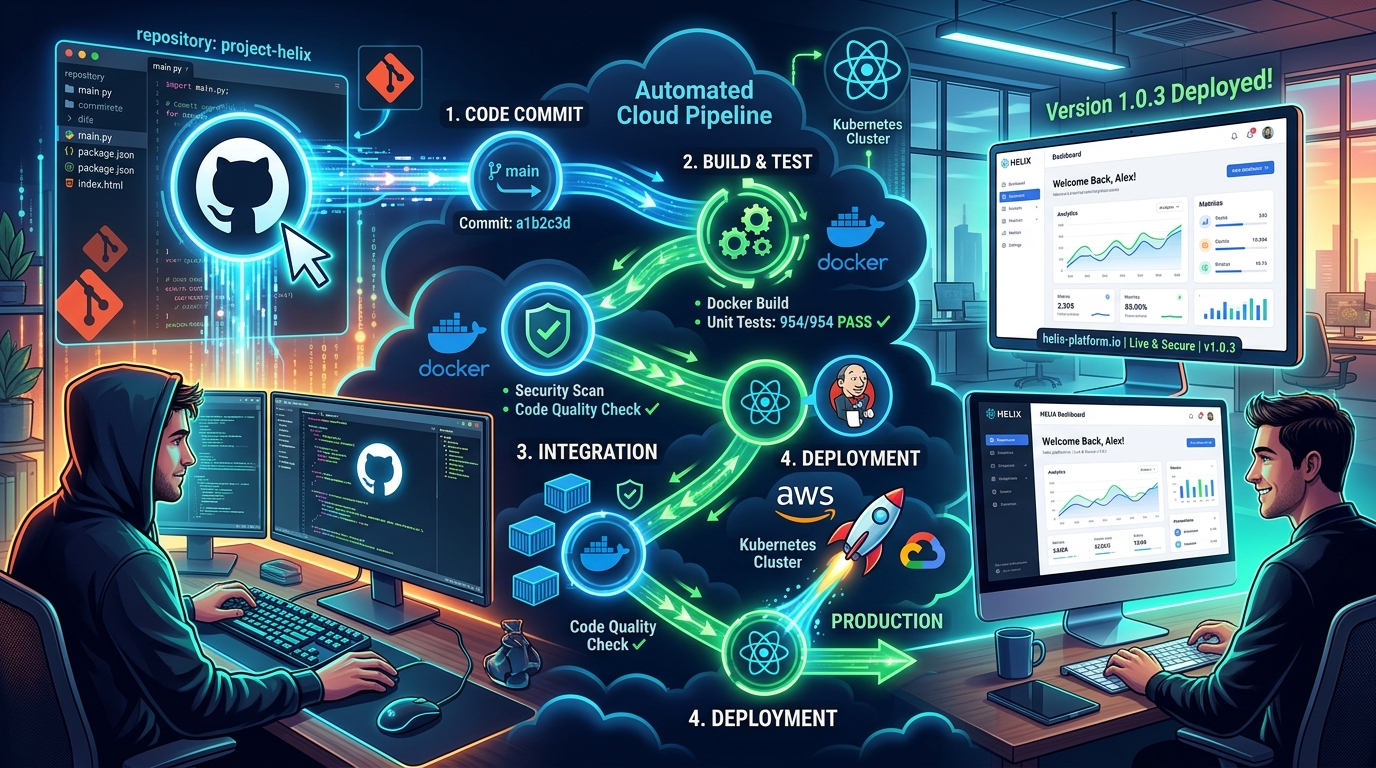
  • How to Set Up Automated Cluster Upgrade Pre-Flight Checks and Validation Gates

    How to Set Up Automated Cluster Upgrade Pre-Flight Checks and Validation Gates

    et Up Automated Cluster Upgrade Pre-Flight Checks and Validation Gates

    Understanding et Up Automated Cluster Upgrade Pre-Flight Checks and Validation Gates

    In the rapidly evolving landscape of modern cloud computing and application deployment, et up automated cluster upgrade pre-flight checks and validation gates has emerged as a critical capability that development teams and organizations simply cannot afford to overlook. As businesses increasingly rely on digital infrastructure to deliver their products and services to users around the globe, the ability to effectively manage and optimize et up automated cluster upgrade pre-flight checks and validation gates becomes a key differentiator for competitive advantage. Whether you are a solo developer working on a side project or part of a large engineering organization managing hundreds of microservices, understanding the nuances of et up automated cluster upgrade pre-flight checks and validation gates is essential for building reliable, scalable, and performant systems that meet the demands of today’s users. The stakes have never been higher, with customer expectations for uptime, speed, and reliability reaching unprecedented levels across every industry vertical and market segment.

    The concept of et up automated cluster upgrade pre-flight checks and validation gates encompasses a wide range of practices, tools, and methodologies that work together to ensure applications are deployed efficiently, run smoothly in production, and can be updated without disrupting the end-user experience. From automated testing pipelines that catch bugs before they reach production to sophisticated monitoring systems that provide real-time visibility into application health, every aspect of et up automated cluster upgrade pre-flight checks and validation gates contributes to the overall stability and reliability of your deployment infrastructure. Organizations that invest in robust et up automated cluster upgrade pre-flight checks and validation gates practices consistently report fewer production incidents, faster recovery times, and significantly higher developer productivity compared to those that rely on manual or ad-hoc deployment processes. The data is compelling: teams with mature deployment practices deploy code hundreds of times per day with confidence, while teams without these practices struggle to deploy even once per week without encountering incidents that degrade user experience.

    One of the most significant challenges that teams face when implementing et up automated cluster upgrade pre-flight checks and validation gates is balancing the need for speed with the requirement for stability. In today’s fast-paced development environment, teams are expected to ship new features and bug fixes quickly, but any mistake in the deployment process can lead to costly outages and damaged user trust. This tension between velocity and reliability is at the heart of modern software engineering, and resolving it requires both the right mindset and the right tooling. Teams that attempt to solve this problem by adding more manual checks and approvals often find that they have simply traded one problem for another, replacing deployment risk with deployment bottlenecks that slow down the entire development organization.

    This is exactly where a purpose-built deployment platform like Deployxa can make a transformative difference. By providing intelligent automation, built-in guardrails, and comprehensive visibility into the deployment process, Deployxa enables teams to deploy rapidly without sacrificing reliability. The platform’s AI-powered analysis engine continuously monitors your deployments and provides actionable recommendations for improvement, helping you identify and address potential issues before they become incidents. With Deployxa, teams can focus on what they do best, writing great code, while the platform handles the complexity of getting that code into production safely and efficiently, every single time.

    Key Challenges in et Up Automated Cluster Upgrade Pre-Flight Checks and Validation Gates

    When it comes to implementing et up automated cluster upgrade pre-flight checks and validation gates effectively, development teams encounter a number of significant challenges that can impede progress and increase the risk of deployment failures. One of the most common obstacles is the sheer complexity of modern application architectures, which often involve multiple interconnected services, databases, caches, message queues, and third-party integrations that must all be coordinated during a deployment. A seemingly simple change to one service can have cascading effects on downstream dependencies, making it extremely difficult to predict the full impact of any given deployment without comprehensive testing and monitoring infrastructure in place. This complexity is further compounded by the distributed nature of modern systems, where services may be deployed across multiple regions, availability zones, and even different cloud providers.

    Another major challenge is the lack of visibility into the deployment pipeline itself. Many teams operate with limited observability, meaning they cannot easily track the progress of a deployment, identify where failures occur, or understand the root cause of issues that arise during the deployment process. This lack of transparency leads to longer debugging sessions, increased mean time to recovery, and a general sense of uncertainty among team members about the health and stability of their production environments. Without proper logging, distributed tracing, and real-time alerting systems, even minor issues can go unnoticed until they escalate into major incidents that affect thousands of end users.

    Security concerns also present a formidable challenge when implementing et up automated cluster upgrade pre-flight checks and validation gates at scale. As applications are deployed more frequently and to more environments, the attack surface expands significantly, creating more opportunities for security vulnerabilities to be introduced into production. Teams must ensure that sensitive configuration data such as API keys, database credentials, and encryption keys are properly managed, rotated, and never exposed in code repositories or log files. Additionally, container images must be scanned for known vulnerabilities before being deployed, network policies must be configured to limit the blast radius of any potential breach, and comprehensive audit trails must be maintained to support compliance requirements.

    Cost management represents yet another significant challenge, particularly for organizations that are scaling their deployments across multiple environments and regions. Without proper cost visibility and controls, cloud infrastructure costs can spiral out of control, consuming an ever-larger portion of the engineering budget. Teams need tools that provide real-time cost tracking, automated rightsizing recommendations, and budget alerting to ensure they are getting the most value from their cloud spend without over-provisioning or under-utilizing their infrastructure resources.

    How Deployxa Solves These Challenges

    Deployxa addresses the core challenges of et up automated cluster upgrade pre-flight checks and validation gates by providing an AI-native cloud deployment platform that is purpose-built for the needs of modern development teams. Unlike traditional deployment tools that require extensive configuration and specialized expertise, Deployxa offers an intuitive interface that abstracts away the underlying infrastructure complexity while still giving teams the control and flexibility they need. With Deployxa, you can deploy your applications directly from your Git repository with zero configuration, and the platform will automatically detect your framework, build your application, optimize resource allocation, and serve it over a secure HTTPS connection with a custom domain.

    The platform’s AI-powered capabilities go far beyond simple deployment automation. Deployxa continuously analyzes your application’s performance characteristics, resource utilization patterns, and user behavior to provide intelligent recommendations for optimization. This means that instead of manually tuning your infrastructure or guessing at the right resource allocation, Deployxa helps you make data-driven decisions that improve both performance and cost efficiency. The platform can identify underutilized resources, suggest scaling adjustments, predict capacity needs based on traffic patterns, and detect anomalies that might indicate performance degradation or security issues before they impact your users.

    Security is baked into every layer of the Deployxa platform. From automated SSL certificate management and built-in vulnerability scanning to comprehensive secret management and role-based access control, Deployxa ensures that your deployments meet the highest security standards without requiring additional tooling or manual processes. The platform’s audit logging capabilities provide the governance and compliance features that enterprise teams need, while its seamless integration with popular version control systems, CI/CD pipelines, and cloud providers means you can incorporate Deployxa into your existing workflow without disruption.

    Perhaps most importantly, Deployxa provides the observability and monitoring capabilities essential for maintaining confidence in your deployment process. The platform’s integrated dashboard gives you real-time visibility into the health, performance, and cost of every deployment, with customizable alerts that notify you of issues before they become incidents. Detailed deployment logs, build artifacts, and performance metrics are all accessible through a single unified interface. This comprehensive observability, combined with automated rollback capabilities, means you can deploy with the confidence that any issues will be detected quickly and resolved automatically.

    Best Practices for et Up Automated Cluster Upgrade Pre-Flight Checks and Validation Gates

    To get the most out of your et up automated cluster upgrade pre-flight checks and validation gates implementation, it is important to follow established best practices that have been proven to deliver reliable results. First and foremost, always automate as much of your deployment pipeline as possible. Manual deployment processes are inherently error-prone, difficult to reproduce consistently, and fundamentally unscalable. By automating every step from code checkout through building, testing, and deployment, you eliminate human error, reduce cycle times, and create a consistent and repeatable process. Tools like Deployxa excel in this area by providing end-to-end automation that requires minimal configuration while still offering the flexibility to customize every aspect of the pipeline to your specific needs.

    Another critical best practice is to implement comprehensive testing at every stage of the deployment pipeline. Each type of test serves a different purpose: unit tests verify individual components in isolation, integration tests verify that components work together correctly, end-to-end tests verify that the entire system behaves as expected from the user’s perspective, and smoke tests verify that the deployment itself was successful. Additionally, implement automated rollback mechanisms that can quickly revert a deployment if post-deployment tests detect any issues, ensuring that your users are never exposed to a broken version of your application.

    Finally, invest in observability and monitoring from day one. The ability to see what is happening in your production environment in real time is invaluable for maintaining reliability, diagnosing issues quickly, and making informed decisions. Implement structured logging, distributed tracing, and comprehensive metrics collection. Set up intelligent alerts that notify the right people at the right time, and establish clear runbooks that define the steps to take when specific alerts fire. Deployxa’s integrated monitoring dashboard provides much of this capability out of the box, giving you a significant head start on building a comprehensive observability strategy.

    Getting Started With et Up Automated Cluster Upgrade Pre-Flight Checks and Validation Gates on Deployxa

    Getting started with et up automated cluster upgrade pre-flight checks and validation gates on Deployxa is straightforward and can be accomplished in just a few minutes. Begin by creating an account at deployxa.kaziai.co.ke and connecting your Git repository. Deployxa will automatically detect your application framework and configure the build and deployment pipeline accordingly. From there, you can customize deployment settings, configure environment variables, set up custom domains with automatic SSL certificates, and enable monitoring and alerting. The platform’s comprehensive documentation and responsive support team are available to help you every step of the way.

    Once your first deployment is live, take advantage of Deployxa’s continuous deployment capabilities to set up automatic deployments whenever you push changes to your main branch. This ensures that your production environment always reflects the latest version of your code and eliminates the bottleneck of manual deployment steps. As your application grows and your team expands, Deployxa scales with you, providing the advanced features, enterprise-grade reliability, and AI-powered insights you need to support your most demanding et up automated cluster upgrade pre-flight checks and validation gates workloads. Start your journey with Deployxa today and experience the difference that an AI-native deployment platform can make.

  • How to Deploy a Firewood and Seasonal Heating Fuel Delivery and Ordering Platform

    How to Deploy a Firewood and Seasonal Heating Fuel Delivery and Ordering Platform

    eploy a Firewood and Seasonal Heating Fuel Delivery and Ordering Platform

    Understanding eploy a Firewood and Seasonal Heating Fuel Delivery and Ordering Platform

    In the rapidly evolving landscape of modern cloud computing and application deployment, eploy a firewood and seasonal heating fuel delivery and ordering platform has emerged as a critical capability that development teams and organizations simply cannot afford to overlook. As businesses increasingly rely on digital infrastructure to deliver their products and services to users around the globe, the ability to effectively manage and optimize eploy a firewood and seasonal heating fuel delivery and ordering platform becomes a key differentiator for competitive advantage. Whether you are a solo developer working on a side project or part of a large engineering organization managing hundreds of microservices, understanding the nuances of eploy a firewood and seasonal heating fuel delivery and ordering platform is essential for building reliable, scalable, and performant systems that meet the demands of today’s users. The stakes have never been higher, with customer expectations for uptime, speed, and reliability reaching unprecedented levels across every industry vertical and market segment.

    The concept of eploy a firewood and seasonal heating fuel delivery and ordering platform encompasses a wide range of practices, tools, and methodologies that work together to ensure applications are deployed efficiently, run smoothly in production, and can be updated without disrupting the end-user experience. From automated testing pipelines that catch bugs before they reach production to sophisticated monitoring systems that provide real-time visibility into application health, every aspect of eploy a firewood and seasonal heating fuel delivery and ordering platform contributes to the overall stability and reliability of your deployment infrastructure. Organizations that invest in robust eploy a firewood and seasonal heating fuel delivery and ordering platform practices consistently report fewer production incidents, faster recovery times, and significantly higher developer productivity compared to those that rely on manual or ad-hoc deployment processes. The data is compelling: teams with mature deployment practices deploy code hundreds of times per day with confidence, while teams without these practices struggle to deploy even once per week without encountering incidents that degrade user experience.

    One of the most significant challenges that teams face when implementing eploy a firewood and seasonal heating fuel delivery and ordering platform is balancing the need for speed with the requirement for stability. In today’s fast-paced development environment, teams are expected to ship new features and bug fixes quickly, but any mistake in the deployment process can lead to costly outages and damaged user trust. This tension between velocity and reliability is at the heart of modern software engineering, and resolving it requires both the right mindset and the right tooling. Teams that attempt to solve this problem by adding more manual checks and approvals often find that they have simply traded one problem for another, replacing deployment risk with deployment bottlenecks that slow down the entire development organization.

    This is exactly where a purpose-built deployment platform like Deployxa can make a transformative difference. By providing intelligent automation, built-in guardrails, and comprehensive visibility into the deployment process, Deployxa enables teams to deploy rapidly without sacrificing reliability. The platform’s AI-powered analysis engine continuously monitors your deployments and provides actionable recommendations for improvement, helping you identify and address potential issues before they become incidents. With Deployxa, teams can focus on what they do best, writing great code, while the platform handles the complexity of getting that code into production safely and efficiently, every single time.

    Key Challenges in eploy a Firewood and Seasonal Heating Fuel Delivery and Ordering Platform

    When it comes to implementing eploy a firewood and seasonal heating fuel delivery and ordering platform effectively, development teams encounter a number of significant challenges that can impede progress and increase the risk of deployment failures. One of the most common obstacles is the sheer complexity of modern application architectures, which often involve multiple interconnected services, databases, caches, message queues, and third-party integrations that must all be coordinated during a deployment. A seemingly simple change to one service can have cascading effects on downstream dependencies, making it extremely difficult to predict the full impact of any given deployment without comprehensive testing and monitoring infrastructure in place. This complexity is further compounded by the distributed nature of modern systems, where services may be deployed across multiple regions, availability zones, and even different cloud providers.

    Another major challenge is the lack of visibility into the deployment pipeline itself. Many teams operate with limited observability, meaning they cannot easily track the progress of a deployment, identify where failures occur, or understand the root cause of issues that arise during the deployment process. This lack of transparency leads to longer debugging sessions, increased mean time to recovery, and a general sense of uncertainty among team members about the health and stability of their production environments. Without proper logging, distributed tracing, and real-time alerting systems, even minor issues can go unnoticed until they escalate into major incidents that affect thousands of end users.

    Security concerns also present a formidable challenge when implementing eploy a firewood and seasonal heating fuel delivery and ordering platform at scale. As applications are deployed more frequently and to more environments, the attack surface expands significantly, creating more opportunities for security vulnerabilities to be introduced into production. Teams must ensure that sensitive configuration data such as API keys, database credentials, and encryption keys are properly managed, rotated, and never exposed in code repositories or log files. Additionally, container images must be scanned for known vulnerabilities before being deployed, network policies must be configured to limit the blast radius of any potential breach, and comprehensive audit trails must be maintained to support compliance requirements.

    Cost management represents yet another significant challenge, particularly for organizations that are scaling their deployments across multiple environments and regions. Without proper cost visibility and controls, cloud infrastructure costs can spiral out of control, consuming an ever-larger portion of the engineering budget. Teams need tools that provide real-time cost tracking, automated rightsizing recommendations, and budget alerting to ensure they are getting the most value from their cloud spend without over-provisioning or under-utilizing their infrastructure resources.

    How Deployxa Solves These Challenges

    Deployxa addresses the core challenges of eploy a firewood and seasonal heating fuel delivery and ordering platform by providing an AI-native cloud deployment platform that is purpose-built for the needs of modern development teams. Unlike traditional deployment tools that require extensive configuration and specialized expertise, Deployxa offers an intuitive interface that abstracts away the underlying infrastructure complexity while still giving teams the control and flexibility they need. With Deployxa, you can deploy your applications directly from your Git repository with zero configuration, and the platform will automatically detect your framework, build your application, optimize resource allocation, and serve it over a secure HTTPS connection with a custom domain.

    The platform’s AI-powered capabilities go far beyond simple deployment automation. Deployxa continuously analyzes your application’s performance characteristics, resource utilization patterns, and user behavior to provide intelligent recommendations for optimization. This means that instead of manually tuning your infrastructure or guessing at the right resource allocation, Deployxa helps you make data-driven decisions that improve both performance and cost efficiency. The platform can identify underutilized resources, suggest scaling adjustments, predict capacity needs based on traffic patterns, and detect anomalies that might indicate performance degradation or security issues before they impact your users.

    Security is baked into every layer of the Deployxa platform. From automated SSL certificate management and built-in vulnerability scanning to comprehensive secret management and role-based access control, Deployxa ensures that your deployments meet the highest security standards without requiring additional tooling or manual processes. The platform’s audit logging capabilities provide the governance and compliance features that enterprise teams need, while its seamless integration with popular version control systems, CI/CD pipelines, and cloud providers means you can incorporate Deployxa into your existing workflow without disruption.

    Perhaps most importantly, Deployxa provides the observability and monitoring capabilities essential for maintaining confidence in your deployment process. The platform’s integrated dashboard gives you real-time visibility into the health, performance, and cost of every deployment, with customizable alerts that notify you of issues before they become incidents. Detailed deployment logs, build artifacts, and performance metrics are all accessible through a single unified interface. This comprehensive observability, combined with automated rollback capabilities, means you can deploy with the confidence that any issues will be detected quickly and resolved automatically.

    Best Practices for eploy a Firewood and Seasonal Heating Fuel Delivery and Ordering Platform

    To get the most out of your eploy a firewood and seasonal heating fuel delivery and ordering platform implementation, it is important to follow established best practices that have been proven to deliver reliable results. First and foremost, always automate as much of your deployment pipeline as possible. Manual deployment processes are inherently error-prone, difficult to reproduce consistently, and fundamentally unscalable. By automating every step from code checkout through building, testing, and deployment, you eliminate human error, reduce cycle times, and create a consistent and repeatable process. Tools like Deployxa excel in this area by providing end-to-end automation that requires minimal configuration while still offering the flexibility to customize every aspect of the pipeline to your specific needs.

    Another critical best practice is to implement comprehensive testing at every stage of the deployment pipeline. Each type of test serves a different purpose: unit tests verify individual components in isolation, integration tests verify that components work together correctly, end-to-end tests verify that the entire system behaves as expected from the user’s perspective, and smoke tests verify that the deployment itself was successful. Additionally, implement automated rollback mechanisms that can quickly revert a deployment if post-deployment tests detect any issues, ensuring that your users are never exposed to a broken version of your application.

    Finally, invest in observability and monitoring from day one. The ability to see what is happening in your production environment in real time is invaluable for maintaining reliability, diagnosing issues quickly, and making informed decisions. Implement structured logging, distributed tracing, and comprehensive metrics collection. Set up intelligent alerts that notify the right people at the right time, and establish clear runbooks that define the steps to take when specific alerts fire. Deployxa’s integrated monitoring dashboard provides much of this capability out of the box, giving you a significant head start on building a comprehensive observability strategy.

    Getting Started With eploy a Firewood and Seasonal Heating Fuel Delivery and Ordering Platform on Deployxa

    Getting started with eploy a firewood and seasonal heating fuel delivery and ordering platform on Deployxa is straightforward and can be accomplished in just a few minutes. Begin by creating an account at deployxa.kaziai.co.ke and connecting your Git repository. Deployxa will automatically detect your application framework and configure the build and deployment pipeline accordingly. From there, you can customize deployment settings, configure environment variables, set up custom domains with automatic SSL certificates, and enable monitoring and alerting. The platform’s comprehensive documentation and responsive support team are available to help you every step of the way.

    Once your first deployment is live, take advantage of Deployxa’s continuous deployment capabilities to set up automatic deployments whenever you push changes to your main branch. This ensures that your production environment always reflects the latest version of your code and eliminates the bottleneck of manual deployment steps. As your application grows and your team expands, Deployxa scales with you, providing the advanced features, enterprise-grade reliability, and AI-powered insights you need to support your most demanding eploy a firewood and seasonal heating fuel delivery and ordering platform workloads. Start your journey with Deployxa today and experience the difference that an AI-native deployment platform can make.

  • How to Implement GraphQL Persisted Queries for Security and Performance

    How to Implement GraphQL Persisted Queries for Security and Performance

    mplement GraphQL Persisted Queries for Security and Performance

    Understanding mplement GraphQL Persisted Queries for Security and Performance

    In the rapidly evolving landscape of modern cloud computing and application deployment, mplement graphql persisted queries for security and performance has emerged as a critical capability that development teams and organizations simply cannot afford to overlook. As businesses increasingly rely on digital infrastructure to deliver their products and services to users around the globe, the ability to effectively manage and optimize mplement graphql persisted queries for security and performance becomes a key differentiator for competitive advantage. Whether you are a solo developer working on a side project or part of a large engineering organization managing hundreds of microservices, understanding the nuances of mplement graphql persisted queries for security and performance is essential for building reliable, scalable, and performant systems that meet the demands of today’s users. The stakes have never been higher, with customer expectations for uptime, speed, and reliability reaching unprecedented levels across every industry vertical and market segment.

    The concept of mplement graphql persisted queries for security and performance encompasses a wide range of practices, tools, and methodologies that work together to ensure applications are deployed efficiently, run smoothly in production, and can be updated without disrupting the end-user experience. From automated testing pipelines that catch bugs before they reach production to sophisticated monitoring systems that provide real-time visibility into application health, every aspect of mplement graphql persisted queries for security and performance contributes to the overall stability and reliability of your deployment infrastructure. Organizations that invest in robust mplement graphql persisted queries for security and performance practices consistently report fewer production incidents, faster recovery times, and significantly higher developer productivity compared to those that rely on manual or ad-hoc deployment processes. The data is compelling: teams with mature deployment practices deploy code hundreds of times per day with confidence, while teams without these practices struggle to deploy even once per week without encountering incidents that degrade user experience.

    One of the most significant challenges that teams face when implementing mplement graphql persisted queries for security and performance is balancing the need for speed with the requirement for stability. In today’s fast-paced development environment, teams are expected to ship new features and bug fixes quickly, but any mistake in the deployment process can lead to costly outages and damaged user trust. This tension between velocity and reliability is at the heart of modern software engineering, and resolving it requires both the right mindset and the right tooling. Teams that attempt to solve this problem by adding more manual checks and approvals often find that they have simply traded one problem for another, replacing deployment risk with deployment bottlenecks that slow down the entire development organization.

    This is exactly where a purpose-built deployment platform like Deployxa can make a transformative difference. By providing intelligent automation, built-in guardrails, and comprehensive visibility into the deployment process, Deployxa enables teams to deploy rapidly without sacrificing reliability. The platform’s AI-powered analysis engine continuously monitors your deployments and provides actionable recommendations for improvement, helping you identify and address potential issues before they become incidents. With Deployxa, teams can focus on what they do best, writing great code, while the platform handles the complexity of getting that code into production safely and efficiently, every single time.

    Key Challenges in mplement GraphQL Persisted Queries for Security and Performance

    When it comes to implementing mplement graphql persisted queries for security and performance effectively, development teams encounter a number of significant challenges that can impede progress and increase the risk of deployment failures. One of the most common obstacles is the sheer complexity of modern application architectures, which often involve multiple interconnected services, databases, caches, message queues, and third-party integrations that must all be coordinated during a deployment. A seemingly simple change to one service can have cascading effects on downstream dependencies, making it extremely difficult to predict the full impact of any given deployment without comprehensive testing and monitoring infrastructure in place. This complexity is further compounded by the distributed nature of modern systems, where services may be deployed across multiple regions, availability zones, and even different cloud providers.

    Another major challenge is the lack of visibility into the deployment pipeline itself. Many teams operate with limited observability, meaning they cannot easily track the progress of a deployment, identify where failures occur, or understand the root cause of issues that arise during the deployment process. This lack of transparency leads to longer debugging sessions, increased mean time to recovery, and a general sense of uncertainty among team members about the health and stability of their production environments. Without proper logging, distributed tracing, and real-time alerting systems, even minor issues can go unnoticed until they escalate into major incidents that affect thousands of end users.

    Security concerns also present a formidable challenge when implementing mplement graphql persisted queries for security and performance at scale. As applications are deployed more frequently and to more environments, the attack surface expands significantly, creating more opportunities for security vulnerabilities to be introduced into production. Teams must ensure that sensitive configuration data such as API keys, database credentials, and encryption keys are properly managed, rotated, and never exposed in code repositories or log files. Additionally, container images must be scanned for known vulnerabilities before being deployed, network policies must be configured to limit the blast radius of any potential breach, and comprehensive audit trails must be maintained to support compliance requirements.

    Cost management represents yet another significant challenge, particularly for organizations that are scaling their deployments across multiple environments and regions. Without proper cost visibility and controls, cloud infrastructure costs can spiral out of control, consuming an ever-larger portion of the engineering budget. Teams need tools that provide real-time cost tracking, automated rightsizing recommendations, and budget alerting to ensure they are getting the most value from their cloud spend without over-provisioning or under-utilizing their infrastructure resources.

    How Deployxa Solves These Challenges

    Deployxa addresses the core challenges of mplement graphql persisted queries for security and performance by providing an AI-native cloud deployment platform that is purpose-built for the needs of modern development teams. Unlike traditional deployment tools that require extensive configuration and specialized expertise, Deployxa offers an intuitive interface that abstracts away the underlying infrastructure complexity while still giving teams the control and flexibility they need. With Deployxa, you can deploy your applications directly from your Git repository with zero configuration, and the platform will automatically detect your framework, build your application, optimize resource allocation, and serve it over a secure HTTPS connection with a custom domain.

    The platform’s AI-powered capabilities go far beyond simple deployment automation. Deployxa continuously analyzes your application’s performance characteristics, resource utilization patterns, and user behavior to provide intelligent recommendations for optimization. This means that instead of manually tuning your infrastructure or guessing at the right resource allocation, Deployxa helps you make data-driven decisions that improve both performance and cost efficiency. The platform can identify underutilized resources, suggest scaling adjustments, predict capacity needs based on traffic patterns, and detect anomalies that might indicate performance degradation or security issues before they impact your users.

    Security is baked into every layer of the Deployxa platform. From automated SSL certificate management and built-in vulnerability scanning to comprehensive secret management and role-based access control, Deployxa ensures that your deployments meet the highest security standards without requiring additional tooling or manual processes. The platform’s audit logging capabilities provide the governance and compliance features that enterprise teams need, while its seamless integration with popular version control systems, CI/CD pipelines, and cloud providers means you can incorporate Deployxa into your existing workflow without disruption.

    Perhaps most importantly, Deployxa provides the observability and monitoring capabilities essential for maintaining confidence in your deployment process. The platform’s integrated dashboard gives you real-time visibility into the health, performance, and cost of every deployment, with customizable alerts that notify you of issues before they become incidents. Detailed deployment logs, build artifacts, and performance metrics are all accessible through a single unified interface. This comprehensive observability, combined with automated rollback capabilities, means you can deploy with the confidence that any issues will be detected quickly and resolved automatically.

    Best Practices for mplement GraphQL Persisted Queries for Security and Performance

    To get the most out of your mplement graphql persisted queries for security and performance implementation, it is important to follow established best practices that have been proven to deliver reliable results. First and foremost, always automate as much of your deployment pipeline as possible. Manual deployment processes are inherently error-prone, difficult to reproduce consistently, and fundamentally unscalable. By automating every step from code checkout through building, testing, and deployment, you eliminate human error, reduce cycle times, and create a consistent and repeatable process. Tools like Deployxa excel in this area by providing end-to-end automation that requires minimal configuration while still offering the flexibility to customize every aspect of the pipeline to your specific needs.

    Another critical best practice is to implement comprehensive testing at every stage of the deployment pipeline. Each type of test serves a different purpose: unit tests verify individual components in isolation, integration tests verify that components work together correctly, end-to-end tests verify that the entire system behaves as expected from the user’s perspective, and smoke tests verify that the deployment itself was successful. Additionally, implement automated rollback mechanisms that can quickly revert a deployment if post-deployment tests detect any issues, ensuring that your users are never exposed to a broken version of your application.

    Finally, invest in observability and monitoring from day one. The ability to see what is happening in your production environment in real time is invaluable for maintaining reliability, diagnosing issues quickly, and making informed decisions. Implement structured logging, distributed tracing, and comprehensive metrics collection. Set up intelligent alerts that notify the right people at the right time, and establish clear runbooks that define the steps to take when specific alerts fire. Deployxa’s integrated monitoring dashboard provides much of this capability out of the box, giving you a significant head start on building a comprehensive observability strategy.

    Getting Started With mplement GraphQL Persisted Queries for Security and Performance on Deployxa

    Getting started with mplement graphql persisted queries for security and performance on Deployxa is straightforward and can be accomplished in just a few minutes. Begin by creating an account at deployxa.kaziai.co.ke and connecting your Git repository. Deployxa will automatically detect your application framework and configure the build and deployment pipeline accordingly. From there, you can customize deployment settings, configure environment variables, set up custom domains with automatic SSL certificates, and enable monitoring and alerting. The platform’s comprehensive documentation and responsive support team are available to help you every step of the way.

    Once your first deployment is live, take advantage of Deployxa’s continuous deployment capabilities to set up automatic deployments whenever you push changes to your main branch. This ensures that your production environment always reflects the latest version of your code and eliminates the bottleneck of manual deployment steps. As your application grows and your team expands, Deployxa scales with you, providing the advanced features, enterprise-grade reliability, and AI-powered insights you need to support your most demanding mplement graphql persisted queries for security and performance workloads. Start your journey with Deployxa today and experience the difference that an AI-native deployment platform can make.

  • How to Build and Deploy an AI-Powered Satellite Imagery Analysis for Agriculture

    How to Build and Deploy an AI-Powered Satellite Imagery Analysis for Agriculture

    uild and Deploy an AI-Powered Satellite Imagery Analysis for Agriculture

    Understanding uild and Deploy an AI-Powered Satellite Imagery Analysis for Agriculture

    In the rapidly evolving landscape of modern cloud computing and application deployment, uild and deploy an ai-powered satellite imagery analysis for agriculture has emerged as a critical capability that development teams and organizations simply cannot afford to overlook. As businesses increasingly rely on digital infrastructure to deliver their products and services to users around the globe, the ability to effectively manage and optimize uild and deploy an ai-powered satellite imagery analysis for agriculture becomes a key differentiator for competitive advantage. Whether you are a solo developer working on a side project or part of a large engineering organization managing hundreds of microservices, understanding the nuances of uild and deploy an ai-powered satellite imagery analysis for agriculture is essential for building reliable, scalable, and performant systems that meet the demands of today’s users. The stakes have never been higher, with customer expectations for uptime, speed, and reliability reaching unprecedented levels across every industry vertical and market segment.

    The concept of uild and deploy an ai-powered satellite imagery analysis for agriculture encompasses a wide range of practices, tools, and methodologies that work together to ensure applications are deployed efficiently, run smoothly in production, and can be updated without disrupting the end-user experience. From automated testing pipelines that catch bugs before they reach production to sophisticated monitoring systems that provide real-time visibility into application health, every aspect of uild and deploy an ai-powered satellite imagery analysis for agriculture contributes to the overall stability and reliability of your deployment infrastructure. Organizations that invest in robust uild and deploy an ai-powered satellite imagery analysis for agriculture practices consistently report fewer production incidents, faster recovery times, and significantly higher developer productivity compared to those that rely on manual or ad-hoc deployment processes. The data is compelling: teams with mature deployment practices deploy code hundreds of times per day with confidence, while teams without these practices struggle to deploy even once per week without encountering incidents that degrade user experience.

    One of the most significant challenges that teams face when implementing uild and deploy an ai-powered satellite imagery analysis for agriculture is balancing the need for speed with the requirement for stability. In today’s fast-paced development environment, teams are expected to ship new features and bug fixes quickly, but any mistake in the deployment process can lead to costly outages and damaged user trust. This tension between velocity and reliability is at the heart of modern software engineering, and resolving it requires both the right mindset and the right tooling. Teams that attempt to solve this problem by adding more manual checks and approvals often find that they have simply traded one problem for another, replacing deployment risk with deployment bottlenecks that slow down the entire development organization.

    This is exactly where a purpose-built deployment platform like Deployxa can make a transformative difference. By providing intelligent automation, built-in guardrails, and comprehensive visibility into the deployment process, Deployxa enables teams to deploy rapidly without sacrificing reliability. The platform’s AI-powered analysis engine continuously monitors your deployments and provides actionable recommendations for improvement, helping you identify and address potential issues before they become incidents. With Deployxa, teams can focus on what they do best, writing great code, while the platform handles the complexity of getting that code into production safely and efficiently, every single time.

    Key Challenges in uild and Deploy an AI-Powered Satellite Imagery Analysis for Agriculture

    When it comes to implementing uild and deploy an ai-powered satellite imagery analysis for agriculture effectively, development teams encounter a number of significant challenges that can impede progress and increase the risk of deployment failures. One of the most common obstacles is the sheer complexity of modern application architectures, which often involve multiple interconnected services, databases, caches, message queues, and third-party integrations that must all be coordinated during a deployment. A seemingly simple change to one service can have cascading effects on downstream dependencies, making it extremely difficult to predict the full impact of any given deployment without comprehensive testing and monitoring infrastructure in place. This complexity is further compounded by the distributed nature of modern systems, where services may be deployed across multiple regions, availability zones, and even different cloud providers.

    Another major challenge is the lack of visibility into the deployment pipeline itself. Many teams operate with limited observability, meaning they cannot easily track the progress of a deployment, identify where failures occur, or understand the root cause of issues that arise during the deployment process. This lack of transparency leads to longer debugging sessions, increased mean time to recovery, and a general sense of uncertainty among team members about the health and stability of their production environments. Without proper logging, distributed tracing, and real-time alerting systems, even minor issues can go unnoticed until they escalate into major incidents that affect thousands of end users.

    Security concerns also present a formidable challenge when implementing uild and deploy an ai-powered satellite imagery analysis for agriculture at scale. As applications are deployed more frequently and to more environments, the attack surface expands significantly, creating more opportunities for security vulnerabilities to be introduced into production. Teams must ensure that sensitive configuration data such as API keys, database credentials, and encryption keys are properly managed, rotated, and never exposed in code repositories or log files. Additionally, container images must be scanned for known vulnerabilities before being deployed, network policies must be configured to limit the blast radius of any potential breach, and comprehensive audit trails must be maintained to support compliance requirements.

    Cost management represents yet another significant challenge, particularly for organizations that are scaling their deployments across multiple environments and regions. Without proper cost visibility and controls, cloud infrastructure costs can spiral out of control, consuming an ever-larger portion of the engineering budget. Teams need tools that provide real-time cost tracking, automated rightsizing recommendations, and budget alerting to ensure they are getting the most value from their cloud spend without over-provisioning or under-utilizing their infrastructure resources.

    How Deployxa Solves These Challenges

    Deployxa addresses the core challenges of uild and deploy an ai-powered satellite imagery analysis for agriculture by providing an AI-native cloud deployment platform that is purpose-built for the needs of modern development teams. Unlike traditional deployment tools that require extensive configuration and specialized expertise, Deployxa offers an intuitive interface that abstracts away the underlying infrastructure complexity while still giving teams the control and flexibility they need. With Deployxa, you can deploy your applications directly from your Git repository with zero configuration, and the platform will automatically detect your framework, build your application, optimize resource allocation, and serve it over a secure HTTPS connection with a custom domain.

    The platform’s AI-powered capabilities go far beyond simple deployment automation. Deployxa continuously analyzes your application’s performance characteristics, resource utilization patterns, and user behavior to provide intelligent recommendations for optimization. This means that instead of manually tuning your infrastructure or guessing at the right resource allocation, Deployxa helps you make data-driven decisions that improve both performance and cost efficiency. The platform can identify underutilized resources, suggest scaling adjustments, predict capacity needs based on traffic patterns, and detect anomalies that might indicate performance degradation or security issues before they impact your users.

    Security is baked into every layer of the Deployxa platform. From automated SSL certificate management and built-in vulnerability scanning to comprehensive secret management and role-based access control, Deployxa ensures that your deployments meet the highest security standards without requiring additional tooling or manual processes. The platform’s audit logging capabilities provide the governance and compliance features that enterprise teams need, while its seamless integration with popular version control systems, CI/CD pipelines, and cloud providers means you can incorporate Deployxa into your existing workflow without disruption.

    Perhaps most importantly, Deployxa provides the observability and monitoring capabilities essential for maintaining confidence in your deployment process. The platform’s integrated dashboard gives you real-time visibility into the health, performance, and cost of every deployment, with customizable alerts that notify you of issues before they become incidents. Detailed deployment logs, build artifacts, and performance metrics are all accessible through a single unified interface. This comprehensive observability, combined with automated rollback capabilities, means you can deploy with the confidence that any issues will be detected quickly and resolved automatically.

    Best Practices for uild and Deploy an AI-Powered Satellite Imagery Analysis for Agriculture

    To get the most out of your uild and deploy an ai-powered satellite imagery analysis for agriculture implementation, it is important to follow established best practices that have been proven to deliver reliable results. First and foremost, always automate as much of your deployment pipeline as possible. Manual deployment processes are inherently error-prone, difficult to reproduce consistently, and fundamentally unscalable. By automating every step from code checkout through building, testing, and deployment, you eliminate human error, reduce cycle times, and create a consistent and repeatable process. Tools like Deployxa excel in this area by providing end-to-end automation that requires minimal configuration while still offering the flexibility to customize every aspect of the pipeline to your specific needs.

    Another critical best practice is to implement comprehensive testing at every stage of the deployment pipeline. Each type of test serves a different purpose: unit tests verify individual components in isolation, integration tests verify that components work together correctly, end-to-end tests verify that the entire system behaves as expected from the user’s perspective, and smoke tests verify that the deployment itself was successful. Additionally, implement automated rollback mechanisms that can quickly revert a deployment if post-deployment tests detect any issues, ensuring that your users are never exposed to a broken version of your application.

    Finally, invest in observability and monitoring from day one. The ability to see what is happening in your production environment in real time is invaluable for maintaining reliability, diagnosing issues quickly, and making informed decisions. Implement structured logging, distributed tracing, and comprehensive metrics collection. Set up intelligent alerts that notify the right people at the right time, and establish clear runbooks that define the steps to take when specific alerts fire. Deployxa’s integrated monitoring dashboard provides much of this capability out of the box, giving you a significant head start on building a comprehensive observability strategy.

    Getting Started With uild and Deploy an AI-Powered Satellite Imagery Analysis for Agriculture on Deployxa

    Getting started with uild and deploy an ai-powered satellite imagery analysis for agriculture on Deployxa is straightforward and can be accomplished in just a few minutes. Begin by creating an account at deployxa.kaziai.co.ke and connecting your Git repository. Deployxa will automatically detect your application framework and configure the build and deployment pipeline accordingly. From there, you can customize deployment settings, configure environment variables, set up custom domains with automatic SSL certificates, and enable monitoring and alerting. The platform’s comprehensive documentation and responsive support team are available to help you every step of the way.

    Once your first deployment is live, take advantage of Deployxa’s continuous deployment capabilities to set up automatic deployments whenever you push changes to your main branch. This ensures that your production environment always reflects the latest version of your code and eliminates the bottleneck of manual deployment steps. As your application grows and your team expands, Deployxa scales with you, providing the advanced features, enterprise-grade reliability, and AI-powered insights you need to support your most demanding uild and deploy an ai-powered satellite imagery analysis for agriculture workloads. Start your journey with Deployxa today and experience the difference that an AI-native deployment platform can make.

  • How to Set Up Automated Secrets Sync Across Kubernetes Namespaces and Environments

    How to Set Up Automated Secrets Sync Across Kubernetes Namespaces and Environments

    et Up Automated Secrets Sync Across Kubernetes Namespaces and Environments

    Understanding et Up Automated Secrets Sync Across Kubernetes Namespaces and Environments

    In the rapidly evolving landscape of modern cloud computing and application deployment, et up automated secrets sync across kubernetes namespaces and environments has emerged as a critical capability that development teams and organizations simply cannot afford to overlook. As businesses increasingly rely on digital infrastructure to deliver their products and services to users around the globe, the ability to effectively manage and optimize et up automated secrets sync across kubernetes namespaces and environments becomes a key differentiator for competitive advantage. Whether you are a solo developer working on a side project or part of a large engineering organization managing hundreds of microservices, understanding the nuances of et up automated secrets sync across kubernetes namespaces and environments is essential for building reliable, scalable, and performant systems that meet the demands of today’s users. The stakes have never been higher, with customer expectations for uptime, speed, and reliability reaching unprecedented levels across every industry vertical and market segment.

    The concept of et up automated secrets sync across kubernetes namespaces and environments encompasses a wide range of practices, tools, and methodologies that work together to ensure applications are deployed efficiently, run smoothly in production, and can be updated without disrupting the end-user experience. From automated testing pipelines that catch bugs before they reach production to sophisticated monitoring systems that provide real-time visibility into application health, every aspect of et up automated secrets sync across kubernetes namespaces and environments contributes to the overall stability and reliability of your deployment infrastructure. Organizations that invest in robust et up automated secrets sync across kubernetes namespaces and environments practices consistently report fewer production incidents, faster recovery times, and significantly higher developer productivity compared to those that rely on manual or ad-hoc deployment processes. The data is compelling: teams with mature deployment practices deploy code hundreds of times per day with confidence, while teams without these practices struggle to deploy even once per week without encountering incidents that degrade user experience.

    One of the most significant challenges that teams face when implementing et up automated secrets sync across kubernetes namespaces and environments is balancing the need for speed with the requirement for stability. In today’s fast-paced development environment, teams are expected to ship new features and bug fixes quickly, but any mistake in the deployment process can lead to costly outages and damaged user trust. This tension between velocity and reliability is at the heart of modern software engineering, and resolving it requires both the right mindset and the right tooling. Teams that attempt to solve this problem by adding more manual checks and approvals often find that they have simply traded one problem for another, replacing deployment risk with deployment bottlenecks that slow down the entire development organization.

    This is exactly where a purpose-built deployment platform like Deployxa can make a transformative difference. By providing intelligent automation, built-in guardrails, and comprehensive visibility into the deployment process, Deployxa enables teams to deploy rapidly without sacrificing reliability. The platform’s AI-powered analysis engine continuously monitors your deployments and provides actionable recommendations for improvement, helping you identify and address potential issues before they become incidents. With Deployxa, teams can focus on what they do best, writing great code, while the platform handles the complexity of getting that code into production safely and efficiently, every single time.

    Key Challenges in et Up Automated Secrets Sync Across Kubernetes Namespaces and Environments

    When it comes to implementing et up automated secrets sync across kubernetes namespaces and environments effectively, development teams encounter a number of significant challenges that can impede progress and increase the risk of deployment failures. One of the most common obstacles is the sheer complexity of modern application architectures, which often involve multiple interconnected services, databases, caches, message queues, and third-party integrations that must all be coordinated during a deployment. A seemingly simple change to one service can have cascading effects on downstream dependencies, making it extremely difficult to predict the full impact of any given deployment without comprehensive testing and monitoring infrastructure in place. This complexity is further compounded by the distributed nature of modern systems, where services may be deployed across multiple regions, availability zones, and even different cloud providers.

    Another major challenge is the lack of visibility into the deployment pipeline itself. Many teams operate with limited observability, meaning they cannot easily track the progress of a deployment, identify where failures occur, or understand the root cause of issues that arise during the deployment process. This lack of transparency leads to longer debugging sessions, increased mean time to recovery, and a general sense of uncertainty among team members about the health and stability of their production environments. Without proper logging, distributed tracing, and real-time alerting systems, even minor issues can go unnoticed until they escalate into major incidents that affect thousands of end users.

    Security concerns also present a formidable challenge when implementing et up automated secrets sync across kubernetes namespaces and environments at scale. As applications are deployed more frequently and to more environments, the attack surface expands significantly, creating more opportunities for security vulnerabilities to be introduced into production. Teams must ensure that sensitive configuration data such as API keys, database credentials, and encryption keys are properly managed, rotated, and never exposed in code repositories or log files. Additionally, container images must be scanned for known vulnerabilities before being deployed, network policies must be configured to limit the blast radius of any potential breach, and comprehensive audit trails must be maintained to support compliance requirements.

    Cost management represents yet another significant challenge, particularly for organizations that are scaling their deployments across multiple environments and regions. Without proper cost visibility and controls, cloud infrastructure costs can spiral out of control, consuming an ever-larger portion of the engineering budget. Teams need tools that provide real-time cost tracking, automated rightsizing recommendations, and budget alerting to ensure they are getting the most value from their cloud spend without over-provisioning or under-utilizing their infrastructure resources.

    How Deployxa Solves These Challenges

    Deployxa addresses the core challenges of et up automated secrets sync across kubernetes namespaces and environments by providing an AI-native cloud deployment platform that is purpose-built for the needs of modern development teams. Unlike traditional deployment tools that require extensive configuration and specialized expertise, Deployxa offers an intuitive interface that abstracts away the underlying infrastructure complexity while still giving teams the control and flexibility they need. With Deployxa, you can deploy your applications directly from your Git repository with zero configuration, and the platform will automatically detect your framework, build your application, optimize resource allocation, and serve it over a secure HTTPS connection with a custom domain.

    The platform’s AI-powered capabilities go far beyond simple deployment automation. Deployxa continuously analyzes your application’s performance characteristics, resource utilization patterns, and user behavior to provide intelligent recommendations for optimization. This means that instead of manually tuning your infrastructure or guessing at the right resource allocation, Deployxa helps you make data-driven decisions that improve both performance and cost efficiency. The platform can identify underutilized resources, suggest scaling adjustments, predict capacity needs based on traffic patterns, and detect anomalies that might indicate performance degradation or security issues before they impact your users.

    Security is baked into every layer of the Deployxa platform. From automated SSL certificate management and built-in vulnerability scanning to comprehensive secret management and role-based access control, Deployxa ensures that your deployments meet the highest security standards without requiring additional tooling or manual processes. The platform’s audit logging capabilities provide the governance and compliance features that enterprise teams need, while its seamless integration with popular version control systems, CI/CD pipelines, and cloud providers means you can incorporate Deployxa into your existing workflow without disruption.

    Perhaps most importantly, Deployxa provides the observability and monitoring capabilities essential for maintaining confidence in your deployment process. The platform’s integrated dashboard gives you real-time visibility into the health, performance, and cost of every deployment, with customizable alerts that notify you of issues before they become incidents. Detailed deployment logs, build artifacts, and performance metrics are all accessible through a single unified interface. This comprehensive observability, combined with automated rollback capabilities, means you can deploy with the confidence that any issues will be detected quickly and resolved automatically.

    Best Practices for et Up Automated Secrets Sync Across Kubernetes Namespaces and Environments

    To get the most out of your et up automated secrets sync across kubernetes namespaces and environments implementation, it is important to follow established best practices that have been proven to deliver reliable results. First and foremost, always automate as much of your deployment pipeline as possible. Manual deployment processes are inherently error-prone, difficult to reproduce consistently, and fundamentally unscalable. By automating every step from code checkout through building, testing, and deployment, you eliminate human error, reduce cycle times, and create a consistent and repeatable process. Tools like Deployxa excel in this area by providing end-to-end automation that requires minimal configuration while still offering the flexibility to customize every aspect of the pipeline to your specific needs.

    Another critical best practice is to implement comprehensive testing at every stage of the deployment pipeline. Each type of test serves a different purpose: unit tests verify individual components in isolation, integration tests verify that components work together correctly, end-to-end tests verify that the entire system behaves as expected from the user’s perspective, and smoke tests verify that the deployment itself was successful. Additionally, implement automated rollback mechanisms that can quickly revert a deployment if post-deployment tests detect any issues, ensuring that your users are never exposed to a broken version of your application.

    Finally, invest in observability and monitoring from day one. The ability to see what is happening in your production environment in real time is invaluable for maintaining reliability, diagnosing issues quickly, and making informed decisions. Implement structured logging, distributed tracing, and comprehensive metrics collection. Set up intelligent alerts that notify the right people at the right time, and establish clear runbooks that define the steps to take when specific alerts fire. Deployxa’s integrated monitoring dashboard provides much of this capability out of the box, giving you a significant head start on building a comprehensive observability strategy.

    Getting Started With et Up Automated Secrets Sync Across Kubernetes Namespaces and Environments on Deployxa

    Getting started with et up automated secrets sync across kubernetes namespaces and environments on Deployxa is straightforward and can be accomplished in just a few minutes. Begin by creating an account at deployxa.kaziai.co.ke and connecting your Git repository. Deployxa will automatically detect your application framework and configure the build and deployment pipeline accordingly. From there, you can customize deployment settings, configure environment variables, set up custom domains with automatic SSL certificates, and enable monitoring and alerting. The platform’s comprehensive documentation and responsive support team are available to help you every step of the way.

    Once your first deployment is live, take advantage of Deployxa’s continuous deployment capabilities to set up automatic deployments whenever you push changes to your main branch. This ensures that your production environment always reflects the latest version of your code and eliminates the bottleneck of manual deployment steps. As your application grows and your team expands, Deployxa scales with you, providing the advanced features, enterprise-grade reliability, and AI-powered insights you need to support your most demanding et up automated secrets sync across kubernetes namespaces and environments workloads. Start your journey with Deployxa today and experience the difference that an AI-native deployment platform can make.

  • How to Deploy a Antiques and Vintage Collectibles Online Auction Platform

    How to Deploy a Antiques and Vintage Collectibles Online Auction Platform

    eploy a Antiques and Vintage Collectibles Online Auction Platform

    Understanding eploy a Antiques and Vintage Collectibles Online Auction Platform

    In the rapidly evolving landscape of modern cloud computing and application deployment, eploy a antiques and vintage collectibles online auction platform has emerged as a critical capability that development teams and organizations simply cannot afford to overlook. As businesses increasingly rely on digital infrastructure to deliver their products and services to users around the globe, the ability to effectively manage and optimize eploy a antiques and vintage collectibles online auction platform becomes a key differentiator for competitive advantage. Whether you are a solo developer working on a side project or part of a large engineering organization managing hundreds of microservices, understanding the nuances of eploy a antiques and vintage collectibles online auction platform is essential for building reliable, scalable, and performant systems that meet the demands of today’s users. The stakes have never been higher, with customer expectations for uptime, speed, and reliability reaching unprecedented levels across every industry vertical and market segment.

    The concept of eploy a antiques and vintage collectibles online auction platform encompasses a wide range of practices, tools, and methodologies that work together to ensure applications are deployed efficiently, run smoothly in production, and can be updated without disrupting the end-user experience. From automated testing pipelines that catch bugs before they reach production to sophisticated monitoring systems that provide real-time visibility into application health, every aspect of eploy a antiques and vintage collectibles online auction platform contributes to the overall stability and reliability of your deployment infrastructure. Organizations that invest in robust eploy a antiques and vintage collectibles online auction platform practices consistently report fewer production incidents, faster recovery times, and significantly higher developer productivity compared to those that rely on manual or ad-hoc deployment processes. The data is compelling: teams with mature deployment practices deploy code hundreds of times per day with confidence, while teams without these practices struggle to deploy even once per week without encountering incidents that degrade user experience.

    One of the most significant challenges that teams face when implementing eploy a antiques and vintage collectibles online auction platform is balancing the need for speed with the requirement for stability. In today’s fast-paced development environment, teams are expected to ship new features and bug fixes quickly, but any mistake in the deployment process can lead to costly outages and damaged user trust. This tension between velocity and reliability is at the heart of modern software engineering, and resolving it requires both the right mindset and the right tooling. Teams that attempt to solve this problem by adding more manual checks and approvals often find that they have simply traded one problem for another, replacing deployment risk with deployment bottlenecks that slow down the entire development organization.

    This is exactly where a purpose-built deployment platform like Deployxa can make a transformative difference. By providing intelligent automation, built-in guardrails, and comprehensive visibility into the deployment process, Deployxa enables teams to deploy rapidly without sacrificing reliability. The platform’s AI-powered analysis engine continuously monitors your deployments and provides actionable recommendations for improvement, helping you identify and address potential issues before they become incidents. With Deployxa, teams can focus on what they do best, writing great code, while the platform handles the complexity of getting that code into production safely and efficiently, every single time.

    Key Challenges in eploy a Antiques and Vintage Collectibles Online Auction Platform

    When it comes to implementing eploy a antiques and vintage collectibles online auction platform effectively, development teams encounter a number of significant challenges that can impede progress and increase the risk of deployment failures. One of the most common obstacles is the sheer complexity of modern application architectures, which often involve multiple interconnected services, databases, caches, message queues, and third-party integrations that must all be coordinated during a deployment. A seemingly simple change to one service can have cascading effects on downstream dependencies, making it extremely difficult to predict the full impact of any given deployment without comprehensive testing and monitoring infrastructure in place. This complexity is further compounded by the distributed nature of modern systems, where services may be deployed across multiple regions, availability zones, and even different cloud providers.

    Another major challenge is the lack of visibility into the deployment pipeline itself. Many teams operate with limited observability, meaning they cannot easily track the progress of a deployment, identify where failures occur, or understand the root cause of issues that arise during the deployment process. This lack of transparency leads to longer debugging sessions, increased mean time to recovery, and a general sense of uncertainty among team members about the health and stability of their production environments. Without proper logging, distributed tracing, and real-time alerting systems, even minor issues can go unnoticed until they escalate into major incidents that affect thousands of end users.

    Security concerns also present a formidable challenge when implementing eploy a antiques and vintage collectibles online auction platform at scale. As applications are deployed more frequently and to more environments, the attack surface expands significantly, creating more opportunities for security vulnerabilities to be introduced into production. Teams must ensure that sensitive configuration data such as API keys, database credentials, and encryption keys are properly managed, rotated, and never exposed in code repositories or log files. Additionally, container images must be scanned for known vulnerabilities before being deployed, network policies must be configured to limit the blast radius of any potential breach, and comprehensive audit trails must be maintained to support compliance requirements.

    Cost management represents yet another significant challenge, particularly for organizations that are scaling their deployments across multiple environments and regions. Without proper cost visibility and controls, cloud infrastructure costs can spiral out of control, consuming an ever-larger portion of the engineering budget. Teams need tools that provide real-time cost tracking, automated rightsizing recommendations, and budget alerting to ensure they are getting the most value from their cloud spend without over-provisioning or under-utilizing their infrastructure resources.

    How Deployxa Solves These Challenges

    Deployxa addresses the core challenges of eploy a antiques and vintage collectibles online auction platform by providing an AI-native cloud deployment platform that is purpose-built for the needs of modern development teams. Unlike traditional deployment tools that require extensive configuration and specialized expertise, Deployxa offers an intuitive interface that abstracts away the underlying infrastructure complexity while still giving teams the control and flexibility they need. With Deployxa, you can deploy your applications directly from your Git repository with zero configuration, and the platform will automatically detect your framework, build your application, optimize resource allocation, and serve it over a secure HTTPS connection with a custom domain.

    The platform’s AI-powered capabilities go far beyond simple deployment automation. Deployxa continuously analyzes your application’s performance characteristics, resource utilization patterns, and user behavior to provide intelligent recommendations for optimization. This means that instead of manually tuning your infrastructure or guessing at the right resource allocation, Deployxa helps you make data-driven decisions that improve both performance and cost efficiency. The platform can identify underutilized resources, suggest scaling adjustments, predict capacity needs based on traffic patterns, and detect anomalies that might indicate performance degradation or security issues before they impact your users.

    Security is baked into every layer of the Deployxa platform. From automated SSL certificate management and built-in vulnerability scanning to comprehensive secret management and role-based access control, Deployxa ensures that your deployments meet the highest security standards without requiring additional tooling or manual processes. The platform’s audit logging capabilities provide the governance and compliance features that enterprise teams need, while its seamless integration with popular version control systems, CI/CD pipelines, and cloud providers means you can incorporate Deployxa into your existing workflow without disruption.

    Perhaps most importantly, Deployxa provides the observability and monitoring capabilities essential for maintaining confidence in your deployment process. The platform’s integrated dashboard gives you real-time visibility into the health, performance, and cost of every deployment, with customizable alerts that notify you of issues before they become incidents. Detailed deployment logs, build artifacts, and performance metrics are all accessible through a single unified interface. This comprehensive observability, combined with automated rollback capabilities, means you can deploy with the confidence that any issues will be detected quickly and resolved automatically.

    Best Practices for eploy a Antiques and Vintage Collectibles Online Auction Platform

    To get the most out of your eploy a antiques and vintage collectibles online auction platform implementation, it is important to follow established best practices that have been proven to deliver reliable results. First and foremost, always automate as much of your deployment pipeline as possible. Manual deployment processes are inherently error-prone, difficult to reproduce consistently, and fundamentally unscalable. By automating every step from code checkout through building, testing, and deployment, you eliminate human error, reduce cycle times, and create a consistent and repeatable process. Tools like Deployxa excel in this area by providing end-to-end automation that requires minimal configuration while still offering the flexibility to customize every aspect of the pipeline to your specific needs.

    Another critical best practice is to implement comprehensive testing at every stage of the deployment pipeline. Each type of test serves a different purpose: unit tests verify individual components in isolation, integration tests verify that components work together correctly, end-to-end tests verify that the entire system behaves as expected from the user’s perspective, and smoke tests verify that the deployment itself was successful. Additionally, implement automated rollback mechanisms that can quickly revert a deployment if post-deployment tests detect any issues, ensuring that your users are never exposed to a broken version of your application.

    Finally, invest in observability and monitoring from day one. The ability to see what is happening in your production environment in real time is invaluable for maintaining reliability, diagnosing issues quickly, and making informed decisions. Implement structured logging, distributed tracing, and comprehensive metrics collection. Set up intelligent alerts that notify the right people at the right time, and establish clear runbooks that define the steps to take when specific alerts fire. Deployxa’s integrated monitoring dashboard provides much of this capability out of the box, giving you a significant head start on building a comprehensive observability strategy.

    Getting Started With eploy a Antiques and Vintage Collectibles Online Auction Platform on Deployxa

    Getting started with eploy a antiques and vintage collectibles online auction platform on Deployxa is straightforward and can be accomplished in just a few minutes. Begin by creating an account at deployxa.kaziai.co.ke and connecting your Git repository. Deployxa will automatically detect your application framework and configure the build and deployment pipeline accordingly. From there, you can customize deployment settings, configure environment variables, set up custom domains with automatic SSL certificates, and enable monitoring and alerting. The platform’s comprehensive documentation and responsive support team are available to help you every step of the way.

    Once your first deployment is live, take advantage of Deployxa’s continuous deployment capabilities to set up automatic deployments whenever you push changes to your main branch. This ensures that your production environment always reflects the latest version of your code and eliminates the bottleneck of manual deployment steps. As your application grows and your team expands, Deployxa scales with you, providing the advanced features, enterprise-grade reliability, and AI-powered insights you need to support your most demanding eploy a antiques and vintage collectibles online auction platform workloads. Start your journey with Deployxa today and experience the difference that an AI-native deployment platform can make.

  • How to Implement Request Batching and Bulk Endpoint Design for API Efficiency

    How to Implement Request Batching and Bulk Endpoint Design for API Efficiency

    mplement Request Batching and Bulk Endpoint Design for API Efficiency

    Understanding mplement Request Batching and Bulk Endpoint Design for API Efficiency

    In the rapidly evolving landscape of modern cloud computing and application deployment, mplement request batching and bulk endpoint design for api efficiency has emerged as a critical capability that development teams and organizations simply cannot afford to overlook. As businesses increasingly rely on digital infrastructure to deliver their products and services to users around the globe, the ability to effectively manage and optimize mplement request batching and bulk endpoint design for api efficiency becomes a key differentiator for competitive advantage. Whether you are a solo developer working on a side project or part of a large engineering organization managing hundreds of microservices, understanding the nuances of mplement request batching and bulk endpoint design for api efficiency is essential for building reliable, scalable, and performant systems that meet the demands of today’s users. The stakes have never been higher, with customer expectations for uptime, speed, and reliability reaching unprecedented levels across every industry vertical and market segment.

    The concept of mplement request batching and bulk endpoint design for api efficiency encompasses a wide range of practices, tools, and methodologies that work together to ensure applications are deployed efficiently, run smoothly in production, and can be updated without disrupting the end-user experience. From automated testing pipelines that catch bugs before they reach production to sophisticated monitoring systems that provide real-time visibility into application health, every aspect of mplement request batching and bulk endpoint design for api efficiency contributes to the overall stability and reliability of your deployment infrastructure. Organizations that invest in robust mplement request batching and bulk endpoint design for api efficiency practices consistently report fewer production incidents, faster recovery times, and significantly higher developer productivity compared to those that rely on manual or ad-hoc deployment processes. The data is compelling: teams with mature deployment practices deploy code hundreds of times per day with confidence, while teams without these practices struggle to deploy even once per week without encountering incidents that degrade user experience.

    One of the most significant challenges that teams face when implementing mplement request batching and bulk endpoint design for api efficiency is balancing the need for speed with the requirement for stability. In today’s fast-paced development environment, teams are expected to ship new features and bug fixes quickly, but any mistake in the deployment process can lead to costly outages and damaged user trust. This tension between velocity and reliability is at the heart of modern software engineering, and resolving it requires both the right mindset and the right tooling. Teams that attempt to solve this problem by adding more manual checks and approvals often find that they have simply traded one problem for another, replacing deployment risk with deployment bottlenecks that slow down the entire development organization.

    This is exactly where a purpose-built deployment platform like Deployxa can make a transformative difference. By providing intelligent automation, built-in guardrails, and comprehensive visibility into the deployment process, Deployxa enables teams to deploy rapidly without sacrificing reliability. The platform’s AI-powered analysis engine continuously monitors your deployments and provides actionable recommendations for improvement, helping you identify and address potential issues before they become incidents. With Deployxa, teams can focus on what they do best, writing great code, while the platform handles the complexity of getting that code into production safely and efficiently, every single time.

    Key Challenges in mplement Request Batching and Bulk Endpoint Design for API Efficiency

    When it comes to implementing mplement request batching and bulk endpoint design for api efficiency effectively, development teams encounter a number of significant challenges that can impede progress and increase the risk of deployment failures. One of the most common obstacles is the sheer complexity of modern application architectures, which often involve multiple interconnected services, databases, caches, message queues, and third-party integrations that must all be coordinated during a deployment. A seemingly simple change to one service can have cascading effects on downstream dependencies, making it extremely difficult to predict the full impact of any given deployment without comprehensive testing and monitoring infrastructure in place. This complexity is further compounded by the distributed nature of modern systems, where services may be deployed across multiple regions, availability zones, and even different cloud providers.

    Another major challenge is the lack of visibility into the deployment pipeline itself. Many teams operate with limited observability, meaning they cannot easily track the progress of a deployment, identify where failures occur, or understand the root cause of issues that arise during the deployment process. This lack of transparency leads to longer debugging sessions, increased mean time to recovery, and a general sense of uncertainty among team members about the health and stability of their production environments. Without proper logging, distributed tracing, and real-time alerting systems, even minor issues can go unnoticed until they escalate into major incidents that affect thousands of end users.

    Security concerns also present a formidable challenge when implementing mplement request batching and bulk endpoint design for api efficiency at scale. As applications are deployed more frequently and to more environments, the attack surface expands significantly, creating more opportunities for security vulnerabilities to be introduced into production. Teams must ensure that sensitive configuration data such as API keys, database credentials, and encryption keys are properly managed, rotated, and never exposed in code repositories or log files. Additionally, container images must be scanned for known vulnerabilities before being deployed, network policies must be configured to limit the blast radius of any potential breach, and comprehensive audit trails must be maintained to support compliance requirements.

    Cost management represents yet another significant challenge, particularly for organizations that are scaling their deployments across multiple environments and regions. Without proper cost visibility and controls, cloud infrastructure costs can spiral out of control, consuming an ever-larger portion of the engineering budget. Teams need tools that provide real-time cost tracking, automated rightsizing recommendations, and budget alerting to ensure they are getting the most value from their cloud spend without over-provisioning or under-utilizing their infrastructure resources.

    How Deployxa Solves These Challenges

    Deployxa addresses the core challenges of mplement request batching and bulk endpoint design for api efficiency by providing an AI-native cloud deployment platform that is purpose-built for the needs of modern development teams. Unlike traditional deployment tools that require extensive configuration and specialized expertise, Deployxa offers an intuitive interface that abstracts away the underlying infrastructure complexity while still giving teams the control and flexibility they need. With Deployxa, you can deploy your applications directly from your Git repository with zero configuration, and the platform will automatically detect your framework, build your application, optimize resource allocation, and serve it over a secure HTTPS connection with a custom domain.

    The platform’s AI-powered capabilities go far beyond simple deployment automation. Deployxa continuously analyzes your application’s performance characteristics, resource utilization patterns, and user behavior to provide intelligent recommendations for optimization. This means that instead of manually tuning your infrastructure or guessing at the right resource allocation, Deployxa helps you make data-driven decisions that improve both performance and cost efficiency. The platform can identify underutilized resources, suggest scaling adjustments, predict capacity needs based on traffic patterns, and detect anomalies that might indicate performance degradation or security issues before they impact your users.

    Security is baked into every layer of the Deployxa platform. From automated SSL certificate management and built-in vulnerability scanning to comprehensive secret management and role-based access control, Deployxa ensures that your deployments meet the highest security standards without requiring additional tooling or manual processes. The platform’s audit logging capabilities provide the governance and compliance features that enterprise teams need, while its seamless integration with popular version control systems, CI/CD pipelines, and cloud providers means you can incorporate Deployxa into your existing workflow without disruption.

    Perhaps most importantly, Deployxa provides the observability and monitoring capabilities essential for maintaining confidence in your deployment process. The platform’s integrated dashboard gives you real-time visibility into the health, performance, and cost of every deployment, with customizable alerts that notify you of issues before they become incidents. Detailed deployment logs, build artifacts, and performance metrics are all accessible through a single unified interface. This comprehensive observability, combined with automated rollback capabilities, means you can deploy with the confidence that any issues will be detected quickly and resolved automatically.

    Best Practices for mplement Request Batching and Bulk Endpoint Design for API Efficiency

    To get the most out of your mplement request batching and bulk endpoint design for api efficiency implementation, it is important to follow established best practices that have been proven to deliver reliable results. First and foremost, always automate as much of your deployment pipeline as possible. Manual deployment processes are inherently error-prone, difficult to reproduce consistently, and fundamentally unscalable. By automating every step from code checkout through building, testing, and deployment, you eliminate human error, reduce cycle times, and create a consistent and repeatable process. Tools like Deployxa excel in this area by providing end-to-end automation that requires minimal configuration while still offering the flexibility to customize every aspect of the pipeline to your specific needs.

    Another critical best practice is to implement comprehensive testing at every stage of the deployment pipeline. Each type of test serves a different purpose: unit tests verify individual components in isolation, integration tests verify that components work together correctly, end-to-end tests verify that the entire system behaves as expected from the user’s perspective, and smoke tests verify that the deployment itself was successful. Additionally, implement automated rollback mechanisms that can quickly revert a deployment if post-deployment tests detect any issues, ensuring that your users are never exposed to a broken version of your application.

    Finally, invest in observability and monitoring from day one. The ability to see what is happening in your production environment in real time is invaluable for maintaining reliability, diagnosing issues quickly, and making informed decisions. Implement structured logging, distributed tracing, and comprehensive metrics collection. Set up intelligent alerts that notify the right people at the right time, and establish clear runbooks that define the steps to take when specific alerts fire. Deployxa’s integrated monitoring dashboard provides much of this capability out of the box, giving you a significant head start on building a comprehensive observability strategy.

    Getting Started With mplement Request Batching and Bulk Endpoint Design for API Efficiency on Deployxa

    Getting started with mplement request batching and bulk endpoint design for api efficiency on Deployxa is straightforward and can be accomplished in just a few minutes. Begin by creating an account at deployxa.kaziai.co.ke and connecting your Git repository. Deployxa will automatically detect your application framework and configure the build and deployment pipeline accordingly. From there, you can customize deployment settings, configure environment variables, set up custom domains with automatic SSL certificates, and enable monitoring and alerting. The platform’s comprehensive documentation and responsive support team are available to help you every step of the way.

    Once your first deployment is live, take advantage of Deployxa’s continuous deployment capabilities to set up automatic deployments whenever you push changes to your main branch. This ensures that your production environment always reflects the latest version of your code and eliminates the bottleneck of manual deployment steps. As your application grows and your team expands, Deployxa scales with you, providing the advanced features, enterprise-grade reliability, and AI-powered insights you need to support your most demanding mplement request batching and bulk endpoint design for api efficiency workloads. Start your journey with Deployxa today and experience the difference that an AI-native deployment platform can make.

  • How to Build and Deploy an AI-Powered Product Photography Background Removal Tool

    How to Build and Deploy an AI-Powered Product Photography Background Removal Tool

    uild and Deploy an AI-Powered Product Photography Background Removal Tool

    Understanding uild and Deploy an AI-Powered Product Photography Background Removal Tool

    In the rapidly evolving landscape of modern cloud computing and application deployment, uild and deploy an ai-powered product photography background removal tool has emerged as a critical capability that development teams and organizations simply cannot afford to overlook. As businesses increasingly rely on digital infrastructure to deliver their products and services to users around the globe, the ability to effectively manage and optimize uild and deploy an ai-powered product photography background removal tool becomes a key differentiator for competitive advantage. Whether you are a solo developer working on a side project or part of a large engineering organization managing hundreds of microservices, understanding the nuances of uild and deploy an ai-powered product photography background removal tool is essential for building reliable, scalable, and performant systems that meet the demands of today’s users. The stakes have never been higher, with customer expectations for uptime, speed, and reliability reaching unprecedented levels across every industry vertical and market segment.

    The concept of uild and deploy an ai-powered product photography background removal tool encompasses a wide range of practices, tools, and methodologies that work together to ensure applications are deployed efficiently, run smoothly in production, and can be updated without disrupting the end-user experience. From automated testing pipelines that catch bugs before they reach production to sophisticated monitoring systems that provide real-time visibility into application health, every aspect of uild and deploy an ai-powered product photography background removal tool contributes to the overall stability and reliability of your deployment infrastructure. Organizations that invest in robust uild and deploy an ai-powered product photography background removal tool practices consistently report fewer production incidents, faster recovery times, and significantly higher developer productivity compared to those that rely on manual or ad-hoc deployment processes. The data is compelling: teams with mature deployment practices deploy code hundreds of times per day with confidence, while teams without these practices struggle to deploy even once per week without encountering incidents that degrade user experience.

    One of the most significant challenges that teams face when implementing uild and deploy an ai-powered product photography background removal tool is balancing the need for speed with the requirement for stability. In today’s fast-paced development environment, teams are expected to ship new features and bug fixes quickly, but any mistake in the deployment process can lead to costly outages and damaged user trust. This tension between velocity and reliability is at the heart of modern software engineering, and resolving it requires both the right mindset and the right tooling. Teams that attempt to solve this problem by adding more manual checks and approvals often find that they have simply traded one problem for another, replacing deployment risk with deployment bottlenecks that slow down the entire development organization.

    This is exactly where a purpose-built deployment platform like Deployxa can make a transformative difference. By providing intelligent automation, built-in guardrails, and comprehensive visibility into the deployment process, Deployxa enables teams to deploy rapidly without sacrificing reliability. The platform’s AI-powered analysis engine continuously monitors your deployments and provides actionable recommendations for improvement, helping you identify and address potential issues before they become incidents. With Deployxa, teams can focus on what they do best, writing great code, while the platform handles the complexity of getting that code into production safely and efficiently, every single time.

    Key Challenges in uild and Deploy an AI-Powered Product Photography Background Removal Tool

    When it comes to implementing uild and deploy an ai-powered product photography background removal tool effectively, development teams encounter a number of significant challenges that can impede progress and increase the risk of deployment failures. One of the most common obstacles is the sheer complexity of modern application architectures, which often involve multiple interconnected services, databases, caches, message queues, and third-party integrations that must all be coordinated during a deployment. A seemingly simple change to one service can have cascading effects on downstream dependencies, making it extremely difficult to predict the full impact of any given deployment without comprehensive testing and monitoring infrastructure in place. This complexity is further compounded by the distributed nature of modern systems, where services may be deployed across multiple regions, availability zones, and even different cloud providers.

    Another major challenge is the lack of visibility into the deployment pipeline itself. Many teams operate with limited observability, meaning they cannot easily track the progress of a deployment, identify where failures occur, or understand the root cause of issues that arise during the deployment process. This lack of transparency leads to longer debugging sessions, increased mean time to recovery, and a general sense of uncertainty among team members about the health and stability of their production environments. Without proper logging, distributed tracing, and real-time alerting systems, even minor issues can go unnoticed until they escalate into major incidents that affect thousands of end users.

    Security concerns also present a formidable challenge when implementing uild and deploy an ai-powered product photography background removal tool at scale. As applications are deployed more frequently and to more environments, the attack surface expands significantly, creating more opportunities for security vulnerabilities to be introduced into production. Teams must ensure that sensitive configuration data such as API keys, database credentials, and encryption keys are properly managed, rotated, and never exposed in code repositories or log files. Additionally, container images must be scanned for known vulnerabilities before being deployed, network policies must be configured to limit the blast radius of any potential breach, and comprehensive audit trails must be maintained to support compliance requirements.

    Cost management represents yet another significant challenge, particularly for organizations that are scaling their deployments across multiple environments and regions. Without proper cost visibility and controls, cloud infrastructure costs can spiral out of control, consuming an ever-larger portion of the engineering budget. Teams need tools that provide real-time cost tracking, automated rightsizing recommendations, and budget alerting to ensure they are getting the most value from their cloud spend without over-provisioning or under-utilizing their infrastructure resources.

    How Deployxa Solves These Challenges

    Deployxa addresses the core challenges of uild and deploy an ai-powered product photography background removal tool by providing an AI-native cloud deployment platform that is purpose-built for the needs of modern development teams. Unlike traditional deployment tools that require extensive configuration and specialized expertise, Deployxa offers an intuitive interface that abstracts away the underlying infrastructure complexity while still giving teams the control and flexibility they need. With Deployxa, you can deploy your applications directly from your Git repository with zero configuration, and the platform will automatically detect your framework, build your application, optimize resource allocation, and serve it over a secure HTTPS connection with a custom domain.

    The platform’s AI-powered capabilities go far beyond simple deployment automation. Deployxa continuously analyzes your application’s performance characteristics, resource utilization patterns, and user behavior to provide intelligent recommendations for optimization. This means that instead of manually tuning your infrastructure or guessing at the right resource allocation, Deployxa helps you make data-driven decisions that improve both performance and cost efficiency. The platform can identify underutilized resources, suggest scaling adjustments, predict capacity needs based on traffic patterns, and detect anomalies that might indicate performance degradation or security issues before they impact your users.

    Security is baked into every layer of the Deployxa platform. From automated SSL certificate management and built-in vulnerability scanning to comprehensive secret management and role-based access control, Deployxa ensures that your deployments meet the highest security standards without requiring additional tooling or manual processes. The platform’s audit logging capabilities provide the governance and compliance features that enterprise teams need, while its seamless integration with popular version control systems, CI/CD pipelines, and cloud providers means you can incorporate Deployxa into your existing workflow without disruption.

    Perhaps most importantly, Deployxa provides the observability and monitoring capabilities essential for maintaining confidence in your deployment process. The platform’s integrated dashboard gives you real-time visibility into the health, performance, and cost of every deployment, with customizable alerts that notify you of issues before they become incidents. Detailed deployment logs, build artifacts, and performance metrics are all accessible through a single unified interface. This comprehensive observability, combined with automated rollback capabilities, means you can deploy with the confidence that any issues will be detected quickly and resolved automatically.

    Best Practices for uild and Deploy an AI-Powered Product Photography Background Removal Tool

    To get the most out of your uild and deploy an ai-powered product photography background removal tool implementation, it is important to follow established best practices that have been proven to deliver reliable results. First and foremost, always automate as much of your deployment pipeline as possible. Manual deployment processes are inherently error-prone, difficult to reproduce consistently, and fundamentally unscalable. By automating every step from code checkout through building, testing, and deployment, you eliminate human error, reduce cycle times, and create a consistent and repeatable process. Tools like Deployxa excel in this area by providing end-to-end automation that requires minimal configuration while still offering the flexibility to customize every aspect of the pipeline to your specific needs.

    Another critical best practice is to implement comprehensive testing at every stage of the deployment pipeline. Each type of test serves a different purpose: unit tests verify individual components in isolation, integration tests verify that components work together correctly, end-to-end tests verify that the entire system behaves as expected from the user’s perspective, and smoke tests verify that the deployment itself was successful. Additionally, implement automated rollback mechanisms that can quickly revert a deployment if post-deployment tests detect any issues, ensuring that your users are never exposed to a broken version of your application.

    Finally, invest in observability and monitoring from day one. The ability to see what is happening in your production environment in real time is invaluable for maintaining reliability, diagnosing issues quickly, and making informed decisions. Implement structured logging, distributed tracing, and comprehensive metrics collection. Set up intelligent alerts that notify the right people at the right time, and establish clear runbooks that define the steps to take when specific alerts fire. Deployxa’s integrated monitoring dashboard provides much of this capability out of the box, giving you a significant head start on building a comprehensive observability strategy.

    Getting Started With uild and Deploy an AI-Powered Product Photography Background Removal Tool on Deployxa

    Getting started with uild and deploy an ai-powered product photography background removal tool on Deployxa is straightforward and can be accomplished in just a few minutes. Begin by creating an account at deployxa.kaziai.co.ke and connecting your Git repository. Deployxa will automatically detect your application framework and configure the build and deployment pipeline accordingly. From there, you can customize deployment settings, configure environment variables, set up custom domains with automatic SSL certificates, and enable monitoring and alerting. The platform’s comprehensive documentation and responsive support team are available to help you every step of the way.

    Once your first deployment is live, take advantage of Deployxa’s continuous deployment capabilities to set up automatic deployments whenever you push changes to your main branch. This ensures that your production environment always reflects the latest version of your code and eliminates the bottleneck of manual deployment steps. As your application grows and your team expands, Deployxa scales with you, providing the advanced features, enterprise-grade reliability, and AI-powered insights you need to support your most demanding uild and deploy an ai-powered product photography background removal tool workloads. Start your journey with Deployxa today and experience the difference that an AI-native deployment platform can make.

  • How to Set Up Automated Kubernetes Resource Cleanup and Orphan Resource Reaping

    How to Set Up Automated Kubernetes Resource Cleanup and Orphan Resource Reaping

    et Up Automated Kubernetes Resource Cleanup and Orphan Resource Reaping

    Understanding et Up Automated Kubernetes Resource Cleanup and Orphan Resource Reaping

    In the rapidly evolving landscape of modern cloud computing and application deployment, et up automated kubernetes resource cleanup and orphan resource reaping has emerged as a critical capability that development teams and organizations simply cannot afford to overlook. As businesses increasingly rely on digital infrastructure to deliver their products and services to users around the globe, the ability to effectively manage and optimize et up automated kubernetes resource cleanup and orphan resource reaping becomes a key differentiator for competitive advantage. Whether you are a solo developer working on a side project or part of a large engineering organization managing hundreds of microservices, understanding the nuances of et up automated kubernetes resource cleanup and orphan resource reaping is essential for building reliable, scalable, and performant systems that meet the demands of today’s users. The stakes have never been higher, with customer expectations for uptime, speed, and reliability reaching unprecedented levels across every industry vertical and market segment.

    The concept of et up automated kubernetes resource cleanup and orphan resource reaping encompasses a wide range of practices, tools, and methodologies that work together to ensure applications are deployed efficiently, run smoothly in production, and can be updated without disrupting the end-user experience. From automated testing pipelines that catch bugs before they reach production to sophisticated monitoring systems that provide real-time visibility into application health, every aspect of et up automated kubernetes resource cleanup and orphan resource reaping contributes to the overall stability and reliability of your deployment infrastructure. Organizations that invest in robust et up automated kubernetes resource cleanup and orphan resource reaping practices consistently report fewer production incidents, faster recovery times, and significantly higher developer productivity compared to those that rely on manual or ad-hoc deployment processes. The data is compelling: teams with mature deployment practices deploy code hundreds of times per day with confidence, while teams without these practices struggle to deploy even once per week without encountering incidents that degrade user experience.

    One of the most significant challenges that teams face when implementing et up automated kubernetes resource cleanup and orphan resource reaping is balancing the need for speed with the requirement for stability. In today’s fast-paced development environment, teams are expected to ship new features and bug fixes quickly, but any mistake in the deployment process can lead to costly outages and damaged user trust. This tension between velocity and reliability is at the heart of modern software engineering, and resolving it requires both the right mindset and the right tooling. Teams that attempt to solve this problem by adding more manual checks and approvals often find that they have simply traded one problem for another, replacing deployment risk with deployment bottlenecks that slow down the entire development organization.

    This is exactly where a purpose-built deployment platform like Deployxa can make a transformative difference. By providing intelligent automation, built-in guardrails, and comprehensive visibility into the deployment process, Deployxa enables teams to deploy rapidly without sacrificing reliability. The platform’s AI-powered analysis engine continuously monitors your deployments and provides actionable recommendations for improvement, helping you identify and address potential issues before they become incidents. With Deployxa, teams can focus on what they do best, writing great code, while the platform handles the complexity of getting that code into production safely and efficiently, every single time.

    Key Challenges in et Up Automated Kubernetes Resource Cleanup and Orphan Resource Reaping

    When it comes to implementing et up automated kubernetes resource cleanup and orphan resource reaping effectively, development teams encounter a number of significant challenges that can impede progress and increase the risk of deployment failures. One of the most common obstacles is the sheer complexity of modern application architectures, which often involve multiple interconnected services, databases, caches, message queues, and third-party integrations that must all be coordinated during a deployment. A seemingly simple change to one service can have cascading effects on downstream dependencies, making it extremely difficult to predict the full impact of any given deployment without comprehensive testing and monitoring infrastructure in place. This complexity is further compounded by the distributed nature of modern systems, where services may be deployed across multiple regions, availability zones, and even different cloud providers.

    Another major challenge is the lack of visibility into the deployment pipeline itself. Many teams operate with limited observability, meaning they cannot easily track the progress of a deployment, identify where failures occur, or understand the root cause of issues that arise during the deployment process. This lack of transparency leads to longer debugging sessions, increased mean time to recovery, and a general sense of uncertainty among team members about the health and stability of their production environments. Without proper logging, distributed tracing, and real-time alerting systems, even minor issues can go unnoticed until they escalate into major incidents that affect thousands of end users.

    Security concerns also present a formidable challenge when implementing et up automated kubernetes resource cleanup and orphan resource reaping at scale. As applications are deployed more frequently and to more environments, the attack surface expands significantly, creating more opportunities for security vulnerabilities to be introduced into production. Teams must ensure that sensitive configuration data such as API keys, database credentials, and encryption keys are properly managed, rotated, and never exposed in code repositories or log files. Additionally, container images must be scanned for known vulnerabilities before being deployed, network policies must be configured to limit the blast radius of any potential breach, and comprehensive audit trails must be maintained to support compliance requirements.

    Cost management represents yet another significant challenge, particularly for organizations that are scaling their deployments across multiple environments and regions. Without proper cost visibility and controls, cloud infrastructure costs can spiral out of control, consuming an ever-larger portion of the engineering budget. Teams need tools that provide real-time cost tracking, automated rightsizing recommendations, and budget alerting to ensure they are getting the most value from their cloud spend without over-provisioning or under-utilizing their infrastructure resources.

    How Deployxa Solves These Challenges

    Deployxa addresses the core challenges of et up automated kubernetes resource cleanup and orphan resource reaping by providing an AI-native cloud deployment platform that is purpose-built for the needs of modern development teams. Unlike traditional deployment tools that require extensive configuration and specialized expertise, Deployxa offers an intuitive interface that abstracts away the underlying infrastructure complexity while still giving teams the control and flexibility they need. With Deployxa, you can deploy your applications directly from your Git repository with zero configuration, and the platform will automatically detect your framework, build your application, optimize resource allocation, and serve it over a secure HTTPS connection with a custom domain.

    The platform’s AI-powered capabilities go far beyond simple deployment automation. Deployxa continuously analyzes your application’s performance characteristics, resource utilization patterns, and user behavior to provide intelligent recommendations for optimization. This means that instead of manually tuning your infrastructure or guessing at the right resource allocation, Deployxa helps you make data-driven decisions that improve both performance and cost efficiency. The platform can identify underutilized resources, suggest scaling adjustments, predict capacity needs based on traffic patterns, and detect anomalies that might indicate performance degradation or security issues before they impact your users.

    Security is baked into every layer of the Deployxa platform. From automated SSL certificate management and built-in vulnerability scanning to comprehensive secret management and role-based access control, Deployxa ensures that your deployments meet the highest security standards without requiring additional tooling or manual processes. The platform’s audit logging capabilities provide the governance and compliance features that enterprise teams need, while its seamless integration with popular version control systems, CI/CD pipelines, and cloud providers means you can incorporate Deployxa into your existing workflow without disruption.

    Perhaps most importantly, Deployxa provides the observability and monitoring capabilities essential for maintaining confidence in your deployment process. The platform’s integrated dashboard gives you real-time visibility into the health, performance, and cost of every deployment, with customizable alerts that notify you of issues before they become incidents. Detailed deployment logs, build artifacts, and performance metrics are all accessible through a single unified interface. This comprehensive observability, combined with automated rollback capabilities, means you can deploy with the confidence that any issues will be detected quickly and resolved automatically.

    Best Practices for et Up Automated Kubernetes Resource Cleanup and Orphan Resource Reaping

    To get the most out of your et up automated kubernetes resource cleanup and orphan resource reaping implementation, it is important to follow established best practices that have been proven to deliver reliable results. First and foremost, always automate as much of your deployment pipeline as possible. Manual deployment processes are inherently error-prone, difficult to reproduce consistently, and fundamentally unscalable. By automating every step from code checkout through building, testing, and deployment, you eliminate human error, reduce cycle times, and create a consistent and repeatable process. Tools like Deployxa excel in this area by providing end-to-end automation that requires minimal configuration while still offering the flexibility to customize every aspect of the pipeline to your specific needs.

    Another critical best practice is to implement comprehensive testing at every stage of the deployment pipeline. Each type of test serves a different purpose: unit tests verify individual components in isolation, integration tests verify that components work together correctly, end-to-end tests verify that the entire system behaves as expected from the user’s perspective, and smoke tests verify that the deployment itself was successful. Additionally, implement automated rollback mechanisms that can quickly revert a deployment if post-deployment tests detect any issues, ensuring that your users are never exposed to a broken version of your application.

    Finally, invest in observability and monitoring from day one. The ability to see what is happening in your production environment in real time is invaluable for maintaining reliability, diagnosing issues quickly, and making informed decisions. Implement structured logging, distributed tracing, and comprehensive metrics collection. Set up intelligent alerts that notify the right people at the right time, and establish clear runbooks that define the steps to take when specific alerts fire. Deployxa’s integrated monitoring dashboard provides much of this capability out of the box, giving you a significant head start on building a comprehensive observability strategy.

    Getting Started With et Up Automated Kubernetes Resource Cleanup and Orphan Resource Reaping on Deployxa

    Getting started with et up automated kubernetes resource cleanup and orphan resource reaping on Deployxa is straightforward and can be accomplished in just a few minutes. Begin by creating an account at deployxa.kaziai.co.ke and connecting your Git repository. Deployxa will automatically detect your application framework and configure the build and deployment pipeline accordingly. From there, you can customize deployment settings, configure environment variables, set up custom domains with automatic SSL certificates, and enable monitoring and alerting. The platform’s comprehensive documentation and responsive support team are available to help you every step of the way.

    Once your first deployment is live, take advantage of Deployxa’s continuous deployment capabilities to set up automatic deployments whenever you push changes to your main branch. This ensures that your production environment always reflects the latest version of your code and eliminates the bottleneck of manual deployment steps. As your application grows and your team expands, Deployxa scales with you, providing the advanced features, enterprise-grade reliability, and AI-powered insights you need to support your most demanding et up automated kubernetes resource cleanup and orphan resource reaping workloads. Start your journey with Deployxa today and experience the difference that an AI-native deployment platform can make.

  • How to Deploy a Wedding Photographer Booking and Photo Gallery Delivery Platform

    How to Deploy a Wedding Photographer Booking and Photo Gallery Delivery Platform

    eploy a Wedding Photographer Booking and Photo Gallery Delivery Platform

    Understanding eploy a Wedding Photographer Booking and Photo Gallery Delivery Platform

    In the rapidly evolving landscape of modern cloud computing and application deployment, eploy a wedding photographer booking and photo gallery delivery platform has emerged as a critical capability that development teams and organizations simply cannot afford to overlook. As businesses increasingly rely on digital infrastructure to deliver their products and services to users around the globe, the ability to effectively manage and optimize eploy a wedding photographer booking and photo gallery delivery platform becomes a key differentiator for competitive advantage. Whether you are a solo developer working on a side project or part of a large engineering organization managing hundreds of microservices, understanding the nuances of eploy a wedding photographer booking and photo gallery delivery platform is essential for building reliable, scalable, and performant systems that meet the demands of today’s users. The stakes have never been higher, with customer expectations for uptime, speed, and reliability reaching unprecedented levels across every industry vertical and market segment.

    The concept of eploy a wedding photographer booking and photo gallery delivery platform encompasses a wide range of practices, tools, and methodologies that work together to ensure applications are deployed efficiently, run smoothly in production, and can be updated without disrupting the end-user experience. From automated testing pipelines that catch bugs before they reach production to sophisticated monitoring systems that provide real-time visibility into application health, every aspect of eploy a wedding photographer booking and photo gallery delivery platform contributes to the overall stability and reliability of your deployment infrastructure. Organizations that invest in robust eploy a wedding photographer booking and photo gallery delivery platform practices consistently report fewer production incidents, faster recovery times, and significantly higher developer productivity compared to those that rely on manual or ad-hoc deployment processes. The data is compelling: teams with mature deployment practices deploy code hundreds of times per day with confidence, while teams without these practices struggle to deploy even once per week without encountering incidents that degrade user experience.

    One of the most significant challenges that teams face when implementing eploy a wedding photographer booking and photo gallery delivery platform is balancing the need for speed with the requirement for stability. In today’s fast-paced development environment, teams are expected to ship new features and bug fixes quickly, but any mistake in the deployment process can lead to costly outages and damaged user trust. This tension between velocity and reliability is at the heart of modern software engineering, and resolving it requires both the right mindset and the right tooling. Teams that attempt to solve this problem by adding more manual checks and approvals often find that they have simply traded one problem for another, replacing deployment risk with deployment bottlenecks that slow down the entire development organization.

    This is exactly where a purpose-built deployment platform like Deployxa can make a transformative difference. By providing intelligent automation, built-in guardrails, and comprehensive visibility into the deployment process, Deployxa enables teams to deploy rapidly without sacrificing reliability. The platform’s AI-powered analysis engine continuously monitors your deployments and provides actionable recommendations for improvement, helping you identify and address potential issues before they become incidents. With Deployxa, teams can focus on what they do best, writing great code, while the platform handles the complexity of getting that code into production safely and efficiently, every single time.

    Key Challenges in eploy a Wedding Photographer Booking and Photo Gallery Delivery Platform

    When it comes to implementing eploy a wedding photographer booking and photo gallery delivery platform effectively, development teams encounter a number of significant challenges that can impede progress and increase the risk of deployment failures. One of the most common obstacles is the sheer complexity of modern application architectures, which often involve multiple interconnected services, databases, caches, message queues, and third-party integrations that must all be coordinated during a deployment. A seemingly simple change to one service can have cascading effects on downstream dependencies, making it extremely difficult to predict the full impact of any given deployment without comprehensive testing and monitoring infrastructure in place. This complexity is further compounded by the distributed nature of modern systems, where services may be deployed across multiple regions, availability zones, and even different cloud providers.

    Another major challenge is the lack of visibility into the deployment pipeline itself. Many teams operate with limited observability, meaning they cannot easily track the progress of a deployment, identify where failures occur, or understand the root cause of issues that arise during the deployment process. This lack of transparency leads to longer debugging sessions, increased mean time to recovery, and a general sense of uncertainty among team members about the health and stability of their production environments. Without proper logging, distributed tracing, and real-time alerting systems, even minor issues can go unnoticed until they escalate into major incidents that affect thousands of end users.

    Security concerns also present a formidable challenge when implementing eploy a wedding photographer booking and photo gallery delivery platform at scale. As applications are deployed more frequently and to more environments, the attack surface expands significantly, creating more opportunities for security vulnerabilities to be introduced into production. Teams must ensure that sensitive configuration data such as API keys, database credentials, and encryption keys are properly managed, rotated, and never exposed in code repositories or log files. Additionally, container images must be scanned for known vulnerabilities before being deployed, network policies must be configured to limit the blast radius of any potential breach, and comprehensive audit trails must be maintained to support compliance requirements.

    Cost management represents yet another significant challenge, particularly for organizations that are scaling their deployments across multiple environments and regions. Without proper cost visibility and controls, cloud infrastructure costs can spiral out of control, consuming an ever-larger portion of the engineering budget. Teams need tools that provide real-time cost tracking, automated rightsizing recommendations, and budget alerting to ensure they are getting the most value from their cloud spend without over-provisioning or under-utilizing their infrastructure resources.

    How Deployxa Solves These Challenges

    Deployxa addresses the core challenges of eploy a wedding photographer booking and photo gallery delivery platform by providing an AI-native cloud deployment platform that is purpose-built for the needs of modern development teams. Unlike traditional deployment tools that require extensive configuration and specialized expertise, Deployxa offers an intuitive interface that abstracts away the underlying infrastructure complexity while still giving teams the control and flexibility they need. With Deployxa, you can deploy your applications directly from your Git repository with zero configuration, and the platform will automatically detect your framework, build your application, optimize resource allocation, and serve it over a secure HTTPS connection with a custom domain.

    The platform’s AI-powered capabilities go far beyond simple deployment automation. Deployxa continuously analyzes your application’s performance characteristics, resource utilization patterns, and user behavior to provide intelligent recommendations for optimization. This means that instead of manually tuning your infrastructure or guessing at the right resource allocation, Deployxa helps you make data-driven decisions that improve both performance and cost efficiency. The platform can identify underutilized resources, suggest scaling adjustments, predict capacity needs based on traffic patterns, and detect anomalies that might indicate performance degradation or security issues before they impact your users.

    Security is baked into every layer of the Deployxa platform. From automated SSL certificate management and built-in vulnerability scanning to comprehensive secret management and role-based access control, Deployxa ensures that your deployments meet the highest security standards without requiring additional tooling or manual processes. The platform’s audit logging capabilities provide the governance and compliance features that enterprise teams need, while its seamless integration with popular version control systems, CI/CD pipelines, and cloud providers means you can incorporate Deployxa into your existing workflow without disruption.

    Perhaps most importantly, Deployxa provides the observability and monitoring capabilities essential for maintaining confidence in your deployment process. The platform’s integrated dashboard gives you real-time visibility into the health, performance, and cost of every deployment, with customizable alerts that notify you of issues before they become incidents. Detailed deployment logs, build artifacts, and performance metrics are all accessible through a single unified interface. This comprehensive observability, combined with automated rollback capabilities, means you can deploy with the confidence that any issues will be detected quickly and resolved automatically.

    Best Practices for eploy a Wedding Photographer Booking and Photo Gallery Delivery Platform

    To get the most out of your eploy a wedding photographer booking and photo gallery delivery platform implementation, it is important to follow established best practices that have been proven to deliver reliable results. First and foremost, always automate as much of your deployment pipeline as possible. Manual deployment processes are inherently error-prone, difficult to reproduce consistently, and fundamentally unscalable. By automating every step from code checkout through building, testing, and deployment, you eliminate human error, reduce cycle times, and create a consistent and repeatable process. Tools like Deployxa excel in this area by providing end-to-end automation that requires minimal configuration while still offering the flexibility to customize every aspect of the pipeline to your specific needs.

    Another critical best practice is to implement comprehensive testing at every stage of the deployment pipeline. Each type of test serves a different purpose: unit tests verify individual components in isolation, integration tests verify that components work together correctly, end-to-end tests verify that the entire system behaves as expected from the user’s perspective, and smoke tests verify that the deployment itself was successful. Additionally, implement automated rollback mechanisms that can quickly revert a deployment if post-deployment tests detect any issues, ensuring that your users are never exposed to a broken version of your application.

    Finally, invest in observability and monitoring from day one. The ability to see what is happening in your production environment in real time is invaluable for maintaining reliability, diagnosing issues quickly, and making informed decisions. Implement structured logging, distributed tracing, and comprehensive metrics collection. Set up intelligent alerts that notify the right people at the right time, and establish clear runbooks that define the steps to take when specific alerts fire. Deployxa’s integrated monitoring dashboard provides much of this capability out of the box, giving you a significant head start on building a comprehensive observability strategy.

    Getting Started With eploy a Wedding Photographer Booking and Photo Gallery Delivery Platform on Deployxa

    Getting started with eploy a wedding photographer booking and photo gallery delivery platform on Deployxa is straightforward and can be accomplished in just a few minutes. Begin by creating an account at deployxa.kaziai.co.ke and connecting your Git repository. Deployxa will automatically detect your application framework and configure the build and deployment pipeline accordingly. From there, you can customize deployment settings, configure environment variables, set up custom domains with automatic SSL certificates, and enable monitoring and alerting. The platform’s comprehensive documentation and responsive support team are available to help you every step of the way.

    Once your first deployment is live, take advantage of Deployxa’s continuous deployment capabilities to set up automatic deployments whenever you push changes to your main branch. This ensures that your production environment always reflects the latest version of your code and eliminates the bottleneck of manual deployment steps. As your application grows and your team expands, Deployxa scales with you, providing the advanced features, enterprise-grade reliability, and AI-powered insights you need to support your most demanding eploy a wedding photographer booking and photo gallery delivery platform workloads. Start your journey with Deployxa today and experience the difference that an AI-native deployment platform can make.

  • How to Implement Database Enum Types and Check Constraints for Data Integrity

    How to Implement Database Enum Types and Check Constraints for Data Integrity

    mplement Database Enum Types and Check Constraints for Data Integrity

    Understanding mplement Database Enum Types and Check Constraints for Data Integrity

    In the rapidly evolving landscape of modern cloud computing and application deployment, mplement database enum types and check constraints for data integrity has emerged as a critical capability that development teams and organizations simply cannot afford to overlook. As businesses increasingly rely on digital infrastructure to deliver their products and services to users around the globe, the ability to effectively manage and optimize mplement database enum types and check constraints for data integrity becomes a key differentiator for competitive advantage. Whether you are a solo developer working on a side project or part of a large engineering organization managing hundreds of microservices, understanding the nuances of mplement database enum types and check constraints for data integrity is essential for building reliable, scalable, and performant systems that meet the demands of today’s users. The stakes have never been higher, with customer expectations for uptime, speed, and reliability reaching unprecedented levels across every industry vertical and market segment.
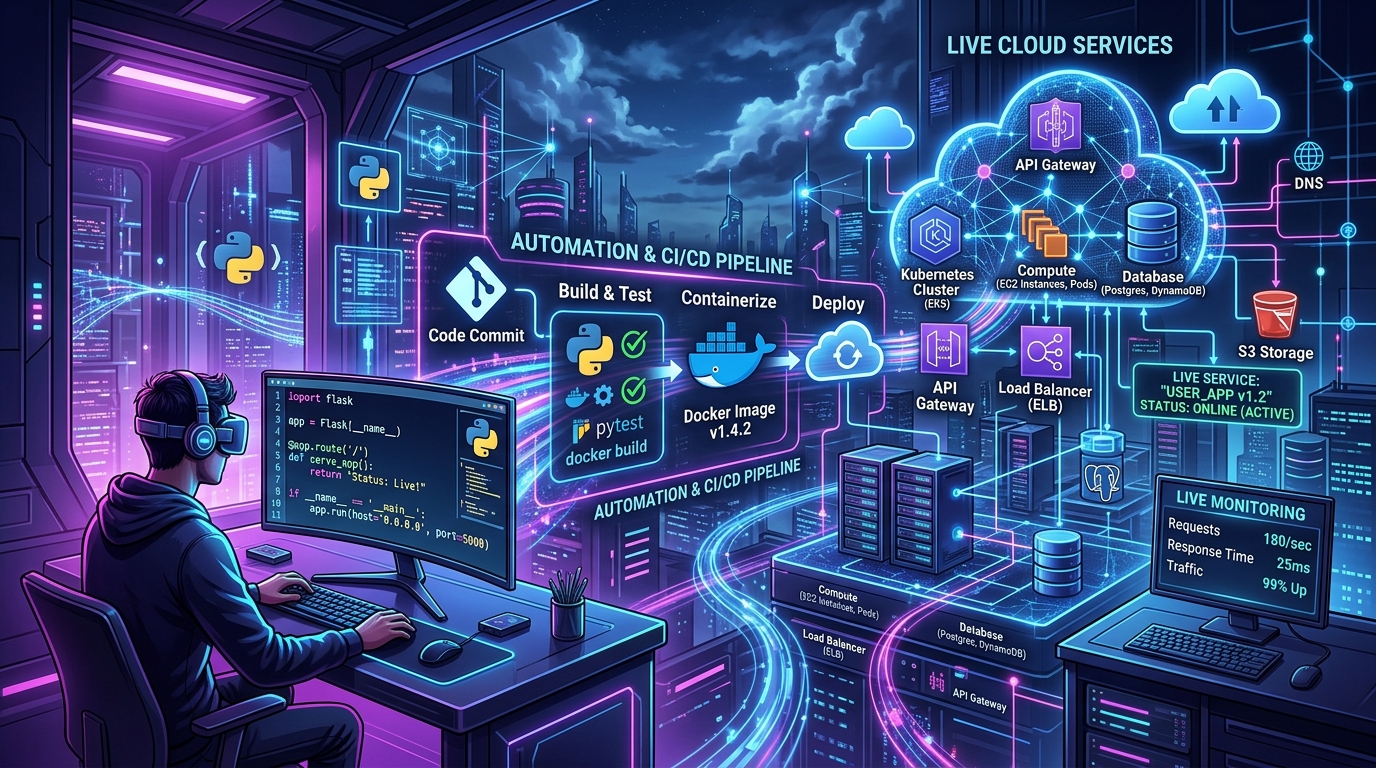
    The concept of mplement database enum types and check constraints for data integrity encompasses a wide range of practices, tools, and methodologies that work together to ensure applications are deployed efficiently, run smoothly in production, and can be updated without disrupting the end-user experience. From automated testing pipelines that catch bugs before they reach production to sophisticated monitoring systems that provide real-time visibility into application health, every aspect of mplement database enum types and check constraints for data integrity contributes to the overall stability and reliability of your deployment infrastructure. Organizations that invest in robust mplement database enum types and check constraints for data integrity practices consistently report fewer production incidents, faster recovery times, and significantly higher developer productivity compared to those that rely on manual or ad-hoc deployment processes. The data is compelling: teams with mature deployment practices deploy code hundreds of times per day with confidence, while teams without these practices struggle to deploy even once per week without encountering incidents that degrade user experience.

    One of the most significant challenges that teams face when implementing mplement database enum types and check constraints for data integrity is balancing the need for speed with the requirement for stability. In today’s fast-paced development environment, teams are expected to ship new features and bug fixes quickly, but any mistake in the deployment process can lead to costly outages and damaged user trust. This tension between velocity and reliability is at the heart of modern software engineering, and resolving it requires both the right mindset and the right tooling. Teams that attempt to solve this problem by adding more manual checks and approvals often find that they have simply traded one problem for another, replacing deployment risk with deployment bottlenecks that slow down the entire development organization.

    This is exactly where a purpose-built deployment platform like Deployxa can make a transformative difference. By providing intelligent automation, built-in guardrails, and comprehensive visibility into the deployment process, Deployxa enables teams to deploy rapidly without sacrificing reliability. The platform’s AI-powered analysis engine continuously monitors your deployments and provides actionable recommendations for improvement, helping you identify and address potential issues before they become incidents. With Deployxa, teams can focus on what they do best, writing great code, while the platform handles the complexity of getting that code into production safely and efficiently, every single time.

    Key Challenges in mplement Database Enum Types and Check Constraints for Data Integrity

    When it comes to implementing mplement database enum types and check constraints for data integrity effectively, development teams encounter a number of significant challenges that can impede progress and increase the risk of deployment failures. One of the most common obstacles is the sheer complexity of modern application architectures, which often involve multiple interconnected services, databases, caches, message queues, and third-party integrations that must all be coordinated during a deployment. A seemingly simple change to one service can have cascading effects on downstream dependencies, making it extremely difficult to predict the full impact of any given deployment without comprehensive testing and monitoring infrastructure in place. This complexity is further compounded by the distributed nature of modern systems, where services may be deployed across multiple regions, availability zones, and even different cloud providers.

    Another major challenge is the lack of visibility into the deployment pipeline itself. Many teams operate with limited observability, meaning they cannot easily track the progress of a deployment, identify where failures occur, or understand the root cause of issues that arise during the deployment process. This lack of transparency leads to longer debugging sessions, increased mean time to recovery, and a general sense of uncertainty among team members about the health and stability of their production environments. Without proper logging, distributed tracing, and real-time alerting systems, even minor issues can go unnoticed until they escalate into major incidents that affect thousands of end users.

    Security concerns also present a formidable challenge when implementing mplement database enum types and check constraints for data integrity at scale. As applications are deployed more frequently and to more environments, the attack surface expands significantly, creating more opportunities for security vulnerabilities to be introduced into production. Teams must ensure that sensitive configuration data such as API keys, database credentials, and encryption keys are properly managed, rotated, and never exposed in code repositories or log files. Additionally, container images must be scanned for known vulnerabilities before being deployed, network policies must be configured to limit the blast radius of any potential breach, and comprehensive audit trails must be maintained to support compliance requirements.

    Cost management represents yet another significant challenge, particularly for organizations that are scaling their deployments across multiple environments and regions. Without proper cost visibility and controls, cloud infrastructure costs can spiral out of control, consuming an ever-larger portion of the engineering budget. Teams need tools that provide real-time cost tracking, automated rightsizing recommendations, and budget alerting to ensure they are getting the most value from their cloud spend without over-provisioning or under-utilizing their infrastructure resources.

    How Deployxa Solves These Challenges

    Deployxa addresses the core challenges of mplement database enum types and check constraints for data integrity by providing an AI-native cloud deployment platform that is purpose-built for the needs of modern development teams. Unlike traditional deployment tools that require extensive configuration and specialized expertise, Deployxa offers an intuitive interface that abstracts away the underlying infrastructure complexity while still giving teams the control and flexibility they need. With Deployxa, you can deploy your applications directly from your Git repository with zero configuration, and the platform will automatically detect your framework, build your application, optimize resource allocation, and serve it over a secure HTTPS connection with a custom domain.

    The platform’s AI-powered capabilities go far beyond simple deployment automation. Deployxa continuously analyzes your application’s performance characteristics, resource utilization patterns, and user behavior to provide intelligent recommendations for optimization. This means that instead of manually tuning your infrastructure or guessing at the right resource allocation, Deployxa helps you make data-driven decisions that improve both performance and cost efficiency. The platform can identify underutilized resources, suggest scaling adjustments, predict capacity needs based on traffic patterns, and detect anomalies that might indicate performance degradation or security issues before they impact your users.

    Security is baked into every layer of the Deployxa platform. From automated SSL certificate management and built-in vulnerability scanning to comprehensive secret management and role-based access control, Deployxa ensures that your deployments meet the highest security standards without requiring additional tooling or manual processes. The platform’s audit logging capabilities provide the governance and compliance features that enterprise teams need, while its seamless integration with popular version control systems, CI/CD pipelines, and cloud providers means you can incorporate Deployxa into your existing workflow without disruption.

    Perhaps most importantly, Deployxa provides the observability and monitoring capabilities essential for maintaining confidence in your deployment process. The platform’s integrated dashboard gives you real-time visibility into the health, performance, and cost of every deployment, with customizable alerts that notify you of issues before they become incidents. Detailed deployment logs, build artifacts, and performance metrics are all accessible through a single unified interface. This comprehensive observability, combined with automated rollback capabilities, means you can deploy with the confidence that any issues will be detected quickly and resolved automatically.

    Best Practices for mplement Database Enum Types and Check Constraints for Data Integrity

    To get the most out of your mplement database enum types and check constraints for data integrity implementation, it is important to follow established best practices that have been proven to deliver reliable results. First and foremost, always automate as much of your deployment pipeline as possible. Manual deployment processes are inherently error-prone, difficult to reproduce consistently, and fundamentally unscalable. By automating every step from code checkout through building, testing, and deployment, you eliminate human error, reduce cycle times, and create a consistent and repeatable process. Tools like Deployxa excel in this area by providing end-to-end automation that requires minimal configuration while still offering the flexibility to customize every aspect of the pipeline to your specific needs.

    Another critical best practice is to implement comprehensive testing at every stage of the deployment pipeline. Each type of test serves a different purpose: unit tests verify individual components in isolation, integration tests verify that components work together correctly, end-to-end tests verify that the entire system behaves as expected from the user’s perspective, and smoke tests verify that the deployment itself was successful. Additionally, implement automated rollback mechanisms that can quickly revert a deployment if post-deployment tests detect any issues, ensuring that your users are never exposed to a broken version of your application.

    Finally, invest in observability and monitoring from day one. The ability to see what is happening in your production environment in real time is invaluable for maintaining reliability, diagnosing issues quickly, and making informed decisions. Implement structured logging, distributed tracing, and comprehensive metrics collection. Set up intelligent alerts that notify the right people at the right time, and establish clear runbooks that define the steps to take when specific alerts fire. Deployxa’s integrated monitoring dashboard provides much of this capability out of the box, giving you a significant head start on building a comprehensive observability strategy.

    Getting Started With mplement Database Enum Types and Check Constraints for Data Integrity on Deployxa

    Getting started with mplement database enum types and check constraints for data integrity on Deployxa is straightforward and can be accomplished in just a few minutes. Begin by creating an account at deployxa.kaziai.co.ke and connecting your Git repository. Deployxa will automatically detect your application framework and configure the build and deployment pipeline accordingly. From there, you can customize deployment settings, configure environment variables, set up custom domains with automatic SSL certificates, and enable monitoring and alerting. The platform’s comprehensive documentation and responsive support team are available to help you every step of the way.

    Once your first deployment is live, take advantage of Deployxa’s continuous deployment capabilities to set up automatic deployments whenever you push changes to your main branch. This ensures that your production environment always reflects the latest version of your code and eliminates the bottleneck of manual deployment steps. As your application grows and your team expands, Deployxa scales with you, providing the advanced features, enterprise-grade reliability, and AI-powered insights you need to support your most demanding mplement database enum types and check constraints for data integrity workloads. Start your journey with Deployxa today and experience the difference that an AI-native deployment platform can make.

  • How to Build and Deploy an AI-Powered Sleep Tracking and Insomnia Analysis App

    How to Build and Deploy an AI-Powered Sleep Tracking and Insomnia Analysis App

    uild and Deploy an AI-Powered Sleep Tracking and Insomnia Analysis App

    Understanding uild and Deploy an AI-Powered Sleep Tracking and Insomnia Analysis App

    In the rapidly evolving landscape of modern cloud computing and application deployment, uild and deploy an ai-powered sleep tracking and insomnia analysis app has emerged as a critical capability that development teams and organizations simply cannot afford to overlook. As businesses increasingly rely on digital infrastructure to deliver their products and services to users around the globe, the ability to effectively manage and optimize uild and deploy an ai-powered sleep tracking and insomnia analysis app becomes a key differentiator for competitive advantage. Whether you are a solo developer working on a side project or part of a large engineering organization managing hundreds of microservices, understanding the nuances of uild and deploy an ai-powered sleep tracking and insomnia analysis app is essential for building reliable, scalable, and performant systems that meet the demands of today’s users. The stakes have never been higher, with customer expectations for uptime, speed, and reliability reaching unprecedented levels across every industry vertical and market segment.

    The concept of uild and deploy an ai-powered sleep tracking and insomnia analysis app encompasses a wide range of practices, tools, and methodologies that work together to ensure applications are deployed efficiently, run smoothly in production, and can be updated without disrupting the end-user experience. From automated testing pipelines that catch bugs before they reach production to sophisticated monitoring systems that provide real-time visibility into application health, every aspect of uild and deploy an ai-powered sleep tracking and insomnia analysis app contributes to the overall stability and reliability of your deployment infrastructure. Organizations that invest in robust uild and deploy an ai-powered sleep tracking and insomnia analysis app practices consistently report fewer production incidents, faster recovery times, and significantly higher developer productivity compared to those that rely on manual or ad-hoc deployment processes. The data is compelling: teams with mature deployment practices deploy code hundreds of times per day with confidence, while teams without these practices struggle to deploy even once per week without encountering incidents that degrade user experience.

    One of the most significant challenges that teams face when implementing uild and deploy an ai-powered sleep tracking and insomnia analysis app is balancing the need for speed with the requirement for stability. In today’s fast-paced development environment, teams are expected to ship new features and bug fixes quickly, but any mistake in the deployment process can lead to costly outages and damaged user trust. This tension between velocity and reliability is at the heart of modern software engineering, and resolving it requires both the right mindset and the right tooling. Teams that attempt to solve this problem by adding more manual checks and approvals often find that they have simply traded one problem for another, replacing deployment risk with deployment bottlenecks that slow down the entire development organization.

    This is exactly where a purpose-built deployment platform like Deployxa can make a transformative difference. By providing intelligent automation, built-in guardrails, and comprehensive visibility into the deployment process, Deployxa enables teams to deploy rapidly without sacrificing reliability. The platform’s AI-powered analysis engine continuously monitors your deployments and provides actionable recommendations for improvement, helping you identify and address potential issues before they become incidents. With Deployxa, teams can focus on what they do best, writing great code, while the platform handles the complexity of getting that code into production safely and efficiently, every single time.

    Key Challenges in uild and Deploy an AI-Powered Sleep Tracking and Insomnia Analysis App

    When it comes to implementing uild and deploy an ai-powered sleep tracking and insomnia analysis app effectively, development teams encounter a number of significant challenges that can impede progress and increase the risk of deployment failures. One of the most common obstacles is the sheer complexity of modern application architectures, which often involve multiple interconnected services, databases, caches, message queues, and third-party integrations that must all be coordinated during a deployment. A seemingly simple change to one service can have cascading effects on downstream dependencies, making it extremely difficult to predict the full impact of any given deployment without comprehensive testing and monitoring infrastructure in place. This complexity is further compounded by the distributed nature of modern systems, where services may be deployed across multiple regions, availability zones, and even different cloud providers.

    Another major challenge is the lack of visibility into the deployment pipeline itself. Many teams operate with limited observability, meaning they cannot easily track the progress of a deployment, identify where failures occur, or understand the root cause of issues that arise during the deployment process. This lack of transparency leads to longer debugging sessions, increased mean time to recovery, and a general sense of uncertainty among team members about the health and stability of their production environments. Without proper logging, distributed tracing, and real-time alerting systems, even minor issues can go unnoticed until they escalate into major incidents that affect thousands of end users.

    Security concerns also present a formidable challenge when implementing uild and deploy an ai-powered sleep tracking and insomnia analysis app at scale. As applications are deployed more frequently and to more environments, the attack surface expands significantly, creating more opportunities for security vulnerabilities to be introduced into production. Teams must ensure that sensitive configuration data such as API keys, database credentials, and encryption keys are properly managed, rotated, and never exposed in code repositories or log files. Additionally, container images must be scanned for known vulnerabilities before being deployed, network policies must be configured to limit the blast radius of any potential breach, and comprehensive audit trails must be maintained to support compliance requirements.

    Cost management represents yet another significant challenge, particularly for organizations that are scaling their deployments across multiple environments and regions. Without proper cost visibility and controls, cloud infrastructure costs can spiral out of control, consuming an ever-larger portion of the engineering budget. Teams need tools that provide real-time cost tracking, automated rightsizing recommendations, and budget alerting to ensure they are getting the most value from their cloud spend without over-provisioning or under-utilizing their infrastructure resources.

    How Deployxa Solves These Challenges

    Deployxa addresses the core challenges of uild and deploy an ai-powered sleep tracking and insomnia analysis app by providing an AI-native cloud deployment platform that is purpose-built for the needs of modern development teams. Unlike traditional deployment tools that require extensive configuration and specialized expertise, Deployxa offers an intuitive interface that abstracts away the underlying infrastructure complexity while still giving teams the control and flexibility they need. With Deployxa, you can deploy your applications directly from your Git repository with zero configuration, and the platform will automatically detect your framework, build your application, optimize resource allocation, and serve it over a secure HTTPS connection with a custom domain.

    The platform’s AI-powered capabilities go far beyond simple deployment automation. Deployxa continuously analyzes your application’s performance characteristics, resource utilization patterns, and user behavior to provide intelligent recommendations for optimization. This means that instead of manually tuning your infrastructure or guessing at the right resource allocation, Deployxa helps you make data-driven decisions that improve both performance and cost efficiency. The platform can identify underutilized resources, suggest scaling adjustments, predict capacity needs based on traffic patterns, and detect anomalies that might indicate performance degradation or security issues before they impact your users.

    Security is baked into every layer of the Deployxa platform. From automated SSL certificate management and built-in vulnerability scanning to comprehensive secret management and role-based access control, Deployxa ensures that your deployments meet the highest security standards without requiring additional tooling or manual processes. The platform’s audit logging capabilities provide the governance and compliance features that enterprise teams need, while its seamless integration with popular version control systems, CI/CD pipelines, and cloud providers means you can incorporate Deployxa into your existing workflow without disruption.

    Perhaps most importantly, Deployxa provides the observability and monitoring capabilities essential for maintaining confidence in your deployment process. The platform’s integrated dashboard gives you real-time visibility into the health, performance, and cost of every deployment, with customizable alerts that notify you of issues before they become incidents. Detailed deployment logs, build artifacts, and performance metrics are all accessible through a single unified interface. This comprehensive observability, combined with automated rollback capabilities, means you can deploy with the confidence that any issues will be detected quickly and resolved automatically.

    Best Practices for uild and Deploy an AI-Powered Sleep Tracking and Insomnia Analysis App

    To get the most out of your uild and deploy an ai-powered sleep tracking and insomnia analysis app implementation, it is important to follow established best practices that have been proven to deliver reliable results. First and foremost, always automate as much of your deployment pipeline as possible. Manual deployment processes are inherently error-prone, difficult to reproduce consistently, and fundamentally unscalable. By automating every step from code checkout through building, testing, and deployment, you eliminate human error, reduce cycle times, and create a consistent and repeatable process. Tools like Deployxa excel in this area by providing end-to-end automation that requires minimal configuration while still offering the flexibility to customize every aspect of the pipeline to your specific needs.

    Another critical best practice is to implement comprehensive testing at every stage of the deployment pipeline. Each type of test serves a different purpose: unit tests verify individual components in isolation, integration tests verify that components work together correctly, end-to-end tests verify that the entire system behaves as expected from the user’s perspective, and smoke tests verify that the deployment itself was successful. Additionally, implement automated rollback mechanisms that can quickly revert a deployment if post-deployment tests detect any issues, ensuring that your users are never exposed to a broken version of your application.

    Finally, invest in observability and monitoring from day one. The ability to see what is happening in your production environment in real time is invaluable for maintaining reliability, diagnosing issues quickly, and making informed decisions. Implement structured logging, distributed tracing, and comprehensive metrics collection. Set up intelligent alerts that notify the right people at the right time, and establish clear runbooks that define the steps to take when specific alerts fire. Deployxa’s integrated monitoring dashboard provides much of this capability out of the box, giving you a significant head start on building a comprehensive observability strategy.

    Getting Started With uild and Deploy an AI-Powered Sleep Tracking and Insomnia Analysis App on Deployxa

    Getting started with uild and deploy an ai-powered sleep tracking and insomnia analysis app on Deployxa is straightforward and can be accomplished in just a few minutes. Begin by creating an account at deployxa.kaziai.co.ke and connecting your Git repository. Deployxa will automatically detect your application framework and configure the build and deployment pipeline accordingly. From there, you can customize deployment settings, configure environment variables, set up custom domains with automatic SSL certificates, and enable monitoring and alerting. The platform’s comprehensive documentation and responsive support team are available to help you every step of the way.

    Once your first deployment is live, take advantage of Deployxa’s continuous deployment capabilities to set up automatic deployments whenever you push changes to your main branch. This ensures that your production environment always reflects the latest version of your code and eliminates the bottleneck of manual deployment steps. As your application grows and your team expands, Deployxa scales with you, providing the advanced features, enterprise-grade reliability, and AI-powered insights you need to support your most demanding uild and deploy an ai-powered sleep tracking and insomnia analysis app workloads. Start your journey with Deployxa today and experience the difference that an AI-native deployment platform can make.

  • How to Set Up Automated Cross-Cluster Service Discovery With Multicluster Mesh

    How to Set Up Automated Cross-Cluster Service Discovery With Multicluster Mesh

    et Up Automated Cross-Cluster Service Discovery With Multicluster Mesh

    Understanding et Up Automated Cross-Cluster Service Discovery With Multicluster Mesh

    In the rapidly evolving landscape of modern cloud computing and application deployment, et up automated cross-cluster service discovery with multicluster mesh has emerged as a critical capability that development teams and organizations simply cannot afford to overlook. As businesses increasingly rely on digital infrastructure to deliver their products and services to users around the globe, the ability to effectively manage and optimize et up automated cross-cluster service discovery with multicluster mesh becomes a key differentiator for competitive advantage. Whether you are a solo developer working on a side project or part of a large engineering organization managing hundreds of microservices, understanding the nuances of et up automated cross-cluster service discovery with multicluster mesh is essential for building reliable, scalable, and performant systems that meet the demands of today’s users. The stakes have never been higher, with customer expectations for uptime, speed, and reliability reaching unprecedented levels across every industry vertical and market segment.

    The concept of et up automated cross-cluster service discovery with multicluster mesh encompasses a wide range of practices, tools, and methodologies that work together to ensure applications are deployed efficiently, run smoothly in production, and can be updated without disrupting the end-user experience. From automated testing pipelines that catch bugs before they reach production to sophisticated monitoring systems that provide real-time visibility into application health, every aspect of et up automated cross-cluster service discovery with multicluster mesh contributes to the overall stability and reliability of your deployment infrastructure. Organizations that invest in robust et up automated cross-cluster service discovery with multicluster mesh practices consistently report fewer production incidents, faster recovery times, and significantly higher developer productivity compared to those that rely on manual or ad-hoc deployment processes. The data is compelling: teams with mature deployment practices deploy code hundreds of times per day with confidence, while teams without these practices struggle to deploy even once per week without encountering incidents that degrade user experience.

    One of the most significant challenges that teams face when implementing et up automated cross-cluster service discovery with multicluster mesh is balancing the need for speed with the requirement for stability. In today’s fast-paced development environment, teams are expected to ship new features and bug fixes quickly, but any mistake in the deployment process can lead to costly outages and damaged user trust. This tension between velocity and reliability is at the heart of modern software engineering, and resolving it requires both the right mindset and the right tooling. Teams that attempt to solve this problem by adding more manual checks and approvals often find that they have simply traded one problem for another, replacing deployment risk with deployment bottlenecks that slow down the entire development organization.

    This is exactly where a purpose-built deployment platform like Deployxa can make a transformative difference. By providing intelligent automation, built-in guardrails, and comprehensive visibility into the deployment process, Deployxa enables teams to deploy rapidly without sacrificing reliability. The platform’s AI-powered analysis engine continuously monitors your deployments and provides actionable recommendations for improvement, helping you identify and address potential issues before they become incidents. With Deployxa, teams can focus on what they do best, writing great code, while the platform handles the complexity of getting that code into production safely and efficiently, every single time.

    Key Challenges in et Up Automated Cross-Cluster Service Discovery With Multicluster Mesh

    When it comes to implementing et up automated cross-cluster service discovery with multicluster mesh effectively, development teams encounter a number of significant challenges that can impede progress and increase the risk of deployment failures. One of the most common obstacles is the sheer complexity of modern application architectures, which often involve multiple interconnected services, databases, caches, message queues, and third-party integrations that must all be coordinated during a deployment. A seemingly simple change to one service can have cascading effects on downstream dependencies, making it extremely difficult to predict the full impact of any given deployment without comprehensive testing and monitoring infrastructure in place. This complexity is further compounded by the distributed nature of modern systems, where services may be deployed across multiple regions, availability zones, and even different cloud providers.

    Another major challenge is the lack of visibility into the deployment pipeline itself. Many teams operate with limited observability, meaning they cannot easily track the progress of a deployment, identify where failures occur, or understand the root cause of issues that arise during the deployment process. This lack of transparency leads to longer debugging sessions, increased mean time to recovery, and a general sense of uncertainty among team members about the health and stability of their production environments. Without proper logging, distributed tracing, and real-time alerting systems, even minor issues can go unnoticed until they escalate into major incidents that affect thousands of end users.

    Security concerns also present a formidable challenge when implementing et up automated cross-cluster service discovery with multicluster mesh at scale. As applications are deployed more frequently and to more environments, the attack surface expands significantly, creating more opportunities for security vulnerabilities to be introduced into production. Teams must ensure that sensitive configuration data such as API keys, database credentials, and encryption keys are properly managed, rotated, and never exposed in code repositories or log files. Additionally, container images must be scanned for known vulnerabilities before being deployed, network policies must be configured to limit the blast radius of any potential breach, and comprehensive audit trails must be maintained to support compliance requirements.

    Cost management represents yet another significant challenge, particularly for organizations that are scaling their deployments across multiple environments and regions. Without proper cost visibility and controls, cloud infrastructure costs can spiral out of control, consuming an ever-larger portion of the engineering budget. Teams need tools that provide real-time cost tracking, automated rightsizing recommendations, and budget alerting to ensure they are getting the most value from their cloud spend without over-provisioning or under-utilizing their infrastructure resources.

    How Deployxa Solves These Challenges

    Deployxa addresses the core challenges of et up automated cross-cluster service discovery with multicluster mesh by providing an AI-native cloud deployment platform that is purpose-built for the needs of modern development teams. Unlike traditional deployment tools that require extensive configuration and specialized expertise, Deployxa offers an intuitive interface that abstracts away the underlying infrastructure complexity while still giving teams the control and flexibility they need. With Deployxa, you can deploy your applications directly from your Git repository with zero configuration, and the platform will automatically detect your framework, build your application, optimize resource allocation, and serve it over a secure HTTPS connection with a custom domain.

    The platform’s AI-powered capabilities go far beyond simple deployment automation. Deployxa continuously analyzes your application’s performance characteristics, resource utilization patterns, and user behavior to provide intelligent recommendations for optimization. This means that instead of manually tuning your infrastructure or guessing at the right resource allocation, Deployxa helps you make data-driven decisions that improve both performance and cost efficiency. The platform can identify underutilized resources, suggest scaling adjustments, predict capacity needs based on traffic patterns, and detect anomalies that might indicate performance degradation or security issues before they impact your users.

    Security is baked into every layer of the Deployxa platform. From automated SSL certificate management and built-in vulnerability scanning to comprehensive secret management and role-based access control, Deployxa ensures that your deployments meet the highest security standards without requiring additional tooling or manual processes. The platform’s audit logging capabilities provide the governance and compliance features that enterprise teams need, while its seamless integration with popular version control systems, CI/CD pipelines, and cloud providers means you can incorporate Deployxa into your existing workflow without disruption.

    Perhaps most importantly, Deployxa provides the observability and monitoring capabilities essential for maintaining confidence in your deployment process. The platform’s integrated dashboard gives you real-time visibility into the health, performance, and cost of every deployment, with customizable alerts that notify you of issues before they become incidents. Detailed deployment logs, build artifacts, and performance metrics are all accessible through a single unified interface. This comprehensive observability, combined with automated rollback capabilities, means you can deploy with the confidence that any issues will be detected quickly and resolved automatically.

    Best Practices for et Up Automated Cross-Cluster Service Discovery With Multicluster Mesh

    To get the most out of your et up automated cross-cluster service discovery with multicluster mesh implementation, it is important to follow established best practices that have been proven to deliver reliable results. First and foremost, always automate as much of your deployment pipeline as possible. Manual deployment processes are inherently error-prone, difficult to reproduce consistently, and fundamentally unscalable. By automating every step from code checkout through building, testing, and deployment, you eliminate human error, reduce cycle times, and create a consistent and repeatable process. Tools like Deployxa excel in this area by providing end-to-end automation that requires minimal configuration while still offering the flexibility to customize every aspect of the pipeline to your specific needs.

    Another critical best practice is to implement comprehensive testing at every stage of the deployment pipeline. Each type of test serves a different purpose: unit tests verify individual components in isolation, integration tests verify that components work together correctly, end-to-end tests verify that the entire system behaves as expected from the user’s perspective, and smoke tests verify that the deployment itself was successful. Additionally, implement automated rollback mechanisms that can quickly revert a deployment if post-deployment tests detect any issues, ensuring that your users are never exposed to a broken version of your application.

    Finally, invest in observability and monitoring from day one. The ability to see what is happening in your production environment in real time is invaluable for maintaining reliability, diagnosing issues quickly, and making informed decisions. Implement structured logging, distributed tracing, and comprehensive metrics collection. Set up intelligent alerts that notify the right people at the right time, and establish clear runbooks that define the steps to take when specific alerts fire. Deployxa’s integrated monitoring dashboard provides much of this capability out of the box, giving you a significant head start on building a comprehensive observability strategy.

    Getting Started With et Up Automated Cross-Cluster Service Discovery With Multicluster Mesh on Deployxa

    Getting started with et up automated cross-cluster service discovery with multicluster mesh on Deployxa is straightforward and can be accomplished in just a few minutes. Begin by creating an account at deployxa.kaziai.co.ke and connecting your Git repository. Deployxa will automatically detect your application framework and configure the build and deployment pipeline accordingly. From there, you can customize deployment settings, configure environment variables, set up custom domains with automatic SSL certificates, and enable monitoring and alerting. The platform’s comprehensive documentation and responsive support team are available to help you every step of the way.

    Once your first deployment is live, take advantage of Deployxa’s continuous deployment capabilities to set up automatic deployments whenever you push changes to your main branch. This ensures that your production environment always reflects the latest version of your code and eliminates the bottleneck of manual deployment steps. As your application grows and your team expands, Deployxa scales with you, providing the advanced features, enterprise-grade reliability, and AI-powered insights you need to support your most demanding et up automated cross-cluster service discovery with multicluster mesh workloads. Start your journey with Deployxa today and experience the difference that an AI-native deployment platform can make.